Save 15% on your 1st Autoship learn more

 Email us
 Live Chat
 FAQs
FAQs






Introduction
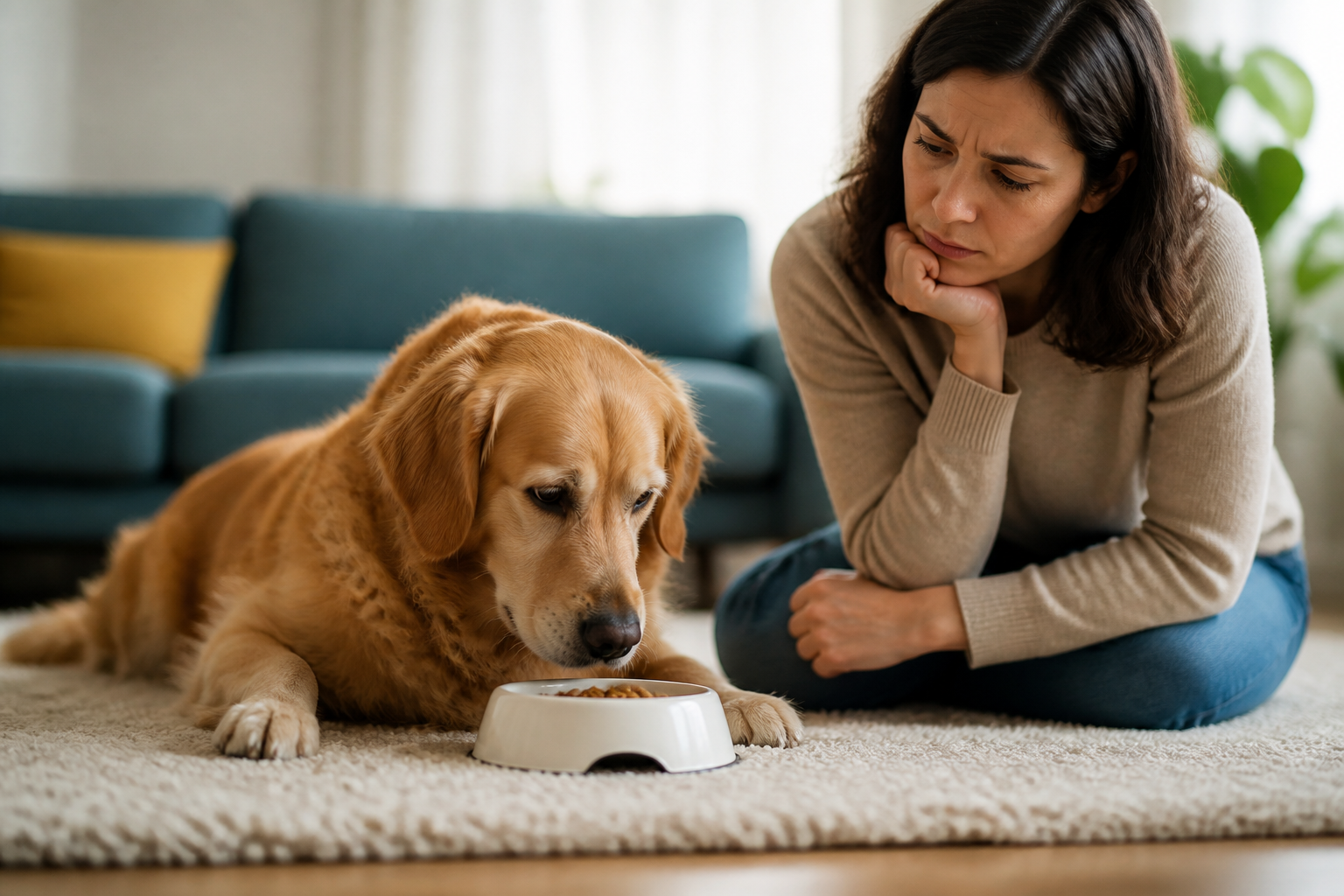
You decided to start your dog on a probiotic to help with their sensitive stomach or itchy skin. You hoped for a shiny coat and perfect digestion. Instead, you are now cleaning up a mess on the rug and wondering what went wrong. It feels like a contradiction to give a gut health supplement only for it to cause a bathroom emergency. At BaxterBoo, we talk to pet owners every day who are navigating these exact hurdles while trying to do the best for their furry family members. This post covers why probiotics can trigger loose stools, what is considered a normal adjustment period, and when you should call your veterinarian for backup. We will also look at how to choose the right strains to keep your dog comfortable. While probiotics are generally very safe, introducing them requires a bit of strategy.
Quick Answer: Yes, probiotics can cause temporary diarrhea in dogs. This usually happens because the gut microbiome is adjusting to a sudden influx of new bacteria or yeast. Most cases are mild and resolve within a few days of lowering the dose or allowing the body to adapt.
The Balancing Act: Why Good Bacteria Can Cause Loose Stools
A dog's gut is home to trillions of microorganisms including bacteria, fungi, and viruses. This ecosystem is known as the microbiome. It handles everything from breaking down nutrients to supporting the immune system. When you introduce a probiotic, you are essentially sending in a new team of "good" bacteria to help manage the neighborhood. Even if these new residents are helpful, the sudden change can disrupt the existing balance.
The gut is very sensitive to its internal environment. When new bacteria arrive, they begin to produce short chain fatty acids as they ferment fibers. These fatty acids are excellent for long term colon health. However, a sudden spike in their production can speed up the movement of the intestines. This faster transit time means the colon has less time to absorb water from the waste. The result is loose stools or diarrhea.
This reaction does not mean the probiotic is bad for your dog. It often means the dose was too high for a starting point or the gut needs time to recalibrate. Think of it like starting a new workout routine. If you run five miles on your first day, your muscles will be sore. If you start with a short walk, your body adapts much more easily.
Identifying Normal Side Effects vs. Red Flags
When you start any new supplement, you should keep a close eye on your dog's behavior and bathroom habits. Most probiotic side effects are mild and disappear quickly.
Common adjustment signs include:
- Mild gas or flatulence
- Softer stools than usual
- Slightly more frequent bowel movements
- Temporary gurgling sounds in the stomach
These signs usually show up within the first 24 to 48 hours of starting the supplement. If your dog still has a great appetite and plenty of energy, you can usually wait it out for a day or two. However, not every digestive upset is a simple adjustment. You must be able to tell the difference between a minor gut shift and a serious reaction.
Key Takeaway: Digestive adjustment is common when starting probiotics, but it should never make your dog feel truly sick. If your dog is acting like their normal self despite the loose stools, it is likely a temporary transition.
When to Consult Your Veterinarian
Probiotics are supplements, but they still affect the body's core functions. If the diarrhea is severe or accompanied by other symptoms, it is time to put the supplement away and call the clinic. Do not try to push through if your dog seems miserable.
Vet Tip: Seek professional veterinary advice immediately if you see blood in the stool, if your dog is vomiting, or if they seem very lethargic. Diarrhea can quickly lead to dehydration, especially in puppies or senior dogs. Your vet can determine if the issue is a simple intolerance or an underlying infection that needs medication.
Our pharmacy at BaxterBoo offers a range of FDA-approved medications and prescription diets through our partnership with Pet's Choice. If your dog has a chronic GI condition that requires more than just an over the counter supplement, your vet may recommend a prescription path. This is especially important for dogs with compromised immune systems who may react poorly to live bacterial cultures. Explore our pet pharmacy when your veterinarian recommends a prescription option.
How to Introduce Probiotics Without the Mess
The most common mistake pet owners make is giving the full recommended dose on day one. Even though the label provides a serving size based on weight, every dog's internal chemistry is different. A slow approach is almost always the better choice.
Step 1: Start with a fraction of the dose. / Give your dog one quarter or one half of the recommended amount for the first three to five days.
Step 2: Monitor stool consistency. / Watch for any signs of gas or loose stools. If things look good, you can move to the next step.
Step 3: Gradually increase the amount. / Slowly add more of the supplement over the next week until you reach the full dose.
Step 4: Maintain a consistent routine. / Give the probiotic at the same time every day to help the gut stay regulated.
Following this gradual transition allows the microbiome to shift slowly. This reduces the risk of the "die off" effect, where bad bacteria are crowded out too quickly, releasing toxins that can cause temporary discomfort.
Choosing the Right Probiotic Strains
Not all probiotics are created equal. Different strains of bacteria perform different jobs in the gut. If you choose a product that is not designed for dogs, or one that contains poor quality ingredients, the risk of diarrhea increases. We carry a variety of trusted brands like Zesty Paws and Honest Paws that formulate products specifically for canine physiology.
Look for these beneficial strains on the label:
- Enterococcus faecium: This is one of the most common strains for dogs. It is known for helping to shorten the duration of diarrhea episodes.
- Lactobacillus acidophilus: This strain supports the immune system and helps with nutrient absorption.
- Bifidobacterium animalis: This is often used to manage acute diarrhea and improve overall stool quality.
- Bacillus coagulans: This is a hardy, spore forming bacterium that survives the harsh environment of the stomach to reach the intestines.
The quality of the inactive ingredients also matters. Some dogs are sensitive to the flavors, binders, or fillers used in chews and powders. If your dog has a known allergy to chicken or beef, make sure the probiotic flavor is safe for them. A reaction to a flavoring agent can often be mistaken for a reaction to the probiotic itself.
The Role of Prebiotics and Synbiotics
You might notice the word "prebiotic" on many supplement labels. Prebiotics are types of fiber that act as food for the good bacteria. While they are very helpful, they can also cause gas and loose stools if introduced too quickly.
Many modern supplements are "synbiotics." This means they contain both probiotics (the live bacteria) and prebiotics (the food). These products are highly effective because they provide everything the gut needs in one package. However, the extra fiber in a synbiotic can sometimes be the real culprit behind your dog's extra gas. If your dog is particularly sensitive, you might look for a probiotic-only formula first, then slowly add fiber later.
Bottom line: A slow introduction is the best way to prevent diarrhea regardless of which strains or brands you choose.
Managing Your Dog's Environment During the Transition
Probiotics are often used during times of change, such as boarding, traveling, or switching foods. These situations already cause stress, which can lead to a nervous stomach. If you add a new probiotic right in the middle of a move or a holiday, it might be too much for your dog's system to handle at once.
If you know a stressful event is coming up, try to start the probiotic at least two weeks in advance. This gives the gut plenty of time to stabilize before the stress of the event hits. If your dog is currently taking antibiotics, talk to your vet about the timing. Antibiotics kill both good and bad bacteria. Most experts recommend giving the probiotic a few hours before or after the antibiotic dose so the medicine doesn't immediately neutralize the supplement.
Using our Autoship program is a great way to ensure you never run out of the supplements your dog needs. Consistency is key for gut health. If you stop and start probiotics frequently, your dog's gut has to go through the adjustment phase every single time.
When Probiotics Aren't the Answer
Sometimes, diarrhea persists even after you stop the supplement or lower the dose. In these cases, the probiotic might just be highlighting an existing issue rather than causing a new one. Chronic loose stools can be a sign of food intolerances, parasites, or more serious conditions like Inflammatory Bowel Disease.
If your dog has ongoing digestive struggles, a simple supplement may not be enough. This is where a veterinary consultation becomes vital. Your vet might suggest a transition to a prescription diet from our pharmacy. These diets are formulated with highly digestible proteins and specific fiber blends to soothe the intestinal lining. Through our partnership with Pet's Choice, we can help you get these specialized foods delivered right to your door.
Key Takeaway: Probiotics are a tool, not a cure-all. They work best as part of a comprehensive wellness plan that includes high quality food and regular veterinary checkups.
Shopping for Quality and Value
We know that choosing from hundreds of options can feel overwhelming. At BaxterBoo, we curate our selection to include only products we would give to our own pets. Since 2006, we have focused on providing value without compromising on quality.
When comparing products, do not just look at the price. Look at the CFU count, which stands for Colony Forming Units. This tells you how many live bacteria are in each serving. A higher number is not always better for every dog, but it gives you a sense of the product's potency. You should also check for the NASC Quality Seal. This seal indicates that the manufacturer has passed a comprehensive third party audit and maintains high standards for labeling and quality control.
If you are a frequent buyer, our MVP Rewards program allows you to earn points on every supplement purchase. This can help offset the cost of maintaining your dog's health routine over the long term.
Summary of Best Practices
Introducing a probiotic should be a positive step for your dog's health. To ensure success and avoid a messy cleanup, keep these points in mind:
- Always start with a small amount and work your way up to the full dose over one to two weeks.
- Choose a product specifically formulated for dogs with clearly labeled strains.
- Check for fillers or flavors that might trigger an existing allergy.
- Give the supplement with a meal to help protect the bacteria as they pass through the stomach.
- Be patient. It can take up to four weeks to see the full benefits of a probiotic on your dog's skin, coat, and digestion.
- Monitor your dog's energy and appetite. If they seem sick, stop the supplement and call your vet.
Probiotics are an excellent way to support your dog through all stages of life, from playful puppyhood to the senior years. By understanding how they affect the gut, you can navigate the occasional bout of loose stools with confidence.
FAQ
How long does it take for probiotic diarrhea to stop?
In most healthy dogs, diarrhea caused by a new probiotic should resolve within two to three days after you reduce the dose or stop the supplement. If the loose stools continue for more than 48 hours despite these changes, you should consult your veterinarian. Persistent diarrhea can lead to dehydration and may indicate an underlying health issue.
Can I give my dog human probiotics if they have a sensitive stomach?
While human probiotics are generally not toxic to dogs, they are not ideal. A dog's gut microbiome is different from a human's, and the strains found in human supplements may not colonize effectively in a canine digestive tract. Additionally, some human products contain xylitol or other sweeteners that are highly toxic to dogs. It is always safer to use a product designed specifically for pets.
Should I stop the probiotic if my dog gets gas?
Mild gas is a very common side effect and usually means the bacteria are working to ferment fibers in the gut. If the gas is not accompanied by pain, bloating, or severe diarrhea, you do not necessarily need to stop. You may want to stay at the current dose for a few extra days before increasing it to allow the gut more time to adapt.
Is it better to give probiotics on an empty stomach or with food?
Most experts recommend giving probiotics with a meal. The food helps buffer the stomach acid, which gives the live bacteria a better chance of surviving the journey into the small and large intestines. However, always check the specific instructions on your product's label, as some formulations are designed for better absorption between meals.