
 Save 15% on your 1st Autoship learn more

 Email us
 Live Chat
 FAQs
FAQs





Introduction
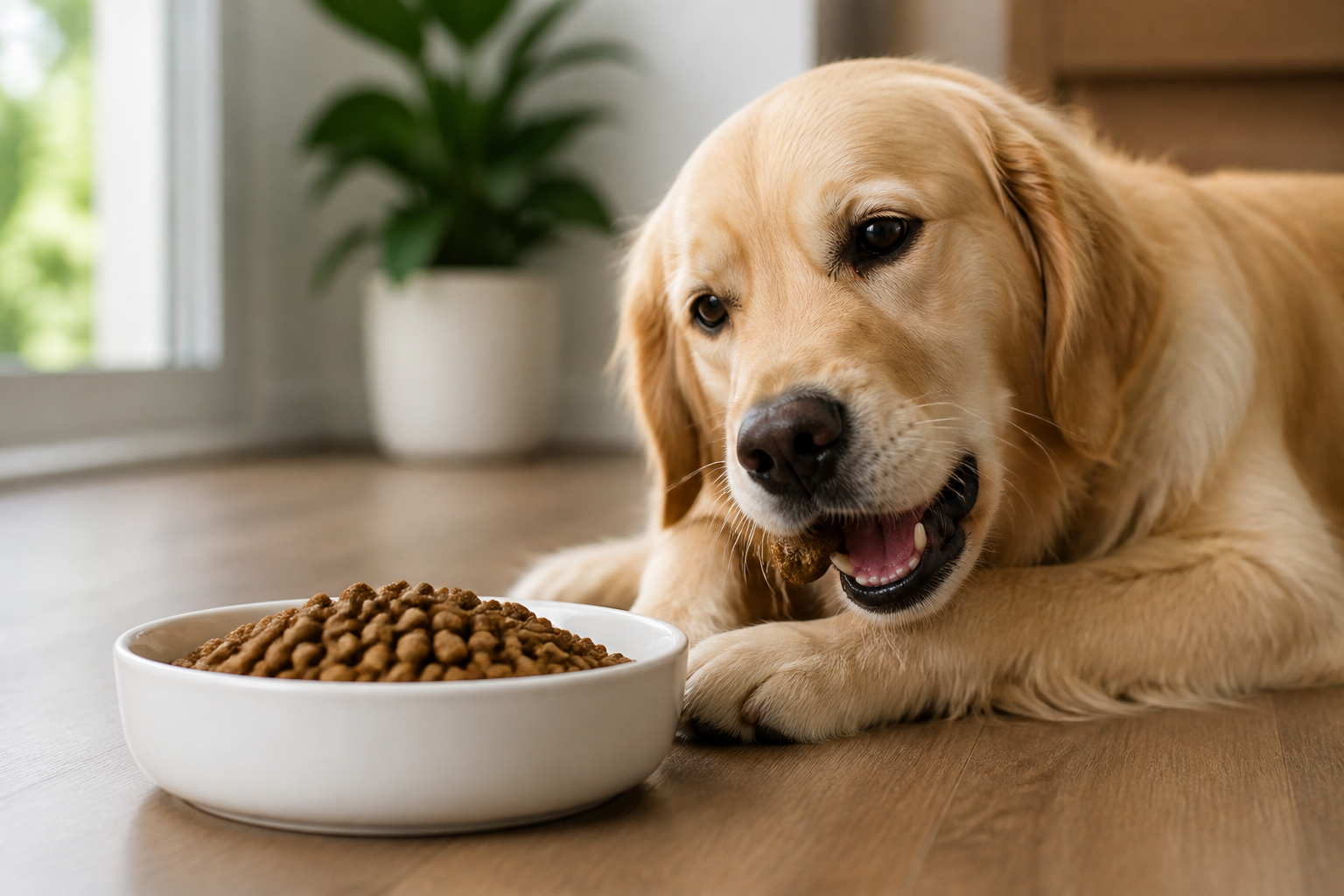
You hear the loud crunching from the kitchen and feel a sense of relief. Many pet owners believe that the hard texture of dry food acts like a toothbrush, scraping away plaque and tartar as their dog eats. It is one of the most persistent myths in the pet industry. We often hear from customers at BaxterBoo who want to know if they can skip the toothbrushing if they provide a high-quality kibble.
This article explores the actual scientific evidence regarding dry food and oral health. We look at major veterinary studies, the mechanics of how dogs chew, and why the "kibble cleans teeth" theory often falls short. You will learn the difference between standard maintenance diets and specialized dental foods. Understanding these facts helps you build a better routine to keep your dog healthy and pain free.
Quick Answer: Scientific evidence shows that standard dry kibble provides very little dental cleaning benefit for most dogs. While specialized dental diets with the VOHC seal can help, most kibble shatters too quickly to scrape the teeth effectively.
The Origins of the Kibble Myth
The idea that dry food cleans teeth stems from a simple comparison to human snacks. If you eat something crunchy, you might feel it rubbing against your teeth. For decades, the general assumption was that the abrasive nature of a hard pellet would wear down plaque. Early observations in the 1930s and 1960s suggested that dogs on dry diets had cleaner mouths than those on soft, canned food. These early findings created a long-standing belief among both pet owners and some veterinary professionals.
The comparison is flawed because of how dogs actually eat. Most dogs do not chew their food thoroughly. They have "carnassial" teeth designed for shearing and crushing, not grinding. Many dogs swallow kibble whole or only break a piece once before swallowing. This means the food has almost no contact time with the tooth surface.
What the Evidence Actually Shows
Modern veterinary research has challenged the old assumptions about dry food. A landmark study published in 1996 looked at over 1,300 client owned dogs. The researchers examined levels of dental tartar, gingivitis, and bone loss. They found few significant differences between dogs that ate only dry food and those that ate other types of diets. This suggests that the "crunch" of standard kibble is not a substitute for oral hygiene.
However, size and texture do matter in specific contexts. A 2007 study on beagles found that increasing kibble size by 50 percent led to a 42 percent decrease in tartar. When the kibble is larger, the dog is forced to bite into it rather than swallowing it whole. This provides more mechanical scrubbing.
The Problem with the Shatter Effect
Standard kibble is designed to be brittle. When a dog’s tooth hits a normal piece of dry food, the pellet shatters instantly. This happens before the tooth can penetrate deep enough into the kibble to experience any cleaning action.
The fragments of the shattered kibble then mix with saliva. Because many dry foods are high in refined carbohydrates and starches, these fragments can actually become sticky. Instead of cleaning the teeth, the starchy residue can coat the teeth and provide a food source for the bacteria that cause plaque.
Key Takeaway: Standard kibble shatters too quickly to provide mechanical cleaning. The starch in many dry foods can actually contribute to plaque buildup if not brushed away.
Specialized Dental Diets vs. Standard Kibble
There is a major difference between a "dry food" and a "dental diet." Some brands, such as Royal Canin or Farmina Vet Life, create specific formulations designed for oral health. These are often available through our pet pharmacy if your veterinarian recommends them.
Specialized dental diets use a specific structural matrix. Instead of shattering, these kibbles are more fibrous. They are designed to hold together as the tooth sinks into the pellet. This creates a "squeegee" effect that wipes the tooth surface all the way down to the gumline.
What to Look for in a Dental Diet
- VOHC Seal: The Veterinary Oral Health Council (VOHC) awards a seal to products that meet rigorous testing standards for reducing plaque or tartar.
- Larger Kibble Size: This encourages chewing and mechanical contact.
- Fiber Alignment: The way fibers are arranged in the kibble determines if it shatters or if it scrubs.
- HMP Coating: Some diets are coated with sodium hexametaphosphate, which helps prevent minerals in saliva from hardening into tartar.
Vet Tip: If you are concerned about your dog's dental health, look for the VOHC seal on food and treat packaging. This ensures the product has been scientifically proven to reduce plaque or tartar.
Nutrients That Support Oral Health
Dental health is not just about the physical scraping of the teeth. It is also about managing inflammation and the microbiome of the mouth. The ingredients in the food play a role in how the gums respond to bacteria.
Fatty Acids and Inflammation
Omega-3 fatty acids are well known for supporting joint health, but they also help manage periodontal inflammation. Chronic gum disease is an inflammatory condition. By including high-quality fats from sources like fish oil, you can help support the integrity of the gum tissue.
Probiotics and Beneficial Bacteria
Recent studies show that the balance of bacteria in the mouth is just as important as the balance in the gut. Some dental products and foods now include probiotics. These "good" bacteria can crowd out the harmful bacteria that cause bad breath and tooth decay.
Antioxidants
Antioxidants like Vitamin C and Vitamin E support the immune system. They help the body fight off the bacterial load in the mouth. When the gums are healthy and the immune system is strong, the dog is less likely to develop advanced periodontal disease.
The Risks of Natural Alternatives
Many owners turn to bones or extremely hard chews to clean teeth. This can be a dangerous trade-off. While wild ancestors ate bones, they also suffered from high rates of dental fractures.
Bones, antlers, and very hard nylon chews do not give under pressure. A dog’s tooth is often the thing that breaks instead of the chew. We recommend following the "knee cap rule." If you wouldn't want to be hit in the knee with the object, it is likely too hard for your dog's teeth.
For safer options, review our guide to rawhide-free dog chews.
Bottom line: Hard bones can scrape teeth but often cause painful fractures that require expensive extractions.
Why Brushing Remains the Gold Standard
No food or treat can replace manual brushing. Brushing is the only way to effectively remove plaque from below the gumline. This is where the most damage occurs. When plaque stays on the teeth, it mineralizes into tartar within 48 to 72 hours. Once it becomes tartar, it cannot be brushed away and requires a professional cleaning.
For additional guidance, see these pet dental care tips.
Step 1: Introduce the paste. / Use a pet-specific toothpaste on your finger. Let your dog lick it to get used to the flavor. Never use human toothpaste because the fluoride and foaming agents are toxic to dogs.
Step 2: Touch the teeth. / Gently lift the lip and rub your finger along the gums. Do this for a few days until the dog is comfortable with the contact.
Step 3: Introduce the brush. / Use a soft-bristled pet brush or a finger brush. Focus on the outside surfaces of the teeth where the most buildup occurs.
Step 4: Reward the behavior. / Give a small treat or praise after each session. This builds a positive association with the routine.
Professional Care and Anesthesia
Even with the best home care, most dogs will eventually need a professional cleaning. We understand that anesthesia can be a source of anxiety for pet owners. However, a "non-anesthetic" dental cleaning is often more about aesthetics than health.
During a professional cleaning, the veterinarian can take x-rays. This is vital because 70 percent of dental disease happens below the gumline where you cannot see it. Anesthesia allows the vet to clean deeply under the gums and examine every tooth without causing stress or pain to your dog.
Signs Your Dog Needs a Vet Visit
- Persistent Bad Breath: "Doggy breath" is not normal. It is usually a sign of infection.
- Red or Bleeding Gums: Healthy gums should be a light pink color.
- Changes in Eating Habits: If your dog starts dropping food or only eating on one side, they may be in pain.
- Loose or Discolored Teeth: Brown or yellow buildup is tartar that needs professional removal.
For more information about warning signs, read how to recognize hidden dental problems in dogs.
Vet Tip: Many dogs will continue to eat even if they have a broken tooth or a painful abscess. Do not wait for your dog to stop eating before seeking veterinary care for dental issues.
Summary of Feeding Options for Dental Health
| Food Type | Dental Benefit | Evidence Level |
|---|---|---|
| Standard Maintenance Kibble | Very Low | Minimal evidence for cleaning. |
| Wet / Canned Food | Neutral | Similar to standard kibble in plaque buildup. |
| VOHC Approved Dental Diet | Moderate to High | Proven to reduce plaque and tartar. |
| Raw Meaty Bones | Variable | Can reduce tartar but poses high risk of fractures. |
| Dental Chews (Greenies, etc.) | Moderate | Effective when used daily alongside brushing. |
Conclusion
The evidence is clear: you cannot rely on standard dry kibble to keep your dog's teeth clean. While certain specialized diets provide a significant benefit, they are most effective when used as part of a broader dental plan. This should include daily brushing, regular checkups, and the use of VOHC approved treats.
At BaxterBoo, we want to help you provide the best possible care for your pet. We carry over 500 trusted brands, including dental treats like Greenies and Kong toys that provide safe mechanical cleaning. For those who need prescription diets, our pharmacy through Pet's Choice is a convenient resource for your veterinary needs. You can also join the MVP Rewards program to earn points on every dental care purchase. Taking small steps today can prevent painful dental issues for your dog in the future.
FAQ
Does dry food really scrape plaque off a dog's teeth?
Standard dry kibble usually shatters as soon as a dog bites it, which means it does not provide enough friction to scrape off plaque. Only specialized dental diets are designed with a texture that stays together long enough to scrub the tooth surface. For most dogs, the mechanical benefit of eating regular kibble is negligible.
Is wet food worse for a dog's teeth than dry food?
Research shows that both wet and dry foods contribute to plaque formation. While wet food can sometimes stick in the crevices of the teeth more easily, the starchy residue from dry food also feeds oral bacteria. Neither food type is a substitute for regular brushing or professional dental cleanings.
How can I tell if a dry food is actually good for dental health?
Look for the Veterinary Oral Health Council (VOHC) seal on the packaging. This seal indicates that the manufacturer has submitted data proving the food reduces plaque or tartar by at least 10 to 20 percent. If the bag does not have this seal, it should be treated as a standard maintenance diet with no specific dental benefits.
Can I give my dog bones to clean their teeth instead of brushing?
While bones can scrape away some tartar, they carry a high risk of breaking teeth and causing intestinal blockages or perforations. Most veterinarians recommend against using hard bones for dental hygiene. Safer alternatives include rubber dental toys and VOHC approved chews that are designed to be flexible and safe for the enamel.






