
 Save 15% on your 1st Autoship learn more

 Email us
 Live Chat
 FAQs
FAQs





Introduction
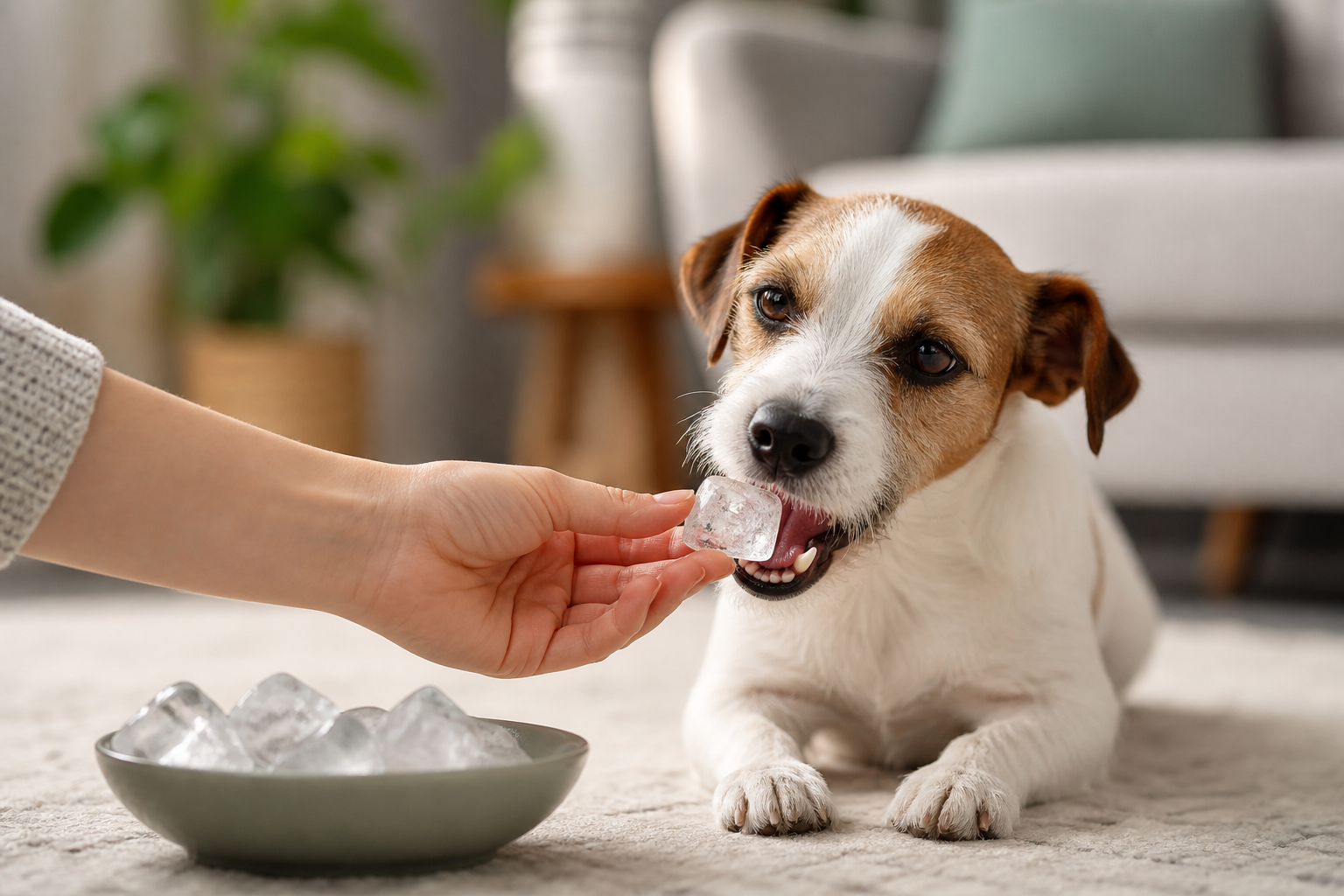
You are standing by the freezer and the ice dispenser makes that familiar whirring sound. Your dog is already at your feet. They are waiting for a stray cube to hit the floor. Many pet owners wonder if this crunchy snack is actually doing some good for their dog's oral health. At BaxterBoo, we love finding simple ways to keep our pets healthy. It would be wonderful if a free treat like ice could replace a toothbrush. However, the reality of canine dental care is a bit more complex. This article explains why ice is not a cleaning tool and how you can safely give your dog frozen treats without risking a trip to the dentist.
Quick Answer: Ice does not clean a dog's teeth. It lacks the abrasive surface needed to scrub away plaque or tartar. Hard ice cubes can actually cause painful tooth fractures or enamel wear.
The Myth of Ice as a Dental Tool
The idea that ice cleans teeth usually comes from the sound of the crunch. It feels like the ice is scraping the teeth clean as the dog chews. In reality, ice is too smooth to be effective. Plaque is a sticky film of bacteria that clings to the tooth surface. To remove it, you need something with a textured or porous surface. This is why human toothbrushes have bristles and dog dental chews have ridges.
Ice melts almost immediately upon contact with saliva. This means it does not stay solid long enough to provide any meaningful mechanical cleaning. While it might knock off a tiny piece of food debris, it does nothing for the bacteria hiding under the gumline. If your goal is to reduce bad breath or prevent tartar buildup, ice is not the solution.
Why Texture Matters
A dog's mouth is a complex environment. Saliva and food particles combine to form plaque within hours of eating. If this plaque is not physically removed, it hardens into tartar. Tartar is much like concrete. You cannot remove it with water or ice. You need specific tools designed to break that bond. We carry many products at BaxterBoo that are specifically designed with these textures in mind, including options in our dog dental treats category.
The Problem with Smooth Surfaces
Think about how you clean your own dishes. If you have a plate with dried food, simply running cold water over it will not make it clean. You need a sponge or a brush to scrub the surface. A dog's tooth is the same. Ice is essentially just frozen water. It has no "grip." When a dog bites down on it, the ice usually shatters or slides away without cleaning the enamel.
Key Takeaway: Ice lacks the necessary friction to remove plaque. Relying on ice for dental health can lead to a false sense of security while tartar continues to build up.
Potential Risks of Giving Dogs Hard Ice
While ice seems harmless, it can actually be quite dangerous for certain dogs. The biggest concern is the hardness of the cube. Veterinary dentists often use the "fingernail test" for dog toys. If you cannot indent the item with your thumbnail, it is likely too hard for your dog's teeth. Ice cubes almost always fail this test.
Tooth Fractures and Enamel Wear
A dog's premolars and molars are designed for crushing. However, they have limits. Biting down on a rock-hard ice cube can cause a slab fracture. This is a type of break where a large chip of the tooth flakes off. This often exposes the sensitive pulp and nerves inside the tooth. This is extremely painful and usually requires a professional extraction or a root canal.
Even if the tooth does not break immediately, frequent ice chewing can wear down the enamel. Enamel is the protective outer layer of the tooth. Once it is gone, it does not grow back. Thin enamel makes teeth more sensitive to heat and cold. It also makes the teeth more prone to decay and future breaks.
Choking Hazards
The shape of a standard ice cube can be a problem. If a dog tries to swallow a cube whole, it can get stuck in their throat. This is a particular risk for smaller breeds or "gulpers" who do not chew their food thoroughly. While ice eventually melts, it can cause a few terrifying minutes of respiratory distress before it does.
The Debate on Ice and Bloat
You may have seen warnings online about ice causing bloat. Bloat, or Gastric Dilatation-Volvulus (GDV), is a life-threatening condition where the stomach twists. Current veterinary research suggests that ice itself does not cause bloat. The real danger is when a dog gulps down a large amount of ice or water too quickly. This causes them to swallow air. If your dog is prone to bloat, you should always monitor how fast they consume anything, including frozen treats.
Vet Tip: If your dog has existing dental disease or missing teeth, avoid hard ice entirely. Their teeth are already compromised and much more likely to break. Consult your veterinarian for a professional dental exam to check for hidden fractures or gum recession.
When Ice Can Be Beneficial
We do not want to suggest that ice is always bad. When used correctly, it can be a helpful tool for hydration and cooling. You just need to change the format of the ice.
Helping with Hydration
Some dogs are "lazy drinkers." They might not visit the water bowl as often as they should. Dropping a few ice cubes into their water bowl can make drinking more interesting. The movement of the ice can trigger their curiosity. As they try to "catch" the ice, they end up lapping up more water. This is especially helpful during travel or after a long walk.
Cooling Down Safely
On a hot day in Vernon Hills, a cold treat is a great way to help your dog regulate their temperature. However, you should never use ice to treat a dog that is already suffering from heatstroke. Bringing a dog's temperature down too quickly with ice can cause their blood vessels to constrict. This actually traps heat deep inside the body. For a dog that is simply warm, shaved ice or small ice chips are a much safer way to provide relief.
Soothing Teething Puppies
Puppies go through a lot of discomfort when their adult teeth come in. Their gums feel sore and inflamed. A cold sensation can provide temporary relief. Instead of hard cubes, we recommend using something softer. A frozen washcloth or a chilled rubber toy can provide the same cooling effect without the risk of breaking those brand-new teeth.
Bottom line: Ice is a cooling and hydration aid, not a dental cleaning tool.
How to Safely Offer Frozen Treats
If your dog loves frozen snacks, you do not have to stop giving them. You just need to prepare them in a way that protects their mouth. Changing the texture and adding flavor can turn a risky ice cube into a safe enrichment activity.
Step 1: Choose a safe base. / Use plain water, low-sodium chicken broth, or diluted unsweetened coconut water. Avoid anything with xylitol or high salt content.
Step 2: Change the texture. / Instead of using a standard ice tray, use a blender to create "snow" or shaved ice. This removes the risk of tooth fractures and choking.
Step 3: Add healthy inclusions. / Drop in a few blueberries, small pieces of carrot, or a bit of canned dog food. This encourages licking rather than aggressive crunching.
Step 4: Use a flexible mold. / Use silicone molds in fun shapes. Silicone is flexible and makes it easier to pop out the treats. These smaller, thinner shapes are less likely to damage teeth.
Step 5: Supervise the session. / Always watch your dog while they enjoy a frozen treat. If they start trying to swallow large chunks, take the treat away and let it melt a bit more.
Healthy Frozen Recipes
- The Broth Block: Freeze low-sodium beef broth in a muffin tin. These larger, flatter discs encourage licking.
- The Fruity Freeze: Puree watermelon (seedless) and freeze it into small cubes.
- The Yogurt Drop: If your dog tolerates dairy, small drops of plain Greek yogurt can be frozen on a cookie sheet.
Real Solutions for Clean Teeth
If ice does not work, what does? Keeping your dog's mouth healthy requires a multi-pronged approach. You should aim for a routine that includes physical cleaning and healthy chewing habits. For additional guidance, see these pet dental care tips.
Brushing is the Gold Standard
There is no substitute for a toothbrush. Brushing physically breaks up the biofilm of plaque before it can harden. You should use a toothbrush specifically designed for dogs and pet-safe toothpaste. Never use human toothpaste. It contains ingredients like fluoride and xylitol that are toxic to dogs. We recommend trying to brush at least three times a week.
Dental Chews and Treats
High-quality dental treats like Greenies are designed to be effective. They have a specific texture that allows the tooth to sink into the treat. This creates a scrubbing action along the entire surface of the tooth. These treats also often contain ingredients that help freshen breath and break down plaque chemically. You can explore our selection of Greenies products.
Dental Toys
Toys like a Kong can be used for more than just treats. Chewing on rubber toys helps stimulate saliva flow. Saliva is a natural defense against bacteria. You can even smear a little pet-safe toothpaste inside a textured toy. As the dog licks and chews, they are inadvertently cleaning their teeth.
Professional Veterinary Care
Even with perfect home care, most dogs will eventually need a professional cleaning. Your veterinarian can clean below the gumline where a toothbrush cannot reach. This is also the time when they can take X-rays to check for issues like abscesses or bone loss. Our pharmacy at BaxterBoo offers prescription dental diets through our partnership with Pet's Choice. These specialized foods are formulated to reduce tartar buildup and support gum health for dogs with chronic dental issues.
Key Takeaway: Effective dental care requires mechanical action. Brushing, specialized chews, and professional cleanings are the only ways to truly keep teeth clean.
The Role of Nutrition in Oral Health
What your dog eats every day impacts their teeth. Some kibbles are designed to be "dental diets." These pieces are usually larger and have a fibrous structure. They do not shatter immediately when the dog bites them. Instead, the tooth moves through the kibble, which provides a gentle scrubbing action as your dog chews.
Supplements for Dental Support
In addition to food, there are water additives and powders that can help. These products often use enzymes to break down the proteins that bacteria use to stick to the teeth. While these are not a replacement for brushing, they can be a great "booster" for your dog's dental routine. You can find many of these wellness supplements in our dog dental and breath care collection.
Avoiding Harmful Chews
Just as ice can be too hard, other popular chews can also damage teeth. Avoid giving your dog:
- Dried cow hooves
- Deer or elk antlers
- Large weight-bearing bones from cows
- Hard nylon toys that have no "give"
If you would not want to hit your knee with the item, it is probably too hard for your dog's mouth. Stick to rubber, TPE, or specific dental-grade chews that are designed to yield under pressure.
Signs of Dental Trouble in Dogs
Since dogs cannot tell us when their mouth hurts, we have to look for the signs. Many dogs will continue to eat even if they have a broken tooth or an infection. They are very good at hiding pain. Learn more about warning signs of dental problems in dogs.
- Bad Breath: "Dog breath" is not normal. It is usually a sign of bacterial overgrowth.
- Drooling: Excessive drooling can indicate mouth pain or a stuck object.
- Paw at the Mouth: If your dog is frequently rubbing their face or pawing at their muzzle, they may be uncomfortable.
- Changing Eating Habits: If your dog starts dropping food or only chewing on one side, they may have a painful tooth.
- Red or Bleeding Gums: Healthy gums should be a light pink. Redness or bleeding during play is a sign of gingivitis.
Vet Tip: Perform a "home mouth check" once a week. Lift your dog's lips and look for yellow-brown buildup or red gums. If you see anything unusual, schedule a visit with your veterinarian. Early intervention can prevent expensive extractions later.
Conclusion
Ice is a wonderful way to keep your dog hydrated and cool, but it is not a replacement for dental care. The risks of broken teeth and enamel wear are far greater than any minor cleaning benefit ice might provide. To keep your dog's smile healthy, stick to a routine of regular brushing, high-quality dental treats, and professional veterinary checkups. If your vet prescribes a specific dental diet or medication, our pharmacy and Pet's Choice partnership are here to help you get exactly what you need.
For the best results, look into the MVP Rewards programme to save on your regular dental chews and supplies. Keeping those teeth clean is a lifelong commitment, but it is one of the best things you can do for your dog's overall health.
FAQ
Can ice cubes help prevent dehydration in dogs?
Yes, ice cubes can encourage dogs to take in more fluids, especially if they enjoy playing with the cubes. You can drop them into a water bowl to make drinking more engaging or offer small ice chips during travel. However, ice should always be a supplement to a constant supply of fresh, clean liquid water.
Can eating ice cause my dog's teeth to break?
It certainly can. Ice is very dense and does not have any "give" when a dog bites down. This can lead to slab fractures on the large chewing teeth or wear down the protective enamel over time. To avoid this risk, it is much safer to offer your dog shaved ice or soft frozen treats.
Should I give ice to a dog that is overheated?
You should be very careful when using ice for a warm dog. While a few ice chips can help a slightly warm dog cool down, you should never use ice or very cold water to treat a dog with suspected heatstroke. Rapid cooling can cause the blood vessels to shrink, which prevents the dog's core temperature from dropping safely. Use room-temperature water and call your vet immediately if you suspect heatstroke.
Do frozen treats replace the need for brushing?
No, frozen treats do not replace regular brushing or professional dental cleanings. While some frozen treats can encourage licking and saliva flow, they do not provide the mechanical scrubbing needed to remove plaque. Brushing with pet-safe toothpaste remains the most effective way to maintain your dog's oral health at home.






