
 Save 15% on your 1st Autoship learn more

 Email us
 Live Chat
 FAQs
FAQs





Introduction
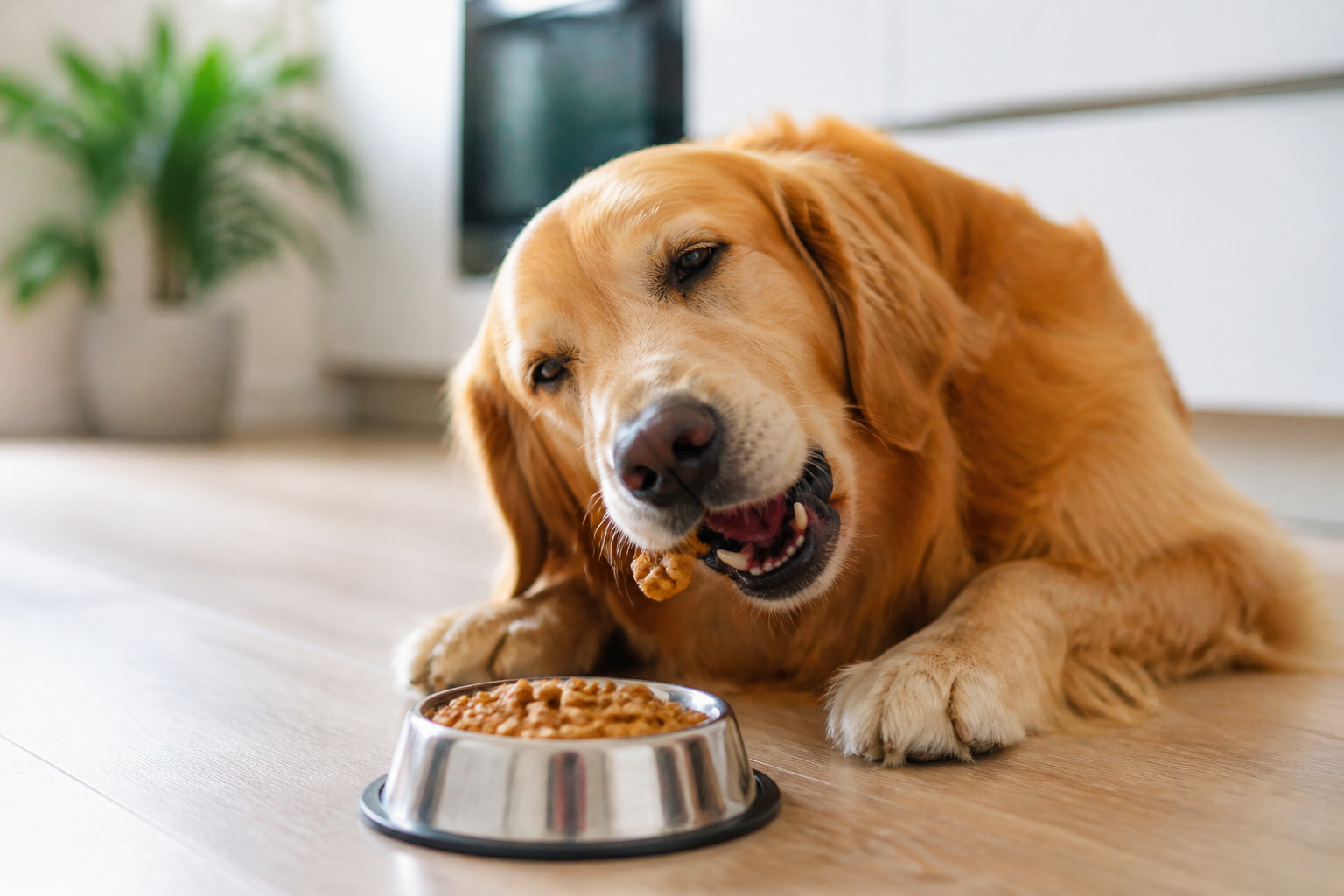
You likely hear the distinct crunch of kibble hitting your dog's bowl every morning and evening. For years, a common piece of wisdom has circulated among pet owners. Many believe that the hard, abrasive texture of dry food acts like a tiny toothbrush for a dog. The idea is that as they chew, the kibble scrapes away plaque and keeps their gums healthy. It is a comforting thought for any busy pet owner. If the food does the cleaning, it means one less chore on the daily to-do list.
At BaxterBoo, we talk to dog owners every day who are looking for the best way to maintain their pet's health. We know you want clear answers that cut through the marketing noise. This post explores whether standard dry food actually provides any dental benefits. We will look at the science behind kibble and provide practical steps for a better oral care routine. While some food can help, the reality of dental health is more complex than just a crunchy meal.
Quick Answer: Standard kibble generally does not clean a dog's teeth effectively. Most kibble is too small and brittle. It shatters upon contact with the tooth rather than providing the abrasive action needed to remove plaque below the gumline.
The Myth of the Crunchy Cleanser
The belief that kibble cleans teeth is one of the most persistent myths in the pet industry. It sounds logical on the surface. We know that abrasive surfaces can remove buildup. However, most commercial kibble is designed to be easy for dogs to eat. It is often small in size and relatively brittle. When a dog bites down on a standard piece of dry food, the pellet shatters almost instantly.
This shattering means the food does not have enough time or resistance to actually scrub the surface of the tooth. Even worse, many dogs do not chew their kibble thoroughly. Some dogs are gulpers who swallow the pellets whole. Even for dogs that do chew, the contact time between the food and the tooth is minimal. It is not enough to make a dent in the bacterial film known as plaque.
Another issue is where the cleaning needs to happen. Plaque and tartar cause the most damage at and below the gumline. This is where periodontal disease starts. Because kibble shatters at the tip of the tooth, it never reaches the critical areas near the gums. Relying on dry food alone for dental hygiene often leads to a false sense of security while dental disease progresses quietly beneath the surface. For more ways to support your dog's mouth at home, explore our dog dental care collection.
What Science Says About Dry Food and Dental Health
Veterinary researchers have studied this topic for decades. The results are often mixed, but they lean toward a consistent conclusion. Standard dry food is not a replacement for dental care. A famous study from 1996 looked at over 1,300 dogs. It found that there was very little difference in the levels of dental plaque or tartar between dogs fed dry food and those fed other diets.
However, more recent research has shown that the physical characteristics of the food do matter. A 2007 study found that increasing the size of a kibble pellet by 50 percent could lead to a significant decrease in tartar buildup. The larger size forced the dogs to chew more deliberately. This increased the mechanical scrubbing action on the teeth.
It is also important to distinguish between "standard" kibble and "dental" kibble. Standard kibble is what you find in most grocery stores and pet shops. It is formulated for nutrition but not specifically for tooth cleaning. Specialized dental diets are different. These are often prescription foods or products with specific seals of approval. They are engineered with a specific fiber matrix that does not shatter. Instead, the tooth sinks into the pellet, allowing the fibers to scrub the tooth surface as the dog chews. You can compare available options in our dental-health dry dog food selection.
Key Takeaway: Standard kibble is rarely abrasive enough to clean teeth. While larger kibble can help slightly, it does not replace the need for active dental care like brushing.
How Ingredients Affect the Oral Microbiome
The physical texture of the food is only half of the story. We also have to look at what the food is made of. Many commercial kibbles are high in carbohydrates and starches. These ingredients are necessary to hold the kibble together in its shape. The problem is that starches break down into simple sugars in the mouth.
Sugar is the primary fuel for the bacteria that live on a dog's teeth. These bacteria consume the sugars and produce acid as a byproduct. This acid contributes to the formation of plaque. If the plaque is not removed, it mineralizes into tartar within about 48 to 72 hours. Tartar is much harder and cannot be brushed away at home.
When a dog eats a diet very high in simple carbohydrates, they may actually be feeding the very bacteria that cause dental decay. This is why some veterinarians suggest that a kibble-only diet might actually contribute to dental issues in some dogs. Choosing a high quality food with better ingredient profiles is a good start. Look for foods that use complex carbohydrates and avoid those with added sugars or heavy fillers.
The Role of Specialized Dental Diets
If you are looking for a food that actually assists with dental hygiene, you need to look for specific markers. The most important one is the Veterinary Oral Health Council (VOHC) seal. This organization reviews data from manufacturers to see if a product actually reduces plaque or tartar by a certain percentage.
Specialized dental diets work in a few unique ways:
- Fiber Matrix: The kibble is woven in a way that allows the tooth to penetrate the pellet without it breaking. This provides a squeegee effect on the tooth.
- Larger Pellet Size: Larger pieces encourage more chewing and longer contact time with the teeth.
- Chemical Coating: Some dental diets are coated with polyphosphates. These minerals help prevent plaque from mineralizing into hard tartar.
Our pharmacy at BaxterBoo carries several of these specialized diets through our partnership with Pet's Choice. These often require a prescription from your veterinarian. They are formulated to be complete nutritional meals while also serving as a daily dental treatment. If your dog is prone to heavy tartar buildup, our pet pharmacy might be a practical tool for your toolkit.
Vet Tip: If your dog already has heavy tartar buildup or red, inflamed gums, a change in food will not fix the problem. You should consult your veterinarian for a professional dental cleaning before starting a new dental diet.
Signs of Dental Disease to Watch For
Since we know kibble is not doing all the work, it is up to us to monitor our dogs' oral health. Dental disease is extremely common. Estimates suggest that 80 percent of dogs over the age of three have some form of periodontal disease. It is often a "silent" condition because dogs are very good at hiding pain. They will often continue to eat even if their teeth or gums are hurting. For a closer look at warning signs, read how to recognize signs of bad teeth in dogs.
Watch for these common red flags:
- Persistent Bad Breath: "Dog breath" is not something that should just be accepted. Foul odors usually indicate a bacterial infection.
- Red or Swollen Gums: Healthy gums should be a soft pink. Redness along the gumline is a sign of gingivitis.
- Visible Tartar: Look for yellow or brown crusty deposits near the gums.
- Changes in Chewing: If your dog starts dropping food or only chewing on one side of their mouth, they may be in pain.
- Pawing at the Face: This can indicate discomfort in the mouth or jaw.
Creating a Better Dental Routine
If kibble is not the answer, what is? The gold standard for dog dental care is daily brushing. It might sound daunting, but it is the most effective way to remove plaque before it turns into tartar. Even brushing a few times a week is significantly better than not brushing at all. These dog dental care tips can help you build a manageable routine.
Step 1: Get the right tools. / Use a toothbrush designed for dogs and flavored pet toothpaste. Never use human toothpaste. It contains fluoride and xylitol, both of which are toxic to dogs.
Step 2: Introduce the taste. / Let your dog lick a small amount of the flavored toothpaste off your finger. Most dogs enjoy the poultry or beef flavors.
Step 3: Start with the front. / Gently lift your dog's lip and brush the large canine teeth in the front. Use small circular motions.
Step 4: Move to the back. / Gradually work your way toward the back molars. This is where most of the buildup happens. You do not need to worry about the inside surfaces of the teeth as much, as the tongue handles some of that cleaning.
Step 5: Reward and repeat. / Give your dog a treat or praise immediately after. Keep the sessions short and positive.
Alternatives to Brushing
We know that not every dog will tolerate a toothbrush. If brushing is a struggle, you can use other tools to support their health. Dental chews are a popular option. Look for VOHC approved chews that are the right size for your dog's weight. These are designed to be chewed for a longer period, providing more mechanical cleaning than a standard meal. Browse our dental chews for dogs for options to discuss with your veterinarian.
Water additives are another simple addition. These are liquids you add to your dog's water bowl. They contain enzymes or minerals that help break down the biofilm of plaque on the teeth. While they are not as effective as brushing, they are a great "passive" care option for busy owners. A product such as OxyFresh Pet Dental Water Additive may fit easily into a daily routine.
Bottom line: A multi-pronged approach using brushing, dental chews, and specialized food is the best way to prevent dental disease.
The Importance of Professional Cleanings
No matter how well you brush or what you feed, most dogs will still need a professional dental cleaning at some point in their lives. Just like humans visit the dentist twice a year, dogs need expert care. A veterinarian can perform a thorough exam that includes dental X-rays. This is vital because a large portion of dental disease happens below the gumline where you cannot see it.
Professional cleanings are performed under anesthesia. This is the only safe way to clean deep into the gingival pockets and scale the teeth properly. It also allows the vet to remove any teeth that are fractured or abscessed. Anesthesia-free cleanings might make the teeth look white, but they do nothing to treat the underlying health of the gums.
We recommend talking to your vet about your dog's dental health at every annual checkup. They can help you decide if it is time for a professional cleaning. If you are worried about the cost of ongoing care, our FIGO pet insurance partnership offers flexible plans that can help cover unexpected health issues.
Conclusion
Feeding your dog dry food is a great way to provide balanced nutrition, but it is not a shortcut to a clean mouth. Standard kibble simply shatters too easily to provide any real benefit to the gumline. While specialized dental diets and larger kibble sizes can help reduce tartar, they work best when they are part of a larger plan. The most effective way to keep your dog's smile healthy is a combination of regular brushing, high quality dental chews, and routine veterinary visits.
To stay on top of your dog's oral health, consider these next steps:
- Schedule a dental checkup with your veterinarian.
- Start a slow and positive tooth brushing routine at home.
- Look for VOHC approved dental treats to use as rewards.
- Consider a specialized dental diet if recommended by your vet.
Our pharmacy at BaxterBoo is here to support your dog's health journey. Through our partnership with Pet's Choice, we offer a wide range of FDA-approved medications and prescription diets designed to manage dental health and other chronic conditions. If you regularly purchase dental care supplies, our Autoship programme can make recurring orders more convenient.
Bottom line: Real dental health happens through active care and professional guidance, not just the crunch of a kibble bowl.
FAQ
Does wet food cause more dental problems than dry food?
Wet food does not inherently cause dental disease, but it can contribute to plaque buildup more quickly because it is soft and sticky. It lacks any abrasive qualities and can easily get trapped in the crevices of the teeth. If you feed a wet food diet, it is even more important to be diligent with daily tooth brushing and dental chews to compensate for the lack of mechanical cleaning.
Can I use human mouthwash for my dog's bad breath?
No, you should never use human mouthwash or toothpaste for your dog. These products often contain ingredients like alcohol, xylitol, or high levels of fluoride that are dangerous if swallowed. Dogs cannot rinse and spit like humans do, so they will ingest the product. Always use products specifically formulated for pets, such as dog-safe water additives or dental foams.
How often should I have my dog's teeth professionally cleaned?
Most veterinarians recommend a professional dental exam and cleaning once a year, though this varies based on the dog's breed and age. Smaller breeds, such as Chihuahuas or Yorkies, often have crowded teeth and may need cleanings more frequently. Your vet will assess the level of plaque and tartar during your annual wellness visit to determine the best schedule for your specific pet.
Are bones safe for cleaning my dog's teeth?
While some people use raw meaty bones to help clean teeth, they come with significant risks. Very hard bones, such as marrow bones or antlers, can easily fracture a dog's teeth, leading to painful abscesses and expensive extractions. Cooked bones are even more dangerous because they can splinter and cause internal injuries. Many vets recommend using safer, flexible dental chews that have the VOHC seal instead. You can also browse 10 best dental chews for dogs for additional ideas.






