
 Save 15% on your 1st Autoship learn more

 Email us
 Live Chat
 FAQs
FAQs





Introduction
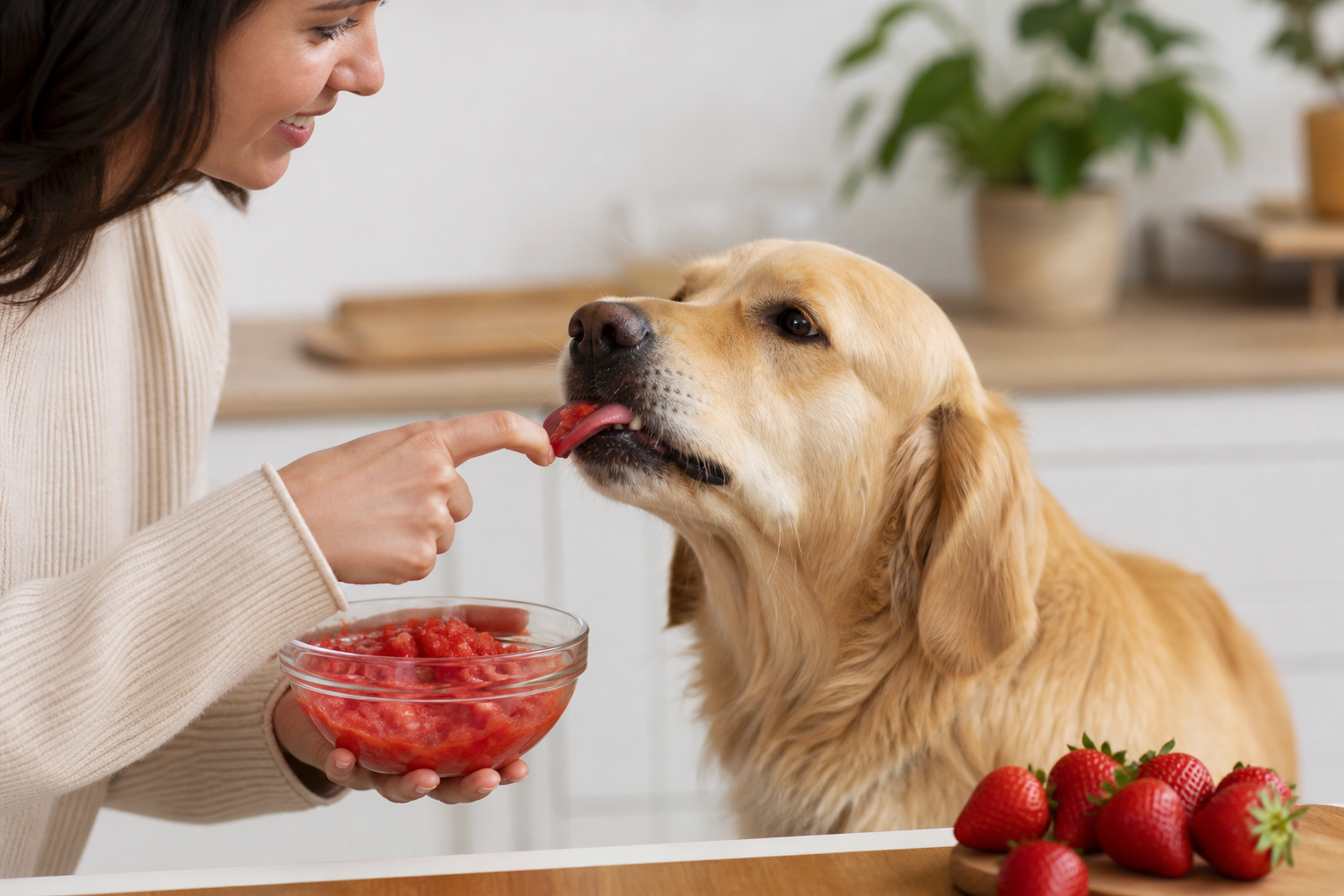
You are relaxing on the porch with a bowl of fresh strawberries and your dog is sitting at your feet with those unmistakable puppy dog eyes. You might have heard a rumor that these red berries can actually help whiten your dog's teeth and remove plaque. It sounds like a perfect win for both snack time and hygiene. At BaxterBoo, we know that pet owners are always looking for natural ways to support their dog's wellness. While strawberries do contain certain beneficial properties, using them for dental care is a bit more complicated than just handing over a berry. This post explores the science behind malic acid, the potential benefits of mashed strawberries, and the risks of sugar in your dog's oral care routine. We want to help you understand if this kitchen remedy is a real solution or just a sweet myth.
Quick Answer: Mashed strawberries contain malic acid, which can help break down surface stains and plaque on a dog's teeth. However, they are not a substitute for brushing because their high sugar content can actually contribute to dental decay if fed in excess.
How Strawberries Interact With Canine Teeth
The idea that strawberries can clean teeth comes from a specific enzyme called malic acid. This acid is a natural astringent that helps remove surface discoloration from the enamel. When you mash the strawberries, you create a paste that allows this acid to stay in contact with the teeth longer than if the dog simply swallowed a whole berry.
Beyond malic acid, strawberries are a powerhouse of Vitamin C. This vitamin is essential for overall gum health and can help manage the inflammation associated with early stage periodontal disease. While humans often use strawberries in DIY whitening kits, the effect on dogs is much milder. It is more about breaking down the film of plaque before it hardens into tartar.
The Role of Malic Acid
Malic acid works by dissolving the sticky proteins that allow bacteria to cling to the tooth surface. Think of it as a very gentle, natural exfoliant for the mouth. For a dog with mild yellowing or light staining from food, the occasional mashed strawberry treat might provide a subtle brightening effect.
The Importance of Mashing
Feeding a whole strawberry is a great treat, but it does very little for dental health. Most dogs will gulp a berry in one or two bites. By mashing the fruit into a pulp, you increase the surface area that touches the teeth and gums. Some owners even choose to use a soft silicone finger brush to rub the mashed strawberry directly onto the canines for maximum exposure to the malic acid.
The Sugar Problem: Why More Isn't Better
While the acid in strawberries helps clean, the sugar in strawberries can do the opposite. Bacteria in the mouth love sugar. When those bacteria feast on the natural fructose in fruit, they produce acid as a byproduct. This acid can erode enamel over time, which is exactly what you are trying to avoid.
If you rely too heavily on fruit to clean your dog's teeth, you might accidentally create an environment where cavities or gum disease can flourish. This is why moderation is the most important rule when using human foods for pet health.
Key Takeaway: Strawberries should be viewed as a supplemental treat rather than a primary dental tool. The sugar content means they cannot replace the mechanical action of a toothbrush or the specialized enzymes in veterinary toothpaste.
Understanding Glycemic Load
Even though strawberries are lower in sugar than many other fruits like bananas or grapes, they still impact a dog's blood sugar. For dogs managing weight issues or diabetes, even a small amount of mashed fruit can be problematic. We always recommend checking with your veterinarian before introducing new fruits into the diet of a dog with underlying health conditions.
Balancing Acid and Sugar
The goal is to get the benefits of the malic acid without the downsides of the sugar. To do this, many owners follow a strawberry "treatment" with a drink of fresh water. This helps rinse the sugar off the teeth while leaving the beneficial nutrients to work on the body from the inside out.
Risks and Preparation Safety
Before you start mashing up a bowl of berries, you need to consider how to prepare them safely. Not every part of the strawberry is ideal for your dog, and some versions of the fruit are downright dangerous.
- Remove the Greens: The leaves and stems are not toxic, but they are fibrous and difficult for dogs to digest. They can lead to an upset stomach or even a minor blockage in very small breeds.
- Wash Thoroughly: Strawberries are frequently treated with pesticides. Use a vegetable wash or a vinegar and water soak to ensure the fruit is clean.
- Check for Additives: Never use canned strawberries, strawberry jam, or frozen berries in syrup. These often contain xylitol or massive amounts of processed sugar.
- Monitor for Allergies: While rare, some dogs are allergic to strawberries. Watch for itching, hives, or swelling after the first few times they try them.
Vet Tip: If your dog experiences any vomiting or diarrhea after eating strawberries, stop feeding them immediately. Some dogs have sensitive digestive systems that cannot handle the fiber and acidity of fresh fruit.
Better Alternatives for Canine Dental Health
If your goal is truly clean teeth and fresh breath, there are more effective options than mashed fruit. While we love the idea of a natural snack, professional grade products are designed to handle the tough bacteria found in a dog's mouth. You can compare options in our dental and breath care collection.
Mechanical Cleaning
Nothing beats the physical action of brushing. Using a toothbrush designed for dogs allows you to reach the back molars where most tartar buildup occurs. If your dog resists a standard brush, finger brushes or even a piece of gauze wrapped around your finger can work. For additional guidance, review our pet dental care tips.
Dental Chews and Toys
Certain toys are designed with ridges and nubs that scrape against the teeth as the dog chews. This mechanical action is very effective at removing plaque. Look for products that are durable enough to last but have enough "give" that they won't crack a tooth. You can explore our dental chews and treats for options suited to different chewing preferences.
Specialized Diets and Supplements
Our pharmacy at BaxterBoo offers a variety of prescription dental diets through our partnership with Pet's Choice. These foods are specifically formulated with a kibble structure that scrubs the teeth as the dog eats. For dogs with chronic dental issues or heavy tartar, these specialized diets can make a significant difference in their long term oral health. Our dental supplements can also be considered as part of a broader routine.
Bottom line: Mashed strawberries are a fun, healthy snack that may offer minor whitening benefits, but professional dental products and regular brushing are the only ways to prevent serious periodontal disease.
How to Introduce Mashed Strawberries
If you want to try this as a treat, it is best to start slowly. You can make it a part of a wider wellness routine without overdoing the sugar intake.
Step 1: Wash and hull three to four fresh, organic strawberries.
Step 2: Use a fork to mash them into a smooth paste in a small bowl.
Step 3: Offer a small spoonful to your dog to ensure they like the taste and texture.
Step 4: If they enjoy it, you can smear a small amount on a lick mat or use it as a topper for their regular evening meal.
Recommended Serving Sizes
- Small Dogs (under 20 lbs): Half of one large strawberry, mashed.
- Medium Dogs (20-50 lbs): One to two strawberries, mashed.
- Large Dogs (over 50 lbs): Two to three strawberries, mashed.
Other Natural Foods That Support Dental Health
Strawberries aren't the only items in your kitchen that can help with oral hygiene. Many crunchy vegetables and specific oils can also play a role in keeping your dog's mouth fresh.
Carrots and Celery
The crunch of a raw carrot acts as a natural toothbrush. The high fiber content helps scrape the teeth, and the chewing process stimulates saliva production. Saliva is the body's natural defense against mouth bacteria. Celery is also excellent because it is mostly water and fiber, making it a very low calorie dental aid.
Coconut Oil
Coconut oil has antimicrobial properties thanks to its high concentration of lauric acid. Some owners like to mix a little coconut oil with their mashed strawberries. This creates a paste that can help fight the bacteria that cause bad breath while the strawberry acid works on the stains.
Sliced Apples
Apples also contain malic acid, much like strawberries. They provide a satisfying crunch that can help dislodge food particles caught between the teeth. Just be sure to remove all seeds and the core, as apple seeds contain trace amounts of cyanide which can be harmful if consumed in large quantities over time.
When to See the Vet for Dental Issues
It is easy to get caught up in home remedies, but some dental problems require professional intervention. If you notice any of the following symptoms, it is time to skip the strawberries and call your veterinarian:
- Extreme Bad Breath: While "dog breath" is normal, a truly foul or sweet smell can indicate infection or underlying organ issues.
- Bleeding Gums: If you see blood on your dog's toys or in their water bowl, they likely have gingivitis.
- Loose Teeth: A loose tooth is painful and is a sign of advanced periodontal disease.
- Difficulty Eating: If your dog drops food or only chews on one side of their mouth, they may have a cracked tooth or a painful abscess.
Our pharmacy provides FDA approved medications and prescription diets that can help manage these conditions once they have been diagnosed by a professional. We believe that a combination of home care and veterinary expertise is the best way to ensure your dog stays happy and healthy into their senior years. For more warning signs, read what to do when your dog has damaged teeth.
Summary of Strawberry Benefits for Dogs
While the answer to "does mashed strawberries clean dogs teeth" is technically yes, it comes with many caveats. The benefits go beyond just the teeth, as these berries are a great source of antioxidants and hydration.
- Antioxidants: Help fight free radicals and support the immune system.
- Hydration: High water content is great for active dogs.
- Fiber: Supports healthy digestion when fed in small amounts.
- Malic Acid: Assists in breaking down surface plaque and whitening enamel.
To keep your dog's smile bright, use mashed strawberries as a special, occasional treat. For the heavy lifting, stick to a high quality toothbrush, veterinary approved dental treats, and regular checkups. We carry over 500 trusted brands to help you find the right supplies for your dog's unique needs.
If you are ready to get serious about your dog's oral hygiene, explore our dental chews or check out our dog dental treats. You can also sign up for our Autoship programme to ensure you never run out of the dental chews or toothpaste your dog needs to stay healthy.
FAQ
Can I use strawberry juice instead of mashed strawberries?
Strawberry juice contains the same malic acid, but it lacks the fiber of the whole fruit. It is also much easier for a dog to consume a high amount of sugar quickly when it is in liquid form. Mashing the whole fruit is a better option because the fiber slows down the sugar absorption and provides a texture that is more likely to interact with the tooth surface.
Is it okay to give my dog frozen mashed strawberries?
Yes, frozen mashed strawberries can be a wonderful treat, especially during the hot summer months. You can freeze the mash in ice cube trays or inside a treat dispensing toy. This provides mental enrichment and cooling relief while still offering the dental benefits of the malic acid.
Will strawberries make my dog's breath smell better?
Strawberries might provide a temporary sweet scent to your dog's breath, but they won't fix the underlying cause of halitosis. Most bad breath in dogs is caused by bacteria and plaque buildup deep under the gumline. While the vitamin C in strawberries supports gum health, you will need a more comprehensive cleaning routine to truly eliminate bad breath.
How often can I give my dog mashed strawberries for their teeth?
You should treat strawberries as part of the "10 percent rule," meaning treats should never make up more than ten percent of your dog's daily calories. For dental purposes, offering a small amount of mashed strawberries once or twice a week is plenty. Overfeeding can lead to weight gain and digestive upset due to the sugar and fiber content.






