
 Save 15% on your 1st Autoship learn more

 Email us
 Live Chat
 FAQs





Introduction
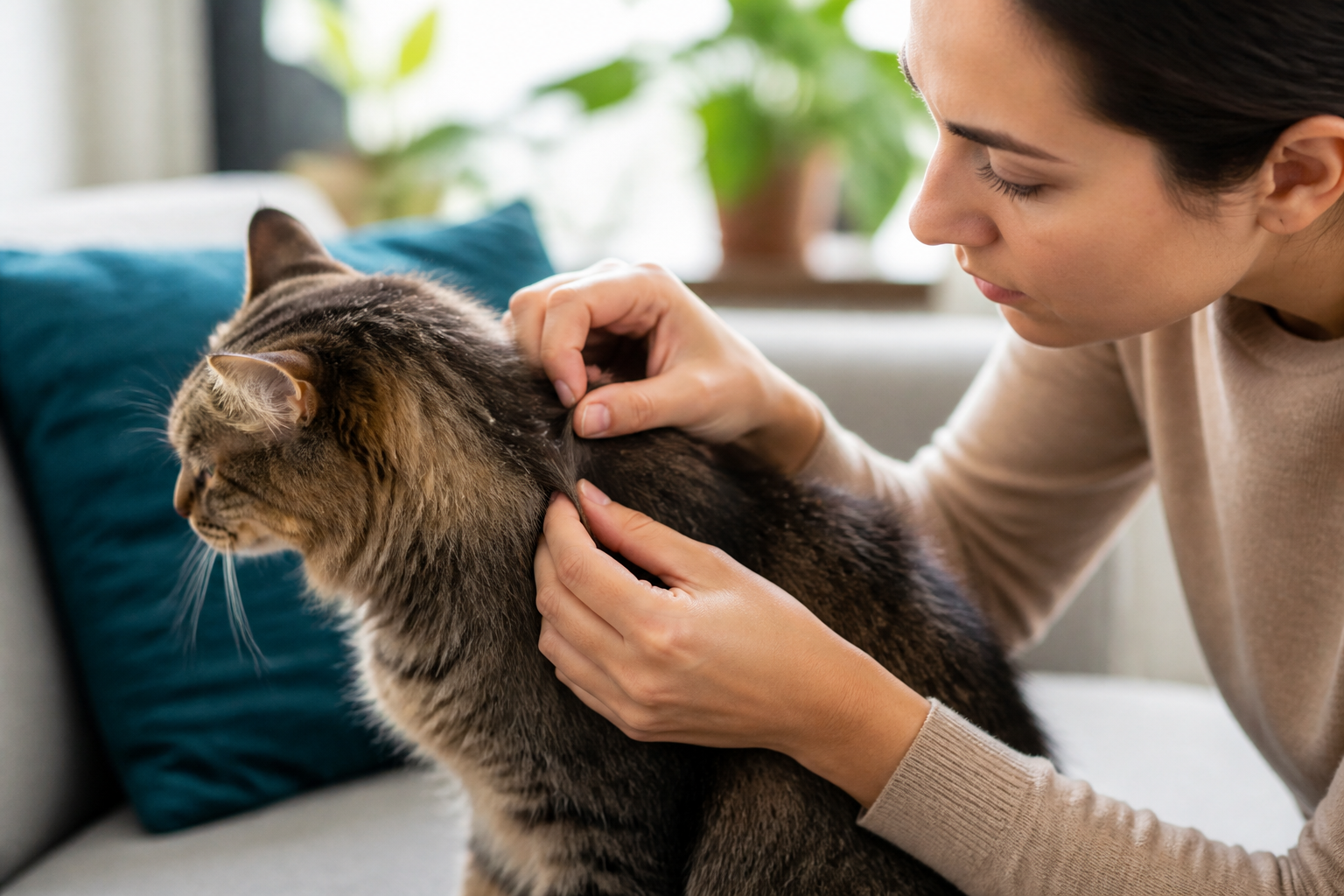
You are relaxing on the couch with your cat. As you run your hand down their back, you notice several tiny white specks. At first, you think it is just dust or dry skin. Then you wonder if your cat has a flea problem. Telling the difference between dandruff and flea eggs is a common challenge for many pet owners. At BaxterBoo, we have helped cat owners navigate skin and coat health since 2006. This article will help you identify what those white specks are. We will cover the physical traits of each and how to treat the root cause. You will learn when a simple bath is enough and when it is time to call the veterinarian.
The Basics of Cat Dandruff
Cat dandruff consists of dead skin cells that have shed from the body. All cats shed microscopic skin cells called dander. This is a normal part of their biology. Dandruff occurs when those cells clump together into visible white flakes. These flakes can be quite noticeable on cats with dark fur.
Dandruff is often irregular in shape. The flakes might look like tiny bits of torn paper or flat scales. They are usually dry and thin. If you touch them, they may crumble or break apart easily. Unlike parasites, dandruff is just skin. It does not move or hatch.
You will typically find dandruff where the skin is driest. The lower back and the base of the tail are common spots. Cats sometimes have trouble reaching these areas during their daily grooming. This leads to a buildup of dead skin that becomes visible to the eye.
Quick Answer: Dandruff consists of irregular, flat, white flakes that cling to the fur and skin. Flea eggs are uniform, oval-shaped, and smooth. They act like tiny grains of salt and fall off the cat easily.
Cat Flea & Tick Care








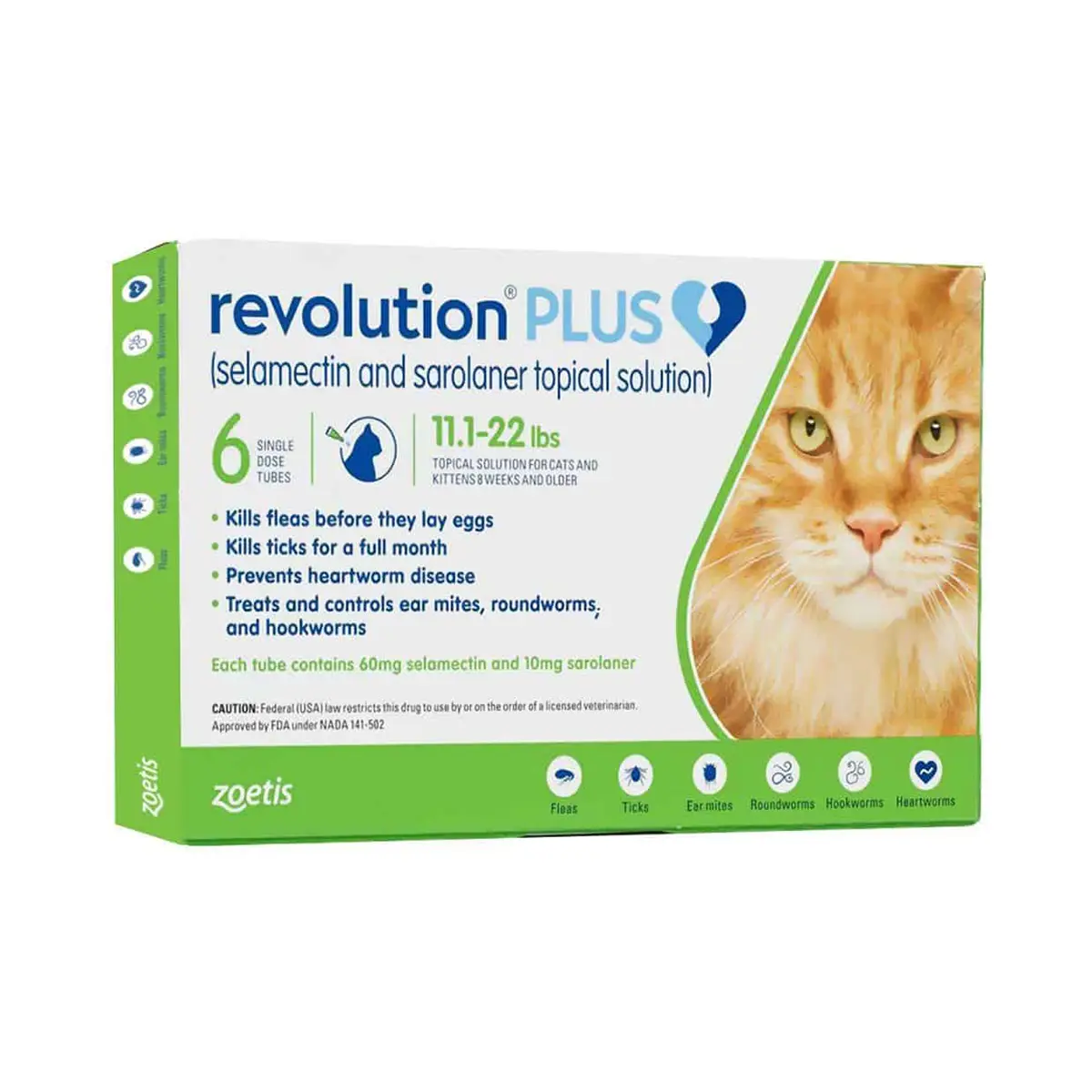


Identifying Flea Eggs on Your Cat
Flea eggs are very different from skin flakes. They are the same size and shape as one another. Each egg is a tiny, smooth oval. They are often described as looking like grains of salt or fine sand. They have a pearly or translucent white color.
One of the biggest differences is how they behave. Flea eggs are not sticky. A female flea lays her eggs on the cat, but they do not stay there for long. They are designed to slide off the hair shafts. They fall into your carpet, your bedding, and the cracks in your floor.
If you see white specks that fall off as soon as your cat moves, you should suspect flea eggs. If the specks stay stuck to the hair or the skin, it is more likely dandruff. Finding eggs usually means adult fleas are nearby. You should look for other signs of an infestation to confirm your suspicions.
The Wet Paper Towel Test
A simple way to check for fleas is to look for flea dirt. This is the waste left behind by adult fleas. It looks like small black or brown specks of pepper. It often appears alongside the white eggs.
You can perform a quick test at home with a wet paper towel. Collect some of the dark specks from your cat's fur or bedding. Place them on the damp towel and wait a minute. Flea dirt is made of digested blood. When it gets wet, it will turn red or rusty brown.
If the specks stay black or gray, they might just be garden dirt or soot. If they turn red, you have a confirmed flea problem. This test is one of the most reliable ways to tell if your cat needs flea treatment.
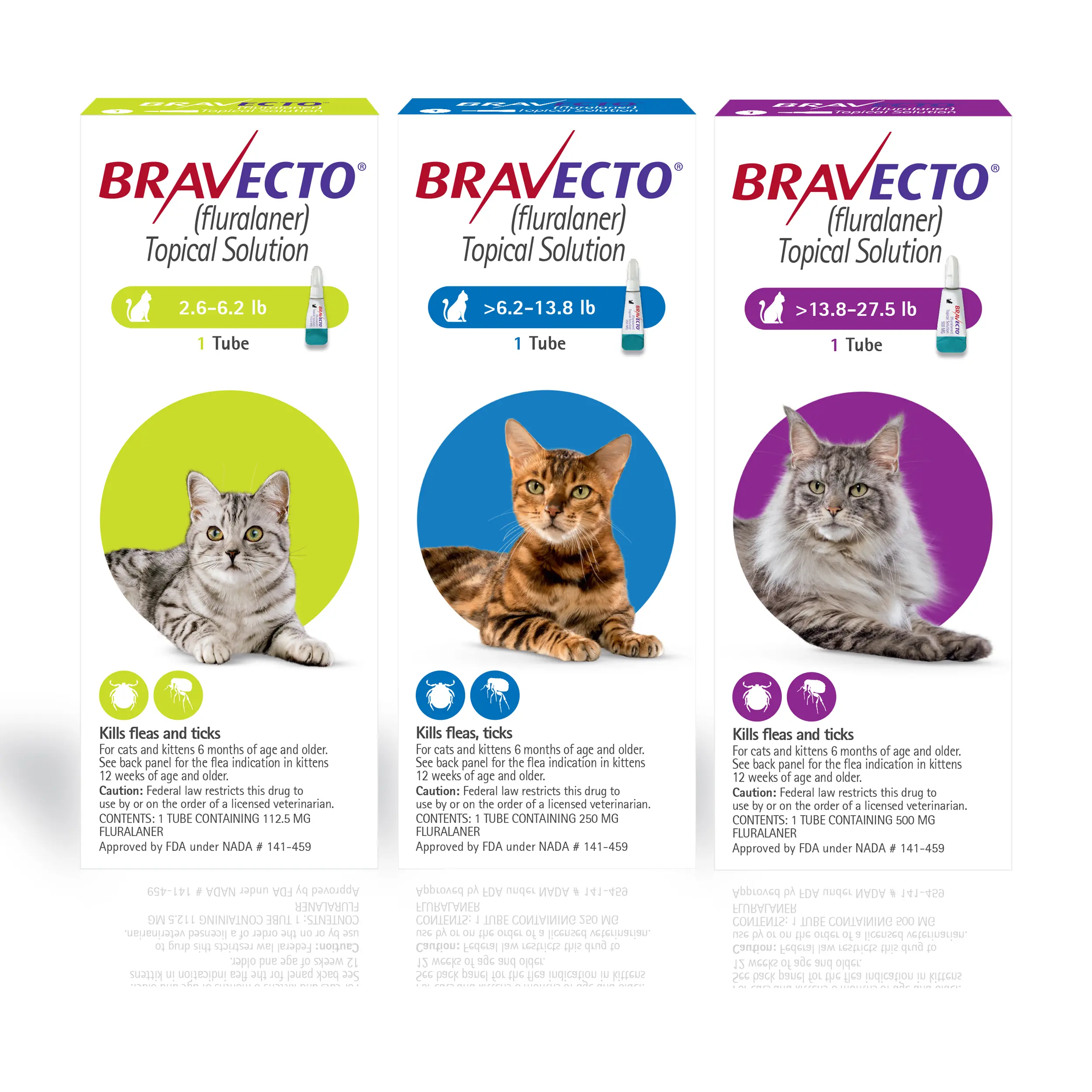
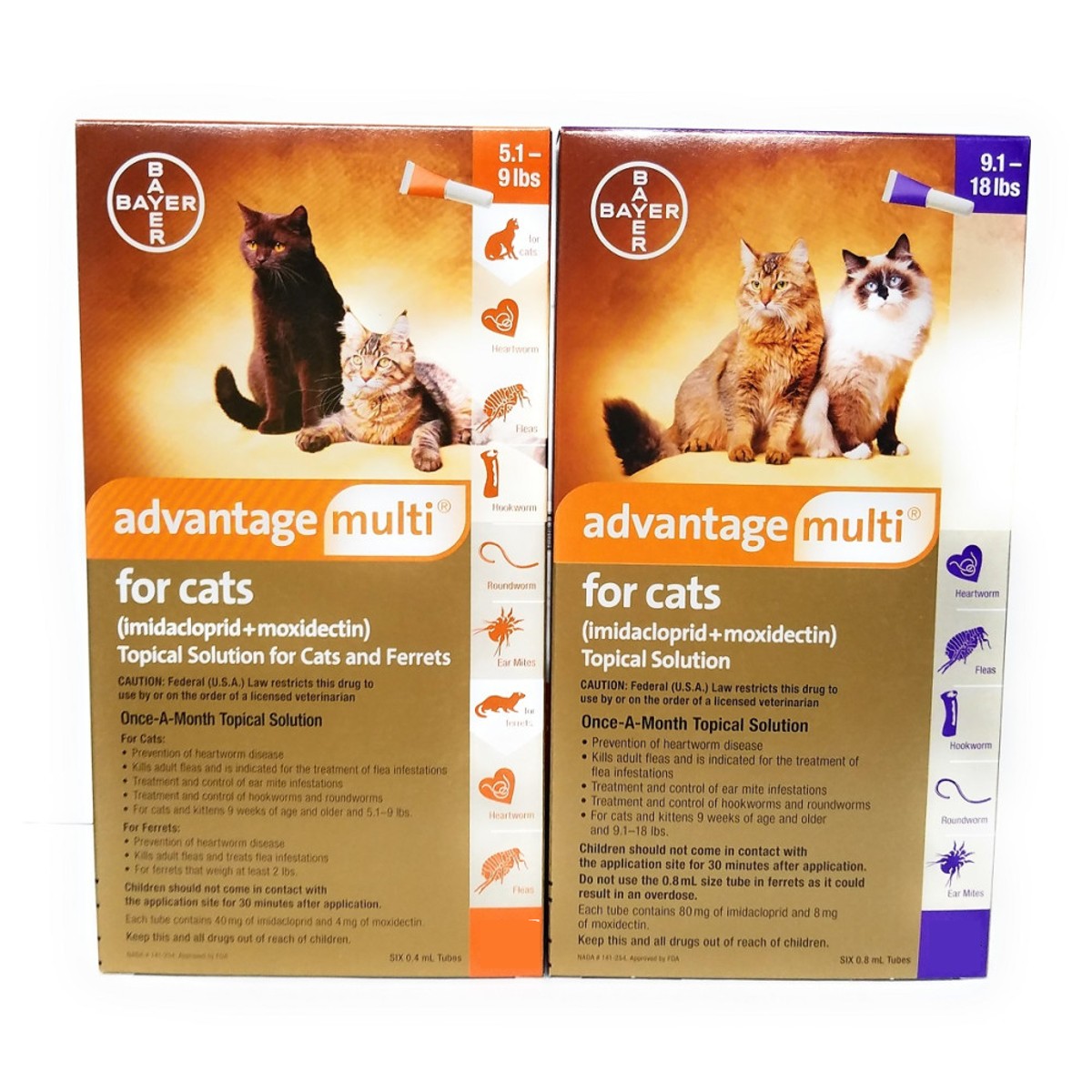
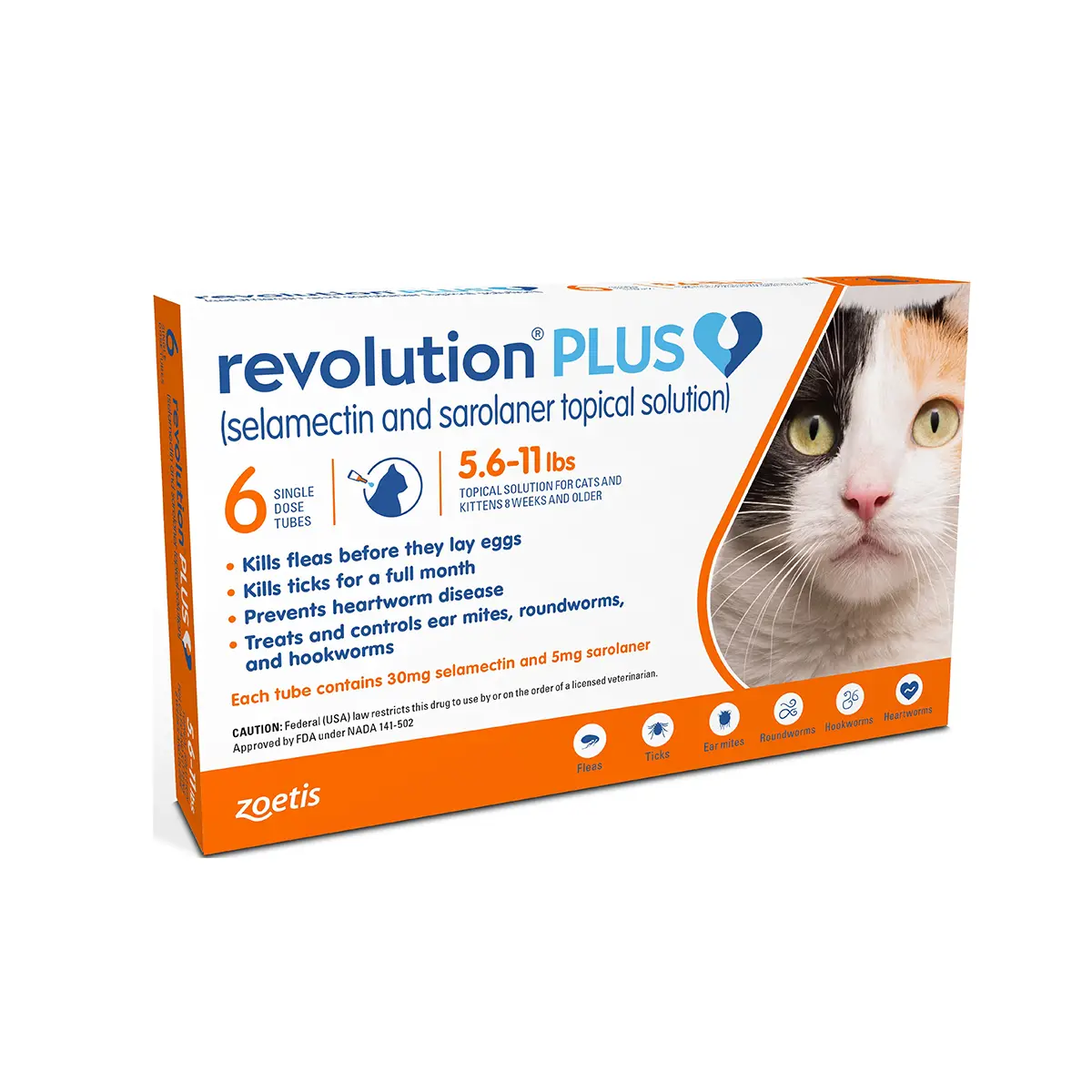
Vet Tip: If you find evidence of fleas or flea dirt, consult your veterinarian about the best treatment plan. They can recommend prescription options from our cat flea and tick collection that are appropriate for your cat's specific health needs.
Comparing Dandruff and Flea Eggs
It helps to see the differences side by side. Use this guide to evaluate the white specks you see on your cat.
| Feature | Cat Dandruff | Flea Eggs |
|---|---|---|
| Shape | Irregular, flat, or jagged | Uniform, oval, and smooth |
| Texture | Flaky, dry, and easily crushed | Harder, smooth, like a grain of salt |
| Stickiness | Often clings to fur or skin | Not sticky; falls off easily |
| Consistency | Various sizes | All eggs are roughly 0.5 mm |
| Location | Often on the back and tail base | Found on the pet and in bedding |
Common Causes of Cat Dandruff
Many factors lead to dry, flaky skin in cats. Sometimes the environment is to blame. Other times, the issue is internal. Knowing the cause helps you choose the right solution.
Low Humidity and Weather
Dry air is a major cause of skin issues. During the winter, indoor heating strips moisture from the air. This can cause your cat's skin to become dry and itchy. You might see more dandruff during these months. Using a humidifier in the rooms where your cat spends the most time can help.
Nutritional Deficiencies
A healthy coat starts with good food. If a cat is missing essential fatty acids, their skin may suffer. Omega-3 and Omega-6 fatty acids are vital for skin health. Brands like Stella and Chewy's or Open Farm offer recipes designed to support a healthy coat. If your cat's food is low quality, switching to a premium brand can make a big difference.
Grooming Issues and Mobility
Cats are famous for their cleanliness. If a cat stops grooming, dandruff will build up quickly. This often happens as cats age. Senior cats with arthritis may find it painful to reach their lower back. Overweight cats also struggle to reach certain spots. In these cases, you must step in and help with regular brushing.
Health Conditions
Sometimes dandruff is a symptom of a larger health problem. Diabetes and hyperthyroidism can change the quality of a cat's skin. Skin infections or allergies can also cause flaking. If the dandruff is accompanied by weight loss or changes in appetite, a vet visit is necessary.
Key Takeaway: Dandruff is usually a sign of dry skin or a lack of grooming. Flea eggs are a sign of a parasite life cycle in progress.
Understanding "Walking Dandruff"
There is a third possibility that confuses many owners. Cheyletiellosis is a condition caused by tiny mites. These mites are white and look like flakes of skin. Because they move around on the cat's body, they are called walking dandruff.
If you look closely at the "dandruff" and see it moving, your cat has mites. These parasites are highly contagious. They can spread to other pets and even to humans. You will need a specific treatment from a veterinarian to clear these mites. Our BaxterBoo pharmacy carries several treatments that can address external parasites like mites through our partnership with Pet's Choice.
How to Manage Dandruff at Home
If you have ruled out fleas and mites, you can focus on skin health. Managing dandruff is usually a long term process. It requires changes to the environment and the cat's routine.
Improve the Diet
Check the label on your cat's food. Look for high quality proteins and healthy fats. You might want to add a skin and coat supplement. Products from Zesty Paws or Honest Paws often contain the oils needed to nourish the skin. Always introduce new supplements slowly to avoid upsetting your cat's stomach.
Regular Brushing
Brushing removes dead hair and distributes natural skin oils. For short haired cats, a gentle brush once a week is usually enough. Long haired cats need daily attention. Use a high quality grooming tool like those from RC Pets to keep the coat smooth. Brushing also gives you a chance to check for new flea activity or skin bumps.
Hydration is Key
Dehydrated cats often have dry skin. Many cats do not drink enough water from a bowl. You can increase their fluid intake by adding wet food to their diet. Brands like Tiki Cat or Fussie Cat offer high moisture options that cats love. A pet water fountain can also encourage cats to drink more. Browse our cat food collection for wet food options.
Bathing and Topical Care
Most cats do not need regular baths. However, a medicated or moisturizing shampoo can help with severe dandruff. Look for formulas with oatmeal or aloe. Be careful not to over-bathe your cat. Too much water and soap can actually strip the skin of its natural oils and make the problem worse.
Treating a Flea Infestation
If the white specks are flea eggs, you must act fast. Fleas reproduce at an incredible rate. One female can lay up to 50 eggs a day. To stop the cycle, you must treat the cat and the home.
Treat the Cat
Start with a high quality flea preventive. At BaxterBoo, we offer trusted brands like Frontline. For more persistent issues, you may need a prescription treatment. Our pharmacy provides access to FDA-approved medications like NexGard through our partnership with Pet's Choice. These medications kill adult fleas and prevent new eggs from hatching.
Clean the Environment
Flea eggs fall into the environment. You must vacuum your carpets and furniture daily. Wash all pet bedding in hot water. Fleas can hide in the tiniest cracks of hardwood floors. Empty your vacuum canister or bag outside immediately after cleaning. This prevents the fleas from crawling back into your home.
Consistency is Crucial
Flea treatments must be used every month. Many owners stop treatment as soon as they stop seeing fleas. This is a mistake. Flea pupae can remain dormant in your home for months. They will hatch when they feel the vibration of a passing pet. Year-round prevention is the best way to keep your home flea-free.
Our flea and tick prevention products can help you compare options for your cat and home.
Bottom line: Solving a flea problem requires treating the pet, the home, and the yard simultaneously to break the life cycle.
Steps for Checking Your Cat
Follow these steps if you are unsure what you are seeing.
Step 1: Inspect the coat. / Use a fine-tooth comb to look through the hair.
Step 2: Collect the specks. / Place them on a dark piece of paper to see the shape.
Step 3: Check for movement. / Watch the specks for a few minutes to rule out mites.
Step 4: Do the water test. / Place any dark specks on a wet paper towel to check for flea dirt.
Step 5: Check the skin. / Look for redness, scabs, or signs of irritation.
When to See a Veterinarian
Most cases of mild dandruff are easy to handle. However, some situations require professional help. If your cat is losing hair in patches, they need an exam. Red, inflamed skin is a sign of infection or severe allergy.
You should also call the vet if the skin has an unusual odor. Oily or greasy dandruff can be a sign of a condition called seborrhea. This often needs a specific medicated shampoo or oral medication. If your cat is constantly scratching or biting at their skin, they are in discomfort. A veterinarian can provide relief and diagnose the underlying cause.
For cats with chronic conditions, your vet might prescribe a special diet. We carry prescription foods from Farmina Vet Life and Royal Canin in our pharmacy. These diets are formulated to manage specific health needs that can affect the skin and coat.
Vet Tip: Chronic skin issues often require a professional diagnosis. Your vet can perform a skin scraping to look for mites or fungi that are not visible to the naked eye.
Supporting Your Cat's Skin Long Term
Once the skin is clear, you want to keep it that way. Consistency is the most important part of pet care. Stick to a high quality diet and keep up with grooming. Keep your home's humidity at a comfortable level.
Monitor your cat's stress levels. Stress can sometimes trigger skin issues. Products like Feliway or calming treats from Jackson Galaxy can help keep a cat relaxed. A happy, relaxed cat is more likely to have a healthy, glossy coat.
Our MVP Rewards program is a great way to save on the supplies you need for regular maintenance. You can earn points on every purchase of food, grooming tools, and flea preventives. This helps you provide the best care for your cat without breaking your budget.
Conclusion
Telling the difference between dandruff and flea eggs is the first step toward a healthy cat. Dandruff is usually flat and irregular, while flea eggs are oval and uniform. Whether you are dealing with dry skin or a parasite, there are clear steps you can take to help. Regular grooming, high quality nutrition, and proper flea prevention are your best tools. We are proud to support you with over 500 brands and a full pharmacy for all your cat's health needs.
- Check for "flea dirt" using a wet paper towel.
- Increase hydration with wet food from Tiki Cat or Fussie Cat.
- Use a humidifier to help with dry winter skin.
- Maintain monthly flea prevention through our Autoship programme.
Key Takeaway: Early identification of skin issues prevents a small problem from becoming a major infestation or a painful health condition.
FAQ
How can I tell if my cat's white specks are moving?
You can use a magnifying glass to look closely at the specks on your cat's fur. If the white flakes seem to crawl or shift on their own, your cat likely has Cheyletiella mites, also known as walking dandruff. This condition requires a specific treatment from a veterinarian to kill the mites and prevent them from spreading.
Do flea eggs stick to the cat's bedding?
Flea eggs are smooth and not sticky, so they easily fall off your cat and settle into the fibers of bedding or carpet. While they do not attach themselves to the fabric, they get trapped in the weave of the material. This is why washing bedding in hot water and frequent vacuuming are essential for removing them from your home.
Can a change in diet really stop cat dandruff?
Yes, a change in diet can significantly improve your cat's skin health if the current food lacks essential nutrients. High quality foods rich in omega fatty acids help maintain the skin's moisture barrier and reduce flaking. Many owners see a noticeable improvement in coat shine and a reduction in dandruff after switching to a premium brand.
Is cat dandruff contagious to humans or other pets?
Normal dandruff caused by dry skin or poor grooming is not contagious. However, if the "dandruff" is actually caused by mites or ringworm, those conditions can spread to other animals and people. If you notice multiple pets scratching or if you develop itchy spots yourself, see a veterinarian and a doctor immediately.






- Site & Contents BaxterBoo.com. BaxterBoo is located in the United States.
- Privacy & Security
- Terms of Use
- Accessibility Statement
