
 Save 15% on your 1st Autoship learn more

 Email us
 Live Chat
 FAQs
FAQs





Introduction
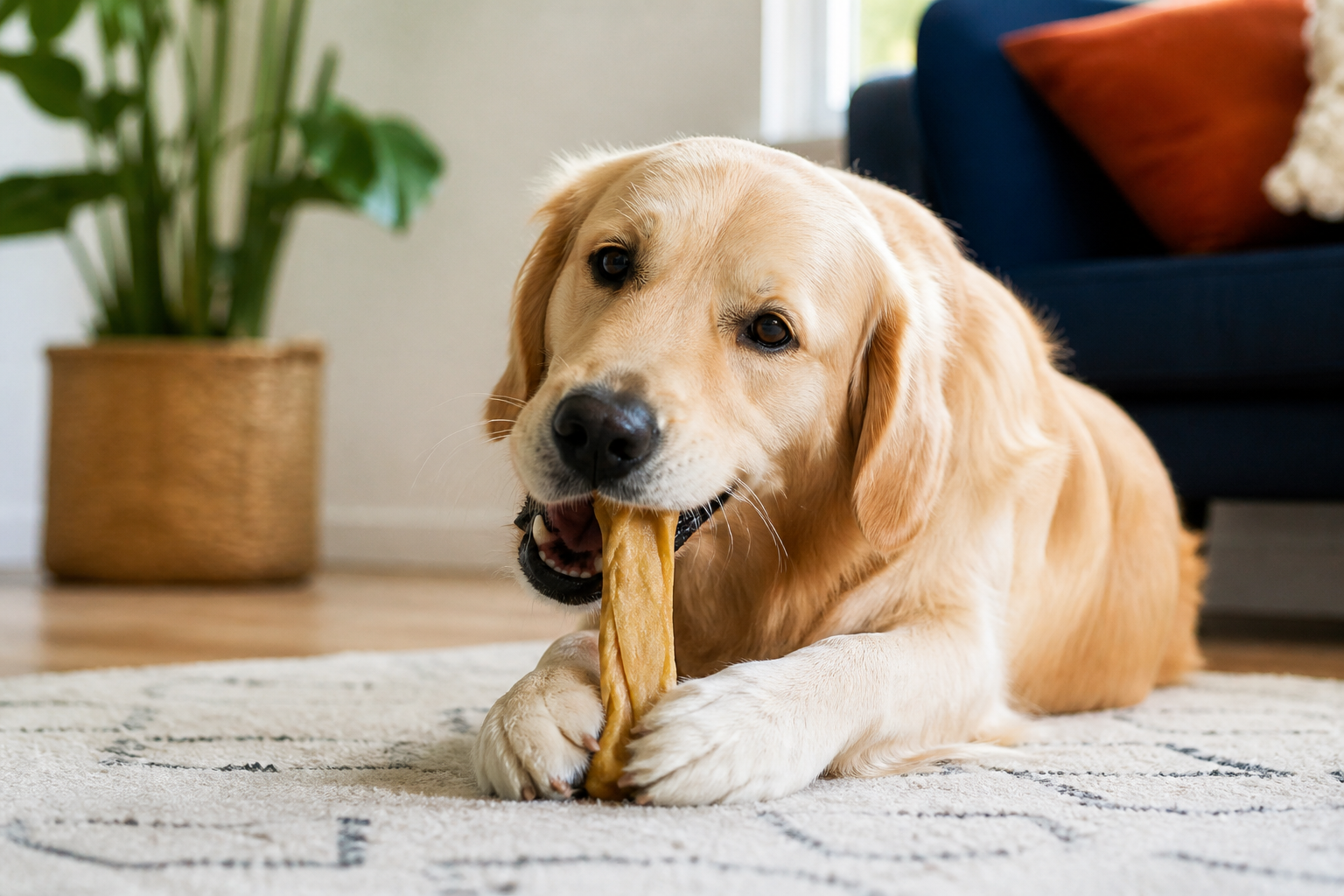
You might be sitting on the floor with your dog and notice their breath smells a bit like an old gym shoe. As you pull back their lip, you see a bit of yellow buildup along the gum line. This leads many pet owners to the treat aisle. You likely wonder if a simple rawhide chew can act as a natural toothbrush. At BaxterBoo, we talk to dog owners every day who want to balance the benefits of chewing with the safety of their pets. This post covers how rawhide interacts with dental health, the potential risks involved, and how to choose the safest options. While chewing can indeed help keep teeth clean, it is not a perfect solution for every dog.
The Mechanical Action of Rawhide
Rawhide works primarily through mechanical abrasion. As your dog gnaws on the hide, the surface of the chew rubs against the enamel. This rubbing action helps to scrape away soft plaque before it has a chance to harden. Think of it like a very slow and very tasty session of flossing for your dog.
When a dog chews, they typically use their back teeth. The premolars and molars do the heavy lifting of grinding down the tough hide. This is where most plaque accumulates. By targeting these specific areas, rawhide can reduce the bacterial film that leads to gum disease. For other options designed specifically for oral care, browse our dog dental care category.
Quick Answer: Yes, rawhide can help clean a dog's teeth by scraping away soft plaque through mechanical action. However, it cannot remove hardened tartar and requires strict supervision to prevent choking or digestive blockages.
Plaque Versus Tartar
It is important to understand the difference between plaque and tartar. Plaque is the sticky film of bacteria that forms on teeth after eating. If it stays there, it mineralizes into tartar within about 48 hours. Once tartar forms, a simple chew cannot remove it. Only a professional veterinary cleaning can get rid of hardened tartar.
Rawhide is most effective when used as a preventive measure. It keeps plaque from sticking in the first place. If your dog already has thick brown or orange buildup, a chew may provide some relief, but it will not solve the underlying issue. For more guidance on maintaining a healthy mouth, read our dog dental care tips.
Strengthening the Jaw and Gums
Chewing is a full-body workout for a dog's face. It engages the masseter muscles and keeps the jaw strong. A dog with a strong jaw and healthy gums is less likely to lose teeth to decay later in life.
The act of chewing also stimulates saliva production. Saliva contains natural enzymes that help kill bacteria in the mouth. More saliva means a more alkaline environment, which is less hospitable to the bacteria that cause tooth decay.
Note: Rawhide is most effective at cleaning the premolars and molars where most of the chewing happens. It rarely cleans the incisors or canines at the front of the mouth.
The Safety Concerns of Rawhide
We cannot discuss rawhide without addressing the safety issues that worry many veterinarians. The very thing that makes rawhide good for teeth is its durability. However, that durability can become a danger if a dog manages to break off a large piece. You can also compare traditional options with rawhide-free dog chews.
Choking and Blockage Risks
When rawhide gets wet from saliva, it becomes slippery and soft. Some dogs try to swallow a large, softened chunk. These pieces can get stuck in the throat or the digestive tract. Unlike many other treats, rawhide does not dissolve quickly in the stomach.
A blockage often requires expensive surgery to resolve. If the piece is stuck in the esophagus, a vet might use an endoscope to pull it out. If it reaches the intestines, abdominal surgery is usually the only option.
Chemical Processing Issues
Many mass-market rawhides are processed with chemicals to remove hair and preserve the hide. These can include trace amounts of bleach or other harsh substances. We prioritize products that are processed naturally to avoid these toxins. We also recommend looking for hides sourced and made in the USA. This ensures stricter quality control during the manufacturing process.
Digestive Irritation
Some dogs have sensitive stomachs and cannot tolerate rawhide. It is essentially a complex protein that can be hard to break down. If your dog has a history of diarrhea or food allergies, rawhide might cause more harm than good. Always watch for signs of gastric distress after introducing a new chew.
Vet Tip: If your dog experiences vomiting, diarrhea, or a sudden loss of appetite after chewing rawhide, contact your veterinarian immediately. These can be signs of an internal blockage or gastrointestinal irritation.
Identifying High-Quality Rawhide
Not all rawhides are created equal. If you decide to use them for dental health, you must know what to look for on the label. High-quality options provide the dental benefits without the high risk of contamination. See our rawhide dental chew selection when comparing available choices.
The VOHC Seal of Acceptance
The Veterinary Oral Health Council (VOHC) awards a seal of acceptance to products that meet specific standards. These products must prove they can reduce plaque or tartar by a certain percentage in clinical trials. If a rawhide product has this seal, you know it has been tested for dental efficacy.
Single-Sheet vs. Pressed Hide
Single-sheet rawhides are usually safer than pressed or "gnaw-hide" products. Pressed rawhides are made of many small pieces glued or compressed together. These are very dense and can be hard enough to crack a dog's tooth. Single-sheet hides tend to be more pliable as they soften. They are less likely to cause a fracture.
Natural Flavorings
Avoid rawhides with artificial dyes or heavy red and neon colors. These dyes can stain your carpet and may contain chemicals your dog does not need. Look for treats that use natural beef or chicken liver for flavor. These are more appealing to dogs and safer for their systems.
Key Takeaway: Choose rawhide that is appropriately sized for your dog. It should be too large for them to fit entirely in their mouth. This encourages slow gnawing rather than gulping.
How to Use Rawhide Safely
Safety is about the product and the process. Even the best rawhide can be dangerous if used incorrectly. Follow these steps to ensure your dog gets the dental benefits without the emergency room visit. A specific option to consider is the Ceva Clenz-A-Dent Rawhide Dental Dog Chew.
Step 1: Check the teeth. Look for redness at the gum line or yellow buildup. If you see bleeding, skip the chew and call the vet.
Step 2: Consult your vet. Ask if your dog's teeth are healthy enough for hard chews. Senior dogs with brittle teeth should avoid hard rawhide.
Step 3: Select a chew. Choose a VOHC-approved treat or a high-quality USA-sourced rawhide.
Step 4: Supervise the session. Watch your dog the entire time they are chewing. Do not leave them alone with a rawhide while you are out of the house.
Step 5: Replace when small. Take the chew away once it is small enough to be swallowed whole.
Understanding Chewing Styles
Every dog chews differently. Knowing your dog's style will help you decide if rawhide is the right tool for their teeth.
- The Nibbler: These dogs take small bites and slowly rasp away at the hide. They are the ideal candidates for rawhide dental health.
- The Shredder: These dogs like to tear pieces off. They need extra supervision to ensure they do not swallow the strips they tear away.
- The Gulper: These dogs try to eat the treat as fast as possible. Rawhide is often too dangerous for gulpers. They are better suited for highly digestible dental sticks or rubber toys.
Bottom line: Match the chew to the dog's mouth size and chewing intensity to maximize safety.
Safer Alternatives for Dental Health
If the risks of traditional rawhide make you nervous, there are many other ways to keep those teeth white. The pet industry has developed several products that mimic the scraping action of rawhide but dissolve more easily. For more ideas, explore our selection of dental chews for dogs.
Digestible Dental Chews
Modern dental chews are designed to be highly digestible. They often contain active ingredients like hexametaphosphate to prevent tartar formation. Brands like Greenies or Tartar Shield offer a similar mechanical cleaning action. They break down much faster in the digestive system if a large piece is swallowed. One available option is the Greenies Dental Dog Chew.
Hard Rubber Dental Toys
Toys made by brands like Kong are excellent for dental health. You can find "dental" versions of these toys with specific grooves that massage the gums. Smearing a bit of dog-safe toothpaste inside these grooves can encourage the chewing action needed to clean the teeth. This is a zero-calorie way to manage oral health.
Natural Vegetable Chews
For dogs with sensitive stomachs, sweet potato chews or dried carrots can provide a bit of resistance. While they do not last as long as rawhide, they are much easier on the digestive tract. They also provide fiber and vitamins without the risk of chemical contamination.
The Role of Professional Dental Care
No chew replaces a toothbrush or a vet visit. We recommend brushing your dog's teeth daily with a pet-specific toothpaste. Never use human toothpaste. It often contains xylitol, which is toxic to dogs.
Regular professional cleanings are also vital. During a cleaning, your vet can check for oral tumors, cracked teeth, and infections that happen below the gum line. A chew can only clean what is visible. Most dental disease starts where you cannot see it. For additional guidance, read how to recognize warning signs of dental problems.
Managing Advanced Dental Issues
If your dog already has red gums or loose teeth, giving them a hard rawhide can cause pain. This is why we always suggest a professional exam first. If your vet discovers gingivitis or periodontal disease, they may prescribe medications or special diets.
Our pharmacy at BaxterBoo carries a variety of FDA-approved medications and dental rinses. These can help manage oral infections and inflammation. Through our partnership with Pet's Choice, you can get these essentials delivered right to your door. We also carry prescription dental diets that use a specific fiber matrix to scrub teeth while the dog eats. You will need a valid prescription from your veterinarian to order these items. Visit our pet pharmacy to review available prescription products.
- Check for bleeding gums before giving a hard chew
- Limit rawhide to once or twice a week to avoid extra calories
- Wash your hands after handling rawhide to avoid bacterial transfer
- Provide plenty of fresh water to help with digestion
Conclusion
Rawhide can help clean a dog's teeth by scraping away plaque, but it requires careful supervision and smart shopping. Focus on USA-sourced, single-layer hides to minimize the risks of blockages. Remember that chews are just one piece of the dental health puzzle. Regular brushing and veterinary checkups are essential for a healthy mouth. We are here to help you find the right balance of fun and safety for your pup.
Key Takeaway: Rawhide is a tool, not a cure. Use it as a supplement to a complete dental care routine that includes brushing and professional exams.
Explore our Dental Care category to find VOHC-approved treats and toys. You can also sign up for our Autoship programme to save on your dog's favorite healthy chews and keep their breath fresh year-round.
FAQ
Does rawhide actually remove tartar from a dog's teeth?
No, rawhide cannot remove hardened tartar that has already mineralized on the teeth. It is effective at scraping away soft plaque before it hardens. Only a professional veterinary dental cleaning can safely remove tartar buildup.
How often can I safely give my dog a rawhide chew?
Most veterinarians recommend limiting rawhide to once or twice a week. These chews are high in protein and calories, so giving them too often can lead to weight gain. Always monitor your dog's digestion to ensure they are not experiencing any stomach upset from the frequency.
What is the safest type of rawhide for dental cleaning?
The safest option is a single-sheet, USA-sourced rawhide that carries the VOHC seal of acceptance. Avoid pressed hides or "molded" rawhide shapes, as these are often too hard and can cause tooth fractures. Single-layer hides soften more naturally as the dog chews.
What are the signs that a rawhide has caused a blockage?
If your dog swallows a large piece of rawhide, watch for gagging, repeated vomiting, or a sudden refusal to eat. Other signs include straining to defecate or a bloated, painful abdomen. If you see any of these symptoms, you should contact your veterinarian or an emergency clinic immediately.






