
 Save 15% on your 1st Autoship learn more

 Email us
 Live Chat
 FAQs
FAQs





Introduction
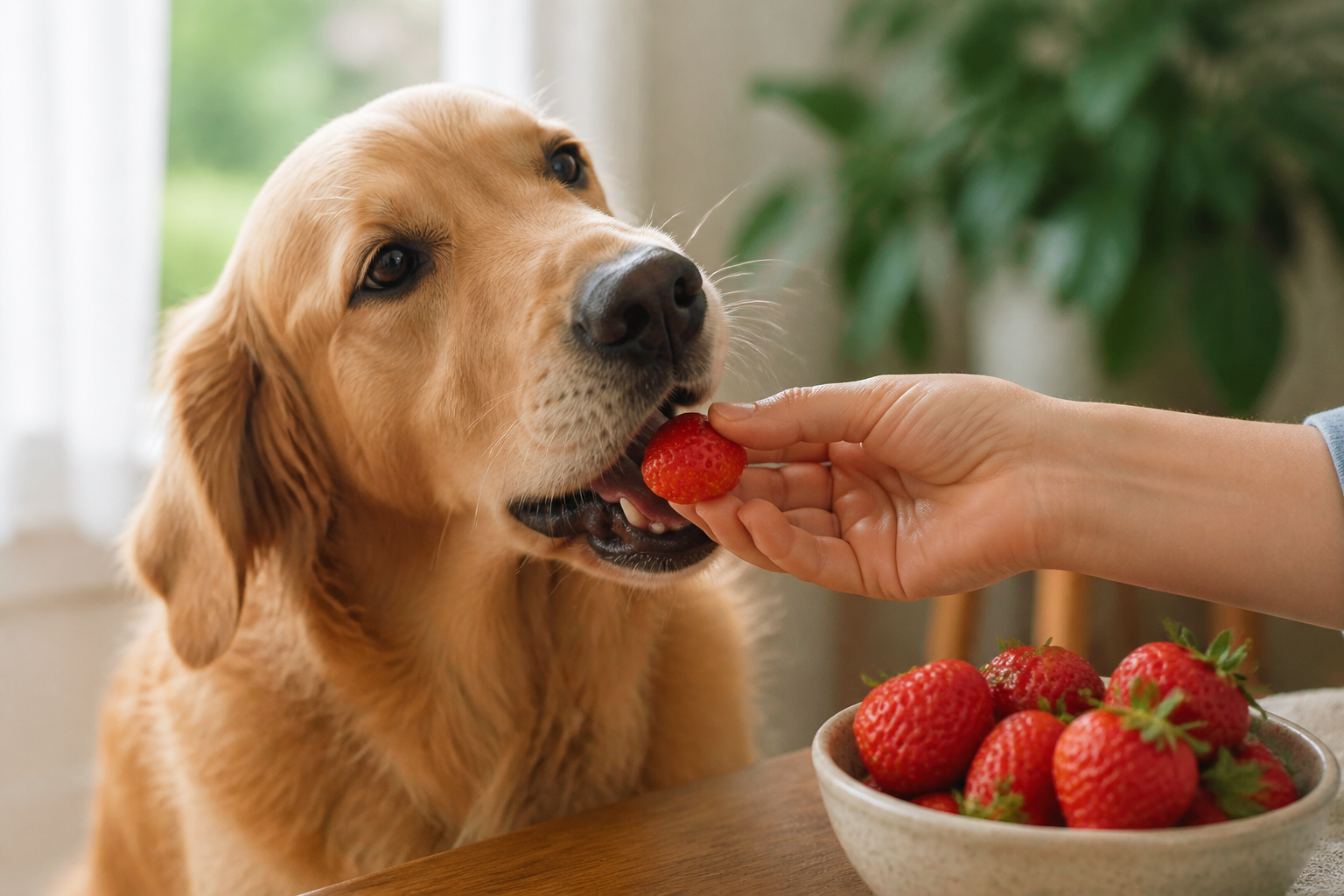
You might be sitting in your kitchen, enjoying a bowl of fresh fruit, while your dog watches every bite with hopeful eyes. As you look at their pearly whites (or perhaps slightly yellowing whites), you might wonder if sharing a strawberry could actually do some good for their dental hygiene. At BaxterBoo, we get questions like this all the time from owners who want to balance tasty rewards with practical health benefits. This post covers the science behind strawberries and canine dental health, the nutritional benefits of these red berries, and how to serve them safely. While strawberries do contain a specific enzyme that can help with surface stains, they are not a replacement for a toothbrush. We will help you understand how to use them as a supplemental tool in your dog's overall wellness routine.
Quick Answer: Strawberries contain malic acid, a natural enzyme that can help break down surface stains on a dog's teeth. While they may slightly whiten teeth and provide vitamin C to support gum health, they do not remove tartar and cannot replace regular brushing.
The Science of Malic Acid and Teeth
The idea that strawberries can clean teeth comes from a specific organic compound called malic acid. This acid is found in many fruits, but it is particularly concentrated in strawberries. In the world of human dentistry, malic acid is often used as an ingredient to help whiten teeth because it can dissolve superficial discolorations on the enamel.
For your dog, the process is very similar. When they chew on a strawberry, the malic acid works on the surface of the tooth. It helps to break down the film that eventually turns into plaque. Along with the acid, strawberries are rich in Vitamin C. This vitamin is essential for collagen production, which helps keep a dog's gums strong and resilient against infection.
However, it is important to manage expectations. Malic acid is a mild enzyme. It is not powerful enough to scrub away hardened tartar or "calculus" that has already bonded to the tooth. If your dog already has significant brown or orange buildup near the gum line, a strawberry will not fix the problem. It is more of a maintenance tool for dogs who already have relatively clean mouths.
Nutritional Benefits Beyond Dental Health
Strawberries are more than just a natural tooth whitener. They are considered a nutrient-dense "superfood" for dogs when given in the right amounts. Our team at BaxterBoo loves recommending treats that serve multiple purposes, and strawberries certainly fit that description.
Antioxidants and Immune Support
Strawberries are packed with antioxidants, specifically anthocyanins. These are the pigments that give the berries their deep red color. Antioxidants help fight free radicals in your dog's body. This can slow down the cellular aging process and support a healthy immune system. For senior dogs, these antioxidants can be especially beneficial for cognitive function and joint health.
Dietary Fiber
A single strawberry contains a helpful amount of fiber. Fiber is crucial for maintaining a healthy digestive tract. It helps regulate bowel movements and can keep your dog feeling full for longer. This makes strawberries an excellent treat choice for dogs who are on a weight management plan.
Hydration
These berries are roughly 90 percent water. If you have a dog that struggles to drink enough water during the hot summer months, frozen strawberry pieces can be a great way to sneak in extra hydration. This is a much better alternative to sugary "pup cups" or processed treats that might actually dehydrate your pet.
Potential Risks and Precautions
While strawberries are non-toxic and generally safe, they are not without risks. Every dog is an individual. What works for one pup might cause an upset stomach for another.
The Sugar Factor
Strawberries contain natural fructose. While this is better than the white sugar found in human cookies, it is still sugar. Too much sugar can lead to weight gain and may contribute to tooth decay if left on the teeth for too long. This is the irony of using fruit for dental health: the acid cleans, but the sugar can linger.
Choking Hazards and Digestion
A whole, large strawberry can be a significant choking hazard, especially for small breeds like Chihuahuas or Pomeranians. The texture is soft, but if a dog tries to swallow it whole, it can get stuck. Always cut the fruit into bite-sized pieces.
Additionally, the leaves and stems should be removed. While the green "cap" of the strawberry is not poisonous, it is very fibrous and difficult for a dog's stomach to break down. Eating the stems often leads to vomiting or diarrhea.
Key Takeaway: Strawberries are a healthy, antioxidant-rich treat that can support gum health and whiten teeth, but they must be served in moderation to avoid issues with sugar and digestion.
How to Safely Prepare Strawberries
To get the most dental benefit without the risk, you need to prepare the fruit correctly. Follow these steps to ensure your dog stays safe while enjoying their snack.
Step 1: Choose organic if possible. / Strawberries are often on the "dirty dozen" list for pesticides. If you cannot find organic berries, wash them very thoroughly in a mixture of water and a little bit of vinegar to remove chemical residue.
Step 2: Remove all greens. / Pull off the stem and the green leaves at the top. These provide no nutritional value to your dog and are likely to cause an upset stomach.
Step 3: Slice or mash the fruit. / For large dogs, slicing the berry into quarters is usually sufficient. For small dogs or senior dogs with missing teeth, mashing the berry into a puree is the safest option.
Step 4: Introduce slowly. / If your dog has never had strawberries, start with a single small piece. Wait 24 hours to see if they have any loose stools or signs of an allergy, such as itchy skin or hives.
Comparing Fruit for Dental Health
Strawberries are not the only fruit in your kitchen that can help with oral hygiene. Different fruits offer different mechanical and chemical cleaning properties.
| Fruit | Primary Benefit | Mechanical Cleaning? | Chemical Cleaning? |
|---|---|---|---|
| Strawberries | Whitening and Gum Health | Low | High (Malic Acid) |
| Apples | Breath Freshening | Medium (Crunchy) | Low |
| Blueberries | Antioxidant Boost | None | None |
| Watermelon | Hydration | None | None |
Apples are often cited as "nature's toothbrush" because their crunchy texture helps scrub the surface of the teeth. Combining a few slices of apple with a strawberry puree can give your dog a two-pronged approach to dental wellness. Just remember to always remove apple seeds and the core, as the seeds contain trace amounts of cyanide.
Why Strawberries Aren't a Substitute for Brushing
It is tempting to think that a delicious snack can replace the chore of brushing your dog's teeth. Unfortunately, this is not the case. Professional veterinary organizations agree that daily brushing with dog-specific toothpaste is the gold standard for care. For additional guidance, read our tips for building a consistent pet dental care routine.
Brushing provides the physical agitation necessary to remove plaque from the "sulcus," which is the pocket between the tooth and the gum. This is where periodontal disease starts. Strawberries cannot reach these deep pockets. If you rely only on fruit, your dog may have white teeth but still suffer from painful gum disease underneath.
Vet Tip: If your dog has red, bleeding gums or exceptionally foul breath, skip the strawberries and head to the vet. These are signs of dental disease that require professional cleaning or even extractions. Once the mouth is healthy, you can use fruit to help maintain those results.
Managing Dental Health with Professional Tools
At BaxterBoo, we carry a wide range of products designed to work alongside fresh foods like strawberries. If your dog won't tolerate a toothbrush, there are other ways to keep their mouth clean. You can explore our dog dental care selection for brushing, cleaning, and breath-care options.
Dental Chews and Toys
Products like Greenies or Kong dental toys are engineered to scrub teeth as the dog chews. These often have ridges and nubs that act like bristles. You can even smear a little mashed strawberry into the grooves of a Kong toy to encourage your dog to chew longer, combining the malic acid of the fruit with the mechanical scrubbing of the toy. See our selection of Greenies products or KONG dental dog toys for additional options.
Water Additives and Wipes
If brushing is impossible, dental wipes can be used to manually remove plaque. Water additives are another option. These are tasteless liquids you add to your dog's bowl that help break down the biofilm on their teeth.
Prescription Diets and Medications
Sometimes, a dog's dental issues are linked to their genetics or an underlying health condition. Our pharmacy at BaxterBoo offers a variety of FDA-approved medications and prescription dental diets. Through our partnership with Pet's Choice, we can help you fulfill prescriptions for specialized kibble designed to shatter rather than crumble, providing a superior cleaning effect. We also carry treatments for oral infections that may arise from advanced dental disease.
The 10 Percent Rule for Treats
Whenever you are feeding human food like strawberries, you must follow the 10 percent rule. This means that treats, including healthy fruits and vegetables, should never make up more than 10 percent of your dog's daily caloric intake. The other 90 percent must come from a high-quality, balanced dog food.
If you overfeed strawberries, you are essentially diluting the essential nutrients your dog gets from their primary meals. You are also introducing a lot of fiber, which can lead to "rapid transit" in the gut. This means the food moves through so fast that your dog doesn't absorb all the vitamins and minerals they need.
Signs of Dental Distress in Dogs
Since strawberries can only do so much, you need to know when it is time to stop the home remedies and seek professional help. Dogs are very good at hiding pain, so dental issues often go unnoticed until they are severe. Our guide to warning signs of dental problems in dogs can help you know what to watch for.
- Bad Breath: "Dog breath" is common, but it shouldn't be repulsive. A very foul odor usually indicates a bacterial infection.
- Difficulty Eating: If your dog drops food or only chews on one side of their mouth, they might have a painful tooth.
- Excessive Drooling: This can be a sign of oral irritation or an inability to swallow comfortably.
- Pawing at the Mouth: This is a clear sign of discomfort or something being stuck between the teeth.
- Visible Buildup: If the teeth look brown, gray, or furry, they are covered in tartar that needs professional removal.
If you notice these signs, a vet visit is essential. Your vet might recommend a professional cleaning under anesthesia. After that procedure, you can start fresh with a routine that includes brushing and the occasional strawberry treat.
How to Create a Dental Routine
Building a routine doesn't have to be overwhelming. You can mix and match different methods to find what your dog tolerates best. Consistency is more important than perfection.
- Monday and Thursday: Brush with dog-friendly poultry-flavored toothpaste.
- Tuesday and Friday: Give a dedicated dental chew like a Greenie.
- Wednesday and Saturday: Offer 2 to 3 sliced strawberries as a healthy snack.
- Sunday: Check the mouth for any new redness or swelling.
By rotating these methods, you address the chemical cleaning (strawberries), the mechanical cleaning (chews and brushing), and the monitoring (weekly checks). This comprehensive approach is the best way to ensure your dog keeps their teeth well into their senior years. For more ideas, browse our dental treats for dogs.
Using Frozen Strawberries for Teething Puppies
If you have a puppy, you know the struggle of the teething phase. Puppies will chew on anything to relieve the pressure in their gums. This is a great time to introduce frozen strawberries. You can also read about safe teething toys for puppies when building a chew-friendly routine.
The cold temperature helps numb the gums and reduce inflammation. The malic acid starts working on their new adult teeth as soon as they emerge. Just be very careful with the size of the frozen pieces. A frozen strawberry is much harder than a fresh one, so it must be sliced small to prevent the puppy from choking if they try to swallow it before it melts.
Bottom line: While strawberries offer minor whitening benefits and great nutrients, they are a supplement to, not a replacement for, a consistent dental care routine.
Conclusion
Strawberries are a wonderful, healthy addition to most dogs' diets. They provide a unique chemical cleaning benefit through malic acid and support overall gum health with Vitamin C. However, they are just one piece of the puzzle. To truly protect your dog from dental disease, you must combine these natural treats with regular brushing and professional veterinary care. At BaxterBoo, we are committed to helping you find the right balance of nutrition and hygiene. Whether you need a new toothbrush, a durable chew toy, or a prescription diet from our pharmacy, we have the expert-curated selection to support your dog's health. Start exploring our dog dental care category today to build a routine that will keep your dog's tail wagging and their smile bright.
FAQ
Can strawberries really replace brushing my dog's teeth?
No, strawberries cannot replace brushing. While they contain malic acid which helps whiten teeth and Vitamin C for gum health, they do not have the physical scrubbing power to remove plaque from the gum line. Daily brushing remains the most effective way to prevent periodontal disease in dogs.
How many strawberries can I give my dog each day?
The number of strawberries depends on your dog's size, but generally, treats should not exceed 10 percent of their daily calories. A small dog can usually have one or two small pieces, while a large dog might safely enjoy five or six berries. Always consult your vet if your dog has health conditions like diabetes, as the natural sugar in fruit can affect blood glucose levels.
Are strawberry leaves or stems toxic to dogs?
Strawberry leaves and stems are not toxic, but they are very difficult for dogs to digest. If your dog eats them, they may experience an upset stomach, vomiting, or diarrhea. It is always best to remove the green "cap" and the stem before sharing the fruit with your pet.
Can I give my dog strawberry jam or canned strawberries instead?
You should never give your dog canned strawberries or jam. These products are loaded with extra sugar and preservatives that are unhealthy for dogs. More importantly, some sugar-free versions contain xylitol, which is an artificial sweetener that is extremely toxic to dogs and can be fatal even in small amounts. Always stick to fresh or plain frozen berries.






