
 Save 15% on your 1st Autoship learn more

 Email us
 Live Chat
 FAQs
FAQs





Introduction
You lean in for a friendly nuzzle only to be met with a puff of breath that smells like a swamp. Perhaps you noticed a yellow crust forming near your dog's gumline while playing tug of war. These moments often lead pet owners to wonder about the logistics of canine oral hygiene. While we can brush their teeth at home, the deep cleaning required to manage tartar and prevent gum disease is a job for a professional.
At BaxterBoo, we know that dental health is a cornerstone of overall wellness. Many owners feel nervous about the "doggy dentist" visit, but understanding the process can ease those worries. This article explores exactly how a veterinarian cleans a dog's teeth, why the procedure is handled differently than human dentistry, and how you can manage the costs. We will also look at the vital role of at-home maintenance in between these clinical visits.
What Happens During a Veterinary Dental Cleaning?
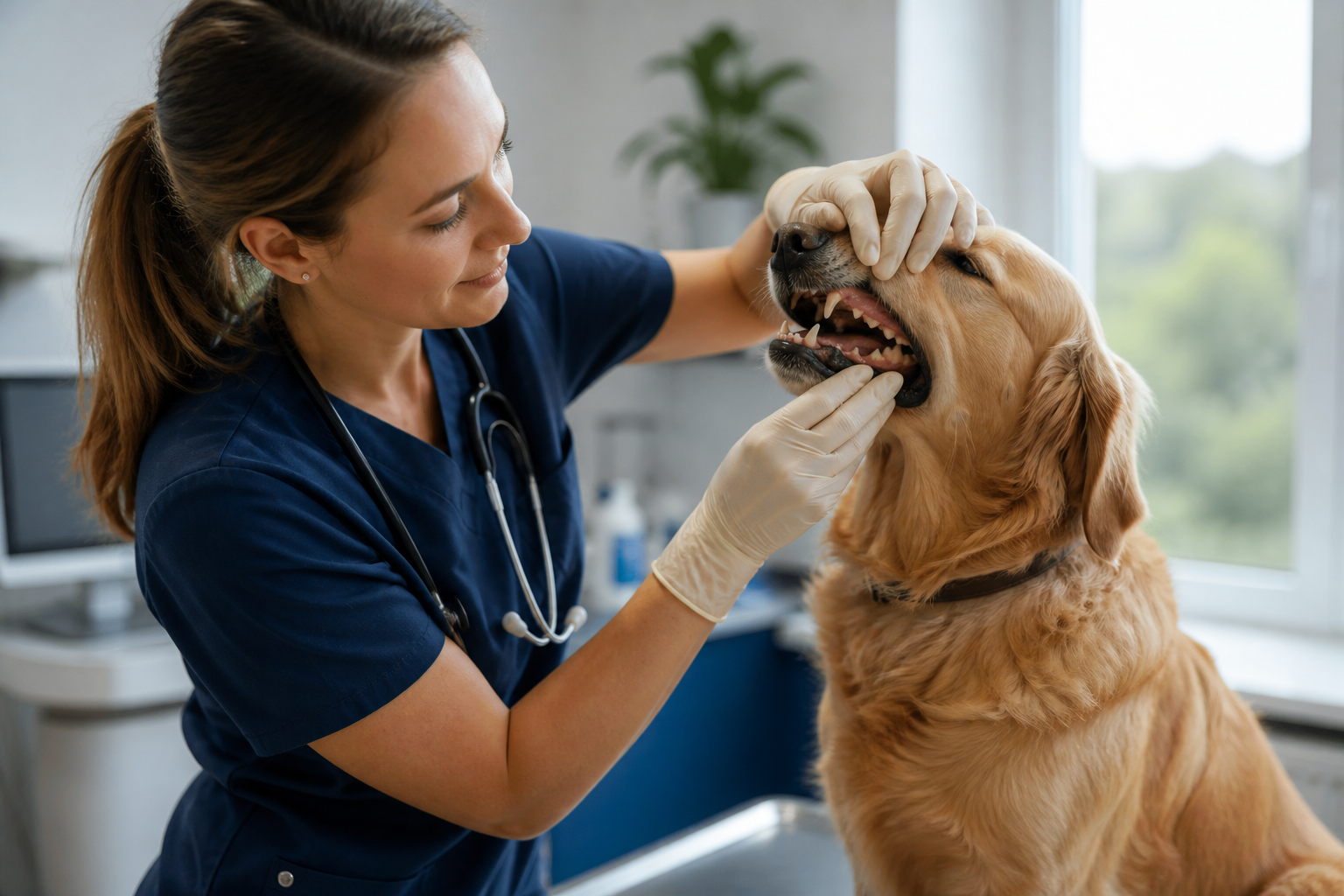
When a veterinarian cleans a dog's teeth, the process is far more involved than a simple scrub and polish. It is a medical procedure that addresses health issues hiding beneath the surface of the mouth. Because dogs will not sit still with their mouths open for an hour, the process requires several specific steps to ensure safety and thoroughness.
The Initial Physical Exam
Before any cleaning begins, your veterinarian will perform a physical exam. They check the heart and lungs to ensure your dog is a good candidate for the procedure. They also look for obvious signs of trouble like broken teeth or oral tumors. If your dog is older or has underlying health issues, the vet may order blood work to verify that their organs can safely process the necessary medications.
The Use of General Anesthesia
Quick Answer: Yes, veterinarians must use general anesthesia to clean a dog's teeth effectively. This ensures the dog remains still, feels no pain, and allows the vet to clean deep under the gumline where most dental disease occurs.
Many owners feel hesitant about anesthesia. However, it is the only way to perform a "comprehensive" cleaning. When a dog is under, the vet can use an endotracheal tube. This tube protects their airway from the water and debris generated during the cleaning process. It also allows the veterinary team to monitor vital signs closely.
Oral Radiographs (X-Rays)
Over 60 percent of a dog's tooth structure sits below the gumline. A vet cannot see what is happening in the roots or the jawbone with the naked eye. Most professional cleanings include full-mouth X-rays. These images reveal hidden abscesses, bone loss, or "dead" teeth that might be causing your dog silent pain.
Scaling and Polishing
The actual cleaning involves two main parts: scaling and polishing. The vet or a trained technician uses an ultrasonic scaler to vibrate away tartar and plaque. They focus heavily on the space between the tooth and the gum. Once the teeth are clean, they are polished with a special paste. This smooths out microscopic scratches in the enamel, making it harder for new plaque to stick to the surface.
Key Takeaway: A professional cleaning is the only way to remove tartar that has hardened into calculus. At-home brushing is preventive, but it cannot remove existing buildup once it has calcified.
Why Anesthesia-Free Cleaning is Often Discouraged
You might see services advertised as "anesthesia-free" or "cosmetic" teeth cleaning. While these might make the teeth look whiter, they are generally not recommended by veterinary dental specialists.
Without anesthesia, a technician cannot safely reach the inside surfaces of the teeth or the deep pockets under the gums. The dog is also likely to feel significant stress and physical discomfort during the scraping process. Most importantly, these services do not include X-rays, meaning serious infections under the gumline go unnoticed.
Recognizing the Signs Your Dog Needs a Cleaning
Dogs are remarkably stoic. They will often continue to eat and play even if they have a throbbing toothache or an infection in their gums. As an owner, you have to look for subtle physical and behavioral cues. For additional guidance, read about warning signs of dental disease in dogs.
- Persistent Bad Breath: While "dog breath" is a common phrase, a healthy mouth should not have an offensive or rotting odor.
- Discolored Teeth: Yellow or brown crust near the gums is a sign of tartar buildup.
- Bleeding or Red Gums: Healthy gums should be a soft pink. Redness or bleeding during play or brushing indicates gingivitis.
- Difficulty Eating: If your dog drops food, chews on only one side of their mouth, or suddenly prefers wet food over dry kibble, they may have dental pain.
- Pawing at the Face: This can be a sign of oral discomfort or a stuck piece of debris.
Vet Tip: If you notice your dog has a swelling under their eye, it could be a tooth root abscess. This is a painful infection that requires immediate veterinary attention and likely a professional cleaning with extractions.
Understanding the Costs of Veterinary Dental Care
The cost of a dental cleaning varies significantly based on your location and the health of your dog's mouth. A routine cleaning for a young dog with healthy gums will be much more affordable than a procedure for a senior dog requiring multiple extractions.
| Service Category | Estimated Range | What Is Included |
|---|---|---|
| Routine Cleaning | $350 - $600 | Anesthesia, scaling, polishing, and basic exam. |
| Advanced Cleaning | $700 - $1,200 | Includes full-mouth X-rays and detailed charting. |
| Complex Dental Surgery | $1,500+ | Includes extractions, oral surgery, and pain management. |
| Pre-Op Blood Work | $75 - $200 | Checks kidney and liver function before anesthesia. |
The most common reason for a high bill is the need for extractions. Removing a multi-rooted tooth like a carnassial is a complex surgical procedure. It involves drilling, sectioning the tooth, and suturing the gums.
Bottom line: Investing in yearly cleanings for young dogs can prevent the need for expensive and invasive oral surgeries later in life.
Managing Oral Health with the BaxterBoo Pharmacy
After a professional cleaning, your veterinarian might prescribe specific medications or diets to help the mouth heal. This is where our pet pharmacy becomes a valuable resource for you. Our pharmacy carries FDA-approved medications that your vet may order to manage post-operative care.
Prescription Dental Diets
If your dog is prone to rapid plaque buildup, your vet might recommend a prescription dental diet. Brands like Farmina Vet Life or Royal Canin offer specialized kibble designed to mechanically scrub the teeth as the dog chews. These diets often require a prescription, which you can conveniently fulfill through the BaxterBoo pharmacy.
Pain Management and Antibiotics
If your dog had extractions, they will need pain relief and possibly antibiotics to prevent infection. We provide access to these necessary medications through our pharmacy services. Having these items delivered to your door allows you to focus on your dog's recovery without making extra trips to a physical clinic.
Support for Senior Dogs
Senior dogs often need extra support during the recovery period. We carry a wide range of supplements, such as those from our selection of Cosequin products or Zesty Paws, that can support overall health during the aging process. Always consult your vet before adding new supplements to your dog's routine, especially if they are recovering from a dental procedure.
At-Home Prevention Between Vet Visits
A professional cleaning provides a "clean slate," but plaque begins to reform within hours of the procedure. To extend the time between vet visits, you must implement a solid at-home routine. For more ideas, explore these pet dental care tips.
Step 1: Brush Daily / Use a dog-specific toothbrush and enzymatic toothpaste. Never use human toothpaste, as it contains ingredients like xylitol that are toxic to dogs.
Step 2: Utilize Dental Chews / Products like Greenies or those from RedBarn can help scrape away soft plaque. These are most effective when used daily.
Step 3: Add Water Additives / If your dog refuses brushing, a dental water additive can help reduce the bacterial load in the mouth. These are tasteless and easy to use.
Step 4: Regular Inspections / Once a week, lift your dog's lips and look at their teeth. Catching a small patch of redness early can prevent a major infection later.
Key Takeaway: At-home care is a marathon, not a sprint. Consistency is more important than perfection. Even brushing three times a week is significantly better than not brushing at all.
How Often Should You Schedule a Cleaning?
There is no one size fits all answer for how often a dog needs their teeth cleaned. Smaller breeds, like Yorkies or Pugs, often have crowded mouths. This crowding traps food and bacteria, leading to faster decay. Many small dogs require professional cleanings every year starting at age two.
Larger dogs with more space between their teeth may be able to go two or three years between cleanings if their owners are diligent about brushing at home. Your veterinarian will check your dog's teeth during their annual wellness exam and let you know when it is time to schedule a professional session.
Vet Tip: Do not wait for your dog to stop eating before scheduling a dental exam. By the time a dog stops eating, the dental disease is usually very advanced and extremely painful.
Recovery After a Dental Procedure
Most dogs go home the same day as their dental cleaning. They may be a bit wobbly or sleepy as the anesthesia wears off. It is important to keep them in a quiet, warm place away from other pets or small children.
If your dog had extractions, you will need to feed them soft food for several days. This prevents hard kibble from poking the surgical sites or dislodging sutures. Watch for any excessive bleeding or signs that your dog is in distress. Most dogs feel significantly better within 24 to 48 hours, especially if a painful tooth was removed.
Conclusion
Professional dental care is a vital part of keeping your dog healthy and comfortable. While it may seem daunting, the process allows your veterinarian to identify and treat issues that at-home brushing simply cannot reach. By combining regular vet visits with consistent at-home care, you can prevent the pain and systemic health issues associated with gum disease.
- Vets use anesthesia to perform safe, deep cleanings under the gumline.
- X-rays are essential for finding hidden infections and bone loss.
- Small breeds typically need more frequent professional cleanings.
- At-home brushing and dental chews help maintain results between visits.
If your vet has recommended a dental procedure or a specific prescription diet, remember that BaxterBoo is here to help. You can find everything from dental treats for dogs to prescription medications through our pharmacy and Pet's Choice partnership. Taking these steps now ensures your dog will have a healthy, happy smile for years to come.
FAQ
Does my dog really need to be put under for a teeth cleaning?
Yes, general anesthesia is the only safe way for a vet to perform a thorough cleaning. It allows them to use sharp tools under the gumline and take X-rays without the dog moving. It also protects the dog's airway from the water and bacteria released during the scaling process.
How much does it cost to have a vet clean a dog's teeth?
The cost usually ranges from $350 to over $1,500 depending on the complexity of the case. A basic cleaning for a healthy mouth is on the lower end, while procedures involving X-rays and multiple tooth extractions will be more expensive. Your location and the size of your dog also influence the final bill.
Is it safe for a senior dog to have their teeth cleaned?
Age is not a disease, but it does mean your vet will take extra precautions. Most vets require blood work for senior pets to ensure their organs can handle the anesthesia. If the dog is generally healthy, the benefits of removing painful oral infections often outweigh the risks of anesthesia.
Can I just use dental treats instead of a vet cleaning?
Dental treats are excellent for daily maintenance and slowing down plaque buildup, but they cannot replace a professional cleaning. Once plaque hardens into tartar (calculus), it can only be removed with the specialized scaling tools used by a veterinarian. Think of treats as brushing and the vet visit as a deep cleaning at the dentist.






