
 Save 15% on your 1st Autoship learn more

 Email us
 Live Chat
 FAQs
FAQs





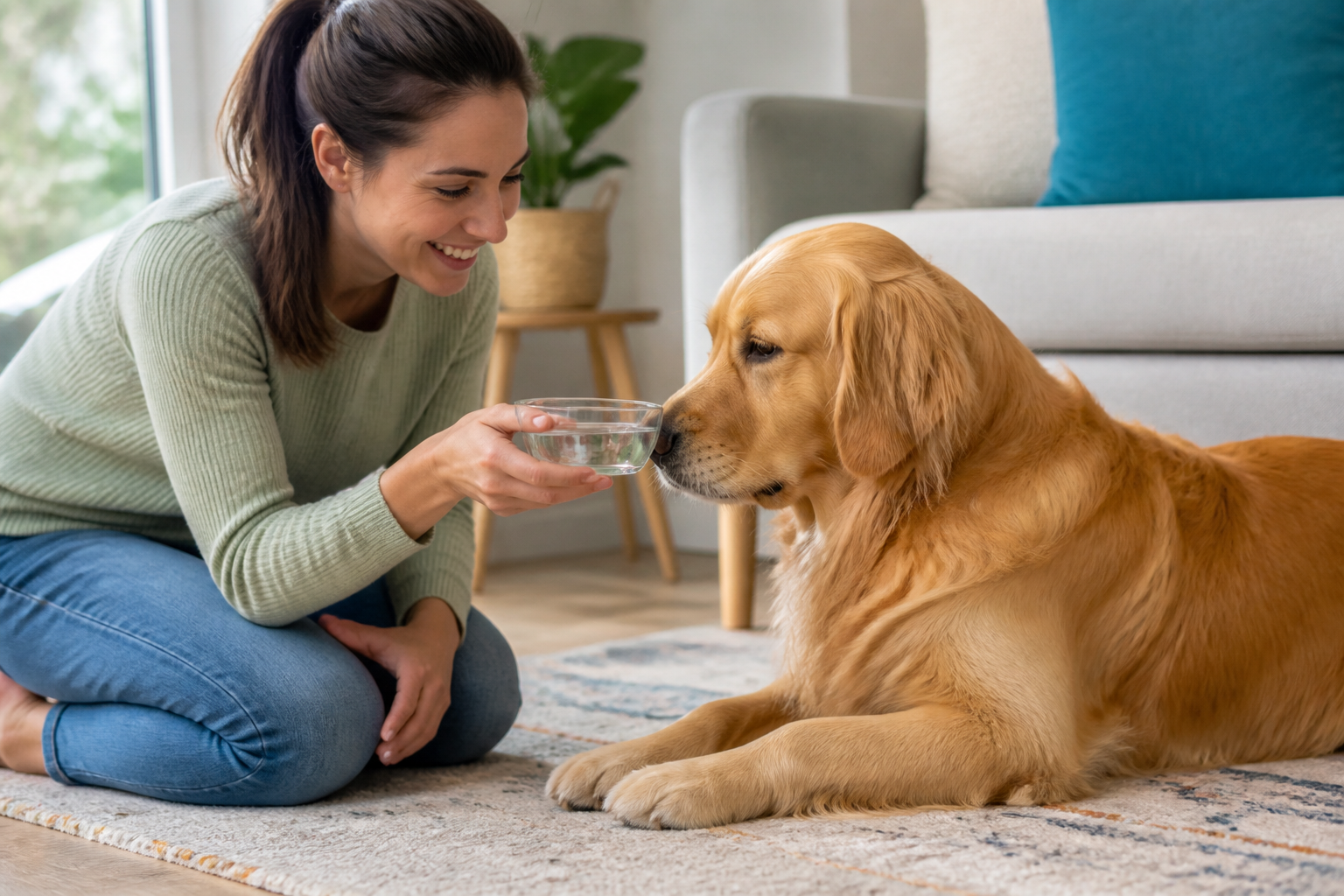
Introduction
You lean in for a friendly nuzzle from your dog only to be met with a cloud of breath that could wilt a houseplant. Most pet owners have been there. It is the moment you realize your pup's oral hygiene needs more than just an occasional dental treat. You might have seen bottles of dental water additives at BaxterBoo and wondered if they actually work. These products promise to clean teeth and freshen breath with just a few drops in a water bowl. It sounds almost too easy. This article explores how these additives work. We look at the benefits and the clear limits of these liquids. You will learn how to choose a safe product and where it fits into a real dental care routine.
Quick Answer: Water additives help reduce the bacteria and biofilm that lead to plaque. They are a helpful supplement to an oral care routine but cannot remove hardened tartar or replace regular tooth brushing.
How Dental Water Additives Work
Dental water additives function like a mouthwash for your dog. They are liquid solutions you mix into their daily drinking water. As your dog drinks throughout the day, the active ingredients coat the teeth and gums. These products typically use enzymes or specific minerals to target the mouth environment.
The primary goal is to disrupt biofilm. Biofilm is a sticky layer of bacteria that forms on the teeth within hours of eating. If left alone, this film hardens into plaque and eventually becomes tartar. Tartar is the cement-like substance that only a professional cleaning can remove. Most additives use ingredients like zinc gluconate or pomegranate extract to keep these bacteria from sticking.
Some products also focus on the pH balance of the mouth. A healthy pH level makes it harder for bad bacteria to thrive. By keeping the mouth environment less hospitable to germs, these additives can significantly reduce the odor associated with dog breath. We see many owners find success with brands like TropiClean or Oxyfresh. These brands focus on neutral tastes so your dog does not stop drinking their water. One option is OxyFresh Pet Dental Water Additive, which is described as odorless and tasteless.
The Limits of Liquid Cleaning
It is important to manage expectations. A water additive is a chemical tool rather than a physical one. It does not provide the scrubbing action needed to clear away stuck food or existing tartar. If your dog already has thick brown or yellow buildup on their teeth, a water additive will not wash it away.
Tartar is bonded to the tooth enamel. Removing it requires the physical friction of a toothbrush or the professional tools used by a veterinarian. Think of a water additive as a way to slow down future buildup rather than a way to erase years of neglect.
Water additives also cannot reach deep under the gum line. This is where most serious periodontal disease happens. If your dog has red, inflamed gums or loose teeth, they need a medical evaluation. Our pharmacy offers prescription dental diets through our dog pharmacy collection.
Key Takeaway: Water additives are a preventative measure. They work best on clean teeth to keep plaque from forming but will not remove existing tartar.
Choosing Safe Ingredients
Not all water additives are created equal. You must read the label carefully before adding anything to your dog's water. Most reputable brands use safe, human-grade ingredients. However, some older or cheaper formulas might contain additives that are less than ideal.
Look for the VOHC seal. The Veterinary Oral Health Council awards this seal to products that have proven they actually reduce plaque or tartar. It is a reliable gold standard for pet owners. If a product has this seal, you know it has been through independent testing.
Ingredients to Look For
- Zinc Gluconate: This helps prevent plaque from hardening into tartar.
- Green Tea Extract: This naturally fights bacteria and freshens breath.
- Enzymes: These break down the protein chains that make up biofilm.
- Sodium Citrate: This helps regulate the pH levels in the mouth.
Ingredients to Avoid
- Xylitol: This is an artificial sweetener. It is highly toxic to dogs and can cause life-threatening drops in blood sugar.
- Alcohol: This can dry out the mouth and is generally unnecessary in pet products.
- Heavy Dyes: Artificial colors are often added for the owner's benefit but offer no value to the dog.
Vet Tip: If your dog has a history of kidney or liver issues, talk to your vet before starting a water additive. While these products are generally safe, some contains salts or minerals that a vet might want to monitor.
Introducing Additives to a Picky Dog
Dogs have a very sensitive sense of smell and taste. Even a flavorless additive can change the "mouthfeel" of the water. If you dump a full dose into the bowl at once, your dog might refuse to drink. Dehydration is a much bigger risk than dirty teeth.
Step 1: Start with a very small amount. Use a quarter of the recommended dose for the first few days. Step 2: Observe your dog's drinking habits. Make sure they are still visiting the bowl as often as usual. Step 3: Gradually increase the amount over two weeks. This helps your dog get used to the change slowly. Step 4: Keep the water bowl clean. Additives can sometimes leave a slight residue that traps more hair or dust.
If your dog is extremely picky, you might try an additive with a specific flavor like mint or poultry. However, most experts recommend starting with the unflavored versions. These are less likely to cause a total refusal of the water bowl. The Zymox Oratene Brushless Enzyme Dog and Cat Oral Care Water Additive is one flavorless option.
The Role of Brushing and Professional Care
A water additive is one piece of a larger puzzle. To keep your dog's mouth truly healthy, you should aim for a multi-step approach. Brushing remains the most effective way to clean a dog's teeth at home. Even brushing two or three times a week makes a massive difference. For additional guidance, read The Top 10 Pet Dental Care Tips.
You can use water additives on the days you do not brush. This provides a constant baseline of protection. You should also provide safe dental chews. Brands like Greenies or Kong toys designed for chewing provide the mechanical action that water additives lack.
Do not ignore signs of pain. If your dog drops food, winces when you touch their face, or has persistent foul breath, see a vet. Sometimes bad breath is a sign of an underlying health issue like kidney disease or a tooth infection. For chronic dental conditions, our pharmacy provides FDA-approved medications and prescription diets. You can access these through our dog healthcare collection.
Benefits of Consistent Use
The biggest benefit of a water additive is consistency. Many owners find it difficult to brush their dog's teeth every single day. Life gets busy. A water additive works every time your dog takes a drink. This means they are getting several small "treatments" throughout the day.
This consistent presence of active ingredients keeps the bacterial population in the mouth lower. Over time, you may notice that the "dog breath" smell dissipates. You might also see less redness along the gum line. When used from a young age, these products can help delay the need for frequent professional cleanings.
At BaxterBoo, we see the best results when owners combine additives with annual vet checkups. Keeping a record of your dog's dental health can help you catch problems before they become expensive surgeries. Is Your Dog Hiding Bad Teeth? Warning Signs and What to Do covers signs that may warrant closer attention.
Bottom line: Using a water additive is a low-effort way to support your dog’s oral health between brushings.
Homemade Options and Their Effectiveness
Some owners prefer a natural approach. You may have heard that adding a little coconut oil or parsley to water can help. These can be nice additions, but they rarely have the same impact as a formulated product.
Coconut oil has some antibacterial properties. However, it is also high in fat. Adding it to water daily can lead to weight gain or upset stomachs in some dogs. Parsley is a great natural deodorizer. It makes the breath smell better temporarily, but it does not do much to stop plaque from hardening.
If you choose a homemade route, do it for the breath-freshening benefits. Do not rely on it as a primary dental cleaner. Professional formulations are designed to stay active in the water without spoiling or losing their potency.
When to Contact the BaxterBoo Pharmacy
Maintaining oral health sometimes requires more than just over-the-counter products. If your veterinarian diagnoses your dog with periodontal disease or severe gingivitis, they may prescribe a specific treatment plan.
Our pharmacy carries a variety of prescription pet foods. These diets are often designed with a specific kibble shape that scrubs the teeth as the dog eats. They may also contain higher levels of minerals that bind with calcium in the saliva to prevent tartar. Through our pharmacy, we make it easy to get these specialized items delivered to your door.
You can also find prescription-strength rinses and gels. These are often used after a professional dental cleaning to help the gums heal. Always follow your vet's instructions for these medications. They are much stronger than the standard water additives you find on the shelf.
Summary of Dental Care Steps
- Annual Exams: Have your vet check your dog's teeth every year.
- Daily Additives: Use a VOHC-approved water additive daily.
- Weekly Brushing: Aim for at least three brushing sessions per week.
- Safe Chews: Provide dental treats or rubber toys for mechanical cleaning.
- Monitor: Watch for bleeding gums or changes in eating habits.
Value and Convenience with BaxterBoo
We have been serving pet owners since 2006. We know that pet care can get expensive. That is why we offer programs like MVP Rewards. You can earn up to 5% back on your dental supplies and additives. If you find a water additive that your dog likes, our Autoship program is a great way to save. You get a discount on your first order and free MVP Gold membership.
We carry over 500 trusted brands. Whether you need a specific additive like TropiClean or a prescription diet from Farmina Vet Life, we have you covered. Our warehouse in Vernon Hills, Illinois, is stocked with everything your dog needs for a healthy life.
Conclusion
A water additive is a practical tool for any dog owner. While it does not replace the need for a toothbrush, it provides a valuable layer of protection against plaque and bad breath. By choosing a product with safe ingredients and using it consistently, you can improve your dog's oral hygiene with very little effort. Remember that these liquids work best as part of a larger plan. Combine them with chewing, brushing, and regular veterinary visits for the best results.
- Start with small doses to ensure your dog continues to drink water.
- Look for the VOHC seal of approval for proven efficacy.
- Avoid toxic ingredients like Xylitol at all costs.
- Consult your vet for any signs of pain or advanced dental decay.
For all your dental care needs, from additives to prescription diets, visit our dog dental care category. Our team is here to help you find the right products to keep your dog's smile bright and their breath fresh.
FAQ
Does water additive really remove plaque from a dog's teeth?
Water additives are designed to break down the biofilm that eventually turns into plaque. They are very effective at preventing new plaque from forming. However, they are not strong enough to remove hardened tartar that is already stuck to the teeth. For existing buildup, a professional veterinary cleaning is usually required.
Is it safe to use dental water additives every day?
Yes, most high-quality dental water additives are formulated for daily, long-term use. They are made with safe ingredients that work as your dog drinks throughout the day. Always follow the dosage instructions on the bottle. If your dog has a pre-existing health condition, it is a good idea to check with your vet before starting a daily regimen.
Can I use a water additive instead of brushing my dog's teeth?
A water additive should not be the only thing you do for your dog's dental health. Brushing provides the physical friction needed to remove food debris and plaque from the tooth surface. Think of the additive as a supplement that works on the days you cannot brush. Combining both methods provides the best protection against gum disease.
What should I do if my dog refuses to drink the water with the additive?
If your dog stops drinking, stop using the additive immediately. You can try reintroducing it at a much lower concentration, such as one-tenth of the recommended dose. Some dogs are very sensitive to changes in their water. If they still refuse it, look for an unflavored version or switch to dental wipes and chews instead.






