
 Save 15% on your 1st Autoship learn more

 Email us
 Live Chat
 FAQs





Introduction
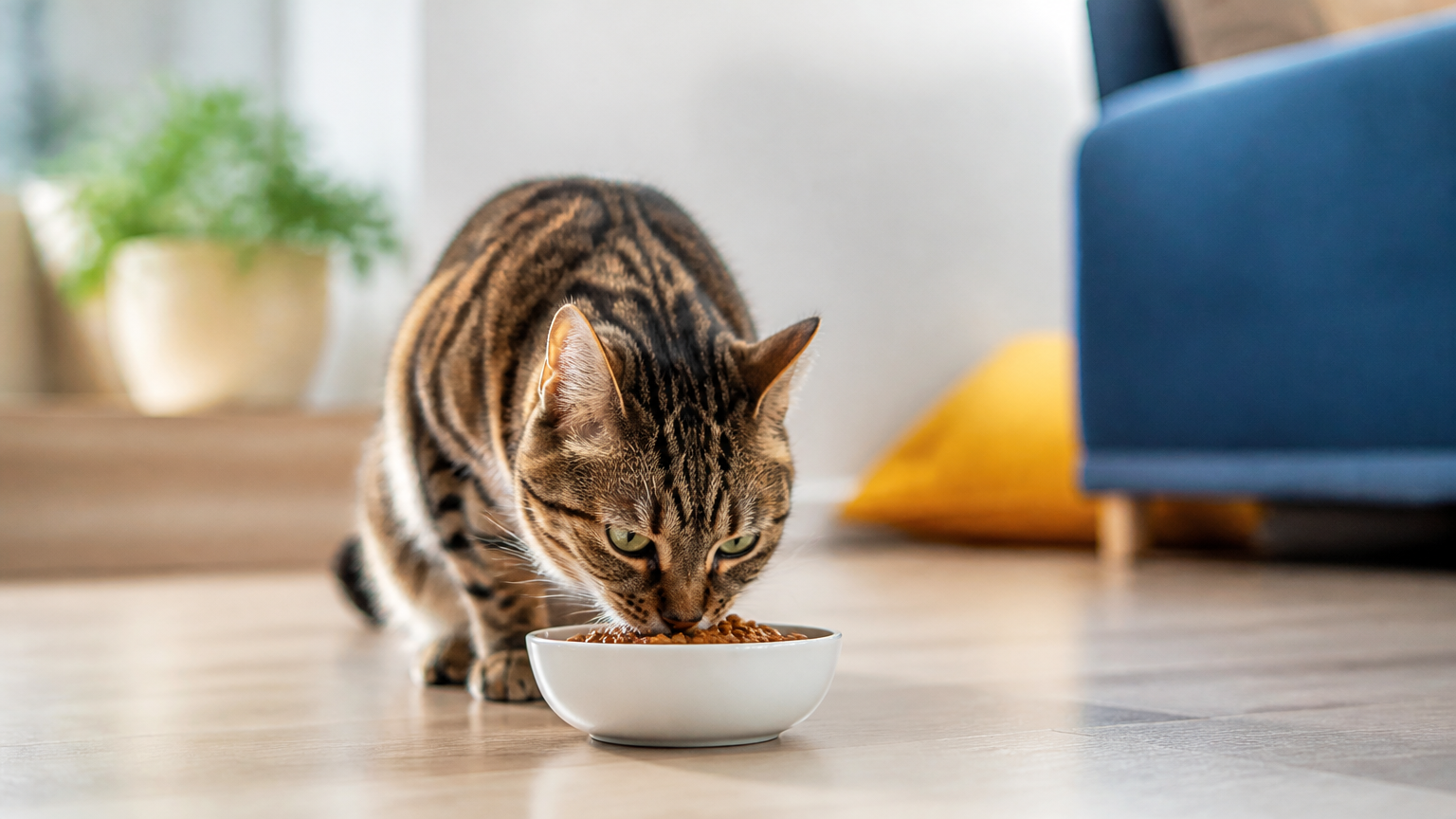
Choosing cat food for urinary tract health can feel confusing when one bag says urinary care and another requires veterinary authorization. The best choice depends on your cat's health history, water intake and nutritional needs. A complete and balanced wet food can be a useful everyday option for a healthy cat because it adds moisture to meals. A cat with diagnosed urinary problems may need a different plan.
At BaxterBoo, we know you also need a food your cat will eat and that fits your budget. We'll walk through wet and dry foods, label claims, treats and questions to bring to your veterinarian. Start with your cat's situation, not a promise on the package.
Know When Food Can Wait
If your cat repeatedly strains to urinate and produces little or no urine, go to an emergency veterinarian immediately. A urinary blockage can be life-threatening, and changing food will not clear it. Male cats are especially vulnerable, but any cat with these signs needs urgent care. (vet.cornell.edu)
Blood in the urine, crying during urination or a sudden change in litter box habits also warrants prompt veterinary attention. The veterinarian who wrote this urinary food overview explains that urinary signs can have different causes, so the right diet depends on the diagnosis. (whisker.com)
Vet Tip: Tell the veterinary team what you've seen, including how often your cat visits the box and whether you can see urine. Don't delay care to try a new food or supplement.
Cat Food




Choose Food for Your Cat's Situation
There isn't one best urinary food for every cat. A useful choice starts with whether you're shopping for everyday nutrition or following a plan for a diagnosed condition.
For a Cat Without Urinary Symptoms
If your cat is healthy and has no history of urinary problems, look for a complete and balanced food appropriate for their life stage. Wet food is worth considering because it provides water in the meal. Your cat still needs fresh drinking water.
Some non-prescription foods are labeled for urinary health. They can be an option for a healthy cat, but the label doesn't mean the food is necessary for every cat or suitable for treating a urinary condition. Ask your veterinarian if you aren't sure which food fits your cat's history.
For a Cat With a Urinary Diagnosis
If your cat has had crystals, stones, a blockage or recurring urinary signs, ask your veterinarian for a food recommendation based on the diagnosis. Different urinary problems call for different plans. A food selected for one situation isn't automatically the right choice for another.
Veterinary therapeutic diets are distinct from regular store-shelf foods labeled for urinary health. Your veterinarian may recommend one as part of a treatment or ongoing care plan. Don't switch to a non-prescription food, mix in another diet or stop a recommended diet without checking first.
For a Cat With Kidney and Urinary Concerns
Kidney diets and urinary diets aren't interchangeable. Their nutritional goals can differ, so a cat with both concerns needs an individual recommendation rather than a food chosen by its front label. The urinary food overview notes that kidney and urinary dietary goals can sometimes conflict. (whisker.com)
Vet Tip: Bring the names of all foods, treats and supplements your cat eats to the appointment. Ask which diet takes priority and how your veterinarian will monitor your cat.
Wet, Dry and Soft Food: How They Compare
The best format is one that meets your cat's nutritional or veterinary needs and that your cat will reliably eat. Moisture is a useful difference to consider, but texture alone doesn't tell you whether a food is formulated for a particular urinary condition.
| Food type | What it offers | What to check |
|---|---|---|
| Canned or other wet food | Adds moisture to each meal and comes in textures such as pâté and pieces in gravy | Check that it is complete and balanced, or that it matches your veterinarian's recommended diet. |
| Dry food | Convenient to measure and store; some cats prefer its texture | Keep fresh water available and ask your vet if the formula is suitable for your cat. |
| A mix of wet and dry | Gives your cat both textures and adds moisture through the wet portion | Measure both portions and confirm that mixing is appropriate if your cat follows a therapeutic diet. |
Wet food contains substantially more moisture than dry food. Nulo's discussion of urinary nutrition explains that this moisture can contribute to a cat's water intake. How much a cat drinks separately can vary, so keep water available with either format. (nulo.com)
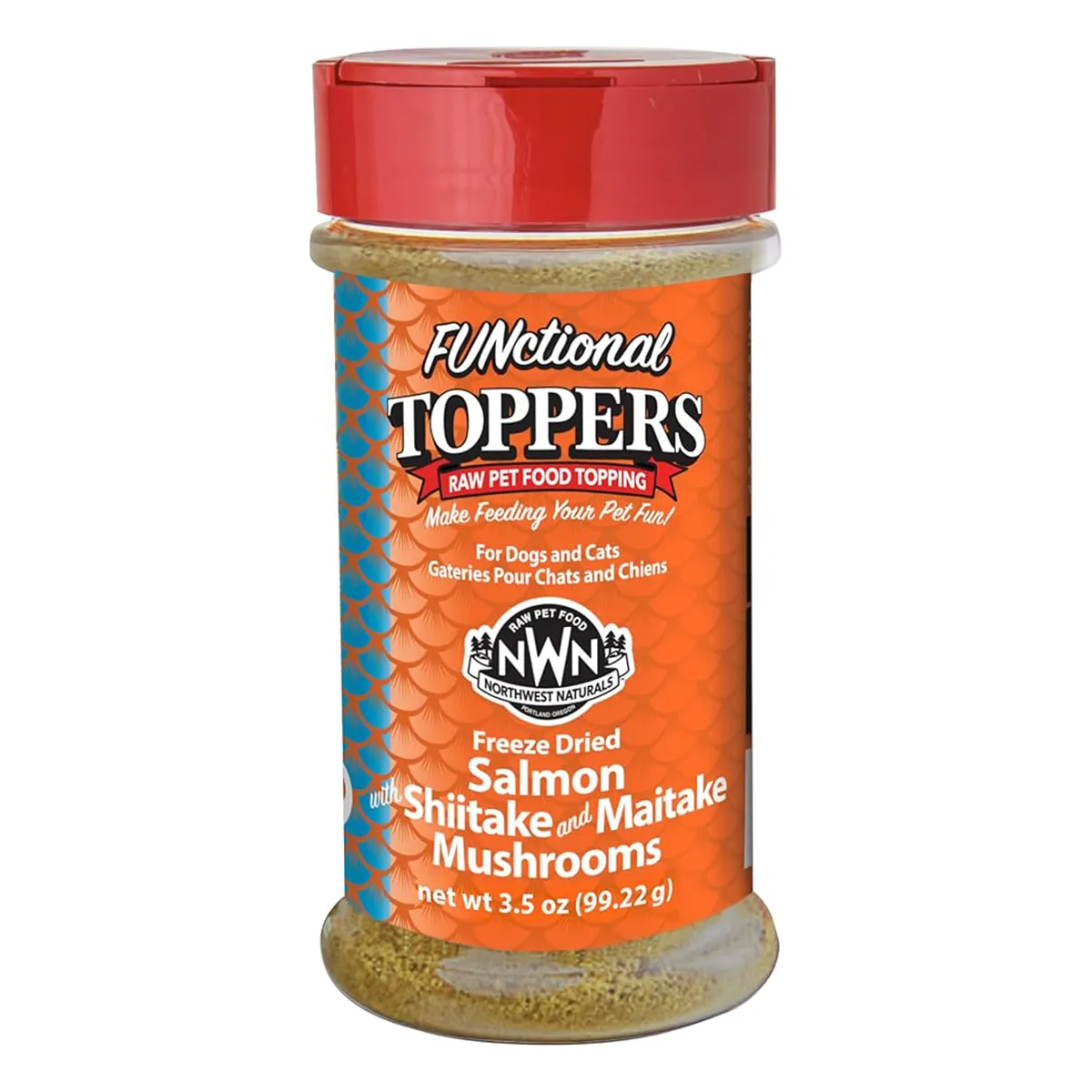
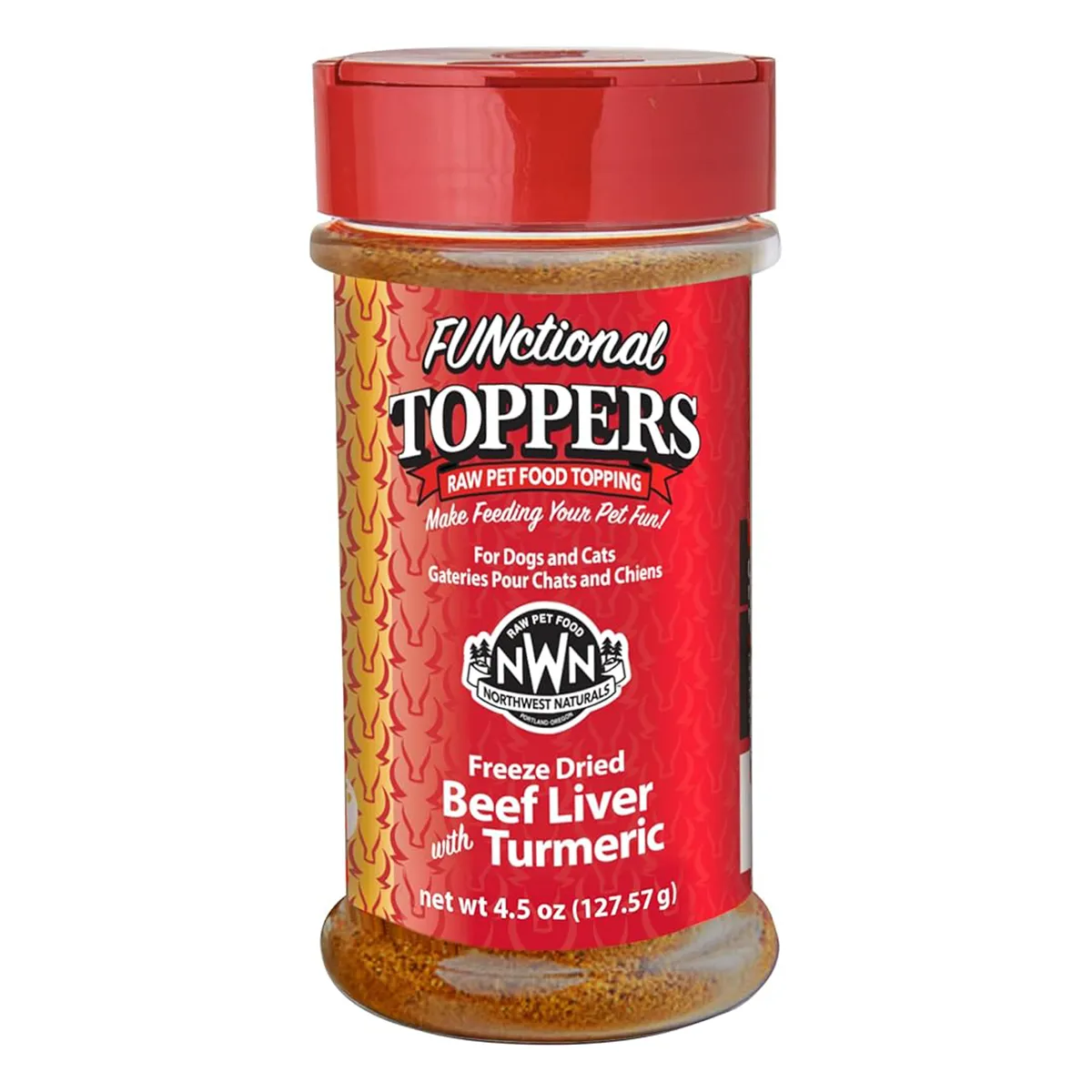
A soft food is often a wet food, but check the package rather than relying on the word "soft." Some pouches and toppers are intended as supplements rather than complete meals. If your cat needs a veterinary diet, ask whether an appropriate wet version is available before substituting an ordinary canned food.
Dry food isn't automatically a poor choice. If your cat prefers kibble, look for a complete and balanced formula or use the dry therapeutic diet your veterinarian recommends. You can also ask your vet whether adding water or offering an appropriate wet food would work for your cat.
What Makes a Cat Food Good for Urinary Health?
A useful food must meet your cat's overall nutritional needs while fitting their urinary history. Look past the front of the package and consider these details:
- Nutritional adequacy: Check for a statement that the food is complete and balanced for your cat's life stage. A treat or topper may not be suitable as the main meal.
- Moisture and acceptance: Consider how the food fits your cat's water intake and whether your cat will eat it consistently.
- The intended purpose: A non-prescription urinary food is not the same as a veterinary therapeutic diet.
- Your cat's health history: Previous stones, a blockage, kidney disease or another condition can change the recommendation.
- Feeding instructions: Check the suggested portions and discuss them with your veterinarian, particularly if your cat needs to gain or lose weight.
Some urinary diets are formulated with particular mineral balances and effects on urine acidity. More acidic urine isn't a universal goal, and cutting out minerals isn't the answer. Cats need minerals in appropriate amounts, so don't try to adjust them with supplements or choose a food solely because it advertises low ash.
Comparing Urinary Food Brands
Brand names can help you find options, but compare the exact formula and ask what it is intended to do. Wet and dry recipes from the same brand may have different feeding instructions or intended uses.
For example, the veterinarian's overview of urinary foods lists Royal Canin Feline Urinary Care and Hill's Science Diet Urinary Hairball Control as non-prescription examples. It lists Hill's c/d and Royal Canin Urinary SO among veterinary diet examples. These are not interchangeable recommendations, and naming them doesn't establish current BaxterBoo availability. Your vet can help you identify the right type and specific formula. (whisker.com)
Do Protein, Grain-Free or Natural Claims Matter?
High-Protein Food
Cats need protein, but a higher protein percentage by itself doesn't establish that a food is better for urinary health. The overall formulation and your cat's medical needs matter more than one number on the label.
Moisture also affects the percentages printed on food packages. A wet food and a dry food can look very different on their labels, so don't rank them on the protein percentage alone. Ask your veterinarian for help comparing foods, especially if your cat also has kidney disease.
Grain-Free and Natural Food
A grain-free food isn't automatically better for urinary health. The same is true of a food marketed as natural. Those descriptions don't tell you whether the diet meets the needs of a cat with a particular urinary diagnosis.
If you prefer a grain-free wet food, first check that it is complete and balanced for your cat. Then ask your veterinarian whether it fits any health needs or dietary restrictions your cat has. There's no need to choose grain-free solely because you're concerned about urinary health.
Raw Food
Raw food isn't an established shortcut to better urinary health. If you're considering it, discuss nutritional balance and food safety with your veterinarian before making the change. For a cat on a therapeutic urinary diet, don't add raw food without checking whether it fits the prescribed plan.
Finding an Affordable Option
The least expensive package isn't always the least expensive way to feed your cat. Compare the amount your cat would need each day, not just the size of the can or bag. Also consider whether your cat will eat the food consistently.
For a healthy cat, an affordable, complete and balanced wet food may be a practical choice even if it doesn't have a urinary claim on the front. If your veterinarian has recommended a therapeutic diet, explain your budget and ask about suitable formats or alternatives. Don't assume a less expensive non-prescription food will do the same job.
You can also ask whether a suitable mix of wet and dry food fits your cat's plan. At BaxterBoo, we suggest checking feeding directions for each format before comparing the cost of a full day's meals.
Can Cats Have Urinary Health Treats?
Treats labeled for urinary health aren't a replacement for a complete diet or veterinary care. A claim on a treat doesn't tell you that it will address your cat's specific urinary problem.
If your cat eats a therapeutic diet, ask your veterinarian which treats, if any, are appropriate. Extra foods can make it harder to follow a prescribed feeding plan. Your vet may suggest using a small portion of the recommended food as a reward instead.
For a healthy cat, treats can fit into the daily feeding plan, but account for them when measuring meals. Keep fresh water available and avoid relying on treats to address urinary signs.
Water and Litter Box Habits Matter, Too
Food is only one part of the picture. Give your cat easy access to clean, fresh water, even when you feed canned food. You might offer water in more than one quiet location or try a fountain if your cat prefers moving water.
If your veterinarian agrees, you can try adding a little water to a meal. Introduce it gradually and make sure your cat still eats the food. The goal is to make meals appealing, not to turn a preferred food into one your cat refuses.
A clean, accessible litter box helps you notice changes. Scoop regularly and pay attention to your cat's usual habits, including the size and frequency of urine clumps. In a home with several cats, separate boxes can make it easier to tell who is using them.
No litter treats a urinary problem. Choose a litter your cat accepts and a box your cat can enter comfortably. Some litters are marketed to show changes in urine, but a color change is not a diagnosis and a normal-looking box doesn't rule out a problem. Contact your veterinarian about symptoms rather than relying on litter alone.
How to Change Your Cat's Food
If your cat is healthy and you're making an ordinary food change, introduce the new food gradually. For a cat with a medical condition, follow your veterinarian's instructions instead. Don't postpone urgent care or alter a prescribed feeding plan on your own.
Step 1: Check the New Food
Confirm that the food is complete and balanced for your cat's life stage, or that it is the diet your veterinarian recommended. Check the feeding directions before measuring a meal.
Step 2: Introduce a Small Amount
Offer a little of the new food alongside or mixed with the current food. Gradually adjust the portions as your cat accepts it, unless your veterinarian gives you a different plan.
Step 3: Watch What Your Cat Eats
Make sure your cat is eating, rather than simply leaving the new food behind. Contact your veterinarian promptly if your cat refuses food or develops concerning symptoms during the change.
Conclusion
The right food supports your cat's overall needs and fits their urinary history. Moisture can be helpful, but a food label can't replace a diagnosis or a plan for a cat with urinary problems.
- Choose a complete and balanced everyday food for a healthy cat.
- Ask your veterinarian before changing a recommended therapeutic diet.
- Treat straining with little or no urine as an emergency.
Key Takeaway: The best choice is a suitable food your cat will eat, paired with fresh water and veterinary care when needed.
If your veterinarian recommends a prescription diet or other veterinary product, ask about our pharmacy options. Pet's Choice fulfills prescriptions; BaxterBoo itself is not the licensed pharmacy.
FAQ
What is the best wet cat food for urinary health?
For a healthy cat, a complete and balanced wet food that your cat enjoys can be a useful option because it adds moisture to meals. For a cat with a urinary diagnosis, ask your veterinarian which specific food and format fit the treatment plan.
Can a healthy cat eat non-prescription urinary food?
Some complete and balanced non-prescription urinary foods may be suitable for healthy cats. Check that the food matches your cat's life stage, and ask your veterinarian if your cat has another health condition or special dietary need.
Can urinary cat food cure a urinary tract infection?
No food should replace veterinary diagnosis and treatment for an infection. Urinary signs can have several causes, so contact your veterinarian rather than assuming an infection is the problem.
Can I switch from a prescription urinary diet to a regular food?
Ask your veterinarian before switching. The recommendation may depend on your cat's diagnosis, history and follow-up results, even if your cat currently seems comfortable.




- Site & Contents BaxterBoo.com. BaxterBoo is located in the United States.
- Privacy & Security
- Terms of Use
- Accessibility Statement
