Save 15% on your 1st Autoship learn more

 Email us
 Live Chat
 FAQs
FAQs





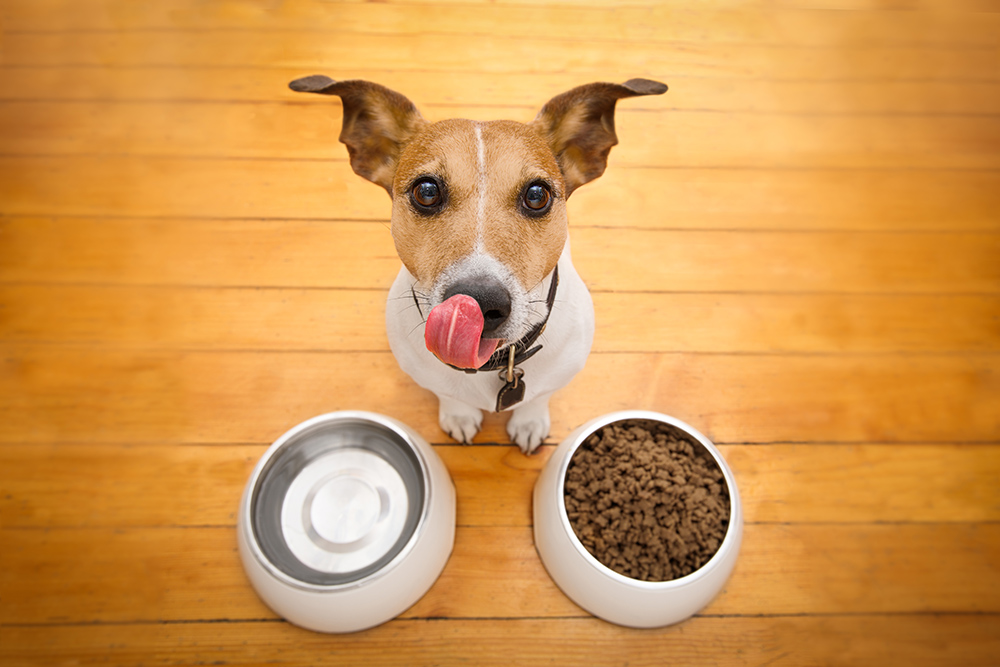
As a pet owner, you want to do everything in your power to ensure your pet’s comfort. While for many dogs this entails buying them beds, chew toys and winter clothes, for some, it may also mean feeding them a specialized diet.
If your dog lives with a sensitive stomach, a specialized diet is a must. The problem that many pet owners face, however, is that specialized diets can quickly become expensive. Dog food for sensitive stomachs contains easily digestible carbs, proteins and fats as well as probiotics and prebiotics. These ingredients are gentle on the GI tract and keep the gut microbiome in balance so that your pooch enjoys optimal gut health year-round. Non-specialized dog foods, on the other hand, contain harsher but more easily sourced ingredients and, are, therefore, more affordable. The problem is that many of these products irritate the stomach and are difficult to digest.
When you first discover your dog’s stomach sensitivities, you may believe it is an impossible task to build a gut-friendly but affordable diet for him or her. It’s not. With the right resources at your disposal, you can find affordably-priced food, treats, supplements and more — each of which agrees with your pup’s delicate constitution.
Start With a Solid Foundation
The first and most important thing you can and should do when building a gut-friendly diet for your dog is to identify an appropriate base. What will serve as the foundation of your dog’s meals?
The ideal base for your pup’s meals should be grain-free and contain both probiotics and prebiotics. It should also include wholesome ingredients, such as turkey or salmon, sweet potato, pumpkin, peas and other veggies. The best dry dog foods also contain fatty acids, Omega-3s and vitamins.
There are dozens of dry foods that are geared toward canines with sensitive stomachs. One popular product is the Canine Caviar Limited-Ingredient Alkaline Holistic Dry Dog Food. Available in several flavors — including chicken, lamb and venison — this food contains 27% crude protein, 17% crude fat, calcium, taurine, Omega-6 and Omega-3, among other powerful ingredients.
Blue Buffalo is another popular brand for dogs with sensitive stomachs. Blue Buffalo makes products for dogs of all ages, sizes and lifestyles and in various flavors. Its grain-free option is great for canines with food sensitives and is available in chicken and beef flavors. It’s rich in antioxidants and vital nutrients and chock-full of natural ingredients, including flaxseed, peas, blueberries, carrots, cranberries and sweet potatoes.
A third and final option to consider is IAMS. IAMS is available everywhere and is the most affordable base option for most pet owners. Though not grain-free, IAMS’ options contain real proteins, prebiotics and Omega-6 fatty acids.
Supplement Wisely
Dogs with sensitive stomachs may need more nutritional assistance than canines with heartier guts. To provide this, talk to your veterinarian about supplements. Though you should not give your pooch any excess vitamins or minerals without your vet’s approval, there are some supplements that help with food sensitivities better than others.
For instance, Omega-3 fish oil supplements — whether in capsule or liquid form — help to combat skin issues that arise due to food or seasonal allergies. It also supports a healthy immune system and normal function of the heart, brain, kidneys and eyes.
The VetIQ Multi Vitamin Health Support Supplement for Adult Dogs serves three main functions, one of which is to aid in healthy digestion. It also supports active brain function and a strong immune system.
Finally, PetAlive Natural Moves Bowel supplement for cats and dogs addresses the root cause of an imbalanced digestive system and promotes healthy bowel movements and regularity. Many of these supplements are reasonably priced and last for as long as two months.
Give Health-Conscious Treats
Every pooch, even those with sensitive stomachs, deserves a treat every once in a while. Though you need to be more careful with what type of treats you give your canine, there are dozens of options available that cater to dogs with food and gut sensitivities.
In being mindful of your dog’s complex system, look for treats that contain all-natural and wholesome ingredients, such as the Canine Caviar Dried Sweet Potatoes Dog Treats. This treat is gluten-free and a great source of potassium, beta carotene, crude protein and crude fiber.
Another great option for your pooch is the Real Meat jerky pouches. The Real Meat Fish and Venison Bitz are made from free-range venison and wild-caught fish. They contain no artificial ingredients, no fillers and are grain free.
A third option would be from Chips Naturals. The Chips Naturals Doggie Salmon Snacks are rich in crude proteins, fats and fibers. They’re grain and preservative-free and contain no gluten, perfect for pups with food allergies and sensitives.
Pace Your Dog’s Meals
Sometimes, it’s not about what you feed your dog but about how you feed your dog. If you notice that your dog’s constitution is still upset even after making drastic dietary changes, consider that he or she maybe eats too quickly. Though it’s a natural tendency for canines to scarf down their meals — both out of an evolutionary need and enjoyment — lack of pacing could cause your dog to overeat. Overeating is a major culprit of gut issues in both humans and dogs. If you notice that your pup regularly scarfs down his or her food, try feeding him or her in smaller portions more frequently throughout the day.
Raising a dog with a sensitive stomach requires more care and deliberation, but it doesn’t have to be difficult or expensive. With the above tips and tricks, you can build the type of diet that ensures gut health and comfort for your canine now and long into the future.