Save 15% on your 1st Autoship learn more

 Email us
 Live Chat
 FAQs
FAQs





Introduction
You are petting your cat when you notice a dusting of white flakes across their back. These tiny specks often stand out against dark fur and can leave you wondering if your feline friend has a skin condition. While it might look like a simple cosmetic issue, flaky skin often signals that your cat needs a bit of extra care in their daily routine. At BaxterBoo, we have helped thousands of pet owners since 2006 find the right balance of nutrition and grooming to keep coats healthy and glossy. This post covers practical home remedies, dietary adjustments, and environmental changes you can make to clear up those flakes. You will learn how to distinguish normal shedding from health concerns and when a trip to the veterinarian is necessary. With the right approach, you can restore your cat's skin health and comfort from the comfort of your home.
Quick Answer: Cat dandruff is often managed at home by increasing hydration through wet food, adding omega-3 fatty acids to the diet, and increasing brushing frequency. If the flakes are accompanied by redness, hair loss, or intense itching, a veterinary visit is necessary to rule out parasites or underlying health conditions.
Understanding Cat Dandruff vs. Dander
It is important to know exactly what you are seeing when you look at your cat's coat. All cats produce dander. Dander consists of microscopic skin cells that shed naturally as part of the normal skin regeneration process. You generally cannot see dander with the naked eye. It is the protein in this dander that often triggers allergies in humans.
Dandruff is different. These are larger, visible white flakes of dead skin that have clumped together. While some shedding is normal, an abundance of dandruff usually means the skin is too dry or too oily. It can also mean your cat is not grooming themselves as effectively as they should.
Why Dandruff Happens
Several factors contribute to a flaky coat. Low humidity in your home during winter can dry out the skin. A diet lacking in essential fats can also leave the skin brittle. Sometimes, physical limitations like obesity or arthritis prevent a cat from reaching certain spots to groom. This allows dead skin to build up rather than being licked away.
Key Takeaway: Visible white flakes are dandruff, which indicates a disruption in skin health, whereas dander is microscopic and part of a normal, healthy shedding cycle.
Improving Hydration from the Inside Out
Many cats live in a state of mild dehydration. This is often because cats have a low thirst drive. They evolved to get most of their moisture from their prey. When a cat eats a diet consisting only of dry kibble, their skin is often the first place to show signs of low moisture levels.
Switching to Wet Food
One of the most effective home remedies is increasing water intake through food. Our wet cat food collection typically contains around 75 to 80 percent water. This provides a significant boost to your cat's overall hydration. If your cat is a dedicated kibble eater, try adding a splash of warm water or unsalted tuna juice to their meals.
Encouraging More Drinking
Cats are often finicky about their water source. Many prefer running water over a stagnant bowl. Installing a pet fountain can encourage more frequent drinking. You should also place multiple water bowls throughout your home in quiet areas. Ensure the water is fresh and the bowls are cleaned daily to prevent bacteria buildup.
Vet Tip: If you notice your cat is suddenly drinking excessive amounts of water or avoiding the water bowl entirely, consult your veterinarian. These changes can sometimes signal underlying issues like diabetes or kidney disease that require professional diagnosis.
The Power of Omega Fatty Acids
Nutrition is the foundation of skin health. Omega-3 and Omega-6 fatty acids are essential for maintaining the skin's moisture barrier. Without enough of these healthy fats, the skin becomes prone to irritation and flaking.
Natural Sources of Healthy Fats
You can find these essential fats in high quality cat foods from brands like Farmina or Orijen. If your current food is not doing the trick, you might consider a supplement. Fish oils, such as salmon oil or pollock oil, are popular choices. They provide high concentrations of EPA and DHA.
Step 1: Consult your vet. / Always check with a professional before adding new supplements to your cat's diet to ensure correct dosing. Step 2: Start slow. / Add a very small amount of oil to their food to avoid digestive upset. Step 3: Monitor the coat. / It can take four to six weeks of consistent supplementation to see a visible change in skin quality.
Bottom line: Increasing omega fatty acids strengthens the skin barrier and reduces inflammation, leading to fewer flakes over time.
At-Home Grooming Techniques
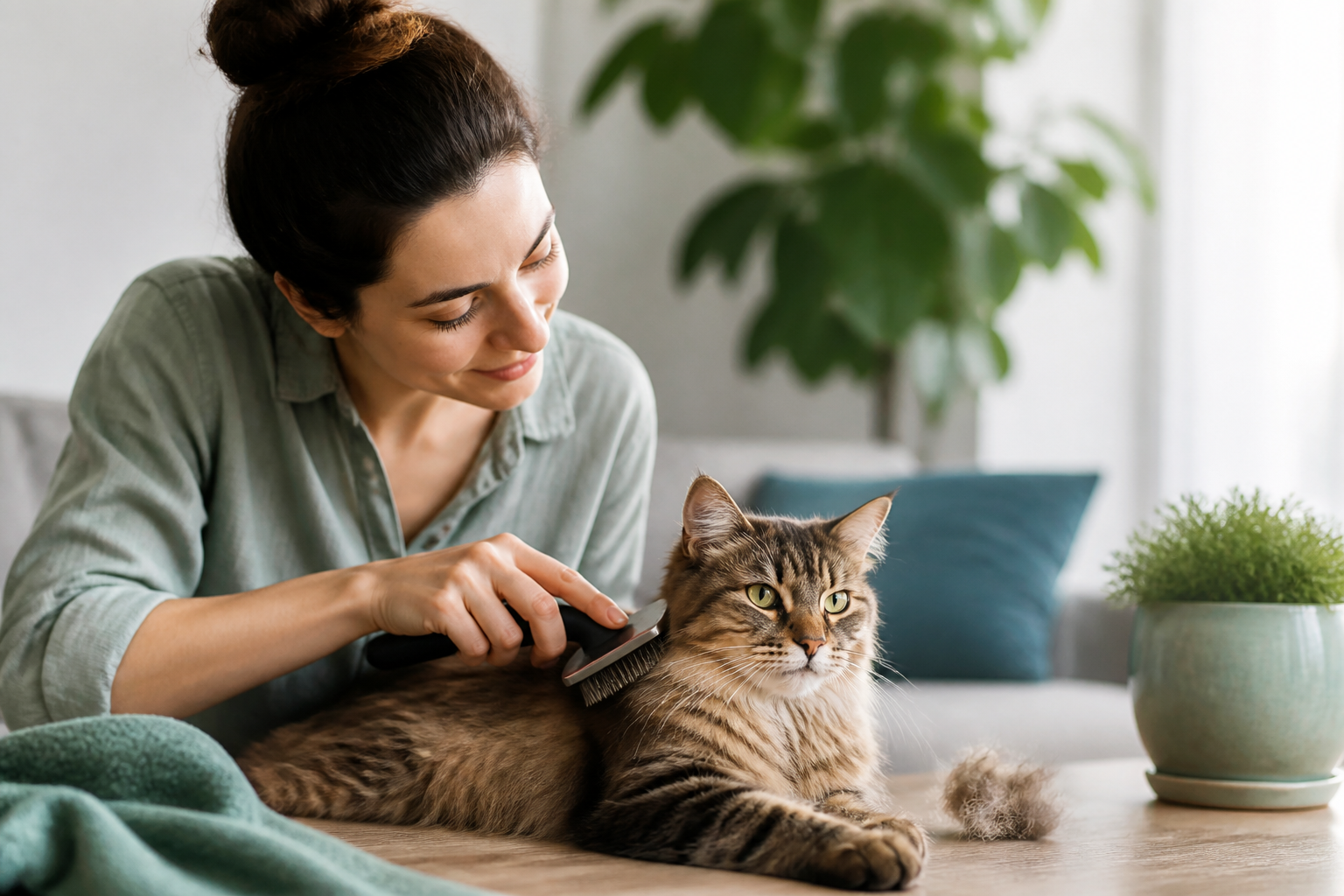
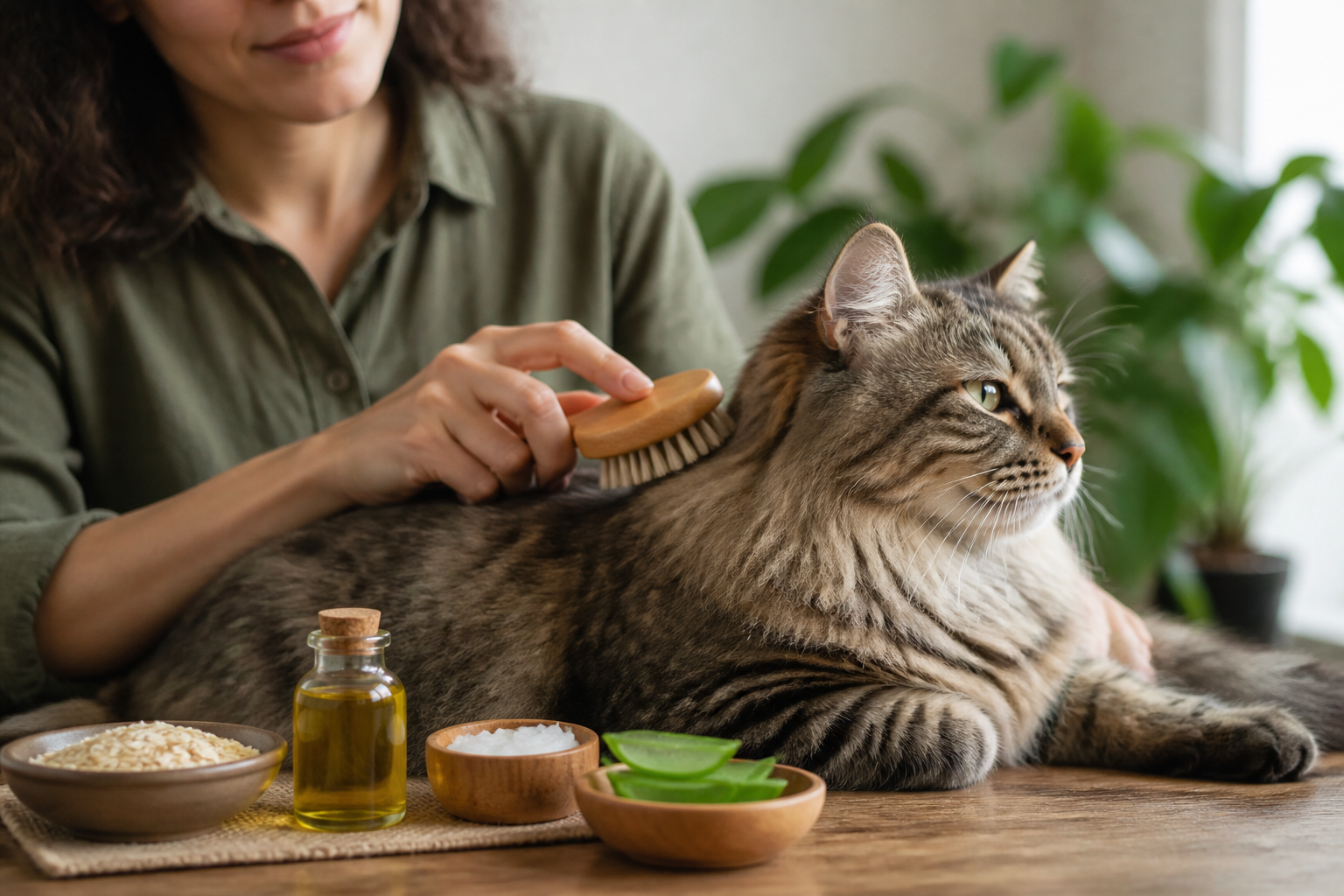
Regular brushing is the most direct way to manage dandruff. When you brush your cat, you are doing more than just removing loose fur. You are stimulating the skin and distributing natural oils across the entire coat.
Choosing the Right Tools
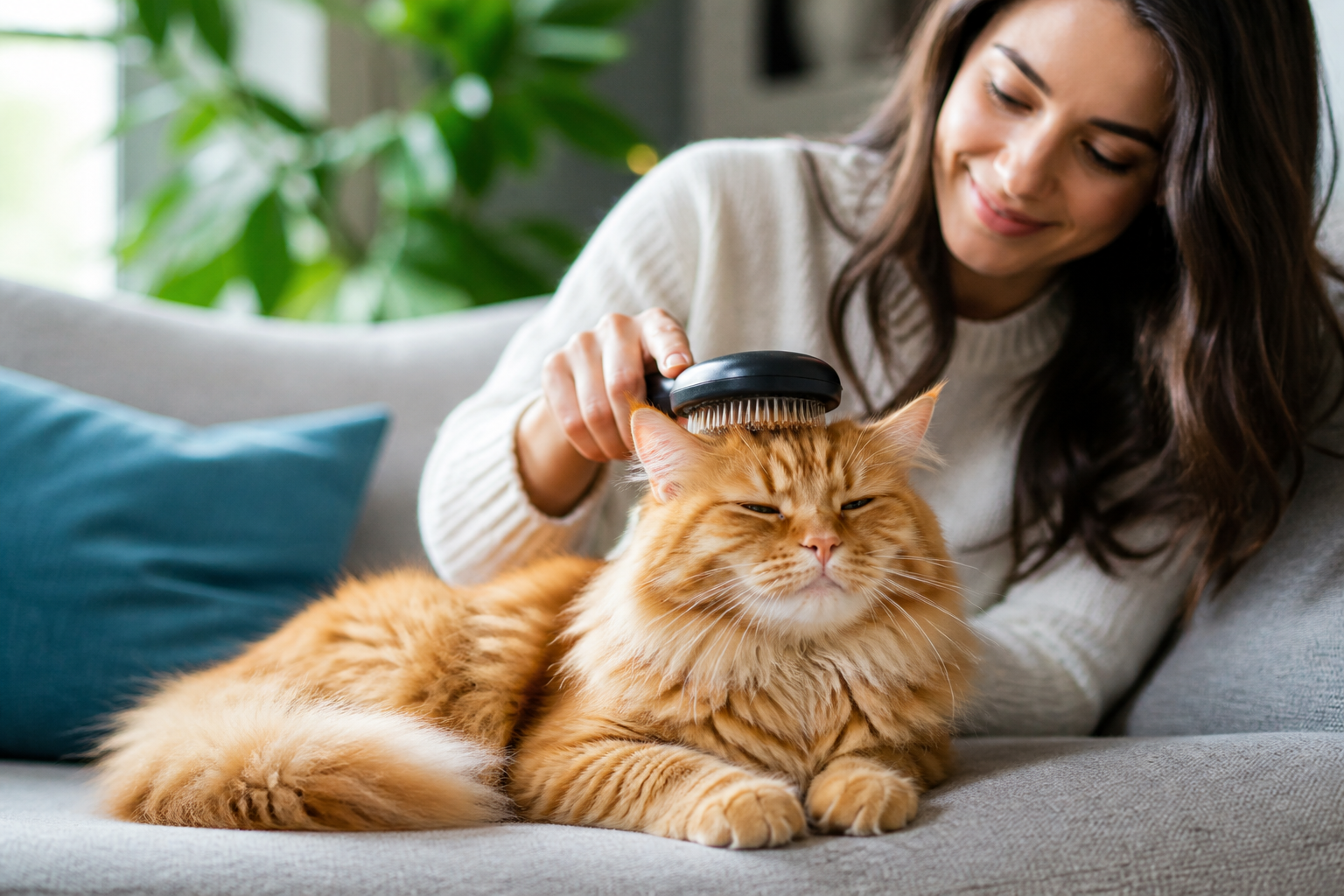
The tools you use matter. At BaxterBoo, we recommend different brushes based on your cat's coat length. A fine-tooth comb is excellent for short-haired cats to lift away flakes. For long-haired cats, a slicker brush or a deshedding tool can reach through the undercoat to remove trapped debris.
Creating a Low Stress Routine
Many cats are sensitive about being handled. Keep grooming sessions short and positive. Use treats to reward your cat for staying calm. If your cat has a specific area with heavy dandruff, focus on that spot for just a minute or two each day. Over time, the increased circulation and oil distribution will help the skin heal.
- Brush daily for 5 to 10 minutes.
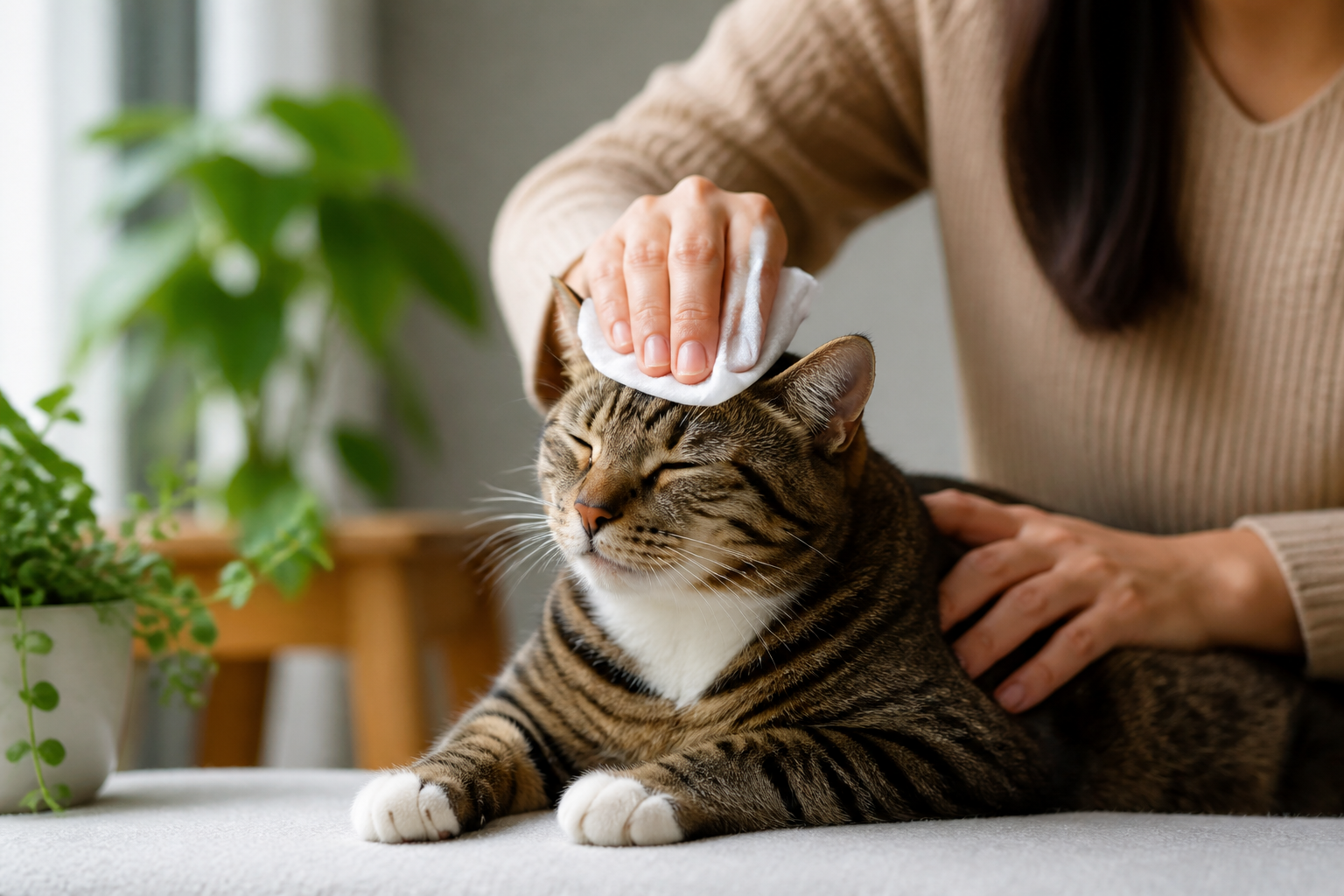
- Use a damp washcloth to gently wipe away surface flakes.
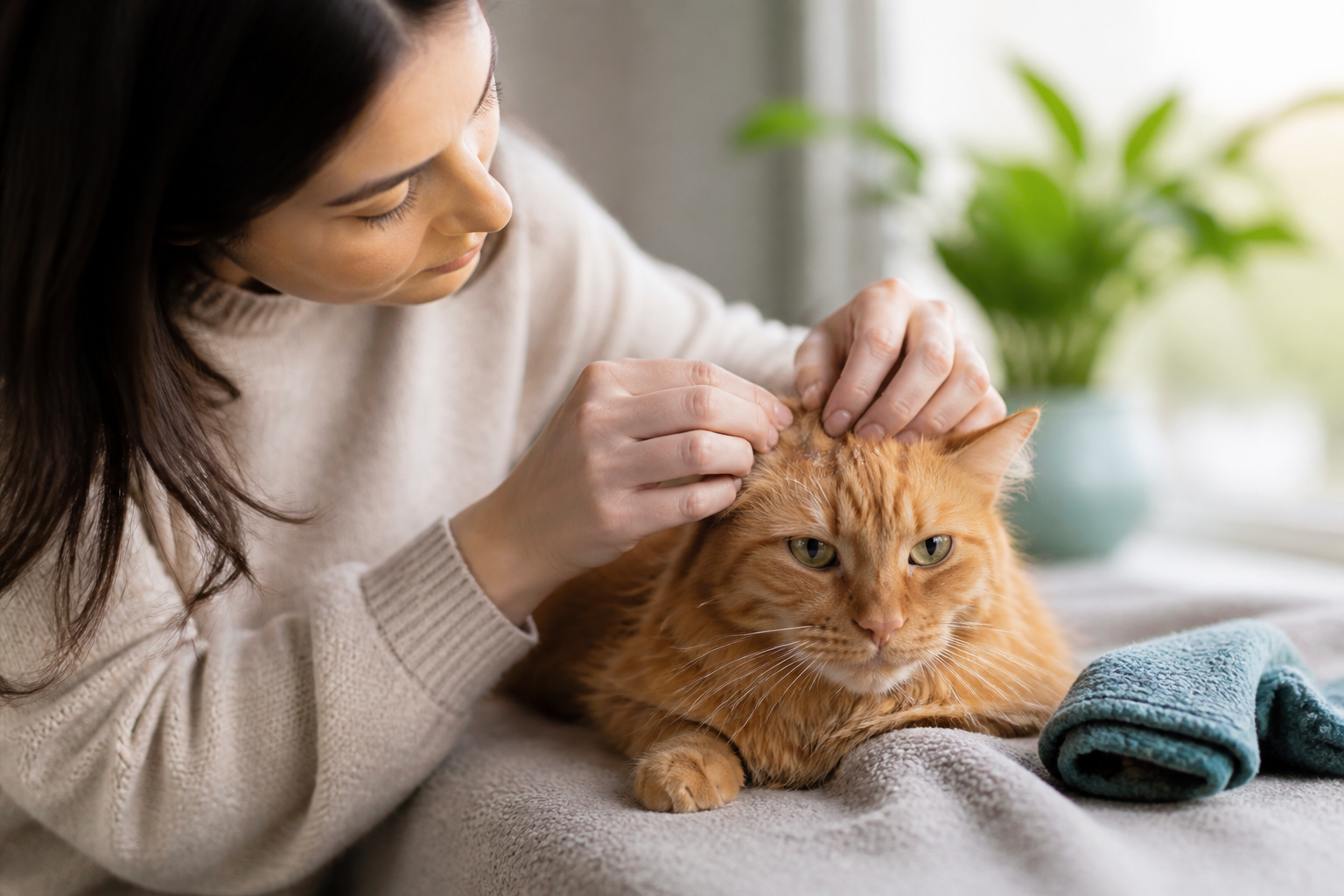
- Check for redness or sores during each session.
- Reward with a favorite treat immediately after.
Environmental Remedies for Dry Skin
The environment inside your home plays a massive role in your cat's skin health. This is especially true during the winter months when heaters run constantly. Forced air heating systems strip moisture from the air, which quickly dries out a cat's skin.
Using a Humidifier
Placing a humidifier in the room where your cat spends the most time can make a big difference. Aim to keep the humidity level in your home between 30 and 50 percent. This helps keep the skin supple and prevents the "static shock" that often happens when petting a dry cat.
Choosing Safe Cleaning Products
Sometimes, dandruff is a reaction to chemicals in the environment. Strong floor cleaners, laundry detergents used on pet bedding, and even certain air fresheners can irritate sensitive feline skin. Switch to scent-free, plant-based cleaning products to see if your cat's skin improves.
Key Takeaway: Managing the air quality and removing chemical irritants from your home can significantly reduce environmental triggers for dry, flaky skin.
When Home Remedies Are Not Enough
While many cases of dandruff respond to home care, some require medical intervention. If the skin looks red, inflamed, or has an odor, it is time to see a professional. You should also watch for "walking dandruff." This is not actually dandruff but a type of mite called Cheyletiella. These mites look like moving white specks and require specific medical treatment.
The Role of Prescription Diets
For cats with severe skin allergies or chronic conditions, a standard retail diet might not be enough. Our cat pharmacy offers FDA-approved prescription pet foods and medications through our partnership with Pet's Choice. If your veterinarian recommends a specific therapeutic diet or a medicated shampoo, we can help you manage those needs conveniently. Prescription diets for skin health are formulated with hydrolyzed proteins or specific nutrient ratios that are not found in over-the-counter options.
Identifying Red Flags
- Patchy hair loss or thinning fur.
- Excessive licking or biting at the skin.
- Scabs, crusts, or open sores.
- Significant changes in appetite or energy levels.
Vet Tip: Chronic skin issues can sometimes be symptoms of metabolic disorders like hyperthyroidism. Always have persistent dandruff evaluated by a vet to ensure there is not a more serious systemic issue at play.
Managing Weight and Mobility
Obesity is a leading cause of dandruff in middle-aged and senior cats. If a cat is carrying too much weight, they physically cannot reach their lower back or the base of their tail to groom. This results in a buildup of dead skin and oils in those specific areas.
Helping Senior Cats
Senior cats with arthritis may find the twisting and turning of grooming painful. If you notice dandruff primarily on the lower back of an older cat, they likely need your help. Use a soft brush or a grooming glove to assist them in the spots they can no longer reach.
If your cat needs weight management support or mobility supplements like Cosequin, our pharmacy and selection of specialty foods can help you get them back to a healthy weight. Our partnership with Pet's Choice ensures you have access to the prescription medications your vet may order for joint pain or weight control.
Bottom line: Assisting with grooming and managing your cat's weight can resolve dandruff caused by physical limitations.
Parasite Prevention as a Remedy
Fleas and mites are major contributors to skin irritation. Even a single flea bite can cause an allergic reaction in some cats, leading to intense scratching and flaky skin. Monthly prevention is the best way to ensure parasites are not the cause of your cat's dandruff.
We carry a variety of flea and tick protections, including options that require a prescription. Our cat healthcare collection can help you find products for routine wellness and parasite care. Keeping your cat on a consistent schedule prevents the cycle of itching and skin damage that leads to chronic dandruff.
Conclusion
Managing cat dandruff is often about returning to the basics of pet care. By focusing on high quality nutrition, proper hydration, and a consistent grooming schedule, you can help your cat maintain a healthy, flake-free coat. Remember that environmental factors like humidity and household cleaners also play a role in skin health. If you do not see improvement within a few weeks, or if you notice signs of discomfort, a veterinary consultation is the safest next step. We are here to support your journey with expertly curated products and a full-service pharmacy for your cat's ongoing health needs. To get started with a better routine, explore our cat grooming collection or consider setting up our Autoship programme for your cat's favorite wet food to ensure they stay hydrated year-round.
FAQ
Can I use human dandruff shampoo on my cat?
No, you should never use human dandruff shampoo on a cat. These products often contain ingredients like zinc pyrithione or salicylic acid at concentrations that are toxic to felines. Always use a shampoo specifically formulated for cats, or consult our pharmacy for medicated options recommended by your vet.
Is coconut oil a good home remedy for cat dandruff?
While some people apply small amounts of coconut oil topically, it can make the fur greasy and may cause stomach upset if the cat licks it off. It is generally more effective to provide healthy fats through their diet with fish oil supplements or high-quality food that contains balanced omega fatty acids.
Why does my cat only have dandruff on their lower back?
Dandruff concentrated on the lower back often indicates a grooming issue. This is a common sign of obesity or arthritis, as the cat cannot comfortably reach that area to clean themselves. Increasing your manual brushing in that specific spot can help clear the flakes while you work with a vet on weight or pain management.
How long does it take for home remedies to work on cat dandruff?
Skin cells take time to regenerate, so you should not expect an overnight fix. If you change your cat's diet or start a new supplement, it typically takes four to six weeks to see a noticeable improvement in the coat. Consistent daily brushing may show results in removing surface flakes within a week, but the underlying skin health takes longer to change.