
 Save 15% on your 1st Autoship learn more

 Email us
 Live Chat
 FAQs





Introduction
You reach down to pet your cat during their afternoon nap and notice a dusting of white flakes on their back. These flakes stand out clearly against their fur, especially if they have a dark coat. While you might initially think it is just a bit of dust, this is often the first sign of feline dandruff. At BaxterBoo, we know that seeing these flakes can be worrying for any pet owner. Most cases of cat dandruff are easy to manage with the right home care and nutritional support. This article explains the difference between normal shedding and dandruff. We will explore practical remedies like grooming techniques, dietary changes, and environmental adjustments. Our goal is to help you restore your cat's coat to its natural, glossy shine while ensuring their skin remains healthy and hydrated.
Quick Answer: Cat dandruff is the visible buildup of dead skin cells on a cat's fur. It is often caused by dry air, poor nutrition, or difficulty grooming. Common remedies include adding omega fatty acids to their diet, using a humidifier, and establishing a regular brushing routine.
Understanding Cat Dandruff vs. Dander
It is important to distinguish between dandruff and dander before you begin treatment. Every cat has dander. These are microscopic skin cells that shed naturally as the skin renews itself. You cannot see dander with the naked eye, but it is the primary cause of allergies in humans.
Dandruff is different because the flakes are large enough to see. These visible white or yellowish flakes indicate that the skin is shedding too quickly or that dead cells are clumping together. While a few tiny flakes might be normal during seasonal changes, excessive dandruff usually means the skin is out of balance.
Key Takeaway: All cats have microscopic dander as part of healthy skin renewal. Visible flakes are considered dandruff and often signal an underlying issue with hydration, grooming, or health.
Why Feline Skin Becomes Flaky
The skin is the largest organ of a cat's body. It acts as a protective barrier against the environment. When this barrier is compromised, the skin loses moisture. This leads to dryness, irritation, and the eventual shedding of dead skin cells in the form of dandruff. There are two main types of dandruff in cats. Dry seborrhea is the most common form, characterized by dry, white flakes. Oily seborrhea occurs when the skin produces too much sebum, resulting in greasy fur and yellowish scales.
Cat Skin & Coat Care





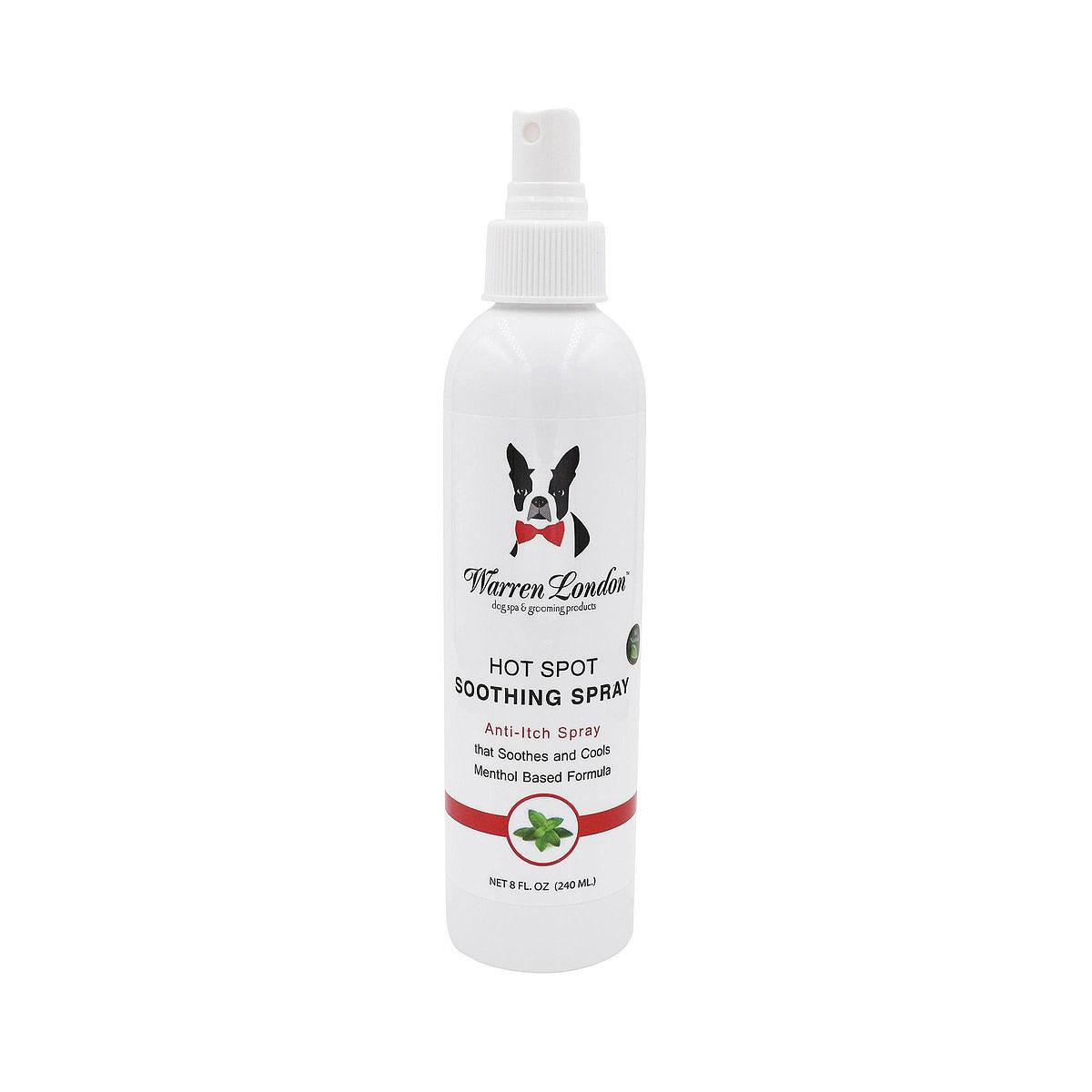

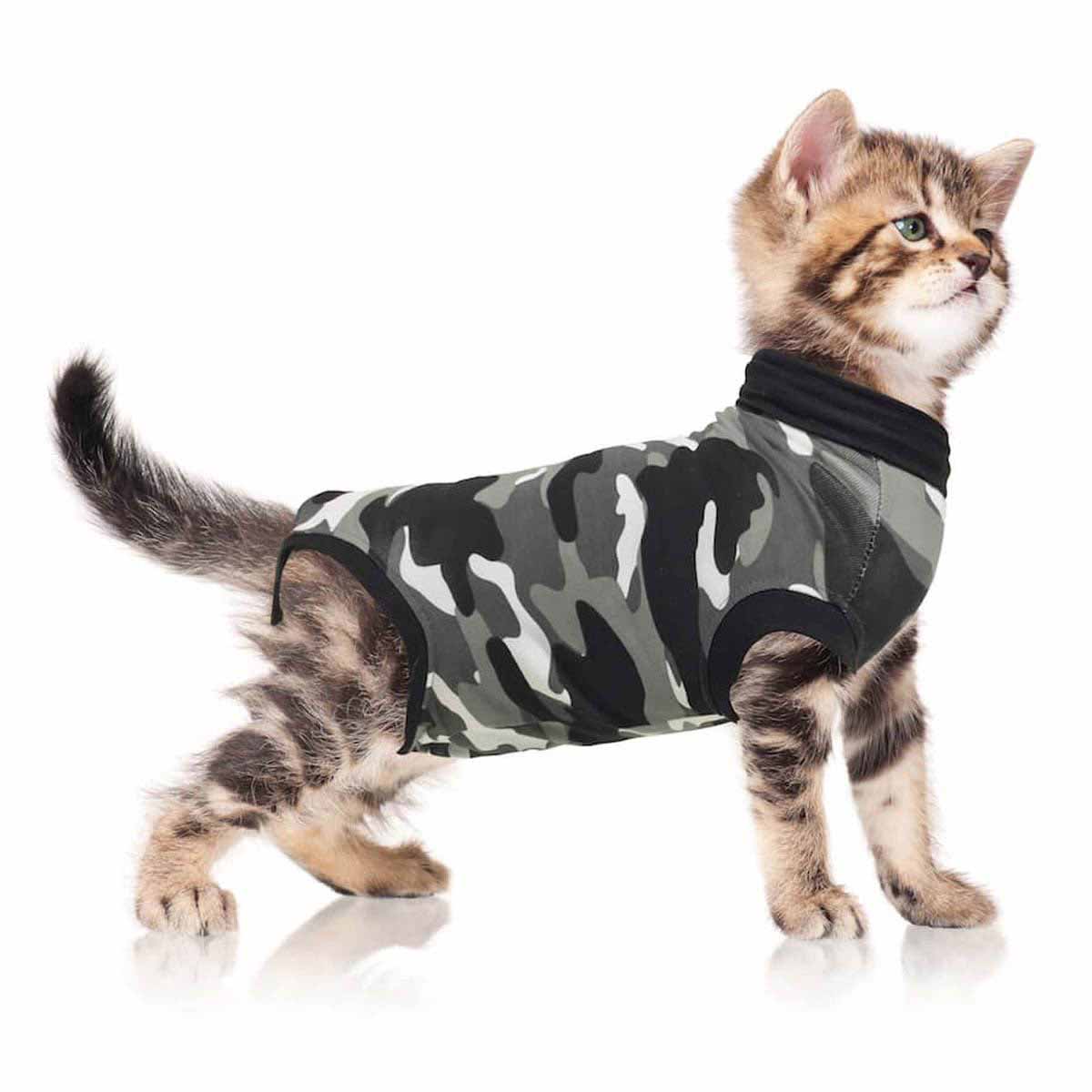


The Role of Nutrition in Skin Health
What your cat eats directly impacts the quality of their skin and coat. A coat that looks dull or flaky is often a sign that your cat is missing essential nutrients. Specifically, cats require high levels of protein and healthy fats to maintain their skin barrier. You can browse our cat food selection when considering different dietary options.
Essential Fatty Acids
Omega-3 and Omega-6 fatty acids are vital for skin health. These fats help reduce inflammation and keep the skin supple. Many dry kibble diets are processed at high temperatures, which can degrade these sensitive fats. If your cat's skin is dry, they may benefit from a diet higher in these nutrients. Brands like Stella and Chewy's or NutriSource often include these essential fats in their recipes to support a healthy shine.
The Importance of Moisture
Cats have a low thirst drive. In the wild, they get most of their water from their prey. Many indoor cats live on a diet of strictly dry food. This can lead to chronic mild dehydration, which shows up first as dry, flaky skin. One of the simplest remedies for cat dandruff is increasing their moisture intake. Explore our wet cat food options for ways to add moisture to your cat's meals.
Step 1: Introduce wet food. / Try replacing one dry meal a day with a high-quality canned food. Brands like Tiki Cat or Fussie Cat offer high-moisture options that cats love.
Step 2: Add water or broth. / You can add a splash of warm water or a pet-safe bone broth to their dry kibble. This makes the food more enticing and boosts hydration.
Step 3: Use a water fountain. / Cats are often attracted to moving water. A fountain can encourage them to drink more frequently than a stagnant bowl.
Vet Tip: If your cat is a picky eater, try adding a small amount of tuna water (with no added salt) to their bowl. This can entice them to consume more fluids, which helps hydrate their skin from the inside out.
Grooming as a Primary Remedy
Cats are famous for their grooming habits. They spend a significant portion of their day cleaning themselves with their sandpaper-like tongues. This process removes loose hair and dead skin cells. However, if a cat stops grooming effectively, dandruff will quickly accumulate. Our cat grooming collection includes brushes, combs, wipes, and other helpful supplies.
Brushing Techniques
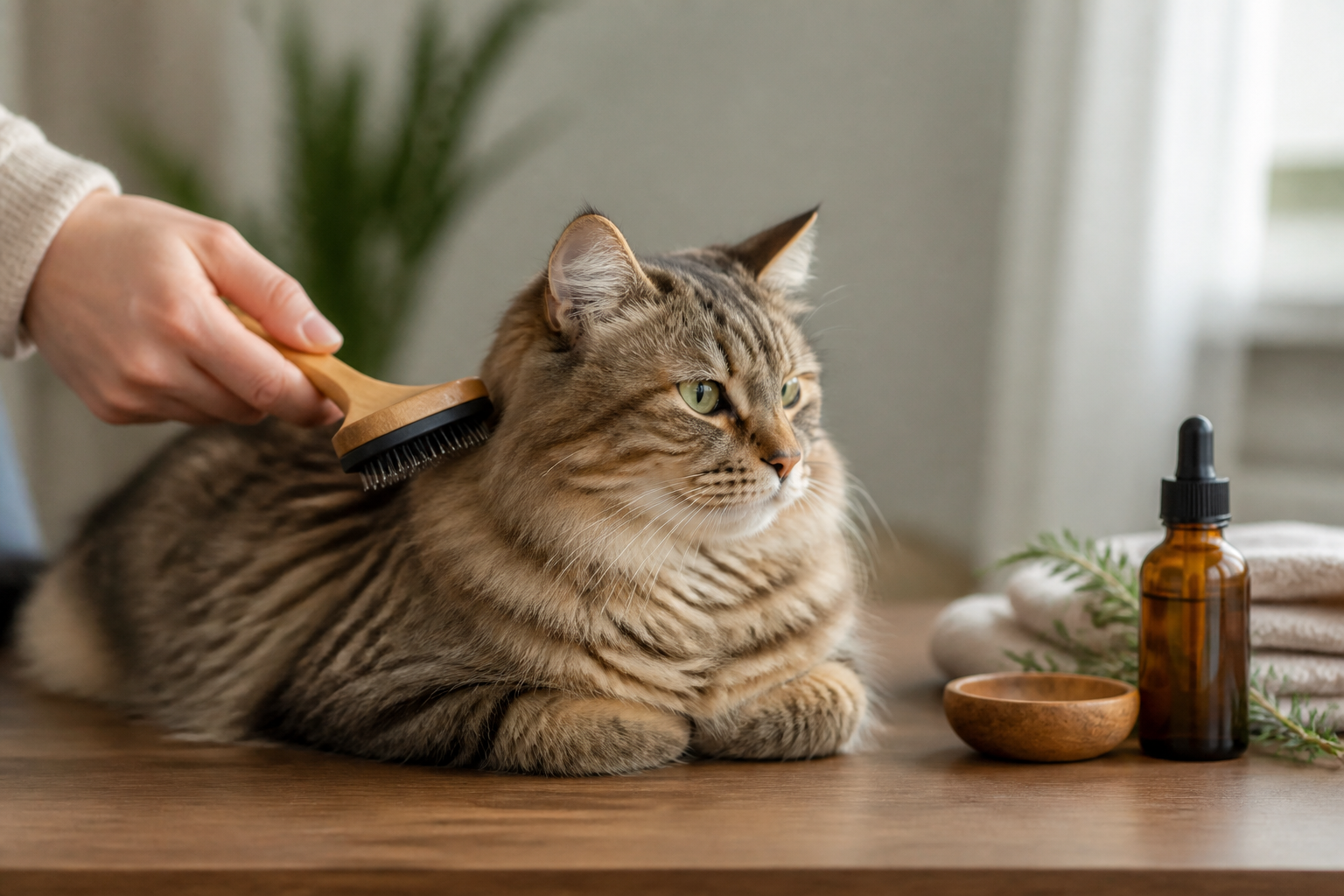
Regular brushing is one of the most effective ways to manage dandruff. It stimulates the skin and helps distribute natural oils across the entire coat. For short-haired cats, a soft bristle brush or a grooming glove is often enough. Long-haired cats require a sturdy comb or a slicker brush to reach the undercoat.
When you brush your cat, you are doing more than just cleaning them. You are also performing a mini-massage that improves circulation. This blood flow brings nutrients to the hair follicles and skin surface. Aim for at least three short sessions per week.
Handling Overweight or Senior Cats
Weight and age play a massive role in grooming success. If a cat is overweight, they may physically struggle to reach their lower back and the base of their tail. This is why you often see the most dandruff in those specific areas. Senior cats with arthritis may find the twisting and turning of grooming to be painful.
In these cases, you must step in to help. Use a damp, soft cloth to gently wipe down the areas your cat cannot reach. This mimics the action of their tongue and helps remove flakes without the stress of a full bath.
Bottom line: Regular brushing distributes natural skin oils and removes dead cells before they can clump into visible dandruff.
Environmental Adjustments for Dry Skin
The environment inside your home can be a major factor in skin health. This is especially true during the winter months when heaters are running constantly. Forced air heating systems strip the moisture out of the air. This causes the skin of both humans and pets to dry out.
Using a Humidifier
If you notice that your cat's dandruff gets worse when the temperature drops, the air in your home is likely too dry. Placing a humidifier in the room where your cat spends the most time can make a big difference. Aim for a humidity level between 40 and 50 percent. This helps keep the skin's moisture barrier intact.
Stress Reduction
It may seem surprising, but stress can cause a cat to develop dandruff almost instantly. When a cat is stressed, their body releases hormones that can affect skin secretions. You might notice a sudden "flare-up" of flakes during a vet visit or when a new guest arrives. Providing a calm environment with plenty of hiding spots can help. Using products from Jackson Galaxy or calming supplements like those from Zesty Paws can support a more relaxed feline friend.
When to Consider Medical Causes
While most dandruff is a simple case of dry skin, it can sometimes be a symptom of a medical condition. If you see other changes in your cat's behavior or appearance, it is time to consult your veterinarian.
Parasites and Walking Dandruff
Some parasites look exactly like flakes of skin. Cheyletiella mites are often called "walking dandruff" because they are visible to the naked eye. If you look closely at the flakes on your cat and see them moving, you are likely dealing with a mite infestation. These mites are highly contagious and require specific medical treatment.
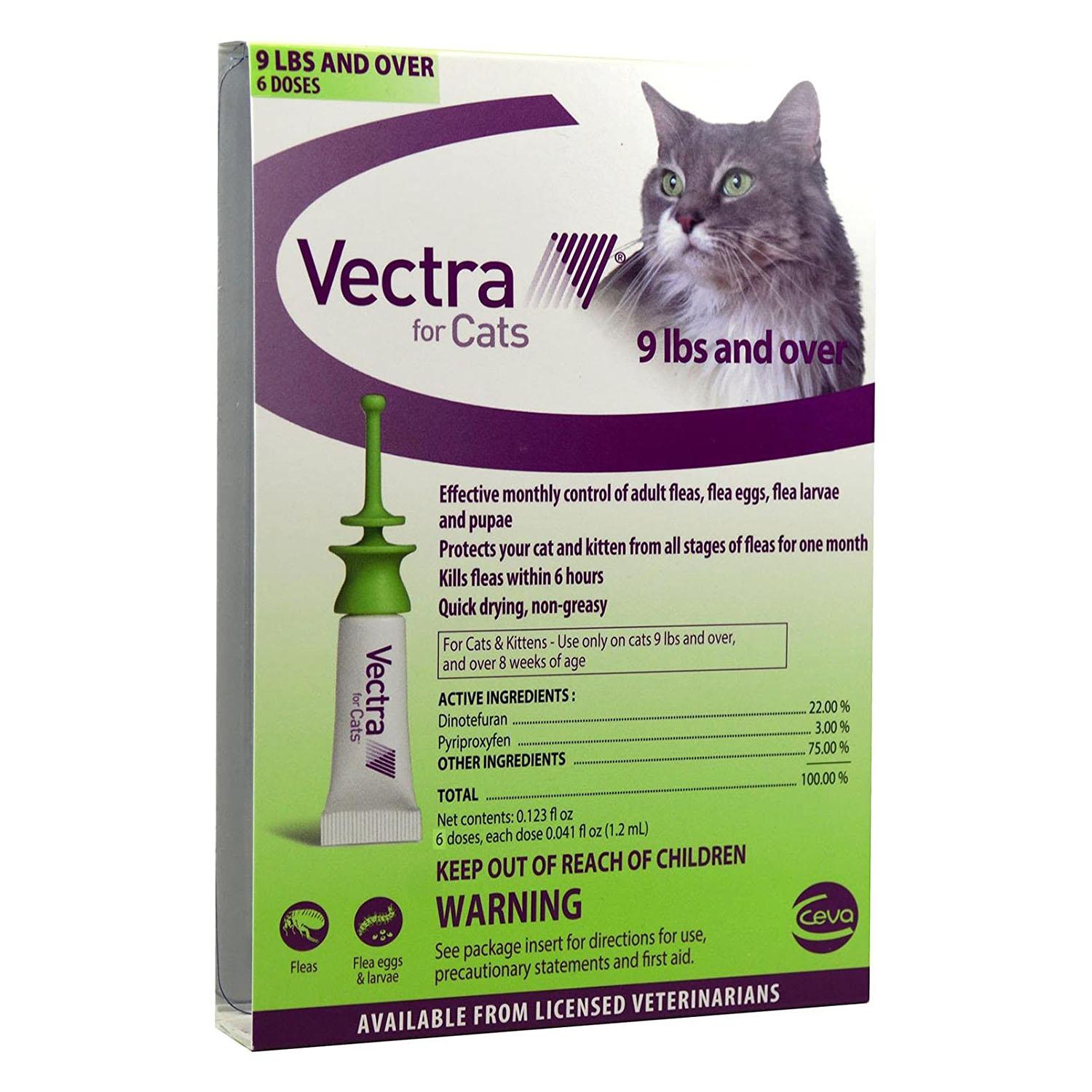
Flea infestations can also lead to skin irritation and flaking. Even if you do not see the fleas, your cat may be allergic to flea saliva. This causes intense itching and scabbing. For additional prevention guidance, read about flea and tick prevention products.
Health Conditions and the Pharmacy
Systemic issues like diabetes, hyperthyroidism, or kidney disease can change the way a cat's body processes nutrients. This often results in a dull, greasy, or flaky coat. If your cat is also drinking more water than usual, losing weight, or acting lethargic, the dandruff is likely a secondary symptom of a bigger problem.
Our cat pharmacy offers a wide range of medications for chronic conditions through our partnership with Pet's Choice. If your veterinarian prescribes a medicated shampoo or a prescription diet like Farmina Vet Life, you can easily fulfill those needs through us. This partnership allows us to support your cat's health journey beyond just treats and toys.
Vet Tip: Always consult your veterinarian if dandruff is accompanied by red skin, hair loss, or sores. These signs indicate an infection or parasite that requires professional diagnosis and medical treatment.
Should You Bathe a Cat with Dandruff?
The question of whether to bathe a cat is a common one. For most cats, a bath is an extremely stressful experience. Stress can actually make skin conditions worse. In most cases, a bath is not necessary to treat simple dandruff.
However, if your vet recommends a medicated shampoo for a fungal or bacterial infection, you must follow their instructions. When bathing a cat, always use a shampoo specifically formulated for felines. Human shampoos have a different pH balance and can strip away the very oils you are trying to protect.
Alternatives to a Full Bath
If your cat needs cleaning but cannot handle a tub of water, consider waterless cat grooming supplies. These allow you to spot-clean the fur and remove flakes without the drama of a bath. Look for products containing soothing ingredients like aloe or oatmeal.
Choosing the Right Gear for Skin Care
Using the right tools makes the grooming process easier for both you and your cat. We carry a wide selection of brushes and combs at our warehouse in Vernon Hills. Our team handpicks every product to ensure it meets our standards for quality and comfort.
- Slicker Brushes: Excellent for removing loose fur and debris from medium to long coats.
- Fine-Tooth Combs: These are perfect for detecting fleas and removing stubborn flakes near the skin.
- Soft Bristle Brushes: Best for short-haired cats or those with sensitive skin.
- Rubber Grooming Mitts: These provide a gentle massage while pulling away loose hair.
When you shop with us, you can earn rewards on every purchase through the MVP Rewards program. This is a great way to save on the grooming tools and premium foods your cat needs to stay flake-free.
Managing Weight for Better Skin
As mentioned earlier, obesity is a leading cause of poor grooming. If your cat has a "tuck" in their waist and you can easily feel their ribs, they are likely at a healthy weight. If they have become more rounded, they may be unable to reach the spots where dandruff is forming.
Switching to a weight-management food can help. Many of these formulas are high in fiber to help your cat feel full while consuming fewer calories. As they lose weight, they will regain the flexibility needed to keep their own coat clean. You can even set up these foods through our Autoship programme so you never run out, and you will save on your first order.
Key Takeaway: Helping an overweight cat reach a healthy weight is one of the most effective long-term remedies for persistent dandruff on the lower back.
Summary of Remedies for Cat Dandruff
Managing flaky skin involves a multi-pronged approach. You must address the environment, the diet, and the physical maintenance of the coat.
- Brush your cat at least three times a week to distribute oils.
- Increase hydration by adding wet food or using a water fountain.
- Supplement the diet with Omega-3 and Omega-6 fatty acids.
- Use a humidifier during winter to prevent the skin from drying out.
- Help senior or overweight cats with gentle wipe-downs.
- Maintain strict flea and tick prevention to avoid parasitic irritation.
Bottom line: Most cases of cat dandruff respond well to increased hydration and regular grooming within a few weeks.
Conclusion
Cat dandruff is usually a manageable condition that responds well to small changes in daily care. By focusing on high-quality nutrition, consistent grooming, and a hydrated environment, you can help your cat feel more comfortable and look their best. At BaxterBoo, we have been helping pet owners since 2006 with expertly curated products and a dedicated pharmacy for more complex health needs. Whether you are looking for a new slicker brush or a specialized skin-support diet, we are here to support your pet's wellness journey. If your cat's skin does not improve or if you notice signs of irritation, please reach out to your veterinarian for a professional checkup. To get started on a new skin-care routine, browse our premium cat foods and grooming supplies today.
FAQ
Is it normal for my cat to have a little bit of dandruff?
A very small amount of dandruff can be normal as cats naturally shed skin cells. However, if the flakes are numerous, persistent, or accompanied by itching and redness, it usually indicates a need for better hydration or a change in diet.
Can I use my own dandruff shampoo on my cat?
No, you should never use human dandruff shampoo on a cat. Human skin has a different pH level than feline skin, and many human products contain ingredients like zinc or salicylic acid that can be toxic if your cat licks their fur.
How long does it take for cat dandruff to go away?
With consistent grooming and dietary changes, you should see an improvement in your cat's coat within two to four weeks. If the dandruff is caused by a medical condition or parasites, it may take longer and will require professional treatment from a veterinarian.
Does wet food really help with cat dandruff?
Yes, wet food is a great remedy because it significantly increases your cat's overall hydration. Better internal hydration leads to more moisture in the skin, which helps prevent the dryness and flaking that cause dandruff.






- Site & Contents BaxterBoo.com. BaxterBoo is located in the United States.
- Privacy & Security
- Terms of Use
- Accessibility Statement
