
 Save 15% on your 1st Autoship learn more

 Email us
 Live Chat
 FAQs





Introduction
You are petting your cat on a sunny afternoon when you notice a dusting of white flakes along their lower back. On a dark-coated cat, these specks stand out like salt on a table. While a few flakes might seem like a minor cosmetic issue, they often signal that your cat’s skin needs more attention. At BaxterBoo, we know that a shiny, flake-free coat is more than just a beauty standard. It is a primary indicator of your pet's internal health and comfort. This post covers the most common causes of feline skin flaking and the practical steps you can take to fix it. We will explore everything from grooming habits and hydration to environmental changes and medical interventions. Our goal is to help you understand when home care is enough and when it is time to consult a professional.
Quick Answer: Treatment for cat dandruff involves regular brushing to distribute skin oils, increasing hydration through wet food, and adding Omega-3 supplements to the diet. If the flakes are accompanied by itching or redness, a veterinary visit is necessary to rule out parasites or underlying health conditions.
What is Cat Dandruff?
It is easy to confuse different skin conditions. To treat your cat effectively, you first need to identify what you are seeing. Dandruff is not the same as dander, though people often use the terms interchangeably. Dander consists of microscopic skin cells that all cats shed naturally. You cannot see individual pieces of dander with the naked eye. It is perfectly normal and is the primary cause of allergies in humans.
Dandruff, however, consists of visible white or gray flakes of dead skin. It occurs when the skin becomes irritated, overly dry, or excessively oily. When skin cells mature and die too quickly, they clump together and become visible on the fur. You might also notice these flakes on your cat’s favorite bedding or the places where they lounge.
Dandruff vs. Flea Dirt
Before you start a dry skin treatment, you must ensure you are not dealing with a parasite infestation. Flea dirt is often mistaken for dark dandruff. If you see black specks that look like ground pepper, this is likely flea excrement. You can test this by placing the black specks on a damp white paper towel. If the specks turn red or rusty, it is flea dirt. True dandruff will always remain white or translucent. If you suspect fleas, our cat pharmacy carries a wide range of FDA-approved preventives through our partnership with Pet's Choice to help clear the infestation.
Types of Dandruff
Not all flakes are created equal. Some cats suffer from dry seborrhea, which results in the classic dry, dusty flakes. Others might have oily seborrhea. In these cases, the skin feels greasy to the touch and the flakes might appear yellowish or clumped. Identifying whether your cat is "dry" or "oily" helps determine which grooming products will work best.
Key Takeaway: Feline dandruff is the visible shedding of dead skin cells, whereas dander is microscopic and normal. Always check if the "flakes" are white (dandruff) or black (flea dirt) before choosing a treatment.
Cat Skin & Coat Care





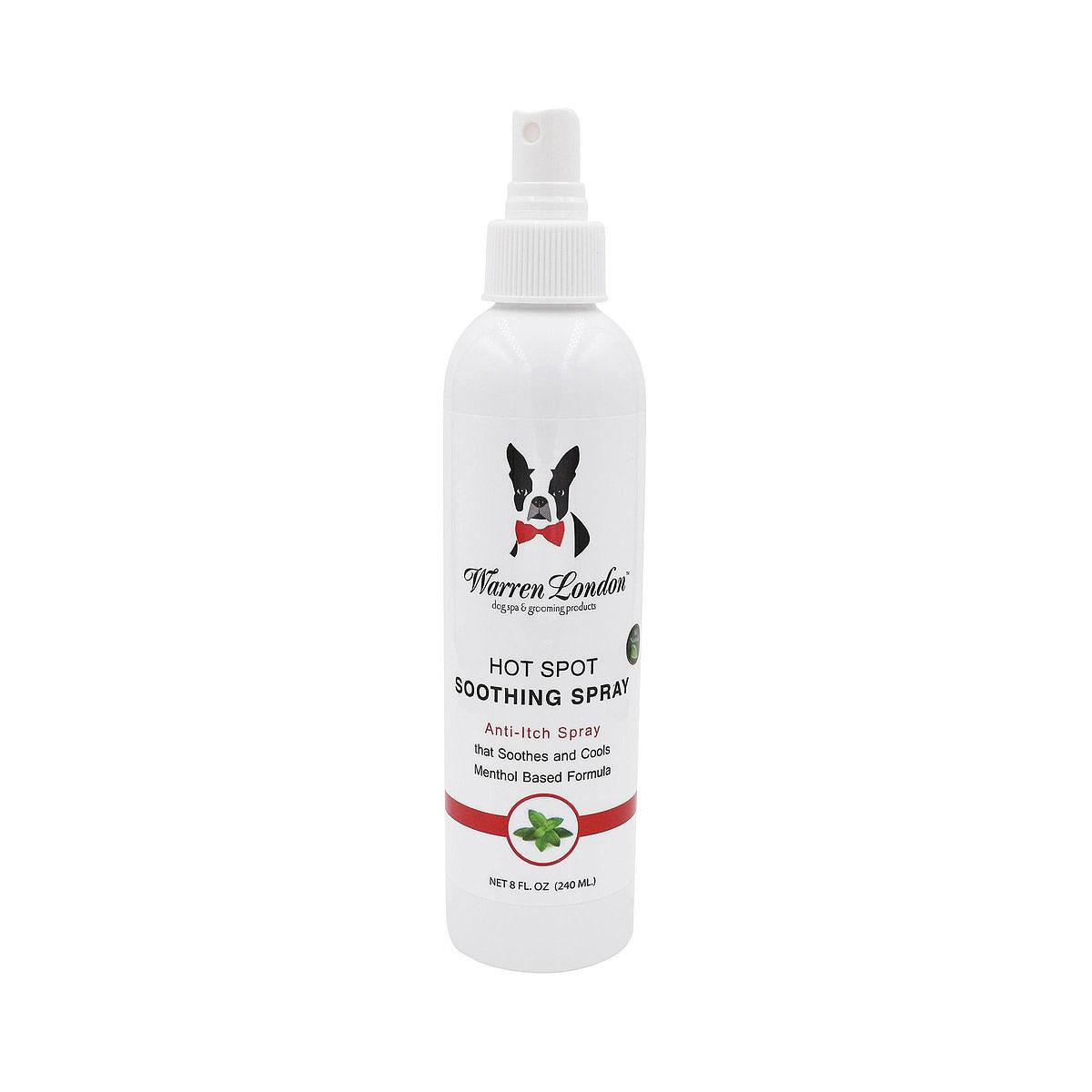



Common Causes of Feline Flaking
Understanding the cause is the first step toward finding the right treatment for cat dandruff. Most cases stem from one of three areas: environment, lifestyle, or medical issues.
Environmental Factors
The air in your home plays a significant role in skin health. During the winter months, indoor heating systems strip moisture from the air. This dry environment can sap the natural oils from your cat’s coat. Just as your own skin might feel tight or itchy in December, your cat’s skin reacts by flaking.
Grooming and Mobility Issues
Cats are famous for their grooming habits, but sometimes they cannot keep up. If a cat is overweight, they may have trouble reaching the base of their tail or their lower back. This is where dandruff most commonly accumulates. Similarly, senior cats with arthritis may find the twisting and stretching required for grooming to be painful. When a cat stops grooming an area, dead skin and loose hair build up, leading to visible flakes and mats.
Nutritional Deficiencies
Healthy skin requires specific building blocks. If a cat’s diet is low in essential fatty acids, the skin barrier weakens. This allows moisture to escape and irritants to enter. Dehydration also plays a role. Cats have a low thirst drive and often do not drink enough water from a bowl. If they eat a diet consisting entirely of dry kibble, they may exist in a state of mild, chronic dehydration that shows up on their skin.
Medical Conditions
Sometimes dandruff is a secondary symptom of a bigger problem. Conditions like hyperthyroidism, diabetes, or kidney disease can change the texture of the skin and the quality of the coat. Allergies, whether to food or environmental triggers like pollen, can also cause inflammation that leads to flaking.
Vet Tip: If your cat is suddenly unable to groom themselves or if you notice a significant change in their thirst and appetite alongside dandruff, schedule a veterinary exam. These can be early warning signs of systemic issues like arthritis or metabolic disease.
Identifying "Walking Dandruff"
There is one specific type of dandruff that requires immediate medical attention. Cheyletiella mites are tiny parasites that live on the skin surface. They are large enough to be seen with a magnifying glass. As they move under the scales of the skin, the flakes appear to be moving on their own. This is why the condition is nicknamed "walking dandruff."
This condition is highly contagious to other pets and can even cause a temporary itchy rash on humans. It is not something you can treat with standard grooming or diet changes. If you see "moving" flakes, you must see a veterinarian for a prescription parasitic treatment. Our cat pharmacy through Pet's Choice provides the necessary medications to eliminate these mites once a diagnosis is confirmed.
Grooming Strategies for Relief
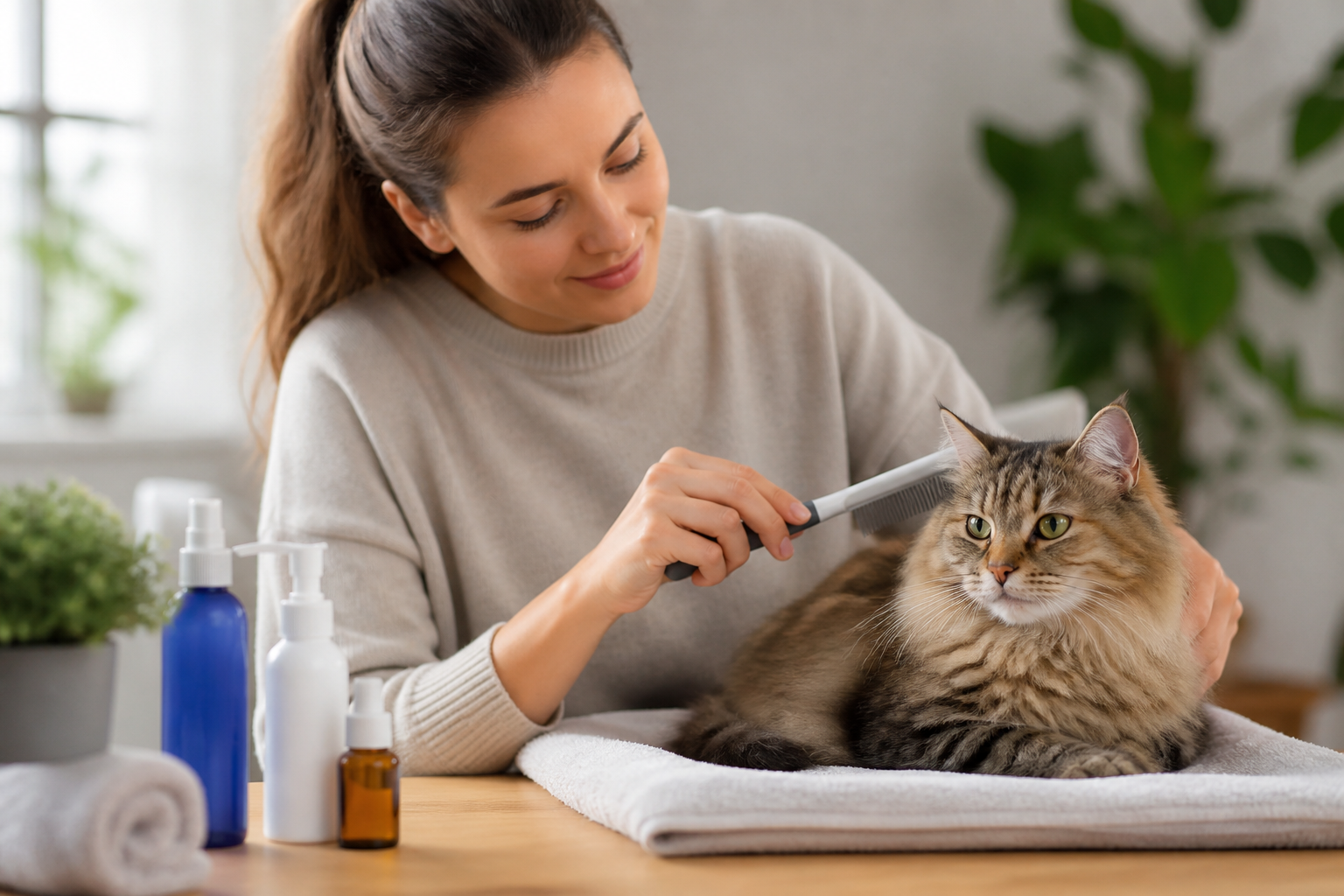
Consistent grooming is one of the most effective treatments for cat dandruff. It does more than just remove the flakes you see. Brushing stimulates the blood flow to the surface of the skin and helps distribute natural oils across the entire hair shaft. Explore our cat grooming collection for brushes, combs, shampoos, and other care supplies.
Choosing the Right Tools
The tool you choose depends on your cat’s coat type.
- Slicker Brushes: These have fine wire bristles and are excellent for removing loose undercoat hair in long-haired cats.
- Rubber Brushes: Brands like Kong make rubber grooming tools that are perfect for short-haired cats. The rubber "fingers" massage the skin and grab loose fur without being abrasive.
- Boar Bristle Brushes: These are ideal for finishing. They are the best at moving oils from the skin down to the tips of the fur.
The Brushing Routine
If your cat already has dandruff, start with short, daily sessions. Focus on the areas where the flakes are most prominent. Be gentle, as skin with dandruff can sometimes be tender or inflamed.
Step 1: Start at the head and work your way back. Use long, gentle strokes in the direction of hair growth.
Step 2: Pay extra attention to the lower back and base of the tail. These are the "high-flake" zones for most cats.
Step 3: Reward your cat with a small treat after the session. This helps them associate grooming with a positive experience.
To Bathe or Not to Bathe?
Most cats do not need regular baths. In fact, bathing a cat too often can strip away the very oils you are trying to preserve. However, if your cat has a greasy coat or a heavy buildup of flakes, a one-time bath with a specialized shampoo can provide a "reset." Use a soap-free, moisturizing shampoo formulated specifically for cats. Look for ingredients like oatmeal, aloe vera, or honey. Never use human shampoo, as the pH balance is completely different and can cause further irritation. A product such as earthbath® Oatmeal & Aloe Shampoo is listed in our cat grooming collection.
Key Takeaway: Daily brushing is a cornerstone of dandruff treatment. It removes dead skin cells and spreads natural oils that keep the skin supple and hydrated.
Nutritional Support and Hydration
What goes into your cat is just as important as what you put on their coat. Nutrition is often the missing link in treating persistent skin flakes.
The Power of Omega Fatty Acids
Omega-3 and Omega-6 fatty acids are essential for maintaining the skin’s moisture barrier. Most commercial cat foods contain Omega-6, but many are low in Omega-3. Adding a high-quality fish oil supplement can make a dramatic difference in 3 to 4 weeks. Look for supplements derived from wild-caught salmon or small fish like anchovies and sardines. These are concentrated sources of EPA and DHA, which help reduce skin inflammation. Our skin and coat care collection includes supplements and other products for supporting your cat’s coat.
Bridging the Moisture Gap
Since dehydration is a leading cause of dry skin, increasing water intake is vital.
- Introduce Wet Food: If you currently feed only dry kibble, try replacing one meal a day with high-quality canned food. Brands like Tiki Cat or Fussie Cat offer high-moisture options that cats usually find irresistible.
- Use a Water Fountain: Many cats prefer running water over a stagnant bowl. A fountain can entice them to drink more frequently.
- Add "Flavor" to Water: You can add a splash of tuna juice (unsalted) or a specialized cat broth to their water to encourage hydration.
For additional meal options, browse our wet cat food selection.
Specialized Diets
For cats with severe dandruff caused by food sensitivities, a limited-ingredient diet might be necessary. We carry brands like The Honest Kitchen and Stella and Chewy's that offer simple, clean ingredient lists. If your veterinarian suspects a true food allergy, they may recommend a prescription diet. You can fulfill these prescriptions through our pharmacy partnership with Pet's Choice, ensuring your cat gets exactly what the doctor ordered.
Bottom line: Improving your cat's hydration and adding Omega-3 fatty acids can strengthen the skin's natural barrier and reduce flaking from the inside out.
Environmental Adjustments
Sometimes the treatment for cat dandruff is as simple as changing the air in your home. This is particularly true if the flaking only happens during certain times of the year.
Managing Humidity
If your skin feels dry and your cat is flaking, the humidity in your home is likely too low. Aim for a humidity level between 40% and 50%. Using a humidifier in the room where your cat spends the most time can provide significant relief. This is a passive treatment that benefits everyone in the household.
Reducing Stress
Stress can manifest in physical ways for cats. When a cat is stressed, their body may produce more cortisol, which can affect skin health and grooming habits. If you have recently moved, added a new pet, or changed your schedule, your cat’s dandruff might be a stress response. Using calming diffusers or providing more vertical space and hiding spots can help lower their anxiety levels.
Cleaning and Detergents
Cats spend a lot of time laying on carpets and blankets. If you use harsh chemicals or heavily scented detergents, these can irritate their skin. Switch to "free and clear" laundry products for any bedding your cat uses. Vacuuming regularly with a HEPA filter can also remove environmental allergens like dust mites and pollen that might be irritating your cat's skin.
When Medical Intervention is Necessary
While many cases of dandruff respond to home care, you should never ignore signs of a more serious issue. At BaxterBoo, we want your pet to feel their best, which sometimes means a trip to the vet is the most caring choice you can make.
Signs of Infection
If the skin under the flakes is red, weeping, or has a strange odor, your cat may have a bacterial or fungal infection. Ringworm, which is actually a fungus, often starts as flaky patches that progress to circular bald spots. This requires specific antifungal medication.
Chronic Health Management
For cats with underlying conditions like diabetes or hyperthyroidism, dandruff will not resolve until the primary disease is managed. These cats often require ongoing medication. Our cat pharmacy offers a convenient way to manage these chronic needs. By working with Pet's Choice, we provide FDA-approved medications and prescription foods that help stabilize your cat's health, which in turn improves their coat quality.
Parasite Prevention
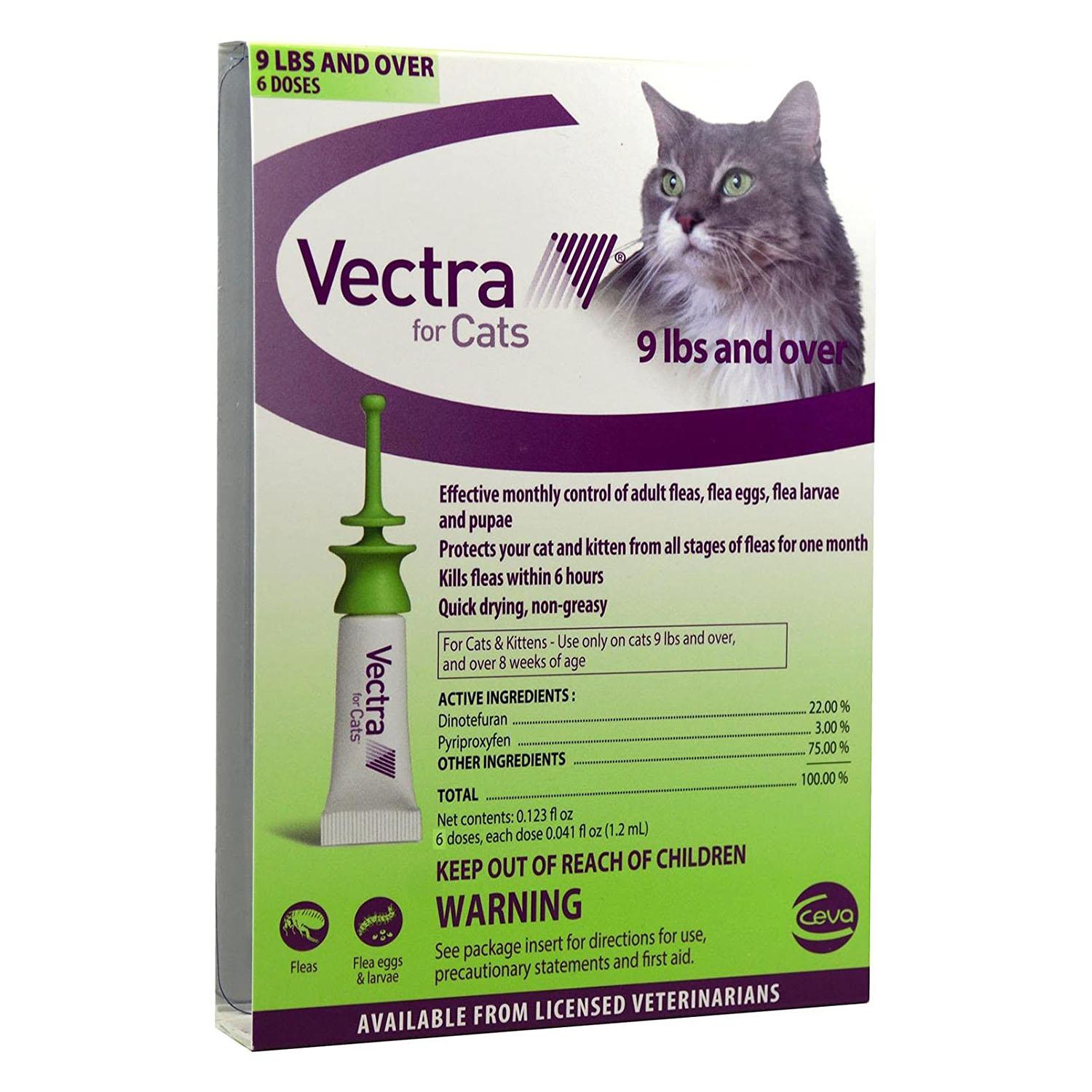
Monthly preventives are the best way to ensure fleas and mites never get a chance to cause skin issues. Even indoor cats need protection, as fleas can hitch a ride on your clothing or enter through window screens. We offer a wide selection of trusted brands like Frontline and NexGard through our pharmacy to keep your pet protected year-round. For more information about parasite protection, read our guide to flea and tick prevention products.
Vet Tip: If your cat is scratching so much that they are creating sores or losing hair in clumps, do not wait for the dandruff to clear on its own. These symptoms suggest an allergy or infection that needs professional diagnosis and treatment.
Conclusion
Treating cat dandruff is rarely about a single "quick fix." It is about looking at your cat's lifestyle and making small, meaningful changes. Start by increasing their grooming sessions with a soft brush and adding a splash of wet food to their diet. Consider a fish oil supplement to support their skin barrier from the inside. At BaxterBoo, we have seen how these simple steps can transform a dull, flaky coat into a sleek, healthy one. If home remedies are not enough, remember that our pharmacy is here to provide the prescription support your vet recommends. Your cat's skin is their first line of defense, and keeping it healthy is one of the best ways to ensure they stay comfortable and happy for years to come.
Key Takeaway: Most cat dandruff is manageable with better hydration, Omega-3 supplements, and consistent grooming. However, moving flakes or inflamed skin require a veterinary visit and specialized medication.
Bottom line: Start with grooming and diet, but do not hesitate to use our pharmacy services if your vet prescribes a medical solution for your cat's skin health.
FAQ
Is it normal for cats to have a little bit of dandruff?
A few occasional flakes are usually not a cause for concern, especially during seasonal changes or in older cats who might miss a spot while grooming. However, if the dandruff is persistent, covers a large area, or is accompanied by itching, it is a sign that the skin is not as healthy as it should be. You should monitor your cat for any changes in behavior or skin redness.
Can I use human anti-dandruff shampoo on my cat?
No, you should never use human dandruff shampoos on a cat. These products are formulated for the pH of human skin and often contain ingredients like zinc pyrithione or selenium sulfide, which can be toxic to cats if they lick their fur after the bath. Always use a soap-free shampoo specifically designed for felines.
Why does my cat only get dandruff on their lower back?
The lower back and the base of the tail are the hardest areas for a cat to reach, especially if they are a bit overweight or have stiff joints from arthritis. Because they cannot groom these spots effectively, dead skin cells and natural oils build up, leading to visible flakes. Regular brushing in these specific areas can help clear up the problem.
Does diet really affect how much dandruff my cat has?
Diet is one of the most significant factors in skin health. Cats need high-quality proteins and essential fatty acids like Omega-3 to maintain a healthy skin barrier. If their food is lacking these nutrients, or if they are dehydrated from a dry-kibble-only diet, their skin will often become dry and flaky. Transitioning to a high-moisture diet can often solve the problem.






- Site & Contents BaxterBoo.com. BaxterBoo is located in the United States.
- Privacy & Security
- Terms of Use
- Accessibility Statement
