Save 15% on your 1st Autoship learn more

 Email us
 Live Chat
 FAQs
FAQs





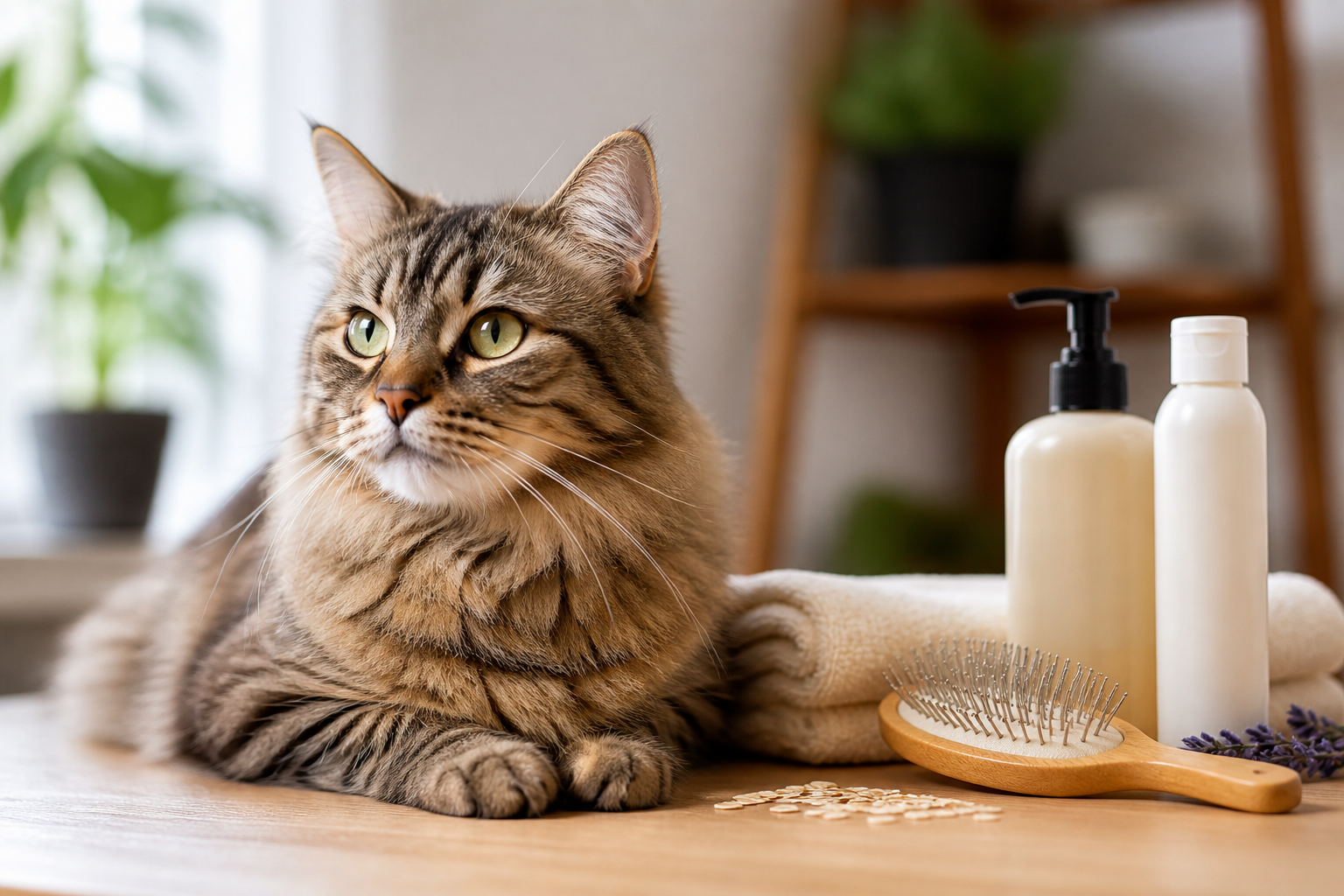
Introduction
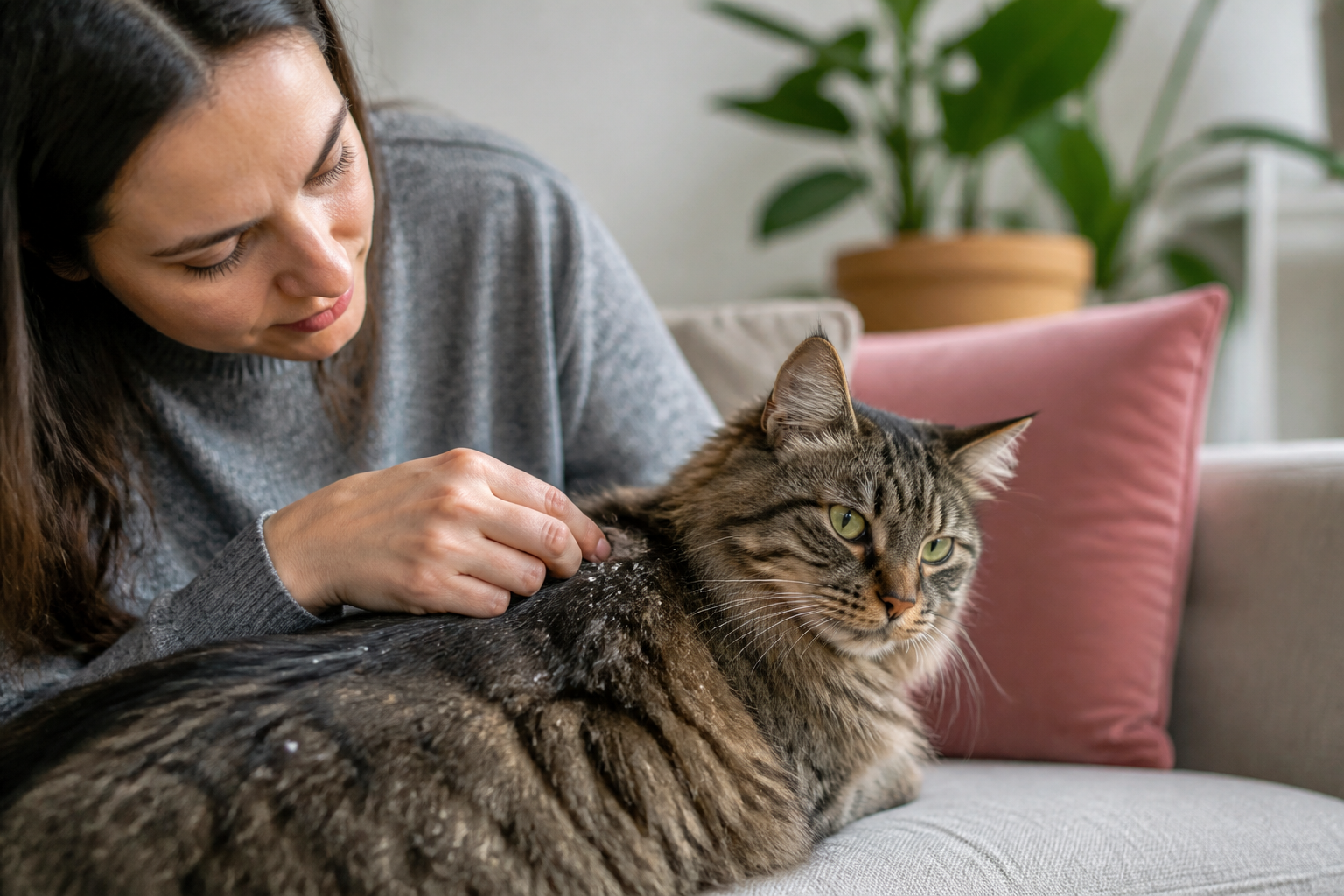
You are relaxing on the couch with your cat when you notice a dusting of white flakes across their dark fur. It looks just like human dandruff. While a few flakes might seem like a minor cosmetic issue, they often signal that your cat's skin needs a little extra help. At BaxterBoo, we see this often, especially during the dry winter months or as cats reach their senior years.
This guide covers the most effective products for cat dandruff, from specialized shampoos to nutritional supplements. We will help you understand why these flakes appear and how to choose the right tools to restore your cat's coat. Our goal is to provide practical steps that make your cat feel more comfortable in their own skin. Managing feline skin health is a journey, but with the right supplies, you can see a real difference in their coat quality.
Quick Answer: The best products for cat dandruff include moisturizing oatmeal shampoos, omega-3 fatty acid supplements, and high-quality grooming brushes. These products work together to hydrate the skin, remove dead cells, and support the natural skin barrier.
Understanding the Causes of Cat Dandruff
Before you fill your cart with topical treatments, it helps to know why those flakes are there. Dandruff is essentially a collection of dead skin cells that have clumped together. While cats naturally shed skin cells, dandruff occurs when the process happens too quickly or the skin is too dry to remain intact.
Senior cats often struggle with dandruff because they have a harder time reaching certain spots during grooming. If your cat has arthritis or reduced flexibility, you might notice more flakes near the base of their tail. Obesity also plays a role. If a cat cannot reach their back or hindquarters, the natural oils on their skin sit still and become stagnant. This leads to a buildup of dead skin and debris.
Environmental factors are another major culprit. Low humidity inside your home can zap moisture from your cat's skin. This is very common when the heater runs constantly during the winter. Nutritional gaps can also weaken the skin barrier. Without enough healthy fats in their diet, a cat's skin can become brittle and prone to flaking.
Vet Tip: If your cat's dandruff is accompanied by redness, intense itching, hair loss, or sores, please schedule a visit with your veterinarian. These symptoms could indicate parasites like Cheyletiella mites (walking dandruff) or an underlying medical condition like hyperthyroidism or diabetes.
Topical Treatments and Shampoos
Topical products provide immediate relief by hydrating the skin surface and physically removing the white flakes. However, cats are famously sensitive about water. Choosing the right type of product can make the process much easier for both of you.
Moisturizing Shampoos
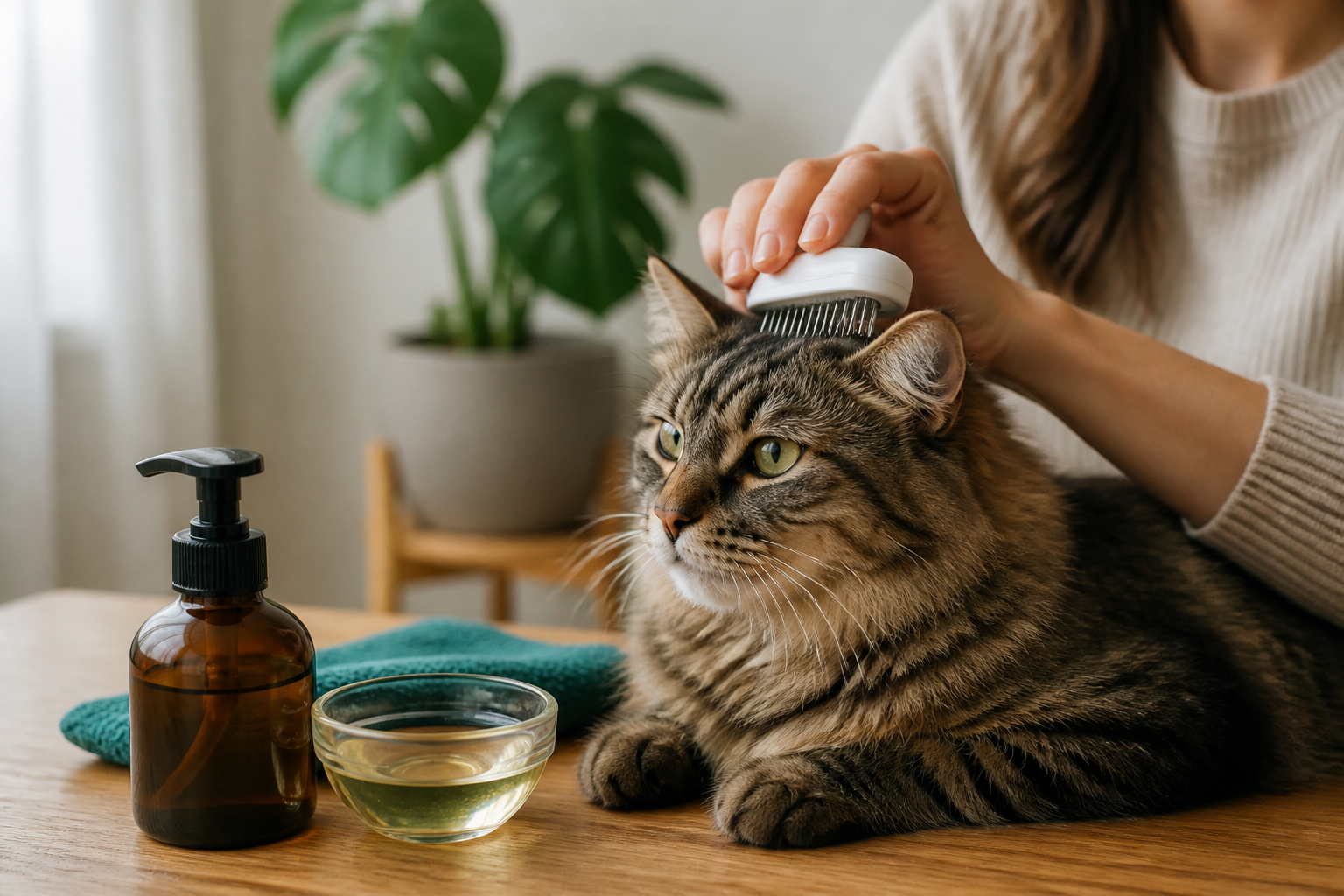
If your cat tolerates a bath, a moisturizing shampoo is a powerful tool. Look for ingredients like oatmeal, aloe vera, and vitamin E. Brands like Burt’s Bees offer gentle formulations that do not strip away natural oils. Avoid any product containing harsh scents or heavy chemicals. Explore our cat grooming collection for shampoos, conditioners, brushes, and other coat-care supplies.
Oatmeal is a standout ingredient because it acts as a natural humectant. It draws moisture into the skin and creates a protective layer. For cats with very oily dandruff, a degreasing shampoo might be necessary first, followed by a moisturizing conditioner. Always rinse your cat thoroughly. Leftover soap residue can actually cause more irritation and flaking once it dries.
Mousses and Waterless Foams
Many owners prefer waterless options to avoid the stress of a full bath. Mousses and foams are applied directly to the dry coat and massaged into the skin. This is an excellent way to treat localized dandruff on a cat that hates water.
Products like the DOUXO S3 SEB Mousse Seborrhea Treatment are designed specifically for this purpose. They often contain ingredients that help regulate sebum production. You simply apply the foam, massage it in, and let it air dry. This keeps the active ingredients in contact with the skin for a longer period, which helps the healing process.
Conditioners and Sprays
Leave-in sprays or conditioners can help lock in moisture after grooming. An oatmeal spray can be used between baths to keep the skin supple. These are especially useful during the peak of summer or winter when the air is particularly dry. When using a spray, try to avoid spraying your cat's face directly. Instead, spray your hands or a cloth and wipe it onto the affected areas.
Bottom line: Topical products like oatmeal shampoos and waterless foams provide direct hydration and help remove visible flakes without always requiring a full bath.
The Role of Grooming Tools
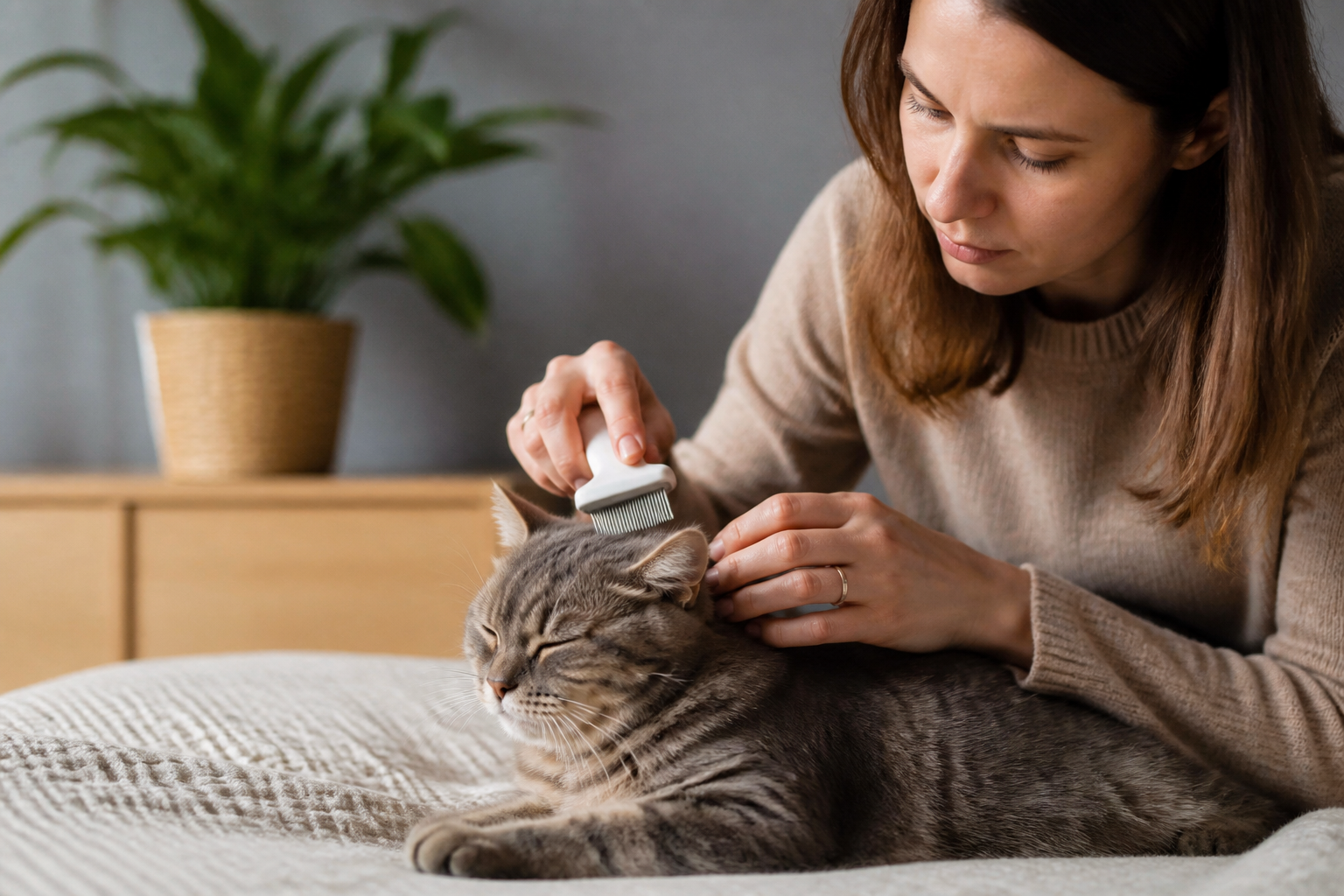
Brushing is the most important part of a daily routine for a cat with dandruff. It does more than just remove loose fur. It stimulates the skin and helps distribute natural oils across the entire body. Without regular brushing, these oils can pool in one spot, leading to greasy skin and flaky patches.
Slicker Brushes and Fine-Tooth Combs
A slicker brush is excellent for removing the undercoat and trapping loose dandruff flakes. If your cat has long hair, a fine-tooth comb is necessary to reach the skin. This ensures you are actually moving the oils and not just smoothing the top layer of fur. See our selection of cat grooming tools for brushes and combs suited to different coat types.
For cats with sensitive skin, look for brushes with rubber-tipped bristles. These provide a massage-like experience that most cats enjoy. If your cat is hesitant about grooming, a grooming glove can be a great transition tool. It feels like petting but still works to lift away dead skin and hair.
Maintaining a Routine
Consistency is the secret to success. Brushing for just five minutes a day can significantly reduce the amount of dandruff you see. It also allows you to monitor your cat's skin for any new lumps, bumps, or irritations.
- Brush short-haired cats once or twice a week.
- Brush long-haired cats or senior cats daily.
- Focus on the base of the tail and the lower back.
- Always follow the direction of hair growth to avoid discomfort.
Key Takeaway: Regular grooming with the right brushes moves natural oils across the skin and physically removes dead cells before they can clump into visible dandruff.
Nutritional Support and Supplements
What goes into your cat's body is just as important as what you put on their fur. Skin is the largest organ, and it requires specific nutrients to stay healthy. If your cat’s diet is lacking in essential fatty acids, their skin will likely be dry and flaky. Browse our cat skin and coat care products for supplements and nutritional support.
Omega-3 Fatty Acids
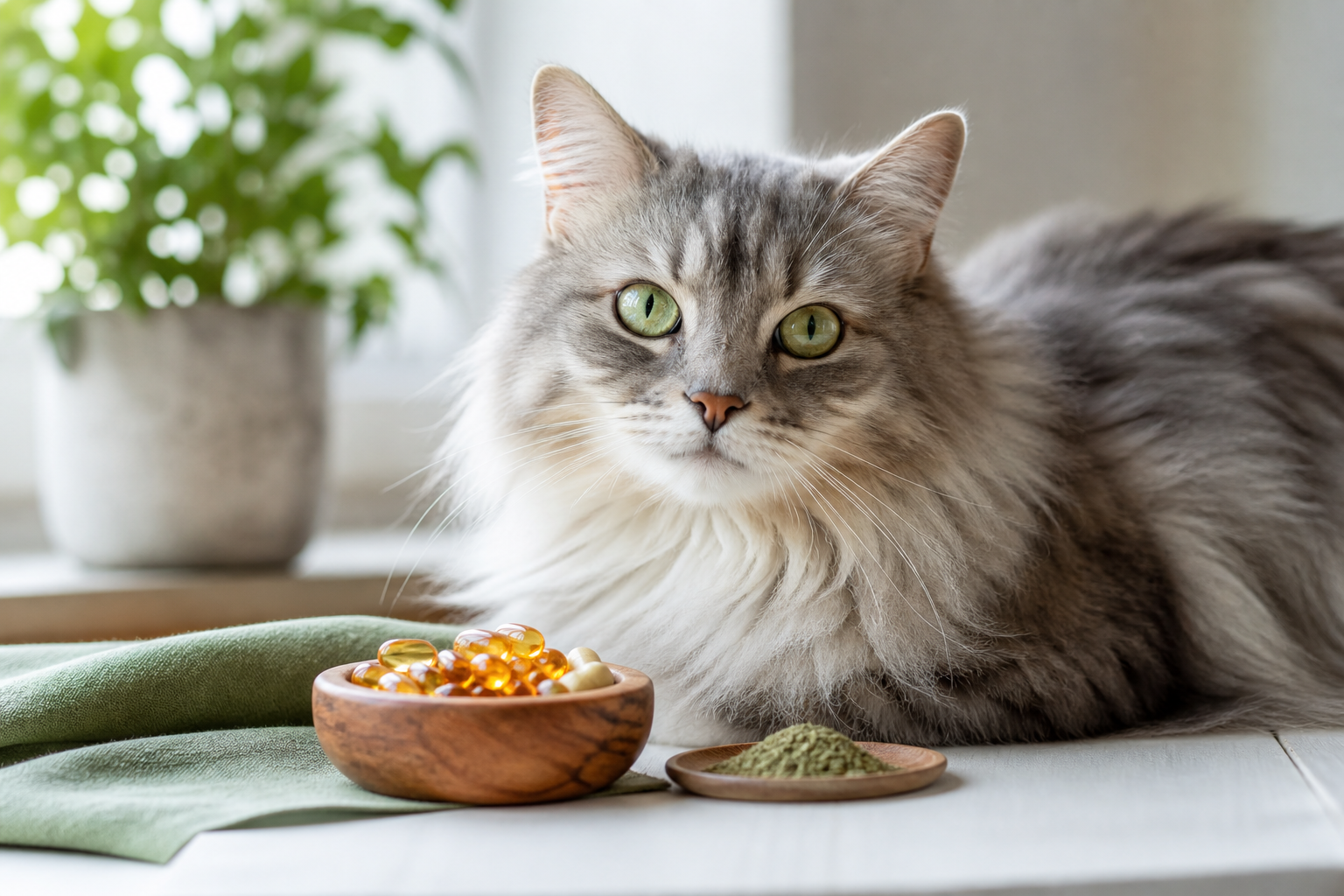
Omega-3 fatty acids are the gold standard for feline skin health. They help reduce inflammation and strengthen the skin barrier. Fish oil is the most common source of these fats. Brands like Zesty Paws or Honest Paws offer salmon oil or pollack oil that can be pumped directly onto your cat's food.
Most cats love the taste of fish oil, making it an easy addition to their meal. It typically takes about three to four weeks of consistent use to see a change in the coat. You will notice the fur feeling softer and the skin looking less parched.
Hydration and Wet Food
Dehydration shows up on the skin very quickly. Cats naturally have a low thirst drive. If they only eat dry kibble, they may live in a state of mild dehydration. Switching even one meal a day to wet cat food can increase their water intake significantly.
Wet food provides the moisture needed to keep skin cells plump and healthy. If your cat refuses wet food, consider adding a little warm water or low-sodium chicken broth to their dry food. A water fountain can also encourage more drinking by providing moving water, which many cats prefer over a still bowl.
Pharmacy Options and Prescription Diets
Sometimes, over-the-counter solutions are not enough. If your cat has a chronic skin condition, a prescription approach may be necessary. At BaxterBoo, we provide access to a full pharmacy for cats through our partnership with Pet's Choice. This allows you to get FDA-approved medications and specialized diets with a valid prescription from your vet.
Prescription Skin Support Diets
Veterinary diets, such as those from Royal Canin or Farmina Vet Life, are formulated with specific ratios of nutrients to support the skin barrier. These diets are often used for cats with severe allergies or systemic issues that cause poor coat quality. They contain highly digestible proteins and elevated levels of linoleic acid to help the skin recover.
Medicated Treatments
If your cat's dandruff is caused by a fungal infection like ringworm or a bacterial skin infection, your vet will prescribe medicated topicals or oral medications. Our pharmacy carries these essential treatments. Working with your vet ensures you are treating the root cause rather than just masking the symptoms with a standard shampoo.
Vet Tip: Never use human dandruff shampoos on your cat. Many of these contain zinc pyrithione or selenium sulfide, which can be toxic to cats if they lick their fur after a bath. Stick to products specifically labeled for feline use.
Environmental Controls for Skin Health
Your home environment plays a massive role in your cat's comfort. If the air is too dry, no amount of shampoo will permanently fix the dandruff. Managing the humidity in your home is a simple but effective way to support your cat's skin.
Using a Humidifier
Adding a humidifier to the room where your cat spends the most time can make a world of difference. Aim for a humidity level between 40% and 50%. This prevents the air from pulling moisture out of your cat's skin and respiratory tract. It is especially helpful during the winter when indoor air is notoriously dry.
Stress Management
Believe it or not, stress can affect a cat's skin. High levels of cortisol can impact the skin's ability to retain moisture. If your cat has recently experienced a big change, like a move or a new pet in the house, they might stop grooming or develop skin issues. Calming products like pheromone diffusers can help lower stress levels, which indirectly supports skin health.
Step-by-Step: Introducing a New Grooming Routine
If your cat is not used to regular grooming or bathing, you need to move slowly. Forcing a cat into a bath or a long brushing session can create a negative association that lasts a lifetime.
Step 1: Create a positive association. / Place the brush or the bottle of waterless mousse near your cat's food bowl or bed. Let them sniff it and reward them with a treat like a Greenies pill pocket or a small piece of freeze-dried meat.
Step 2: Start with short sessions. / Brush your cat for only thirty seconds at a time. Focus on the areas they enjoy being touched, like the chin or cheeks. Reward them immediately after you stop.
Step 3: Gradually move to the dandruff zones. / Once they are comfortable with short sessions, begin brushing the back and the base of the tail. Use very light pressure.
Step 4: Introduce topical products slowly. / If using a mousse, apply a small amount to your hands first and pet your cat. This is less scary than a loud spray or a sudden wet sensation.
Step 5: Monitor and adjust. / Watch your cat's body language. If their tail starts twitching or their ears go back, stop immediately. You want them to feel like grooming is a spa day, not a chore.
Key Takeaway: Building a routine based on positive reinforcement ensures your cat will cooperate with the treatments they need to stay flake-free.
Comparing Cat Dandruff Products
Choosing the right product depends on your cat's personality and the severity of their dandruff. The following table helps break down the common options.
| Product Type | Best For | Pros | Cons |
|---|---|---|---|
| Moisturizing Shampoo | Heavy flaking and dirt | Deep cleaning; provides most hydration | Requires a full bath; stressful for many cats |
| Waterless Mousse | Localized dandruff; water-shy cats | Easy to apply; no rinsing needed | Not as thorough as a full bath |
| Omega-3 Supplements | Long-term skin health | Treats the cause from the inside; easy to feed | Takes 3–4 weeks to see results |
| Slicker Brush | Daily maintenance | Removes loose hair and flakes; moves oils | Can be scratchy if used with too much pressure |
| Humidifier | Environmental dryness | Benefits the whole household; passive care | Requires regular cleaning to prevent mold |
Bottom line: A combination approach that includes a daily brush, an omega-3 supplement, and occasional topical treatment usually yields the best results for cat dandruff.
Managing Weight and Mobility
Since lack of grooming is a primary cause of dandruff, helping your cat stay mobile is essential. An overweight cat simply cannot reach their lower back to clean it. This leads to a buildup of scales and eventually matted fur.
If your cat is struggling with weight, talk to your vet about a weight management plan. We carry several weight-control formulas that can help your cat reach a healthy size safely. For senior cats with stiff joints, a supplement like Cosequin can support mobility. When your cat feels better and can move more easily, they will naturally return to their grooming habits.
Our MVP Rewards program is a great way to save on these long-term essentials. You earn points on every purchase of supplements, food, and grooming supplies. This makes it more affordable to provide the consistent care your cat needs as they age.
Conclusion
Cat dandruff is a common issue, but it is one you can manage with the right products and a bit of patience. By combining regular grooming, high-quality nutrition, and moisture-boosting topicals, you can help your cat's skin stay healthy and flake-free. Remember that changes in the coat often reflect changes in overall health, so keep a close eye on your feline friend's progress.
At BaxterBoo, we are committed to helping you find the best solutions for your pet's unique needs. Whether you need a gentle oatmeal shampoo, a high-quality slicker brush, or a prescription diet through our pharmacy, we have you covered. Our team handpicks every product to ensure it meets the standards your cat deserves.
- Start a daily brushing routine to move natural oils.
- Add an omega-3 supplement to their daily meals.
- Use waterless mousses for stress-free topical care.
- Consult your vet if dandruff is accompanied by itching or redness.
Key Takeaway: Effective cat dandruff management requires a multi-pronged approach of grooming, nutrition, and environmental care.
If your cat's skin issues persist, the best next step is to consult your veterinarian and explore our pet pharmacy for specialized care. Through our partnership with Pet's Choice, we can help you fulfill prescriptions for medicated shampoos and dermatological diets that target the root of the problem.
FAQ
Can I use human dandruff shampoo on my cat?
No, you should never use human dandruff shampoos on your cat. Many human products contain active ingredients and chemicals that are toxic to felines if ingested. Cats groom themselves frequently, meaning they will swallow any residue left on their fur. Always use a product specifically formulated for cats to ensure it is safe for their unique skin pH and grooming habits.
How long does it take for cat dandruff to go away?
The timeline for improvement depends on the underlying cause and the products you use. Topical treatments like mousses can provide immediate visible relief by removing current flakes. However, nutritional changes and supplements like omega-3 fish oil usually take three to four weeks to show a significant improvement in skin health. Consistency with daily brushing is also key to seeing long-term results.
Does wet food really help with cat dandruff?
Yes, wet food can be very helpful for cats with dry skin. Many cats live in a state of mild dehydration because they have a low thirst drive and eat mostly dry kibble. The high moisture content in wet food helps hydrate the skin from the inside out. Plump, hydrated skin cells are less likely to flake off and turn into dandruff.
Is cat dandruff a sign of a serious health problem?
While dandruff is often caused by dry air or minor grooming issues, it can sometimes indicate a more serious problem. If you notice your cat is also losing hair, has red or inflamed skin, or is drinking much more water than usual, it is time for a vet visit. These can be signs of parasites, allergies, or metabolic conditions like diabetes that require professional medical treatment.