Save 15% on your 1st Autoship learn more

 Email us
 Live Chat
 FAQs
FAQs





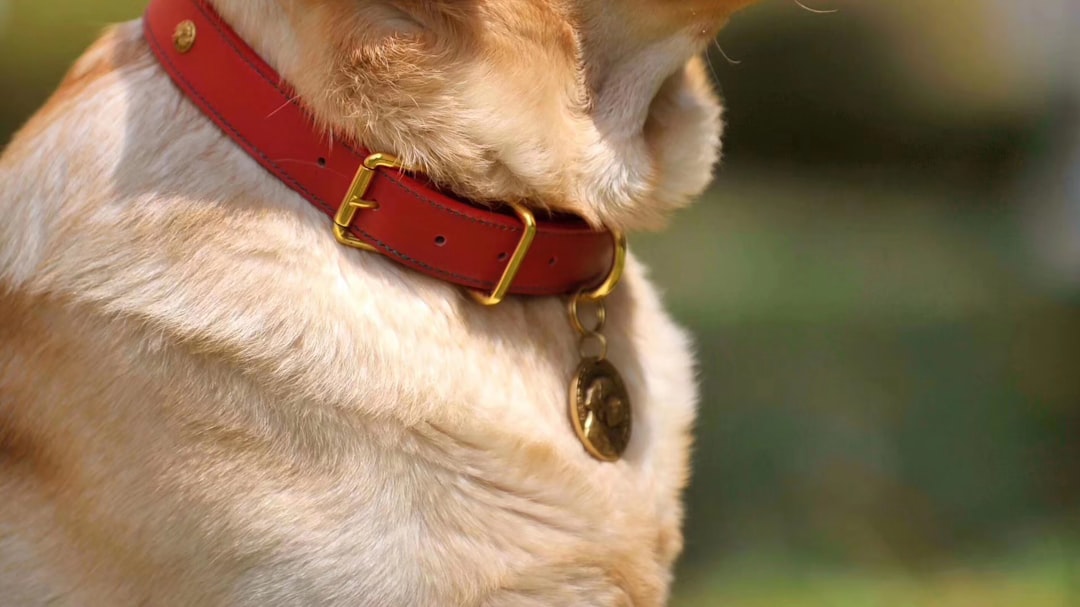
Why Every Dog Needs the Right Collar
Dog collars are more than just a fashion statement—they're an essential tool for your pet's safety, identification, and daily comfort. Whether you're looking for a simple everyday collar or something with specialized features, the right choice depends on your dog's size, activity level, and specific needs.
Quick Guide to Dog Collar Essentials:
- Everyday Flat Collars - Best for holding ID tags and casual walks
- Martingale Collars - Ideal for dogs who slip out of regular collars
- GPS/Reflective Collars - Perfect for safety during outdoor adventures
- Waterproof Collars - Great for dogs who love water or messy play
The dog collar market is booming for good reason. Valued at $2.1 billion in 2022, it's projected to reach $3.1 billion by 2032—a clear sign that pet parents are investing more in quality products that keep their furry friends safe and comfortable.
Choosing the right collar matters. A poorly fitted collar can slip off or cause discomfort, while the wrong type might not provide the control you need during walks. The good news? With so many options available—from durable nylon and classic leather to padded neoprene and waterproof materials—there's a perfect collar for every dog.
In this guide, we'll walk you through the most popular collar types, essential features to look for, and how to ensure a proper fit. You'll also learn about the importance of collars for identification and legal compliance, plus how to maintain them for years of reliable use.
An Overview of Popular Dog Collars
With so many collar options available, finding the right one can feel overwhelming. Once you understand the main types and their purpose, the choice becomes much clearer. Let's walk through the most popular options to find the perfect match for your furry friend.
Everyday Wear Collars
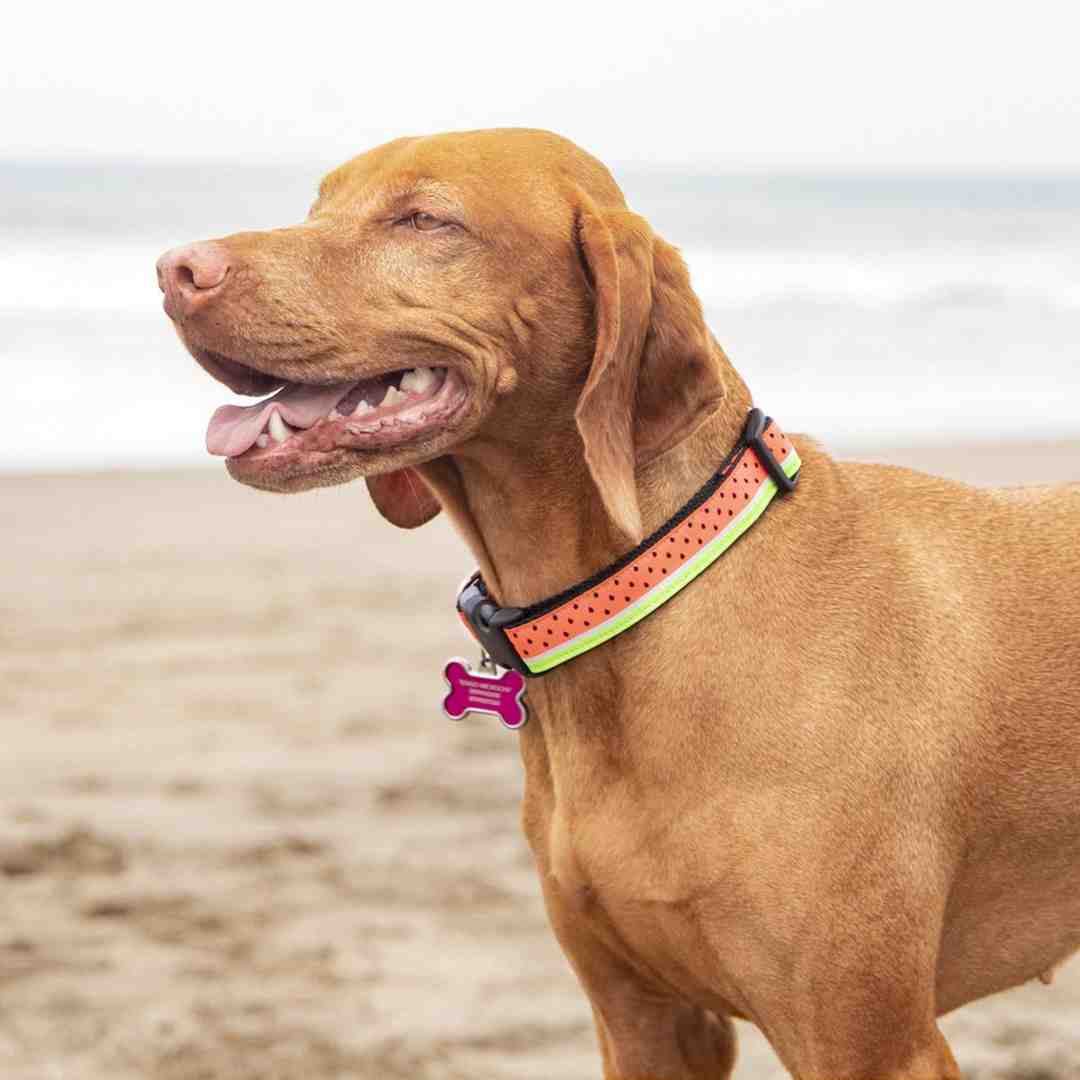
For most dogs, a classic flat dog collar is the perfect everyday choice. These simple collars hold identification tags and provide a secure leash attachment point for casual walks. Their popularity comes from their versatility—they're available in countless colors, patterns, and widths to suit any pup's personality.
For long-haired breeds, consider a rolled collar. Its rounded cross-section is less likely to mat or break fur while offering the same functionality as a flat collar.
You'll find two main buckle styles. Quick-release clips are convenient for getting the collar on and off, but ensure the clip is sturdy enough for your dog. Traditional buckles, which work like a belt buckle, take longer to fasten but offer a highly reliable and secure hold.
Even if your dog wears a harness for walks, they should still wear a flat collar with ID tags at all times. It's their most basic form of identification and could be the key to a quick reunion if they ever get lost.
Safety and Control Collars
For dogs who are skilled escape artists or pull hard on the leash, a specialized control collar may be necessary.
Martingale collars, also called "limited-slip" collars, are a brilliant solution for dogs who can back out of regular collars. They feature a two-loop design: when your dog pulls, a smaller loop gently tightens the larger neck loop just enough to prevent escape without choking.
A properly fitted martingale sits loose and comfortable during calm walks, tightening only when needed to provide gentle control without restricting breathing.
These collars are popular with sighthounds—like Greyhounds, Whippets, and Salukis—whose narrow heads make slipping out of flat collars easy. They're also great for Collies, Shetland Sheepdogs, Poodles, and any dog who has mastered the backing-out trick.
Head halters (or head collars) offer a different approach to control. They fit around your dog's muzzle and behind their ears, with the leash attaching under the chin. When your dog pulls, the halter gently turns their head, redirecting their body. This provides gentle control without putting pressure on the neck, making them excellent for strong pullers. Most dogs require a gradual introduction with positive reinforcement to accept wearing one comfortably.
With any control collar, proper usage and careful fitting are crucial to keep your dog safe and make walks more enjoyable.
High-Tech and Specialty Collars
Today's specialty dog collars combine smart technology with innovative materials to keep dogs safer than ever.
GPS tracking collars let you monitor your dog's location in real-time via a smartphone app. They offer peace of mind for owners of dogs who enjoy off-leash adventures or live on large properties. Some models even track health metrics like activity levels.
Reflective collars feature stitching or strips that reflect light, making your dog highly visible to drivers and pedestrians in low-light conditions. It's a simple feature that can prevent accidents during early morning or evening walks.
For water-loving dogs, waterproof collars are a game-changer. Made from materials like Biothane or coated webbing, these collars resist water absorption and inhibit bacterial growth, preventing that notorious wet dog smell.

They are incredibly easy to clean—just rinse and wipe—and are built to last. The odor-proof materials used in these designs are perfect for active dogs, swimmers, and any pup who loves to get messy.
Key Materials and Features to Look For
Choosing the right dog collar goes beyond color—the material and hardware determine its durability, comfort, and maintenance. Let's break down the options to help you find the perfect match for your pup.
Choosing the Right Material for Dog Collars
Pet stores and online retailers like BaxterBoo offer dog collars in a variety of materials. Each has unique strengths, and the best choice depends on your dog's lifestyle.
Nylon collars are the workhorses of the collar world. They're tough, affordable, and available in countless colors and patterns. Nylon resists mold and mildew, making it great for all-weather exploration. The material is durable, easy to clean with soapy water, and dries fast. While it can be stiff when new, it softens with wear, making it perfect for everyday use and active dogs.
Leather collars offer a classic elegance that improves with age. A quality leather collar softens and conforms to your dog's neck for exceptional comfort and can last for years with proper conditioning. The natural material is gentle on sensitive skin, though it's not ideal for frequent swimmers as water can cause damage.
When comfort is the top priority, look for neoprene-padded collars. This soft, cushioned layer prevents chafing and irritation, making it ideal for dogs with sensitive skin or those who wear their collar all day. Despite its softness, neoprene is durable, water-resistant, and easy to clean.
For the ultimate in practicality, Biothane and waterproof PVC collars are game-changers. These materials mimic the look and feel of leather but are completely waterproof and odor-proof, eliminating wet dog collar smell. They're incredibly tough, resist bacteria, and require minimal maintenance—just wipe them clean. These are perfect for swimmers, muddy adventurers, and any dog who loves to get messy.
| Material | Durability | Comfort | Maintenance | Best Use |
|---|---|---|---|---|
| Nylon | Very good; resistant to tears and abrasion | Generally comfortable; may be stiff initially | Easy to clean with soap and water; quick-drying | Everyday wear, training, outdoor activities |
| Leather | Excellent with proper care; can last for years | Very comfortable; softens with age | Requires occasional conditioning; not ideal for frequent water exposure | Everyday wear, formal occasions, dogs with sensitive skin |
| Neoprene | Good, especially with strong outer material | Excellent; soft and prevents chafing | Easy to clean; quick-drying; often water-resistant | Everyday wear, active dogs, dogs with sensitive skin |
| Biothane/Waterproof PVC | Excellent; highly resistant to water, odors, and bacteria | Flexible and comfortable, even when wet | Extremely easy—just wipe down | Swimming, muddy adventures, active or messy dogs |
Essential Hardware and Add-on Features
The hardware and extra features on a dog collar are just as important as the material for safety and function.
Regarding buckles, metal buckles (brass, stainless steel, or zinc alloy) are the gold standard for strength and durability, making them ideal for strong dogs. Plastic side-release clips are lightweight and convenient for quick on-and-off action but be sure the plastic is high-quality and appropriate for your dog's size.
The D-ring, where the leash and ID tags attach, is a critical safety component. It must be made of sturdy metal and securely stitched or riveted to the collar.
For ID tag attachments, most collars use the D-ring for both leash and tags. Some designs include a separate, smaller ring just for tags to reduce jangling and wear. For a quieter option, consider collars with built-in engraved nameplates.
Decorative elements like unique stitching, vibrant patterns, bowties, and charms let your dog's personality shine. At BaxterBoo, we believe safety and style go hand-in-hand, offering a collection that proves functional can also be fashionable.
How to Choose the Right Size and Fit
A poorly fitted dog collar can be uncomfortable, ineffective, or even dangerous. Getting the fit right is a crucial and simple step for any pet parent.
Measuring Your Dog and Ensuring a Proper Fit
A properly fitted collar is snug and secure, but never restrictive. Here's how to get the right fit.
Start by wrapping a flexible tape measure around the widest part of your dog's neck, where the collar naturally sits. Keep the tape flat and untwisted. Add about two inches to your measurement when selecting a size, then use the two-finger test to confirm the fit. After putting the collar on, you should be able to comfortably slip two flat fingers between the collar and your dog's neck. If you can fit more, it's too loose; if you struggle to fit two, it's too tight and could cause chafing or restrict breathing.
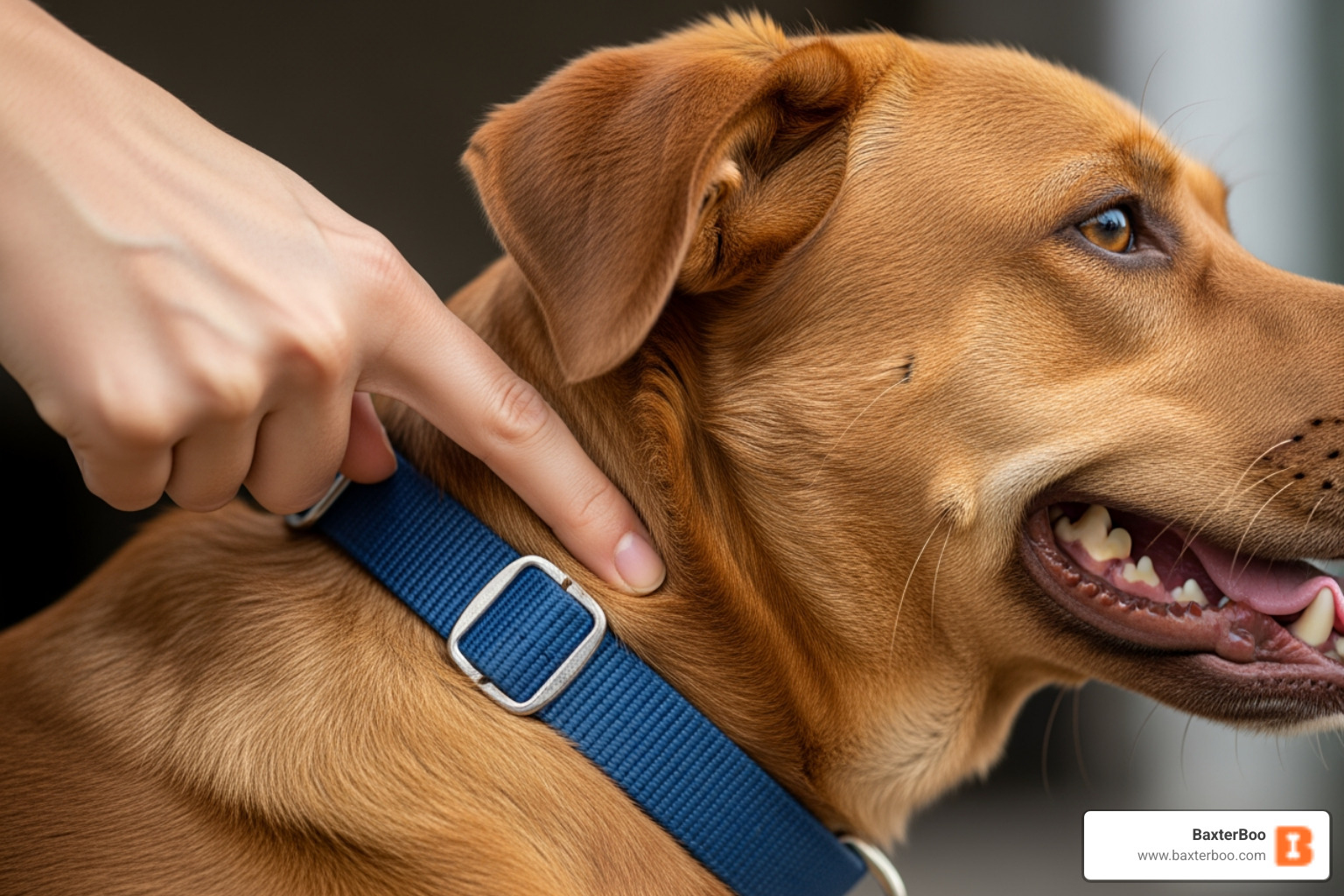
Afterward, check your dog's neck for signs of redness, irritation, or hair loss, which indicate a poor fit. The collar should never impede movement or breathing.
For escape artists, preventing slip-offs is crucial. A properly fitted martingale collar is an excellent solution. For traditional collars, ensure it's snug enough that it can't be pulled over their head.
If you have a puppy, choose an adjustable collar and check the fit every few weeks, as they grow quickly.
The Importance of Dog Collars for Identification
Beyond comfort and control, a dog collar's primary function is identification. In many places, it's also the law.
In many municipalities, including Vernon Hills, IL, dogs are legally required to wear a collar with a current rabies tag and a city license tag. Always check your local ordinances to ensure compliance and keep your pet safe.
A collar with clearly legible ID tags is your dog's first line of defense if they become lost. Tags should include your dog's name, your phone number, and your address. Include essential medical information if applicable, such as allergies or medication needs.
While a microchip is an excellent permanent ID, it requires a scanner. An ID tag provides immediate visual information, allowing a finder to contact you quickly without a trip to a vet or shelter. Studies show that lost pets with proper ID are far more likely to be reunited with their families, and a collar with tags is the fastest way to make that happen.
Cleaning and Maintaining Your Collar
A dog collar needs regular cleaning to ensure its longevity and your dog's hygiene. A clean collar prevents odors and skin irritation.
For most collars (nylon, neoprene, waterproof PVC), cleaning is simple. Brush off loose debris, then wash the collar in a basin of warm water with mild soap (pet shampoo or dish soap). Gently scrub with a sponge or brush. For waterproof materials like Biothane, a simple wipe-down is often enough. Rinse the collar thoroughly until all soap is gone, then air dry it completely before use. Avoid using a machine dryer, as high heat can damage materials and plastic parts.
Leather collars require more care. Wipe them with a damp cloth instead of soaking them, and use a specialized leather cleaner and conditioner periodically to keep the material supple and prevent cracking.
Regularly inspect your dog's collar for damage. Look for fraying, loose threads, or a buckle that doesn't snap securely. Check that D-rings aren't bent or rusted and all stitching is intact. If the material is brittle or the reflective strips are faded, it's time for a replacement. A regular replacement schedule based on your dog's activity level will help ensure their collar is always in top condition.
Frequently Asked Questions about Dog Collars
We hear a lot of great questions from our customers in Vernon Hills and online. Here are some of the most common inquiries about dog collars and our expert answers.
Should I use a collar or a harness for walks?
The short answer is that you probably need both. A dog collar is essential for holding identification and license tags at all times. Think of it as your dog's permanent ID bracelet—it's their ticket home if they get lost.
For walks, a harness often shines. If your dog pulls, a harness is safer and more comfortable because it distributes pressure across their chest and shoulders instead of their delicate neck and trachea. This is especially important for breeds with sensitive airways.
Different activities may also call for different gear. A no-pull harness can be a great training tool, while a car harness provides security during road trips. Having both a collar and a harness allows you to choose the best option for any situation.
How do I know when it's time to replace a dog collar?
A dog collar doesn't last forever. Knowing when to replace it is crucial for safety. Look for these signs:
- Fraying or tears: Loose threads, frayed edges, or tears in the material compromise the collar's strength.
- Damaged hardware: A buckle that doesn't snap securely, a bent or rusty D-ring, or loose stitching means the collar is no longer reliable.
- Worn-out material: Leather that is cracked or brittle, or waterproof coatings that are peeling, indicate the collar has lost its integrity.
- Faded reflective strips: If reflective elements no longer shine brightly, they won't keep your dog visible at night.
- Improper fit: A collar that has become too tight or too loose is a safety risk and should be replaced.
When in doubt, it's always better to replace a collar than to risk your dog's safety.
Are training collars that use vibration or static safe?
Training collars that use vibration or static (e-collars) are controversial. At BaxterBoo, we prioritize your dog's well-being, which means approaching any training tool with caution.
These collars are debated because they rely on aversive stimuli, which, if misused, can cause fear, anxiety, or pain, potentially damaging your bond with your dog.
If you're considering an e-collar, professional guidance is essential. We strongly recommend consulting with a certified professional dog trainer who can guide you on its proper and humane use. They can help determine if it's the right tool for your situation and teach you about fitting, settings, and timing.
Many trainers advocate for positive reinforcement methods instead, which focus on rewarding desired behaviors and are highly effective at building a dog's confidence and strengthening your relationship.
E-collars are not a "quick fix" and require a deep understanding of dog behavior and learning theory to be used correctly. They are complex tools typically used for specific goals, like off-leash recall, and often feature multiple settings like tone, vibration, and adjustable static stimulation.
Your dog's well-being is our top priority. We encourage all pet parents to research thoroughly and make informed decisions, always prioritizing your furry friend's comfort and emotional health. Find the perfect collar for your dog today—one that keeps them safe, comfortable, and happy.
Conclusion
Choosing the right dog collar isn't just about picking something that looks cute—though we certainly have plenty of adorable options! It's about keeping your furry friend safe, comfortable, and properly identified every single day.
Throughout this guide, we've walked through everything from everyday flat collars that hold those all-important ID tags, to specialized martingale collars for your clever escape artist, to high-tech GPS trackers and waterproof options for the adventurous souls who love a good swim. We've explored how different materials like durable nylon, classic leather, cushioned neoprene, and waterproof Biothane each serve different needs. And we've emphasized that a properly fitted collar—one that passes the two-finger test—makes all the difference between a safe, happy dog and potential problems.
Your dog's collar with current identification is their ticket home if they ever wander off. It's one of the simplest yet most important responsibilities we have as pet parents. Whether you need something basic for everyday wear or a specialty collar for specific activities, the right choice is out there.
At BaxterBoo, we've done the hard work of curating a selection of high-quality dog collars that truly meet the needs of real dogs and their humans. From our Vernon Hills store to our online shop, we're here to help you find that perfect match—one that keeps your pup safe, comfortable, and looking great.
Your dog deserves the best, and finding the right collar is a wonderful step toward giving them exactly that.