
 Save 15% on your 1st Autoship learn more

 Email us
 Live Chat
 FAQs





Introduction
You are relaxing on the couch with your cat when you notice a dusting of white flakes along their lower back. It is particularly visible if they have a dark coat, or perhaps you find the residue on your favorite chair after they have finished a nap. While it is easy to assume your pet just needs a quick bath, those flakes are often a signal that something in their routine or health needs adjustment. At BaxterBoo, we know that a soft, shiny coat is a primary indicator of a cat's overall wellness. This guide explains the different types of cat dandruff remover options, from specialized grooming tools to nutritional supplements. We will help you understand the common causes of feline skin flakes and how to restore your cat's coat to its natural, healthy state.
Quick Answer: A cat dandruff remover can be a physical tool like a slicker brush, a topical solution like waterless shampoo, or a nutritional supplement like omega-3 fish oil. The best choice depends on whether the flakes are caused by poor grooming, dry air, or an underlying health condition.
Understanding the Difference Between Dandruff and Dander
Before choosing a treatment, it is important to know exactly what you are looking at. Many people use the terms dander and dandruff interchangeably, but they are not the same thing. Every cat has dander. These are microscopic skin cells that shed naturally as part of the body's normal cycle of skin renewal. Because they are microscopic, you usually cannot see them with the naked eye. Dander is also the primary carrier of the Fel d 1 protein, which is the allergen that causes reactions in humans.
Dandruff consists of much larger, visible flakes of dead skin. When a cat's skin becomes overly dry, irritated, or oily, the skin cells clump together as they shed. This results in the white or gray flakes you see on their fur. While dander is a sign of a healthy skin cycle, dandruff is a sign that the cycle is out of balance.
You should also be able to distinguish dandruff from flea dirt. Flea dirt looks like tiny specks of black pepper. If you are unsure, place a few of the specks on a wet white paper towel. If they turn reddish-brown, it is flea dirt, which is actually digested blood. Dandruff will remain white or translucent. If you see black specks, your cat likely needs a flea preventive rather than a dandruff treatment.
Cat Skin & Coat Care





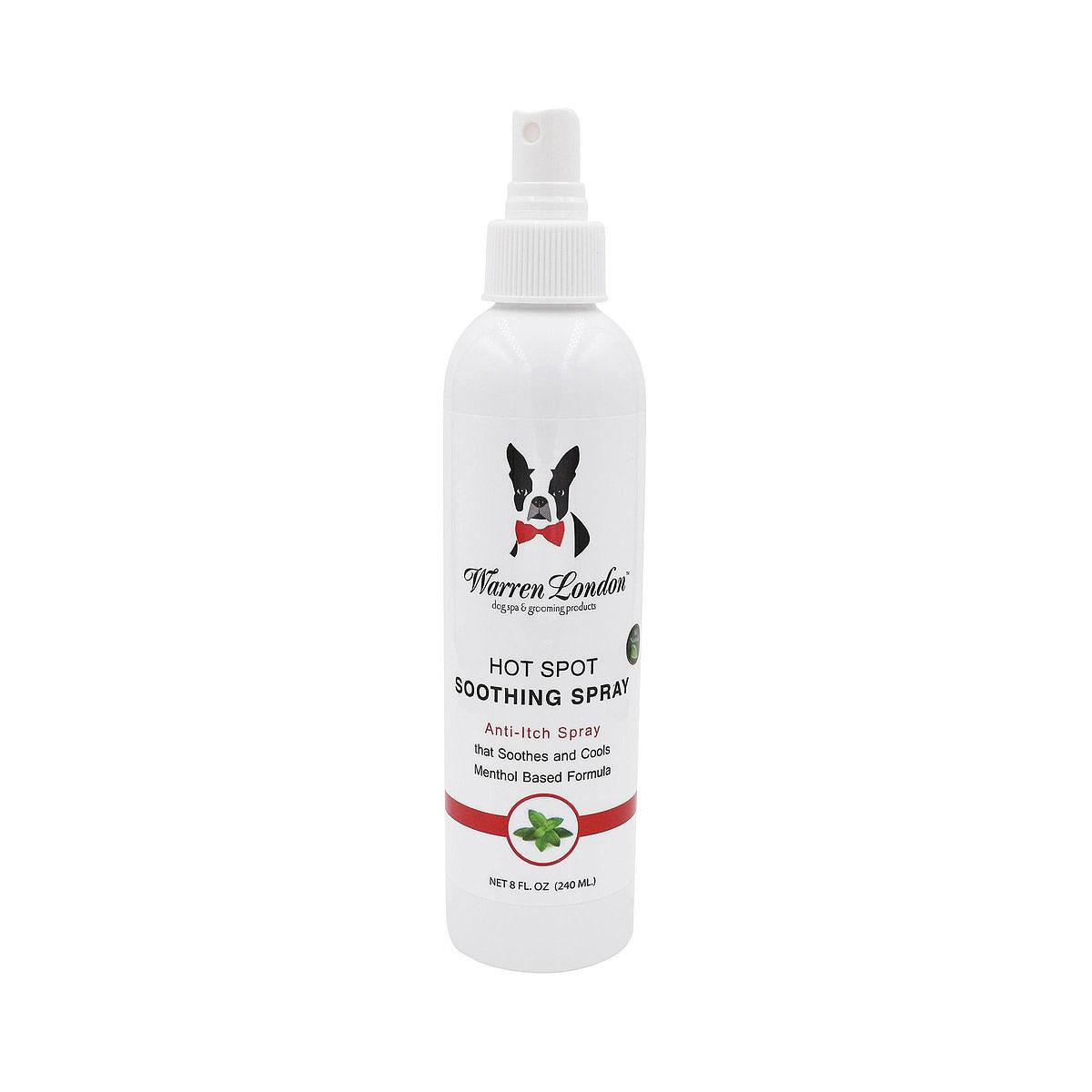

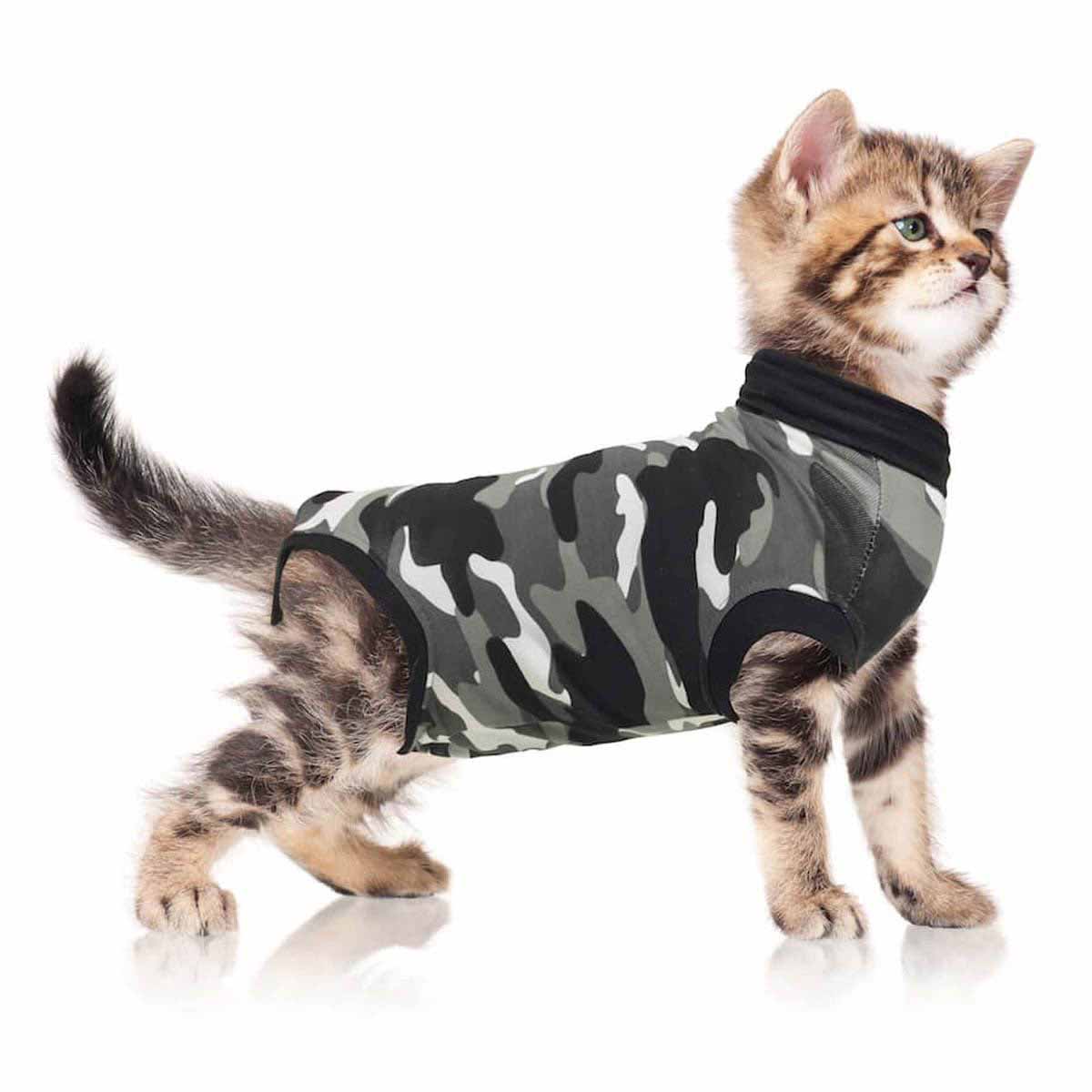


Top Grooming Tools as a Cat Dandruff Remover
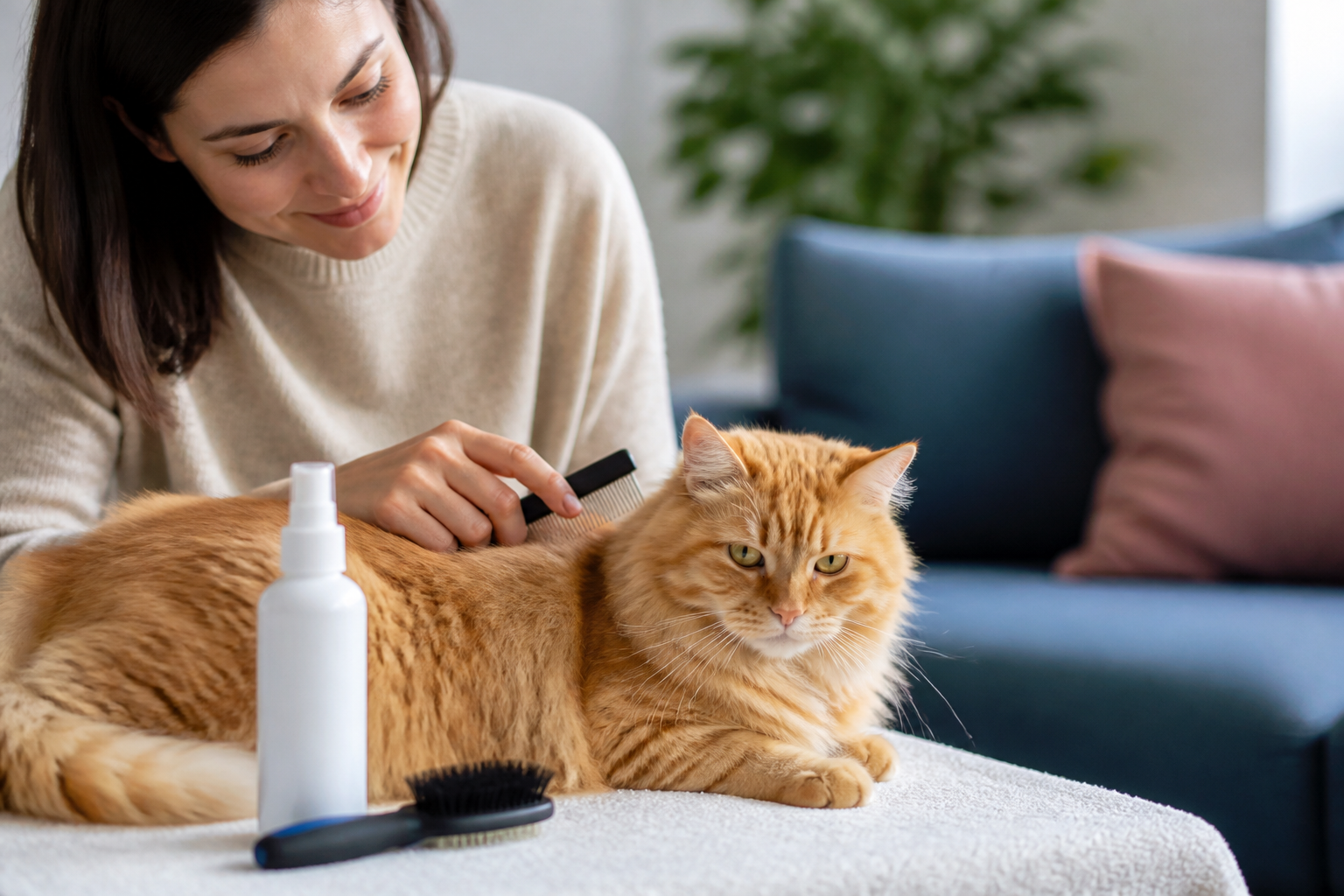
The most immediate way to remove flakes is through physical grooming. For many cats, dandruff builds up simply because they cannot reach certain spots or because the dead skin is getting trapped in a thick undercoat. Regular brushing acts as a mechanical cat dandruff remover by lifting flakes away and distributing natural oils. Explore our cat grooming supplies for brushes and other coat-care tools.
Slicker Brushes for Undercoat Management
If your cat has a medium or long coat, a slicker brush is an essential tool. These brushes have fine, short wires close together. They are excellent at reaching through the topcoat to grab loose fur and skin flakes that are stuck near the surface of the skin. By removing the dead undercoat, you allow the skin to breathe, which can reduce the formation of new flakes.
Rubber Grooming Mitts and Tools
For cats with short hair or sensitive skin, a rubber grooming tool like the Kong ZoomGroom is a fantastic option. The soft rubber fingers massage the skin, which stimulates blood flow and the production of natural oils. This massage action helps loosen dandruff so it can be brushed away easily. Many cats find the sensation of rubber tools more relaxing than metal bristles.
Bristle Brushes for Oil Distribution
A soft bristle brush is the best finishing tool for a cat with dry skin. While it does not reach deep into the undercoat, it is perfect for smoothing the top layer of fur and spreading the skin's sebum. Sebum is the natural oil that keeps the skin moisturized. Spreading these oils evenly across the body is one of the most effective ways to prevent the dryness that leads to dandruff.
Key Takeaway: Regular brushing is the most effective manual cat dandruff remover. It clears away dead skin cells and stimulates the production of natural oils that keep the coat healthy.
Topical Solutions and Waterless Shampoos
Many cat owners dread the idea of a traditional bath. Fortunately, you rarely need to submerge a cat in water to deal with dandruff. In fact, frequent traditional baths can sometimes strip the skin of essential oils and make the flaking worse. Topical removers provide a middle ground.
Waterless Shampoos and Foams
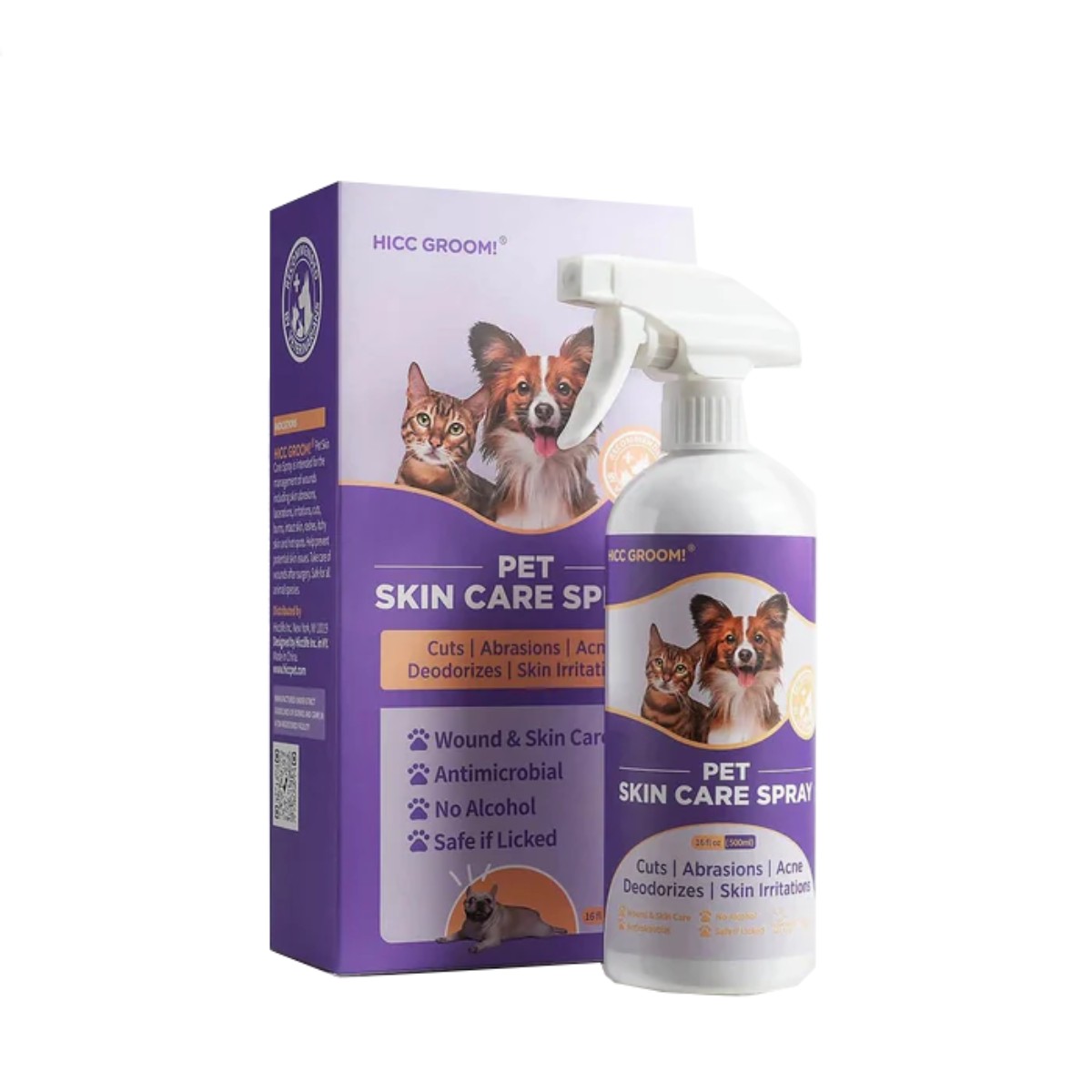
A waterless shampoo is a foam or spray that you massage into the coat and then towel off. These products are formulated with moisturizing ingredients like aloe vera, oatmeal, or vitamin E. They help dissolve the bonds that hold dandruff to the fur, making it easy to wipe away. Because they do not require rinsing, they are much less stressful for your pet.
Grooming Wipes
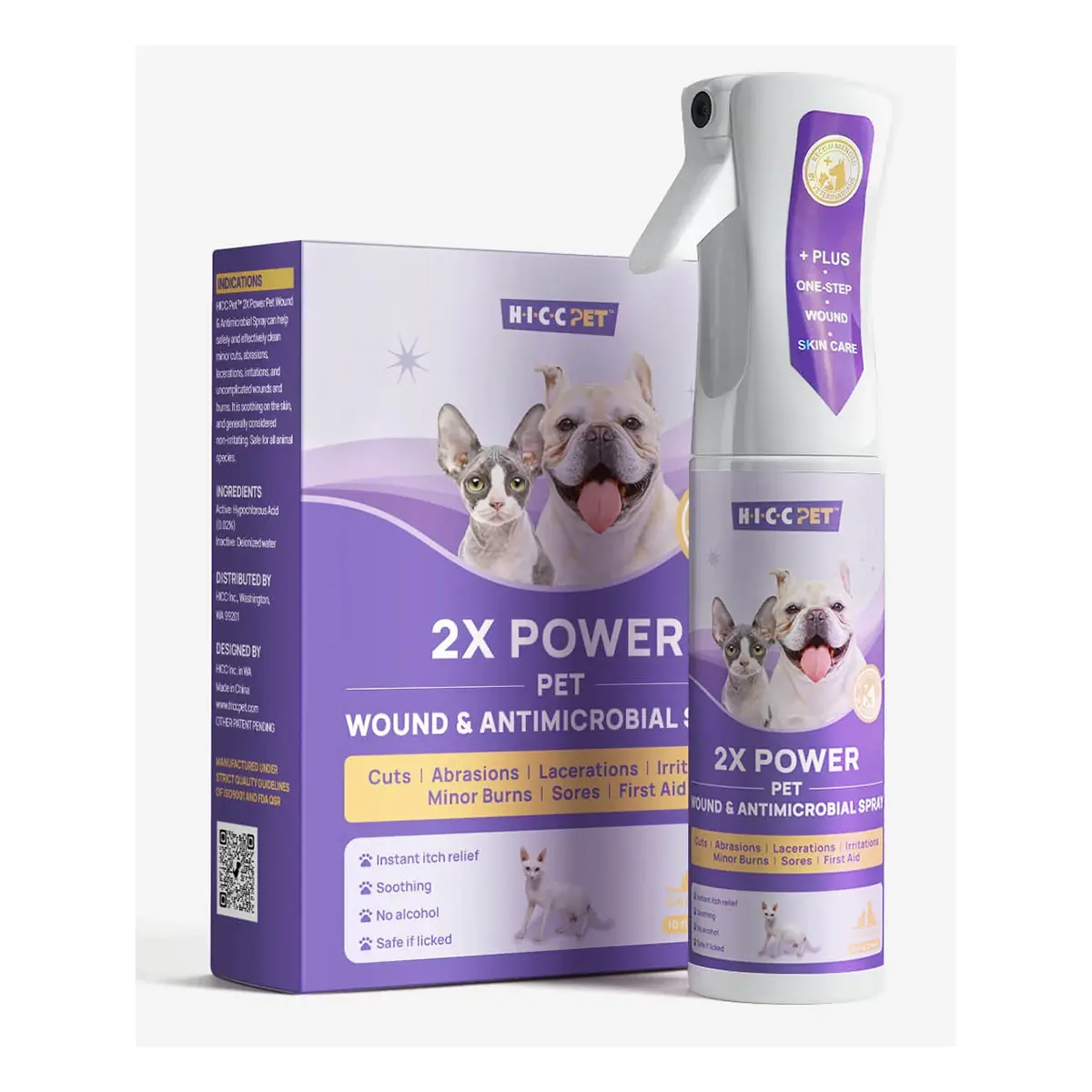
Grooming wipes are a convenient cat dandruff remover for targeted areas. If your cat only has flakes at the base of their tail or on their lower back, a quick daily wipe-down can keep the area clean. Look for wipes that are fragrance-free and contain conditioners to help soothe the skin.
Moisturizing Shampoos
If a veterinarian recommends a full bath, perhaps to treat a fungal infection or a heavy grease buildup, use a shampoo specifically designed for cats. Human shampoos have a different pH balance and can be very irritating to feline skin. A moisturizing cat shampoo with oatmeal or honey can help hydrate the skin barrier.
The Role of Nutrition in Skin Health
What goes into your cat's body is just as important as what you put on their fur. If the skin is chronically dry and flaky, it might be a sign that their diet is missing essential building blocks. You can browse our cat skin and coat health products for nutritional and topical support.
Omega-3 and Omega-6 Fatty Acids
Fatty acids are the primary nutrients for skin and coat health. Omega-3 fatty acids, often found in fish oil, have anti-inflammatory properties that help soothe irritated skin. Omega-6 fatty acids help maintain the structural integrity of the skin barrier, preventing moisture from escaping. We carry several high-quality supplements from brands like Zesty Paws and Honest Paws that can be easily added to your cat's food.
Hydration and Wet Food
Cats have a low thirst drive because they evolved to get most of their moisture from their prey. If a cat eats only dry kibble, they may live in a state of mild, chronic dehydration. Dehydration leads to dry skin, which leads to dandruff. Adding wet food to their diet or using a pet water fountain can increase their fluid intake. This extra hydration helps keep the skin supple from the inside out. For meal options, explore our cat food selection.
High-Quality Proteins
Skin cells and hair are made almost entirely of protein. If a cat's diet is low in high-quality animal protein, their body will prioritize internal organs over the skin and coat. Feeding a premium diet from brands like Farmina, Stella and Chewy's, or Open Farm ensures your cat has the amino acids necessary to grow a healthy, flake-free coat.
Weight Management and Mobility Concerns
One of the most common reasons for cat dandruff is that the cat simply cannot reach the area to groom it. This is often seen in cats struggling with obesity or senior cats with arthritis.
The Obesity Connection
If a cat is overweight, they often develop a "blind spot" on their lower back and the base of their tail. They cannot physically turn around far enough to lick and clean these areas. Over time, dead skin and loose hair accumulate, forming a thick layer of dandruff and mats. In these cases, the best cat dandruff remover is a weight management plan.
Our pharmacy carries prescription weight loss diets through our partnership with Pet's Choice. If your veterinarian recommends a specific therapeutic food like Royal Canin Veterinary Diet or Farmina Vet Life, you can coordinate your prescription through our pet pharmacy.
Managing Senior Stiffness
Older cats may have the desire to groom but lack the flexibility due to joint pain. You might notice they only groom their front legs and chest, leaving the back half of their body flaky. Providing joint support supplements like Cosequin or specific mobility aids can help them feel comfortable enough to resume their normal grooming habits. Browse our selection of Cosequin products for joint-support options.
Vet Tip: If your cat has stopped grooming and has visible dandruff, it may be a sign of dental pain or arthritis. A veterinary exam can help determine if your cat needs pain management or a professional dental cleaning to get back to their self-cleaning routine.
When Cat Dandruff Is a Medical Issue
While most dandruff is caused by dry air or minor grooming lapses, it can sometimes be a symptom of a more serious condition. If the dandruff is accompanied by redness, scabs, intense itching, or thinning hair, it is time to consult a professional.
External Parasites
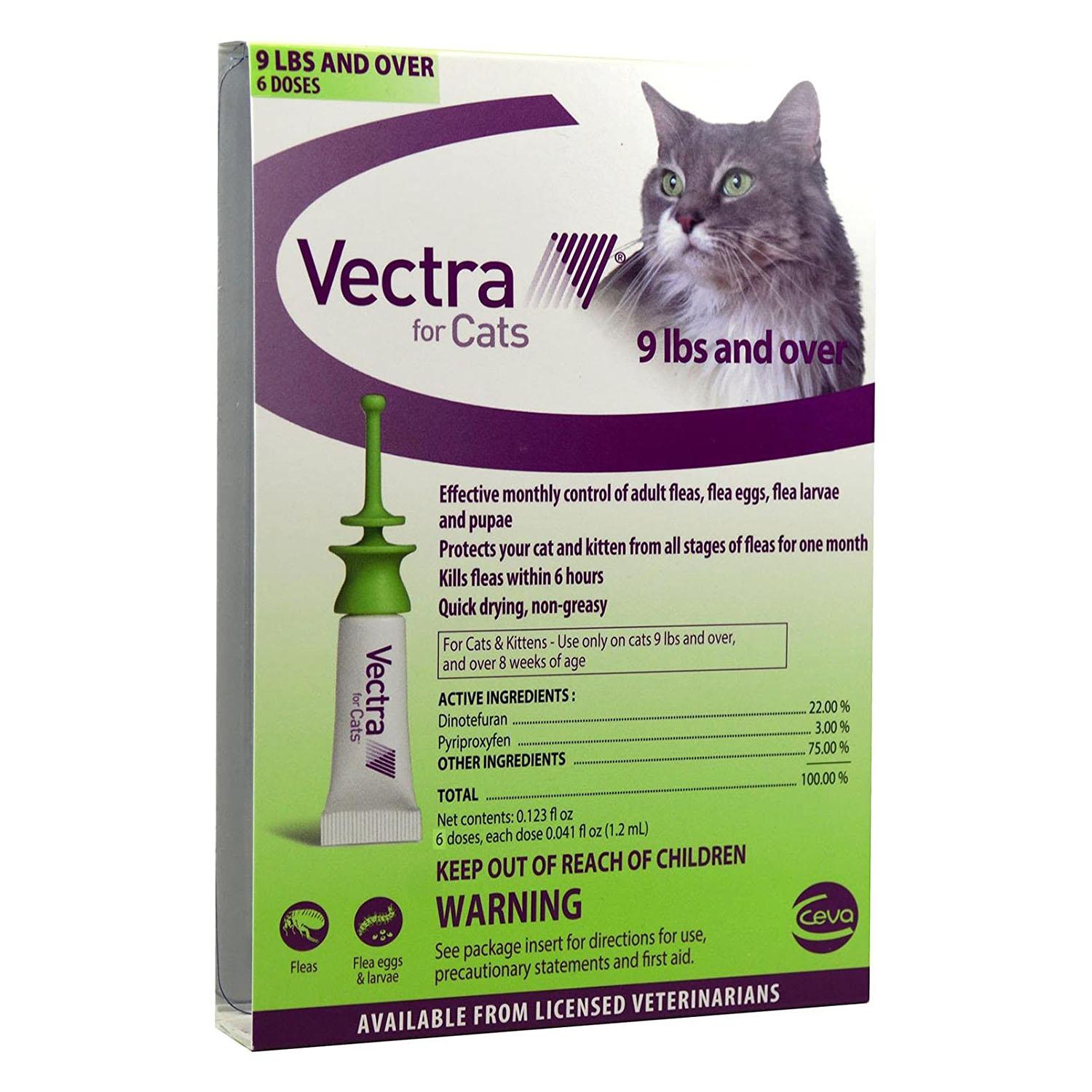
Mites, fleas, and lice can all cause the skin to flake. There is even a specific mite, Cheyletiella, known as "walking dandruff." These mites look like large white flakes that actually move across the skin. These conditions require medical treatment rather than just a better brush. Our pharmacy offers FDA-approved flea and tick preventives that can help eliminate these pests. For additional prevention ideas, read our guide to flea and tick prevention.
Internal Health Conditions
Conditions like hyperthyroidism, diabetes, and kidney disease can all affect a cat's skin quality. When the body is stressed by a systemic illness, the coat is often the first thing to suffer. A dull, flaky coat that does not improve with grooming or supplements should always be checked by a vet to rule out these underlying issues.
Allergies
Cats can be allergic to ingredients in their food or triggers in their environment, such as pollen or dust. Allergic reactions often manifest as skin inflammation, which leads to excessive shedding of skin cells. Your vet may recommend a limited-ingredient diet or a prescription allergy medication to manage these symptoms.
Environmental Adjustments for Healthy Skin
The environment inside your home plays a major role in your cat's skin health. This is particularly true during the winter months in the United States, when home heating systems run constantly.
Using a Humidifier
Forced-air heating strips the moisture out of the air, which in turn strips the moisture out of your cat's skin. If you notice your cat's dandruff gets worse in the winter, or if you feel a static shock when you pet them, the air is too dry. Using a humidifier in the rooms where your cat spends the most time can significantly reduce dry skin flakes.
Managing Stress
Stress can cause a cat to over-groom or stop grooming altogether. Changes in the household, such as a new pet or a move, can trigger skin issues. Providing a stable environment with plenty of vertical space and hiding spots can help keep their stress levels down, which supports a healthier coat. Gentle, consistent grooming can also support a comfortable routine; see our cat grooming guide for additional care ideas.
Step-by-Step Routine to Clear Cat Dandruff
If you want to clear up those white flakes, follow this simple routine to get your cat's skin back on track.
Step 1: Perform a skin check. Part the fur and look for redness, sores, or moving specks. If the skin looks irritated or you see parasites, call your vet.
Step 2: Start a daily brushing routine. Use a soft rubber brush or a slicker brush for five minutes every day. This removes existing flakes and prevents new ones from building up.
Step 3: Add moisture to the diet. Mix a little bit of wet food into their meals and consider an omega-3 fish oil supplement.
Step 4: Use a waterless shampoo. Once or twice a week, apply a moisturizing foam to the areas with the most dandruff. Wipe it away with a soft towel.
Step 5: Monitor the environment. If your skin feels dry, your cat's skin likely does too. Turn on a humidifier during the cold months.
Bottom line: Most cat dandruff can be managed at home with the right tools, better hydration, and consistent grooming habits.
Conclusion
Finding the right cat dandruff remover is about more than just aesthetics. It is about making sure your cat is comfortable and healthy. Whether you need a high-quality slicker brush, a moisturizing waterless shampoo, or a specialized omega-3 supplement, we have the tools to help. Remember that while most dandruff is a minor issue, persistent flakes or skin irritation should always be discussed with your veterinarian. You can also trust the team at BaxterBoo to provide the products and guidance you need for every stage of your cat's life. For ongoing needs like skin supplements or prescription diets, our Autoship programme and pharmacy services make it easy to keep your cat's coat looking its best.
FAQ
Why does my cat have dandruff even though they groom themselves?
Even if a cat is grooming, they may have dandruff due to environmental factors like low humidity or a lack of essential fatty acids in their diet. Sometimes, the undercoat becomes so thick that normal grooming cannot reach the skin to clear away dead cells. In these cases, a daily brushing routine with a slicker brush can help the grooming process.
Can I use human dandruff shampoo on my cat?
No, you should never use human dandruff shampoo on a cat. These products are formulated for the pH level of human skin and often contain ingredients that are toxic to cats if ingested during grooming. Always use a product specifically labeled for felines, such as a waterless foam or a moisturizing cat shampoo.
Is cat dandruff the same as dander?
No, dander consists of microscopic skin cells that are a normal part of shedding, while dandruff is made of visible, larger flakes that indicate dry or irritated skin. While all cats have dander, dandruff is a sign that the skin barrier needs support through grooming, nutrition, or environmental changes.
When should I take my cat to the vet for dandruff?
You should schedule a vet visit if the dandruff is accompanied by intense itching, hair loss, red or crusty skin, or a change in behavior like lethargy. These can be signs of parasites, infections, or internal health issues that require professional diagnosis and prescription treatment from a pharmacy.






- Site & Contents BaxterBoo.com. BaxterBoo is located in the United States.
- Privacy & Security
- Terms of Use
- Accessibility Statement
