Save 15% on your 1st Autoship learn more

 Email us
 Live Chat
 FAQs
FAQs





Introduction
You are petting your cat when you notice a flurry of tiny white flakes against their dark fur. It looks like a miniature snowstorm has settled on their back and shoulders. While a few flakes might seem minor, they often signal that your cat skin needs some extra attention. At BaxterBoo, we know that a healthy coat starts from the skin up. This post covers how to identify the cause of those flakes and how to choose the right dandruff cat shampoo to fix it. We will also look at when it is time to skip the soap and call the veterinarian instead. Understanding the difference between simple dry skin and a medical condition is the first step toward a shiny, comfortable coat for your feline friend.
What is Feline Dandruff
Dandruff is not actually a disease itself. It is a symptom of an underlying issue with the skin. In cats, dandruff consists of dead skin cells that have clumped together and shed off the body. This usually happens when the skin is either too dry or too oily. When the skin becomes irritated, it speeds up the replacement of skin cells. These cells pile up and fall off, creating the white specks you see on your furniture and your cat.
It is important to distinguish between simple dandruff and dander. Dander is a normal part of a cat body. It consists of microscopic skin cells that every cat sheds. You usually cannot see dander with the naked eye. Dandruff is visible and often comes with other signs of irritation. If you see large flakes, redness, or if your cat is scratching more than usual, you are dealing with a dandruff problem.
Quick Answer: Feline dandruff is the visible shedding of dead skin cells caused by irritation, dryness, or excessive oil. A specialized dandruff cat shampoo helps by moisturizing the skin and removing buildup without stripping away essential natural oils.
Common Causes of Flaky Skin in Cats
Before you reach for a bottle of shampoo, you need to know why the flakes are appearing. Several environmental and physical factors can lead to a dusty coat.
Low Humidity and Dry Air
This is a very common cause during the winter months. When you turn on the heater in your home, the air loses moisture. This sucks the hydration right out of your cat skin. You might notice the dandruff gets worse when the weather gets cold. Using a humidifier in the rooms where your cat sleeps can help.
Grooming Difficulties
Cats are famous for their self-grooming habits. However, if a cat cannot reach certain spots, skin cells and oils will build up. This often happens on the lower back or the base of the tail. Senior cats with arthritis often struggle to reach these areas. Overweight cats also face this challenge. If your cat has stopped grooming effectively, they will likely develop a flaky, greasy coat.
Nutritional Deficiencies
The skin is the largest organ in the body. It requires a lot of nutrients to stay healthy. If a cat diet is low in Omega-3 fatty acids, the skin can become dry and brittle. We carry brands like Farmina and Royal Canin that focus on high quality proteins and fats. These nutrients support the skin barrier from the inside out. Browse our cat skin and coat care collection for additional support options.
Medical Conditions and Parasites
Sometimes, those white flakes are not skin at all. A parasite called Cheyletiella is often nicknamed walking dandruff. These tiny mites look like white specks, but they move. Other issues like ringworm, fungal infections, or allergies can also cause heavy flaking.
Vet Tip: If your cat has dandruff along with hair loss, sores, or intense itching, please consult your veterinarian. These are often signs of parasites or infections that require prescription treatment rather than just a over the counter shampoo.
Why You Must Avoid Human Dandruff Shampoo
It is tempting to grab your own bottle of medicated shampoo when you see flakes on your cat. You should never do this. A cat skin is much thinner and more sensitive than human skin. More importantly, the pH balance is completely different. Humans have an acidic skin pH, while cats have a more neutral pH.
Using human products can strip away the protective acid mantle on your cat skin. This makes the dryness worse and can lead to chemical burns or severe rashes. Additionally, many human dandruff shampoos contain ingredients like zinc pyrithione or selenium sulfide. These ingredients can be toxic if your cat licks their fur after a bath. Always use a formula specifically labeled for feline use.
Essential Ingredients in Dandruff Cat Shampoo
When you are shopping for a solution, the ingredient list is your best friend. Different ingredients solve different types of dandruff. You can compare formulas in our shampoos and conditioners collection.
Colloidal Oatmeal
This is a gold standard for dry, itchy skin. It acts as a natural humectant, which means it draws moisture into the skin. It also creates a protective film that holds that moisture in. If your cat has dry, flaky skin without much grease, look for an oatmeal based formula.
Salicylic Acid and Sulfur
These ingredients are used for seborrhea. This is a condition where the skin produces too much oil. Salicylic acid helps to exfoliate the dead skin cells so they do not clump together. Sulfur helps to slow down the production of new skin cells. This combination is excellent for cats with greasy dandruff.
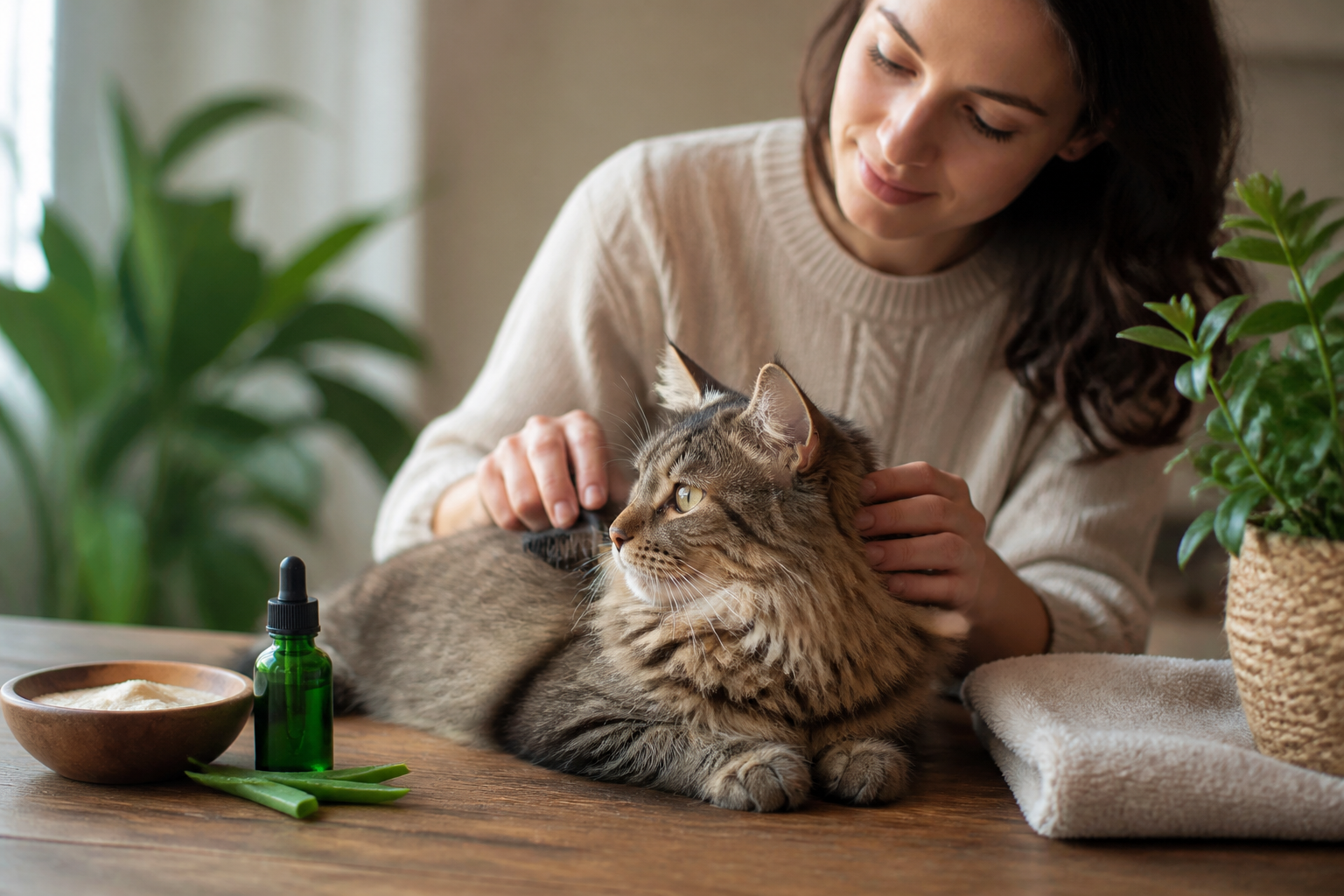
Aloe Vera and Vitamin E
These are soothing agents. They do not necessarily stop the dandruff, but they stop the discomfort. When the skin is less irritated, the cat will scratch less. Less scratching leads to less inflammation and fewer flakes.
Fatty Acids
Some shampoos are infused with Omega-3 or Omega-6 oils. These help to repair the skin barrier during the washing process. This is particularly helpful for cats who have lost their natural shine.
How to Bathe a Cat with Dandruff
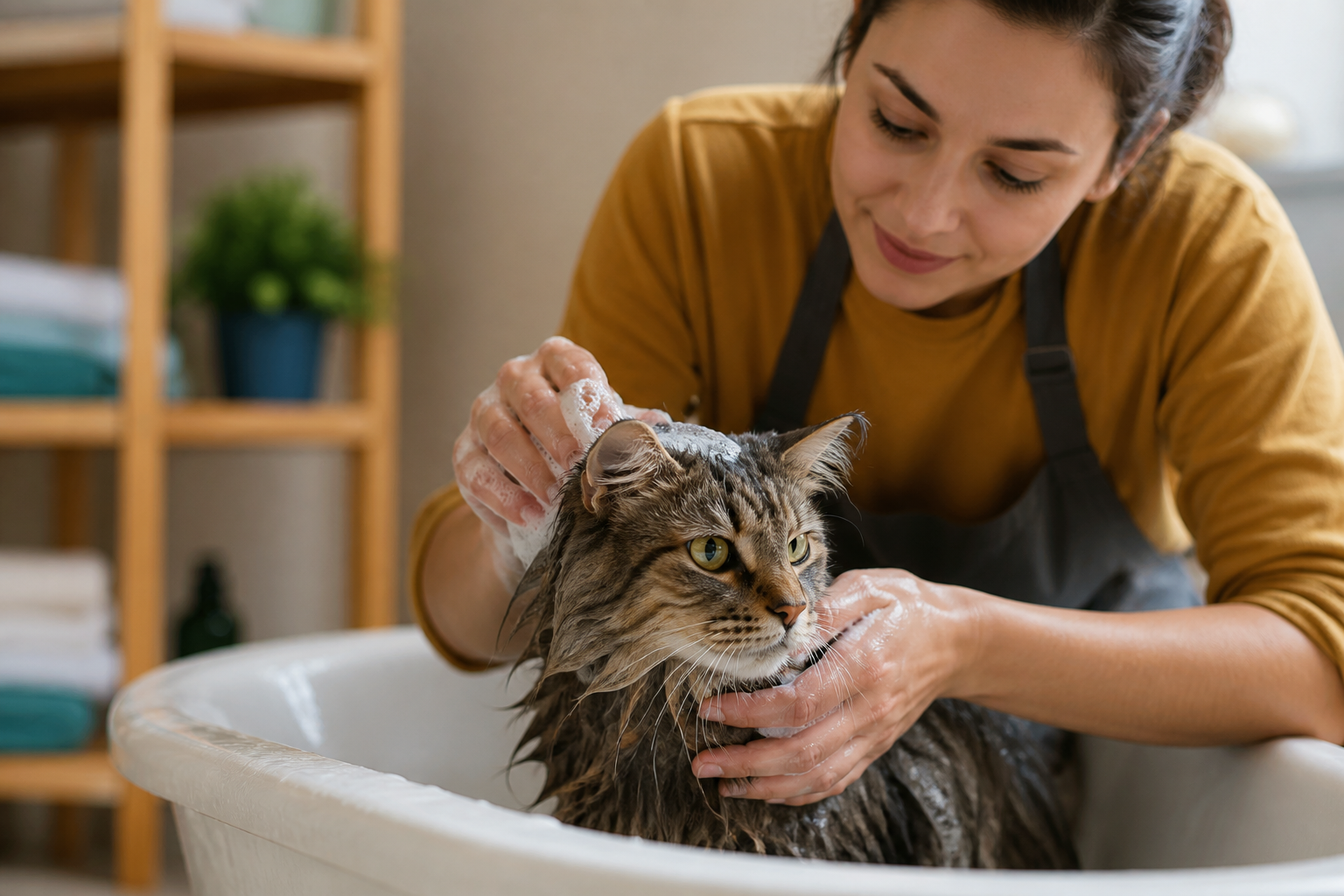
Bathing a cat is rarely a simple task. However, if you are using a medicated dandruff cat shampoo, the application process is very important. Most of these shampoos need "contact time" to work effectively.
Step 1: Brush the coat thoroughly. / This removes loose hair and breaks up large clumps of dandruff before you get the cat wet.
Step 2: Prepare the space. / Place a rubber mat in the sink or tub so the cat does not slip. Use lukewarm water, never hot.
Step 3: Wet the cat and apply shampoo. / Work the shampoo into a lather, starting from the neck and moving back. Avoid the eyes and ears.
Step 4: Let it sit. / Most dandruff shampoos require the lather to stay on the skin for 5 to 10 minutes. Use this time to pet your cat and keep them calm.
Step 5: Rinse completely. / Residual soap can cause even more irritation. Rinse until the water runs clear and you no longer feel any slickness on the fur.
Step 6: Dry carefully. / Use a warm towel and pat the skin dry. Avoid hair dryers, as the heat can further dry out the skin you just tried to hydrate.
Key Takeaway: The effectiveness of a dandruff shampoo depends on contact time. Always follow the bottle instructions regarding how long the lather should stay on the skin before rinsing.
Waterless Shampoo vs. Traditional Baths
Many cats find traditional baths extremely stressful. If the dandruff is mild, a waterless shampoo might be a better option. These usually come in a foam or spray. You massage the product into the coat and then towel it off.
Waterless shampoos are great for spot cleaning or for cats who are too frail for a full bath. They can help remove surface flakes and add a bit of moisture. However, they do not provide a deep clean. If your cat has a heavy buildup of grease or deep seated skin issues, a traditional bath with water is usually necessary to actually remove the debris. For more options, explore our cat grooming supplies.
The Role of Our Pharmacy in Skin Health
Sometimes, over the counter shampoos are not enough. If your cat has a skin infection or a severe case of seborrhea, they may need a prescription strength medicated wash. Through our partnership with Pet's Choice, the BaxterBoo pharmacy for cats offers FDA approved medications and prescription diets.
If your vet determines that the dandruff is caused by an underlying health issue like hyperthyroidism or diabetes, specialized care is required. We carry prescription foods from brands like Farmina Vet Life that are formulated for specific health conditions. Managing the primary disease often clears up the skin issues as a secondary benefit. Our pharmacy makes it easy to get these professional grade products delivered right to your door.
Dietary Support for Flake Free Skin
What goes into your cat is just as important as what you put on them. If you use the best shampoo in the world but your cat diet is poor, the dandruff will return.
You should look for foods that contain high levels of biotin, zinc, and essential fatty acids. We offer several supplements from brands like Zesty Paws and Honest Paws that can be added to your cat's daily meals. These supplements are designed to support skin elasticity and coat shine. You can also read our pet supplement guide for more guidance on nutritional support.
Bottom line: A combination of topical dandruff shampoo and a nutrient rich diet provides the best long term results for feline skin health.
Maintaining a Healthy Coat Between Baths
You should not bathe your cat too often. Even with the best dandruff cat shampoo, excessive washing can eventually dry out the skin. Most experts recommend a bath no more than once every 4 to 6 weeks for cats with skin issues.
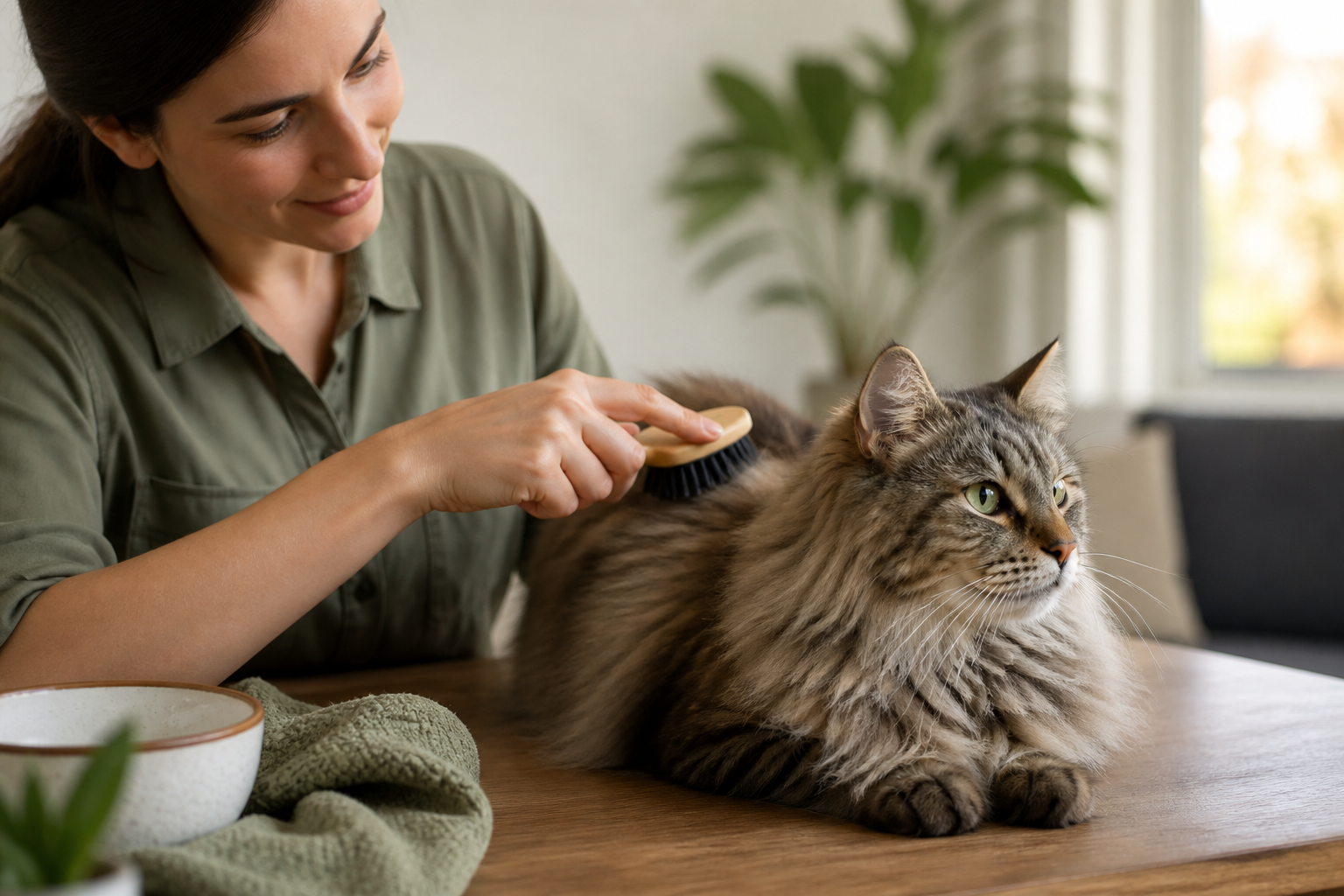
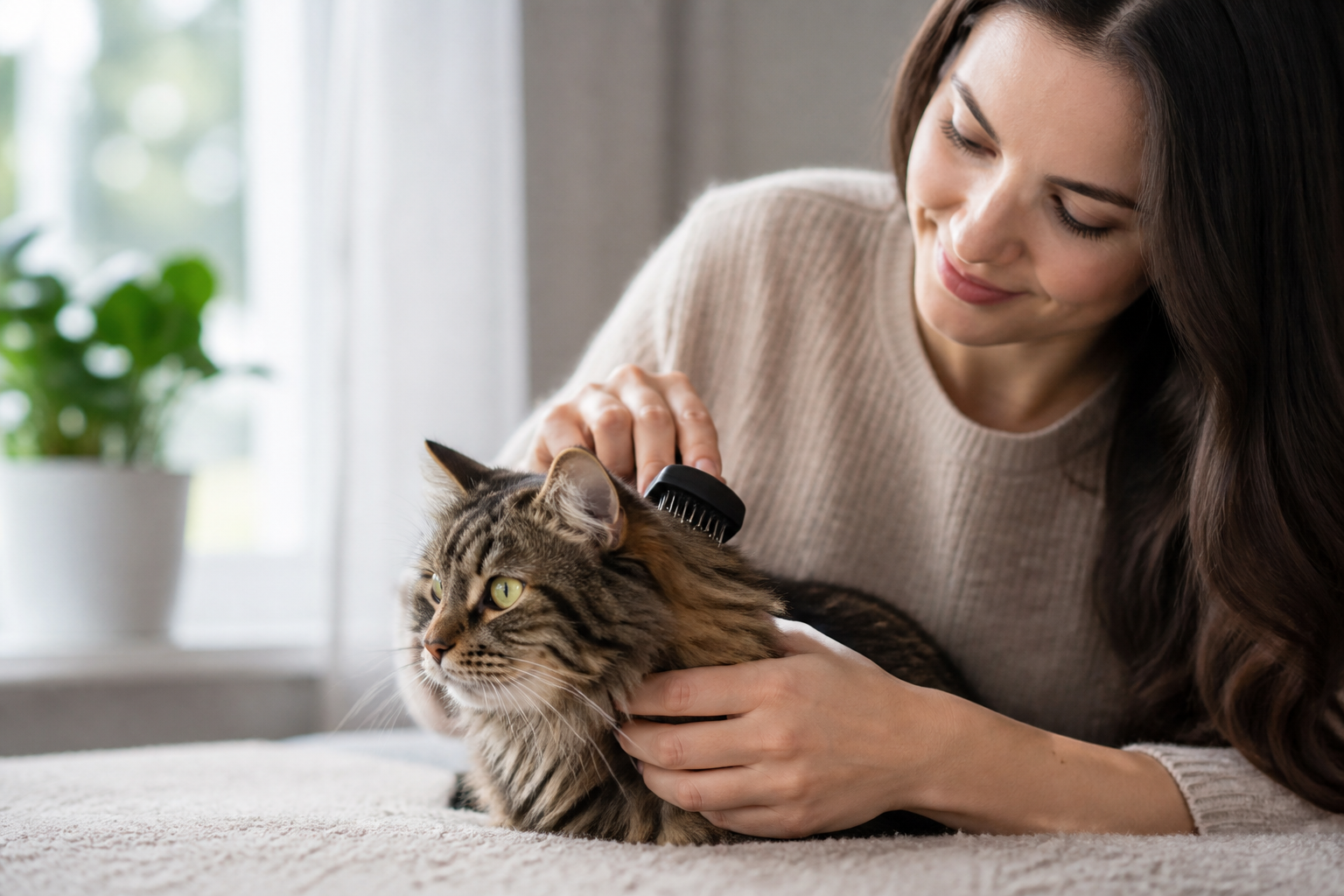
In between those baths, regular brushing is your best tool. Brushing stimulates the skin to produce its own natural oils. It also moves those oils from the base of the hair down to the tips. This natural lubrication is the best defense against dryness. For cats with mobility issues, daily brushing is a necessity to prevent the buildup of dead skin. Find grooming tools and coat-care products in our Top Performance selection.
- Use a soft bristle brush for short haired cats.
- Use a slicker brush or comb for long haired cats.
- Focus on the base of the tail and the lower back.
- Check for redness or "flea dirt" during every grooming session.
When to See a Veterinarian
If you have tried a high quality dandruff shampoo and improved your cat's diet, but the flakes persist, it is time for professional help. Skin conditions can be very difficult to diagnose because many of them look the same. A vet may perform a skin scraping to look for mites under a microscope. They might also run blood work to check for internal health problems.
Be prepared to tell your vet:
- When the dandruff first appeared.
- If the flaking is seasonal or year round.
- What products you have already tried.
- If there have been any changes in your cat's appetite or behavior.
Conclusion
Dealing with cat dandruff can be frustrating, but most cases are easily managed with the right approach. By choosing a dandruff cat shampoo with the correct ingredients and supporting your pet's health with a good diet, you can restore their coat to its natural beauty. Remember to be patient, as skin cells take time to heal and regenerate. Whether you need a gentle oatmeal wash, a waterless foam, or a prescription diet through our pharmacy, we are here to help you every step of the way.
For the best selection of grooming supplies and skin support, browse our full collection of cat shampoos and conditioners.
Key Takeaway: Success in treating cat dandruff requires a two-pronged approach of topical cleaning and internal nutritional support.
FAQ
Can I use human dandruff shampoo on my cat?
No, you should never use human dandruff shampoo on a cat. The pH levels of human skin and cat skin are very different, and human products can cause severe irritation or chemical burns. Additionally, some ingredients in human shampoos are toxic to cats if they lick their fur after the bath.
How often should I bathe my cat for dandruff?
For most cats with dandruff, a bath every 4 to 6 weeks is sufficient. Over-bathing can actually strip the skin of its natural oils and make the dryness worse. In between baths, focus on daily brushing and using a humidifier to keep the skin hydrated.
Why does my cat have dandruff on the base of their tail?
Dandruff at the base of the tail is very common because it is a hard-to-reach area for many cats. If a cat is overweight or has arthritis, they may stop grooming that specific spot effectively. This leads to a buildup of oils and dead skin cells that eventually flake off as dandruff.
Does diet affect cat dandruff?
Yes, diet plays a massive role in skin health. A lack of essential fatty acids, like Omega-3 and Omega-6, can cause the skin to become dry and flaky. Providing a high-quality diet or adding a skin and coat supplement can often reduce dandruff from the inside out.