
 Save 15% on your 1st Autoship learn more

 Email us
 Live Chat
 FAQs
FAQs





Introduction
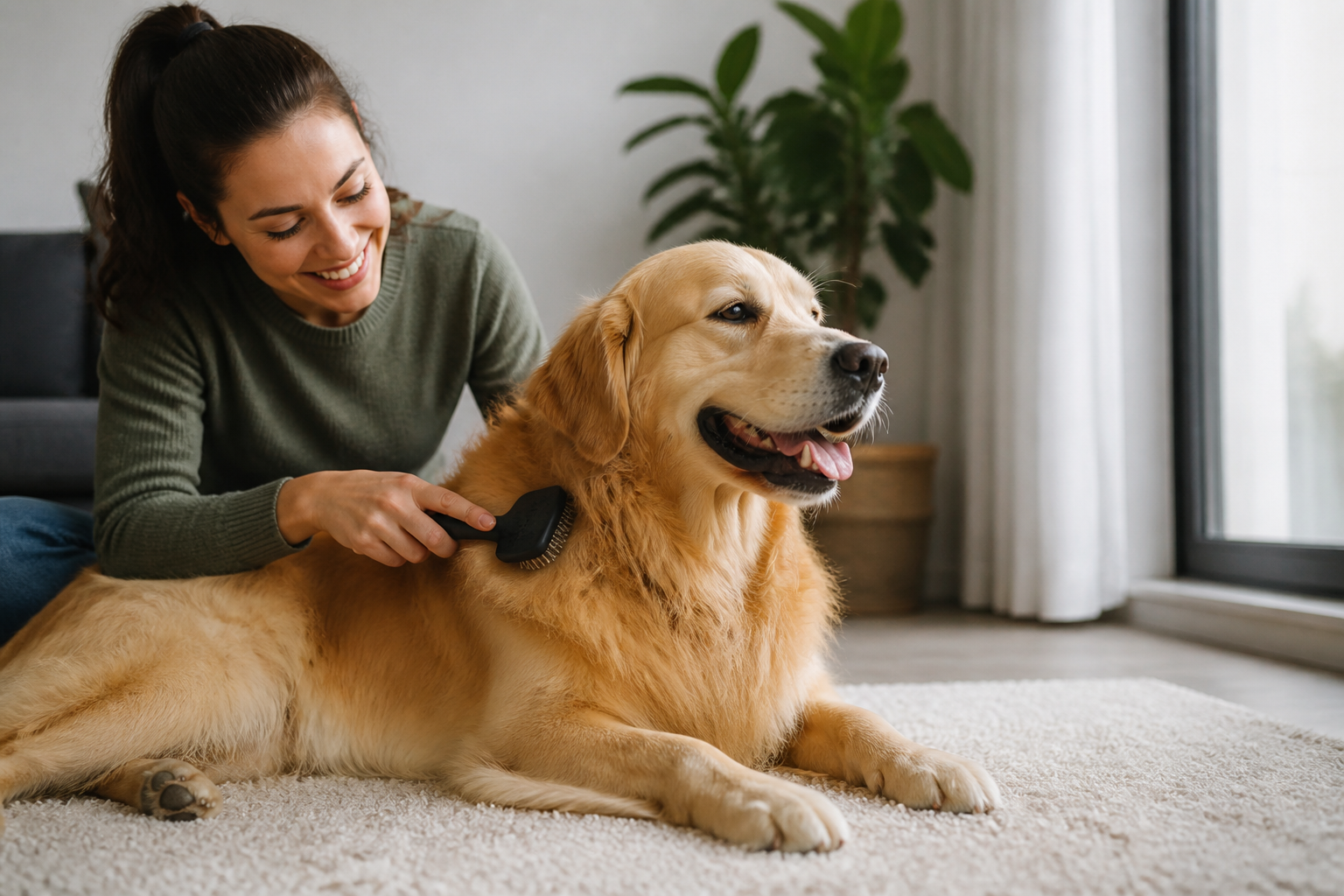
You just finished vacuuming the living room floor. Ten minutes later, a fresh tumbleweed of golden fur drifts across the hardwood. This is the reality of living with a Golden Retriever. Their beautiful double coat is one of their most famous features. It is also the source of constant shedding and occasional mats. At BaxterBoo, we know that the right equipment makes grooming a bonding time rather than a frustrating chore. Using the wrong brush can skip over the thick undercoat or even irritate your dog's skin. This guide identifies the specific tools needed to manage shedding and keep that famous coat shining. We will look at slicker brushes, undercoat rakes, and detail combs to help you build the perfect grooming kit.
Quick Answer: A high quality slicker brush is the single best daily tool for a Golden Retriever. You should pair it with an undercoat rake for heavy shedding seasons and a steel comb for checking for hidden mats.
Understanding the Golden Retriever Double Coat
Before picking a brush, you must understand what you are brushing. Golden Retrievers have a double coat. This means they have two distinct layers of fur that serve different purposes. The top layer consists of long guard hairs. These hairs are somewhat oily and water resistant. They protect the dog from dirt and moisture. They are also what give the breed its beautiful golden color and flow.
The second layer is the undercoat. This layer is thick, soft, and fuzzy. It acts as insulation. It keeps the dog warm in the winter and cool in the summer. Because this undercoat is so dense, it is the primary source of shedding. When these soft hairs die, they often get trapped under the guard hairs. If you do not brush them out, they turn into clumps. These clumps eventually become tight mats.
The Problem with Mats and Tangles
Mats are more than just an eyesore. They can be painful for your dog. As a mat tightens, it pulls on the skin. This can lead to sores and skin infections. In a thick coat like a Golden's, mats often hide behind the ears or in the armpits. Regular grooming allows you to find these early. It also lets you check for lumps, bumps, or skin irritations.
Seasonal Shedding Cycles
Most Golden Retrievers shed a little bit all year long. However, they go through a major change twice a year. This is often called "blowing the coat." It usually happens in the spring and the fall. During these times, the amount of hair in your house will triple. You will need to increase your brushing frequency during these weeks. Having the right tools on hand makes this manageable. For more ideas about managing a thick double coat during shedding season, read our guide to seasonal shedding and undercoat care.
Key Takeaway: Golden Retrievers have a water resistant outer coat and a dense insulating undercoat. Both layers require different types of brushes to stay healthy and mat-free.
The Slicker Brush: Your Daily Essential
If you only buy one tool, it should be a high quality slicker brush. A slicker brush has a flat or slightly curved head. It is covered in rows of thin wire pins. These pins are usually angled. This design allows the brush to reach through the topcoat and grab loose hair from the undercoat. You can compare options in our dog brushes and combs collection.
We recommend slicker brushes with flexible pins. These are gentler on the skin. A firm slicker is good for getting through thick fur, but you must use a light touch. If you press too hard, you can cause brush burn. This is a red, irritated patch of skin. Always test the brush on your own forearm first. If it feels scratchy to you, use less pressure on your dog.
How to Use a Slicker Brush Effectively
The best technique for a Golden is called line brushing. You start at the bottom of a leg or the tail. Use one hand to push the hair up. This reveals the skin. Then, use the slicker brush to brush a small section of hair down. Move up the dog's body inch by inch. This ensures you are reaching the skin and not just brushing the surface.
Slicker brushes are also great for removing small tangles. If the brush catches on a knot, do not yank it. Use short, gentle strokes to break the knot apart. Brands like Safari and Coastal Pet offer various sizes. A large slicker is best for the body. A smaller one is helpful for the face and paws. A specific option to consider is the Master Grooming Tools Self-Cleaning Slicker Brush.
Bottom line: The slicker brush is the workhorse of your grooming kit. It handles daily maintenance and removes loose undercoat hair before it falls on your furniture.
The Undercoat Rake for Heavy Shedding
A slicker brush is great, but it has limits. During shedding season, you need something that goes deeper. An undercoat rake is the answer. These tools look like a T-shaped rake with a single or double row of metal tines. The tines are designed to slide through the topcoat without cutting it. They reach down into the fuzzy undercoat to pull out dead hair.
Many Golden owners find the undercoat rake to be a lifesaver in the spring. It can remove a massive amount of fur in a single session. This helps the dog stay cool as the weather warms up. It also prevents that "fuzzy" look that happens when dead undercoat starts to poke through the guard hairs. Our dog grooming collection includes tools for brushing, bathing, and coat care.
Choosing the Right Rake
Look for a rake with rounded tips on the tines. This prevents the metal from scratching the dog's skin. Some rakes have pins that rotate. This can make the process more comfortable for the dog. It reduces the "tugging" sensation when the rake hits a thick patch of fur. Use the rake with long, smooth strokes in the direction of hair growth.
Do not confuse a rake with a shedding blade or a tool that uses a sharp edge. For a Golden Retriever, you want to preserve the guard hairs. Tools with blades can sometimes cut the topcoat. This ruins the water resistance and the natural look of the fur. Stick to a rake with smooth, blunt pins for the safest results.
The Steel Comb: The Truth Teller
Every Golden Retriever owner needs a professional quality steel comb. It is often called a Greyhound comb. One half typically has wide-spaced teeth. The other half has narrow-spaced teeth. This is a simple tool, but it is the most important for finding hidden mats. A Coastal Safari Long Hair Shedding Dog Comb can help with detailed coat work.
After you finish brushing with the slicker, run the comb through the coat. The slicker brush can sometimes glide over a mat that is close to the skin. The steel comb will catch on it. If the comb slides through the entire coat from skin to tip, you are done. If it stops, you have more work to do.
Detail Work and Finishing
The narrow end of the comb is perfect for detail areas. Use it on the fine hair behind the ears. This is where most mats start. It is also great for the "feathers" on the legs and the long hair on the tail. Consistent use of a comb is the only way to ensure your dog is truly mat-free.
Key Takeaway: Use a slicker brush for the bulk of the work and a steel comb to verify that you have reached all the way to the skin.
Rubber Brushes and Massage Tools
While metal brushes do the heavy lifting, rubber brushes have a place in your kit too. These tools are made of soft rubber with thick, flexible "fingers." They are excellent for two specific tasks: bath time and massage. For bathing and massage options, explore our grooming tools for dogs.
During a bath, use a rubber brush to work the shampoo into the thick double coat. It helps the soap reach the skin. It also helps loosen even more dead hair while the coat is wet. Outside of the bath, many dogs find the sensation of a rubber brush very relaxing. It stimulates blood circulation and distributes natural skin oils. This keeps the coat looking glossy and healthy.
Gentle Grooming for Puppies
If you have a Golden Retriever puppy, start with a rubber brush. Their coat is much softer and thinner than an adult's. A metal slicker might be too harsh for them at first. The rubber brush gets them used to the feeling of being groomed. It builds trust so they will sit still for more intensive brushing later in life.
A Step-by-Step Grooming Routine
Consistency is better than intensity. Brushing for ten minutes three times a week is better than one hour once a month. Follow these steps for a successful session:
Step 1: Apply a grooming spray. / Use a light conditioning spray to reduce static. It helps the brush glide and prevents hair breakage.
Step 2: Start with the slicker brush. / Use the line brushing technique. Start at the rear of the dog and move forward. Focus on the thickest parts of the coat first.
Step 3: Use the undercoat rake. / If it is shedding season, go over the body with the rake. This will pull out the fuzzy undercoat that the slicker might have missed.
Step 4: Check with the steel comb. / Run the comb through the "problem spots." Check behind the ears, the armpits, and the tail.
Step 5: Reward your dog. / Give them a treat and praise. You want them to look forward to these sessions. We carry a variety of healthy treats from brands like Zesty Paws and Stella and Chewy's that make great rewards.
Maintaining Skin and Coat Health
A beautiful coat starts from the inside. Even the best brush cannot fix a coat that is dull due to poor nutrition. Look for dog foods rich in Omega-3 and Omega-6 fatty acids. Brands like Farmina and Open Farm offer formulas that support skin health.
If your dog is scratching constantly, they may have allergies or pests. Scratching creates tangles very quickly. It also damages the skin. Our pet pharmacy for dogs offers FDA-approved flea and tick preventives. These include options like NexGard and Frontline. We provide these through our partnership with Pet's Choice. Keeping your dog free of parasites is a critical part of coat maintenance.
Vet Tip: If you find red, crusty, or moist spots on the skin while brushing, consult your veterinarian. These may be hot spots or infections that need professional care. Our pharmacy carries prescription skin treatments and medicated shampoos to help manage these conditions under a vet's guidance.
When to Call a Professional
There are times when home grooming is not enough. If your Golden Retriever has severe mats that are tight against the skin, do not try to cut them out with scissors. It is very easy to accidentally cut a dog's thin skin. A professional groomer has the tools to safely shave out a mat.
Once the professional has cleared the mats, you can start fresh. Regular brushing at home will prevent the need for a "shave down" in the future. Remember that you should never shave a Golden Retriever down to the skin unless it is medically necessary. Their double coat protects them from sunburn and helps regulate their temperature. Without it, they are at risk for heatstroke.
Grooming Supplies and Rewards
Maintaining a Golden Retriever requires a small investment in quality tools. At BaxterBoo, we stock a wide selection of grooming gear from trusted brands like Safari, Coastal Pet, and Hartz. Whether you need a sturdy rake or a gentle slicker, we can help you find the right match for your dog's specific coat type.
You can also earn points on every grooming purchase through the MVP Rewards program. If you find a shampoo or conditioning spray your dog loves, consider using our Autoship program. This ensures you never run out of supplies. It also saves you money on every recurring order. Keeping your Golden looking their best is a lifelong commitment, and we are here to support you every step of the way.
Summary of Best Brushes
The best grooming kit for a Golden Retriever is a combination of tools. No single brush does everything. Use the table below to understand when to use each tool.
| Tool Type | Primary Purpose | Frequency |
|---|---|---|
| Slicker Brush | Daily maintenance and surface tangles | 3-4 times per week |
| Undercoat Rake | Removing deep dead fur during shedding seasons | Weekly during "blow out" |
| Steel Comb | Detail work and checking for hidden mats | Every grooming session |
| Rubber Brush | Bath time scrubbing and skin massage | During baths or for relaxation |
Regularly checking your dog's skin while you brush is a great habit. It helps you catch issues before they become serious. If you ever notice persistent skin redness or hair loss, a trip to the vet is the right next step. You can then fulfill any necessary prescriptions through our dog pharmacy for a convenient, reliable solution.
FAQ
How often should I brush my Golden Retriever?
You should aim to brush your Golden Retriever at least three times a week. During the heavy shedding seasons in the spring and fall, daily brushing is best to keep fur from covering your home. Regular sessions prevent small tangles from turning into painful mats that require professional removal.
Can I use a deshedding tool like the Furminator on a Golden?
You can use these tools, but you must be very careful with the pressure. These tools use a small blade to remove hair, and if used too aggressively, they can cut or damage the beautiful topcoat. Many professional groomers prefer a standard undercoat rake because it is gentler on the guard hairs while still removing dead undercoat.
What should I do if I find a mat behind my dog's ear?
Do not reach for the scissors, as it is very easy to cut the delicate skin in that area. Instead, apply a small amount of conditioning spray or cornstarch to the mat to help it slide. Use the very edge of your slicker brush to gently pick the mat apart from the outside in, working slowly until it is clear.
Does my Golden Retriever need to be shaved in the summer?
No, you should never shave a Golden Retriever unless a veterinarian recommends it for a medical reason. Their double coat acts as insulation that keeps them cool in the heat and protects their skin from the sun's rays. Shaving them can actually make them more prone to overheating and permanent coat damage.






