
 Save 15% on your 1st Autoship learn more

 Email us
 Live Chat
 FAQs
FAQs





Introduction
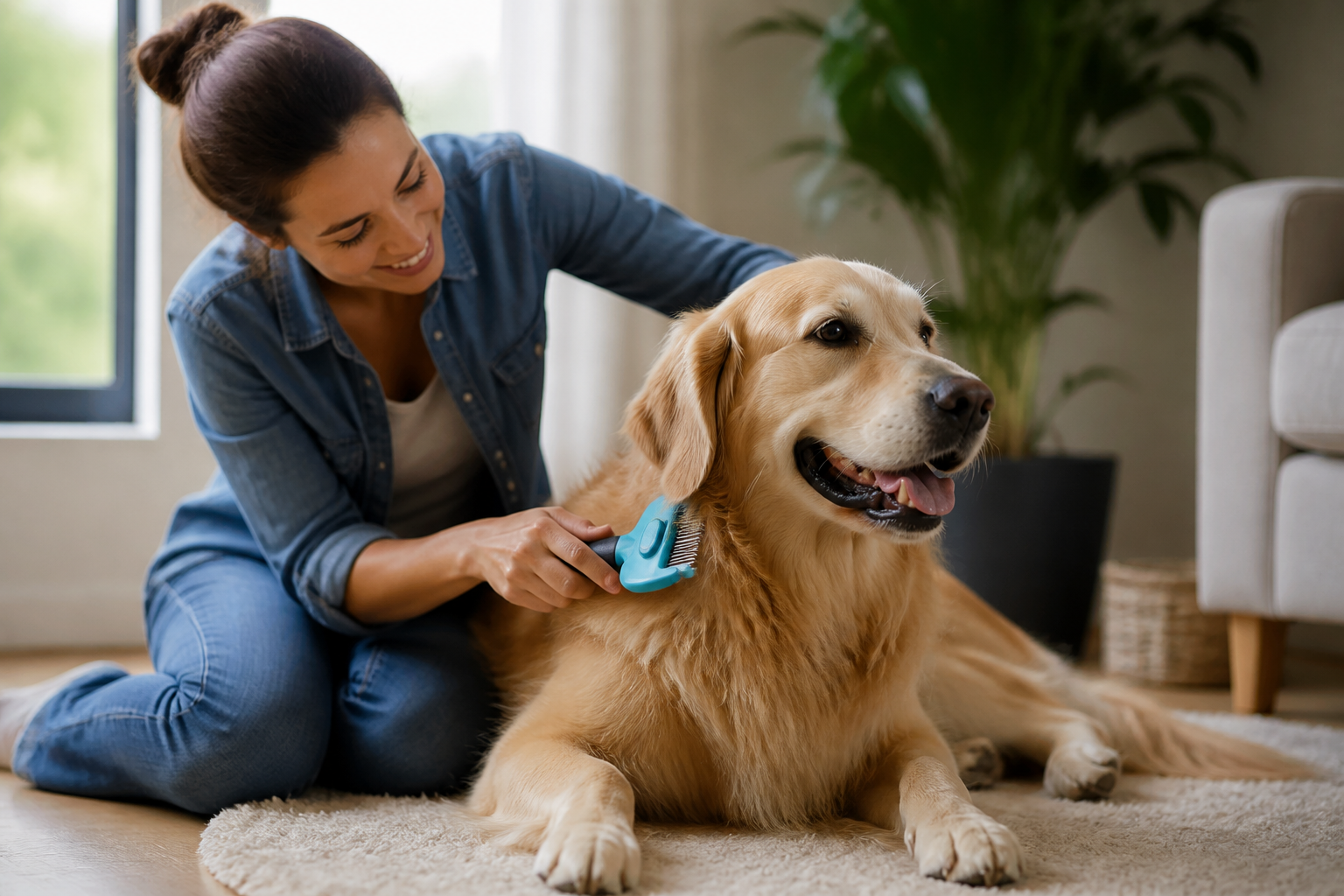
Every dog owner knows the feeling of seeing fur tumbleweeds drift across the kitchen floor. You vacuum in the morning and by dinner time the rug is covered in hair again. At BaxterBoo, we know that shedding is more than just a cleaning chore. It is a natural process for your dog, but it can quickly become overwhelming without the right tools. There is no single brush that works for every dog because every coat is different. A tool that works for a Golden Retriever might be useless or even painful for a Boxer. We want to help you cut through the confusion and find the exact tool your dog needs. This post covers the specific brush types for different coats and how to use them safely. Identifying your dog's coat type is the first step toward a hair-free home.
Understanding Your Dog's Coat Type
Before you can choose a tool, you must understand what you are brushing. Most dogs fall into specific coat categories that dictate how they shed. Some dogs have a single coat, while others have a thick undercoat that requires deeper reach.
Short-haired dogs like Labradors or Beagles often shed year-round. Their hair is stiff and tends to weave into fabric. Double-coated dogs like Huskies or Shepherds have a soft, insulating undercoat. They blow their coat twice a year, which results in massive amounts of loose fur. Long-haired dogs with silky coats like Yorkies might not shed as much, but they mat easily.
Quick Answer: The best dog brush for shedding depends on the coat type. Double-coated dogs need an undercoat rake, while short-haired dogs do best with rubber curry brushes. Dense or curly coats require a slicker brush to prevent mats.
If you are unsure of the coat type, look at the skin. Part the hair and see if there is a second, softer layer of fur near the base. If you see a fuzzy layer that looks different from the top hair, your dog has a double coat. This distinction is vital because the wrong brush will only scratch the surface without removing the trapped undercoat.
The Undercoat Rake for Heavy Shedders
If you own a Husky, German Shepherd, or Golden Retriever, an undercoat rake is your most important tool. These brushes have long, metal tines that look like a literal rake. They are designed to pass through the topcoat and pull out the dead, fuzzy hair underneath.
The tines should be roughly as long as your dog's fur. If the teeth are too short, they will not reach the undercoat. If they are too long, they might scrape the skin. Many rakes come with rounded pins to prevent scratching. This is a great feature for dogs with sensitive skin. You can compare different options in our dog brushes and combs category.
Step 1: Start at the neck. / Move the rake in the direction of hair growth using long strokes.
Step 2: Check the tool frequently. / Undercoat rakes pull out a lot of hair very fast, so clear the teeth often.
Step 3: Focus on the "trousers" and neck. / These areas usually have the densest undercoat and need the most attention.
Key Takeaway: Undercoat rakes are the most effective tool for double-coated breeds because they reach the source of the shedding without damaging the outer guard hairs.
Using Slicker Brushes for Floof and Mats
Slicker brushes are recognizable by their rectangular heads and fine, bent wire pins. These are the workhorses of the grooming world. They are ideal for dogs with medium to long hair that is prone to tangling. This includes Poodles, Doodles, and many Terrier breeds.
The fine pins grab onto loose hair and pull it away from the body. They are also excellent for breaking up small mats before they become a problem. When using a slicker brush, you must use a light touch. The wires are sharp and can cause "brush burn" if you press too hard against the skin.
We carry several high-quality slicker brushes that professional groomers trust. Brands like Chris Christensen or Hertzko are known for having pins that are effective but gentle. If your dog has very dense fur, look for a slicker brush with longer pins. This allows the tool to penetrate the coat rather than just smoothing the top layer. Our selection of Master Grooming Tools products includes slicker brushes and undercoat rakes.
Vet Tip: Always check your dog's skin for redness after using a slicker brush. If you see any irritation, you may be using too much pressure or the pins may be too firm for your dog's skin type.
The Power of De-Shedding Blades
Tools like the Furminator or the SleekEZ use a different approach. These tools have a very fine, serrated metal edge. They are designed to grab and pull out loose hair from the undercoat with incredible efficiency. Many owners find these tools to be the most satisfying to use because they produce piles of fur in minutes.
However, these tools must be used with caution. They are essentially tiny blades that can cut the hair or irritate the skin if used incorrectly. You should never use a de-shedding blade on a dog with a single coat or very thin hair. It is strictly for dogs with a dense undercoat.
- Only use on a completely dry coat.
- Limit sessions to 10 or 15 minutes to avoid skin irritation.
- Avoid using on the face, paws, or bony areas like the spine and hips.
- Use very light pressure and let the tool do the work.
We suggest using these heavy-duty tools once or twice a week during peak shedding season. For the rest of the year, a more gentle brush is usually enough. If your dog shows signs of skin sensitivity, you might prefer a rubber tool instead. For additional seasonal shedding guidance, read how Australian Shepherds shed and how to manage it.
Rubber Curry Brushes for Short-Haired Dogs
If you have a Boxer, Dalmatian, or Pit Bull, you might think you do not need a brush. Short-haired dogs shed just as much as long-haired ones, but the hair is harder to catch. A rubber curry brush or a grooming mitt is the perfect solution for these breeds.
These tools use static electricity and rubber nubs to pull loose hair from the coat. They also massage the skin, which stimulates the production of natural oils. This keeps the coat shiny and healthy. Because they are made of soft rubber, you can use them as firmly as you like without hurting the dog.
Rubber brushes are also excellent for use during bath time. You can use the brush to work the shampoo deep into the coat and loosen dead hair at the same time. This helps wash away the dander and loose fur before it ever reaches your furniture. Our BASS Brushes selection includes bathing brushes and detangling tools.
Bottom line: Rubber brushes are the safest and most comfortable option for short-haired dogs and puppies who are still learning to enjoy grooming.
Bristle Brushes and Finishing Tools
A bristle brush is often the final step in a grooming routine. These brushes use natural or synthetic bristles to smooth the coat and distribute oils. While they do not remove much undercoat, they are great for removing surface dust and giving the coat a finished look.
For dogs with very fine or silky hair, a pin brush is a better choice. These look like human hairbrushes but have widely spaced metal pins with rounded tips. They are gentle on the hair and help prevent breakage in long-haired breeds like Malteses or Setters.
- Bristle Brush: Best for short coats and finishing long coats.
- Pin Brush: Best for long, silky hair and everyday detangling.
- Metal Comb: Best for checking for hidden mats and grooming the face.
- Flea Comb: Best for removing debris and checking for pests.
Grooming for Skin Health
Brushing is not just about keeping your house clean. It is a vital part of monitoring your dog's health. While you brush, you should be looking for lumps, bumps, or red patches. If your dog is shedding excessively and has dry, flaky skin, the issue might be deeper than just a natural cycle.
Our pharmacy provides access to FDA-approved medications and prescription diets through our partnership with Pet's Choice. Sometimes, heavy shedding is caused by allergies or a lack of specific nutrients. A prescription diet like Farmina Vet Life or Royal Canin can support skin health from the inside out. If your veterinarian identifies a skin condition or a thyroid issue, our dog pharmacy can help manage those needs.
Key Takeaway: Regular grooming allows you to spot skin issues early. If you notice persistent redness or hair loss, consult your veterinarian for a professional diagnosis.
Creating a Positive Grooming Routine
Many dogs are nervous about being brushed. This is usually because they have had a painful experience with a mat or a sharp brush. To make the process easier, you should start slow. Let your dog sniff the brush and give them a treat.
Start by brushing an area they enjoy, like their chest or shoulders. Avoid the sensitive areas like the belly and tail until they are relaxed. Keep your sessions short and end on a high note with a high-value treat. Over time, your dog will associate the brush with attention and rewards.
If you have a busy schedule, our Autoship program can help. You can set up recurring deliveries for grooming wipes, shampoos, and treats so you never run out of supplies. This keeps your routine consistent, which is the key to managing shedding.
Comparing the Best Dog Brushes
| Brush Type | Best For | Main Benefit | Caution |
|---|---|---|---|
| Undercoat Rake | Double Coats | Pulls out dense undercoat | Can miss the topcoat |
| Slicker Brush | Curly or Long Hair | Removes mats and tangles | Can scratch skin if pressed hard |
| De-Shedding Tool | Heavy Shedders | Removes massive amounts of hair | Can damage the coat if overused |
| Rubber Curry | Short Hair | Massages skin and removes lint-like hair | Not effective on long hair |
| Pin Brush | Silky Hair | Gentle detangling | Does not remove much shed hair |
Advanced Grooming Tips for Peak Season
During the spring and fall, most dogs go through a period called "blowing the coat." This is when the seasonal shift triggers a massive release of fur. During these few weeks, you may need to brush your dog every single day.
One trick to managing this is to use a high-velocity dryer after a bath. This blows the loose hair right off the dog before you even start brushing. Just be sure to do this outside, or you will have a room full of fur. After the coat is dry, follow up with an undercoat rake or a de-shedding tool to catch the remaining loose strands.
Bottom line: Increasing your grooming frequency during seasonal changes is the only way to stay ahead of the "tumbleweeds" in your home.
Nutrition and Its Role in Shedding
What your dog eats directly impacts the strength of their hair follicles. If a dog is not getting enough omega-3 fatty acids or high-quality protein, their hair will be brittle and fall out more easily. We carry a wide variety of premium foods like Open Farm, Orijen, and Stella and Chewy's that are rich in these essential nutrients.
If you notice your dog's coat is dull or they are shedding more than usual, a supplement might help. Products with fish oil or biotin can strengthen the skin barrier and improve coat luster. We offer a range of supplements from trusted brands like Zesty Paws and Honest Paws to support this need. For more guidance, explore our pet supplement guide.
Always check with your vet before starting a new supplement, especially if your dog is on other medications. If your vet recommends a prescription-strength skin support diet, remember that our pharmacy can fulfill those orders through Pet's Choice.
The Essential Grooming Kit
Every dog owner should have a basic kit tailored to their dog's specific needs. You do not need dozens of tools, but you do need the right ones. For most owners, a three-piece kit is sufficient.
- One primary de-shedding tool (rake or blade).
- One smoothing brush (slicker or bristle).
- One high-quality metal comb for detail work.
Keeping these tools clean is also important. Hair and skin oils can build up on the pins and bristles. Wash your brushes with warm water and mild soap once a month. This ensures the tools work effectively and do not spread bacteria back onto your dog's skin.
Vet Tip: If your dog has a history of skin infections, clean your grooming tools after every use with a pet-safe disinfectant. This prevents the spread of yeast or bacteria across different parts of the body.
Final Steps for a Cleaner Home
Managing shedding is a multi-step process. Brushing is the most important part, but it works best when combined with regular baths and a clean environment. Using grooming wipes between baths can help remove loose hair and dander daily.
At BaxterBoo, we have been helping pet owners find the right gear since 2006. Whether you are looking for a professional-grade slicker brush or a gentle rubber mitt for a new puppy, we handpick every item in our warehouse. Our goal is to make pet care practical and effective.
Ready to tackle the fur in your home? Explore our dog grooming supplies and shampoos. If your dog has specific health needs, visit our pet pharmacy to see how we can support their wellness through our Pet's Choice partnership. You can even earn rewards on your grooming supplies through the MVP Rewards programme.
FAQ
Can I use a de-shedding tool on a dog with a single coat?
No, you should avoid using serrated de-shedding blades on single-coated dogs like Greyhounds or Poodles. These tools are designed to pull out a dense undercoat that single-coated dogs do not have. Using them on thin hair can cause skin abrasions and damage the healthy guard hairs. Instead, use a soft bristle brush or a rubber curry comb for these breeds.
How often should I brush my dog to stop shedding?
The frequency depends on the breed, but most dogs benefit from being brushed at least two to three times a week. During heavy shedding seasons in the spring and fall, many double-coated dogs require daily brushing to keep up with the hair loss. Regular brushing is the most effective way to reduce the amount of fur that ends up on your furniture and floors.
Will a slicker brush hurt my dog's skin?
A slicker brush is safe when used with a light touch, but the metal pins can be sharp. If you apply too much pressure, you can cause a painful condition called brush burn. Always test the brush on the back of your own hand first to see how much pressure is comfortable. If your dog has very sensitive skin, look for a slicker brush with coated tips or use a softer pin brush instead.
Why is my dog shedding so much even though I brush them every day?
Excessive shedding can sometimes be caused by factors other than the natural coat cycle. Stress, poor nutrition, or underlying health issues like allergies and thyroid problems can all lead to increased hair loss. If you notice bald spots, redness, or if the shedding seems extreme, it is a good idea to consult your veterinarian. Our pharmacy offers prescription diets and medications that can help if your vet determines there is a medical cause for the shedding.






