
 Save 15% on your 1st Autoship learn more

 Email us
 Live Chat
 FAQs





Introduction
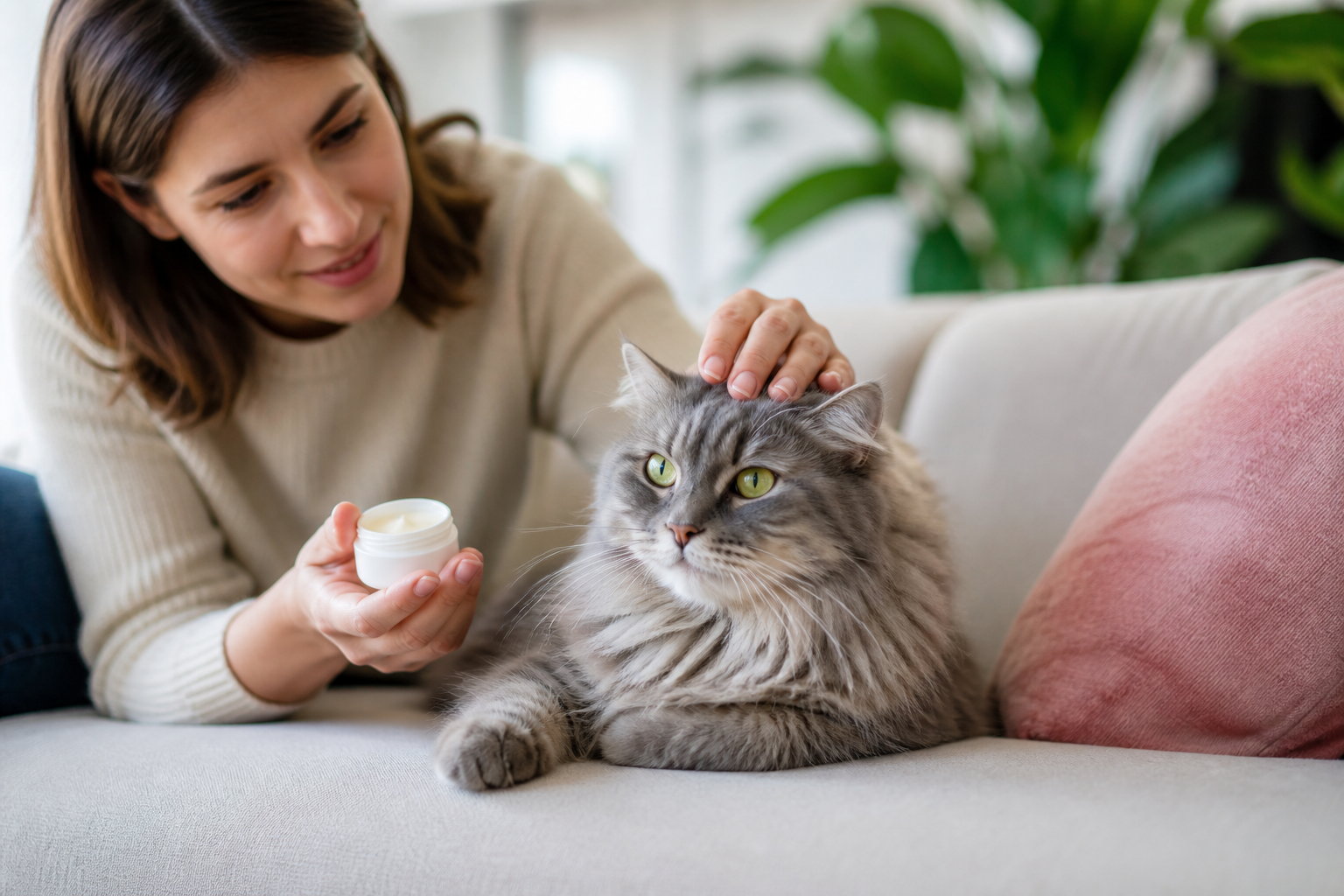
You might notice them while your cat is lounging in a sunbeam. Tiny white flakes peppered across their sleek black fur or settled on their favorite blanket. While a few flakes might seem like a minor grooming fail, persistent cat dandruff often signals that your cat’s skin is thirsty for moisture. At BaxterBoo, we know that a healthy coat starts from the skin up. Seeing your pet deal with itchy, flaky skin is frustrating for both of you. This guide will help you understand why those flakes appear and how to choose the right moisturizer for cat dandruff. We will also cover lifestyle changes and nutritional support to keep your cat’s skin supple and flake-free.
Quick Answer: The best moisturizer for cat dandruff is typically a feline-specific leave-on spray or conditioner containing oatmeal, Vitamin E, or essential fatty acids. These products hydrate the skin surface while regular brushing and a diet rich in Omega-3s address the root causes of dryness.
Identifying Cat Dandruff
Before you reach for a bottle of lotion, you need to be sure you are looking at dandruff. Feline dandruff consists of visible white flakes of dead skin. It is different from dander, which is microscopic and present on all cats. If you see black specks that look like pepper, that is likely flea dirt rather than dandruff. You can test this by placing the black specks on a wet white paper towel. If they turn reddish-brown, your cat has fleas and needs a different type of treatment.
True dandruff usually appears along the back and near the base of the tail. It can feel dry and rough to the touch. Sometimes the skin underneath looks red or irritated. In other cases, the coat might look greasy even though flakes are present. This happens when the skin overproduces oil to compensate for extreme dryness. Recognizing these signs early allows you to start a hydration routine before the skin becomes cracked or infected.
Cat Skin & Coat Care








Common Causes of Flaky Skin in Cats
Cats are usually master groomers. When dandruff shows up, it often means something has interrupted their natural self-care routine or their environment is working against them.
Environmental Humidity
Low humidity is a leading cause of dry skin. This is especially common during the winter months when indoor heating strips moisture from the air. If you notice the flakes only appear when the temperature drops, the air in your home is likely the culprit.
Grooming Challenges
If a cat cannot reach certain areas, dead skin cells build up and flake off. This is a common issue for senior cats with arthritis or cats struggling with obesity. They simply cannot twist and bend enough to clean their mid-back or tail base.
Nutritional Gaps
A coat needs specific building blocks to stay shiny and hydrated. If a cat's diet is low in essential fatty acids, the skin barrier weakens. This allows moisture to escape and leads to a brittle, flaky coat.
Health Conditions
Sometimes dandruff is a secondary symptom of a bigger problem. Fungal infections like ringworm or parasites like Cheyletiella mites can cause heavy scaling. These mites are often called walking dandruff because they are large enough to see moving on the skin.
Vet Tip: If your cat has large sheets of skin peeling off or if the dandruff is accompanied by hair loss and scabs, consult your veterinarian. They can rule out parasites or fungal infections that require prescription medication from a licensed pharmacy.
Choosing a Moisturizer for Cat Dandruff
When looking for a topical moisturizer, you must choose products specifically formulated for felines. Cats have a different skin pH than humans or dogs. They also groom themselves constantly. Anything you put on their fur will eventually be swallowed.
Leave-In Moisturizing Sprays
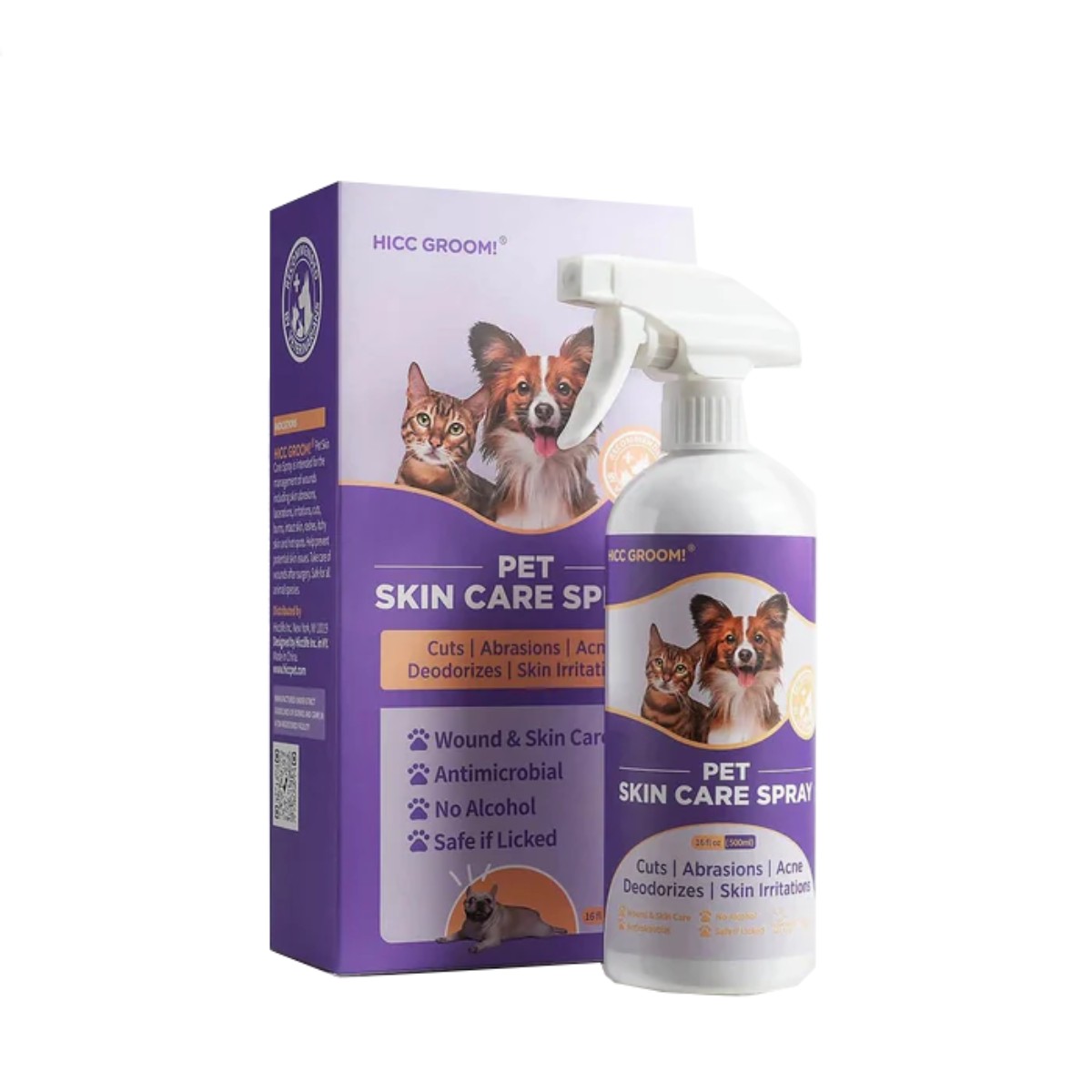
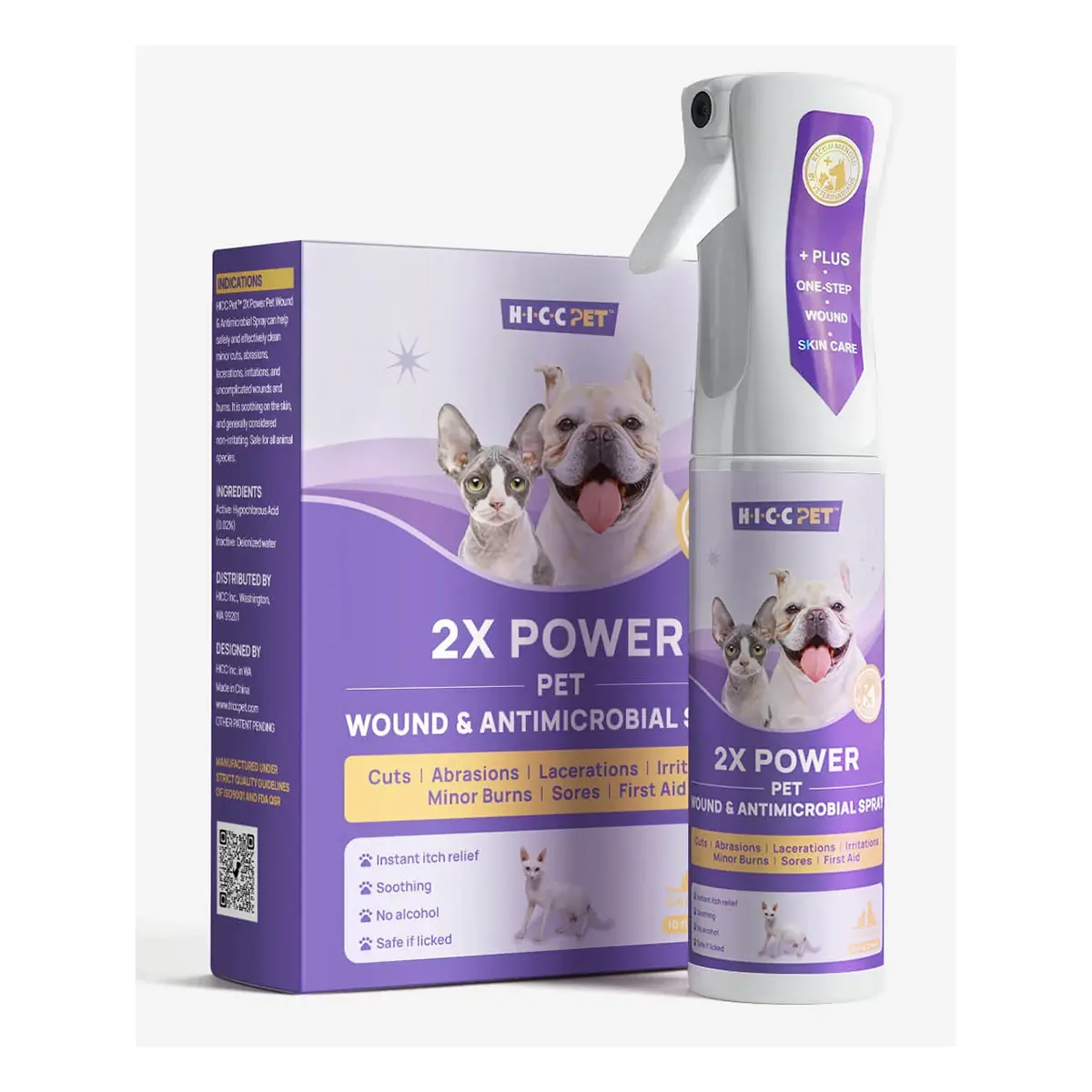
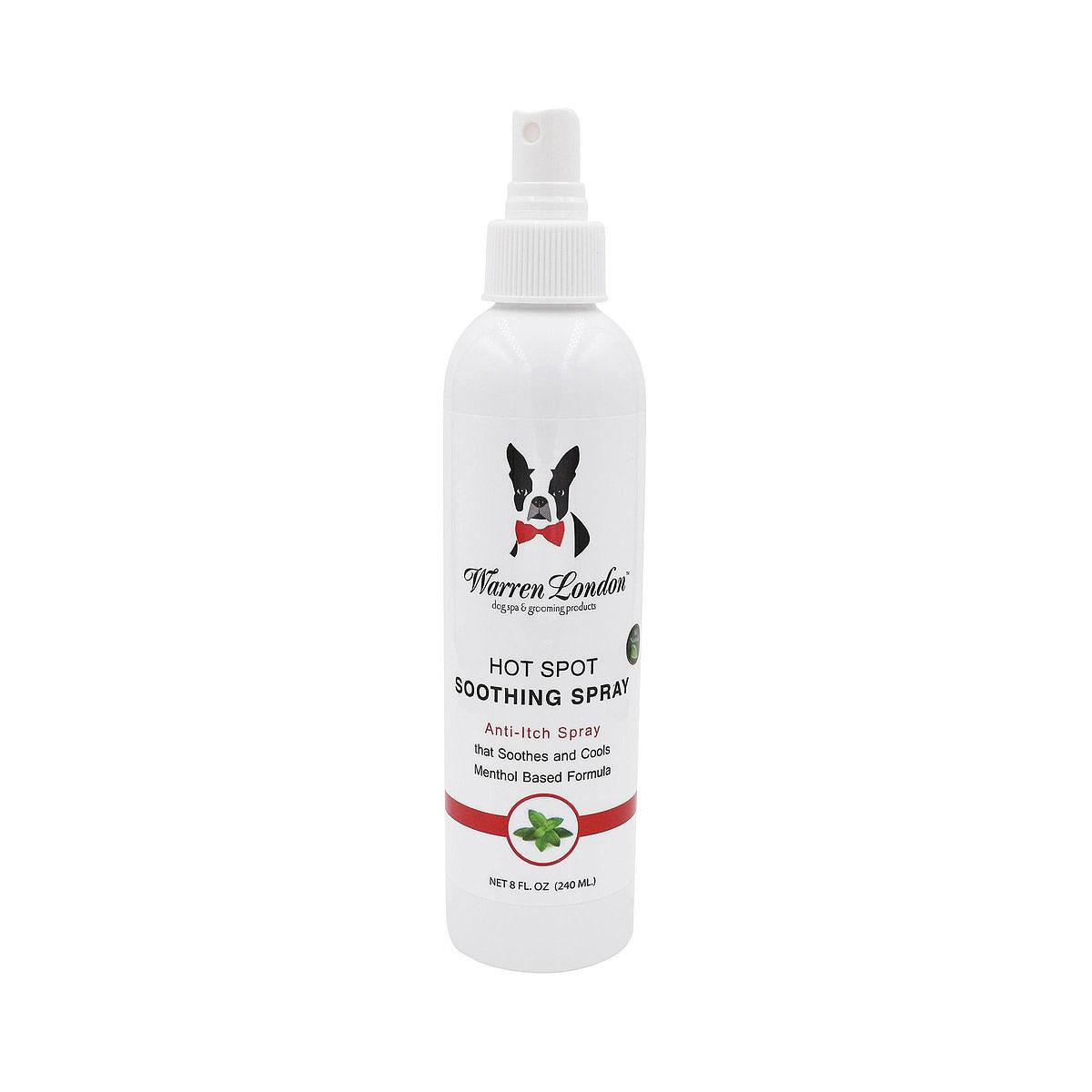
Waterless shampoos and leave-on sprays are popular because they do not require a full bath. Most cats appreciate avoiding the tub. Look for sprays that contain colloidal oatmeal. This ingredient creates a protective film on the skin to lock in moisture. It also helps soothe the itching that often comes with dry skin. Explore our cat grooming collection for shampoos, conditioners, brushes, and waterless grooming products.
Conditioners and Lotions
For cats that tolerate water, a moisturizing conditioner used after a gentle shampoo can work wonders. These products often use plant-based oils or Vitamin E to penetrate the hair shaft and hydrate the skin. There are also specialized skin lotions designed for spot-treating very dry patches like the tips of the ears or the nose.
Key Ingredients to Look For
- Colloidal Oatmeal: Calms inflammation and holds water against the skin.
- Vitamin E: A powerful antioxidant that supports skin cell repair.
- Aloe Vera: Provides immediate cooling relief for irritated skin.
- Essential Fatty Acids: Helps rebuild the natural oil barrier.
How to Apply Topical Treatments Safely
Applying a moisturizer to a cat requires a gentle touch. You want the product to reach the skin, not just sit on top of the fur.
Step 1: Brush the coat first. / This removes loose fur and breaks up existing flakes so the moisturizer can reach the skin.
Step 2: Part the hair. / Work in small sections along the spine where dandruff is most prevalent.
Step 3: Apply the product. / Use your fingertips to massage the lotion or spray into the skin.
Step 4: Use a soft cloth. / If using a spray, you can spray it onto a cloth first and then wipe it onto the cat to avoid the scary hissing sound of a spray bottle.
Step 5: Distract with treats. / Give your cat a high-value treat immediately after application to create a positive association and prevent them from licking the product off right away.
Key Takeaway: Always ensure any topical product is labeled as lick-safe. Since cats groom themselves frequently, their safety depends on non-toxic ingredients.
Internal Hydration and Nutrition
Topical moisturizers provide a temporary fix, but long-term skin health starts from within. If your cat's skin is chronically dry, you may need to look at their bowl.
The Power of Wet Food
Many cats live in a state of mild dehydration because they have a low thirst drive. Switching some or all of their diet to wet food can significantly increase their daily water intake. This extra hydration shows up in the skin and coat. Browse our wet cat food selection for moisture-rich meal options.
Omega Fatty Acid Supplements
Omega-3 and Omega-6 fatty acids are the gold standard for skin health. These fats help the skin cells hold onto water. You can find these in salmon oil or specialized skin and coat supplements. Brands like Zesty Paws or NutriSource offer options that are easy to mix into food. You can also explore our cat skin and coat supplements for nutritional support.
Prescription Diets
If allergies are causing the skin issues, your vet might recommend a prescription diet. These foods use hydrolyzed proteins that are less likely to trigger an immune response. Our pharmacy carries many of these specialized diets through our partnership with Pet's Choice. You will need a valid prescription from your vet to order these through the BaxterBoo website.
Managing the Home Environment
A few changes to your house can help a moisturizer for cat dandruff work more effectively.
Humidifiers
Placing a humidifier in the room where your cat spends the most time can stop skin from drying out. Aim for a humidity level between 40 and 50 percent. This is the sweet spot for both human and feline respiratory and skin health.
Regular Brushing
Brushing is the most effective way to manage dandruff manually. It stimulates the sebaceous glands to produce natural oils. It also distributes those oils across the entire coat. For short-haired cats, a soft slicker brush or a rubber grooming mitt works well. Long-haired cats need a metal comb to reach the undercoat where flakes often hide. For more feline grooming ideas, read why cats need whiskers.
Stress Reduction
Believe it or not, stress can cause a cat to blow dander and dandruff. When a cat is stressed, their muscles tense, and their skin can react by shedding cells more rapidly. Using calming diffusers or maintaining a strict routine can help keep their skin calm.
When to Seek Veterinary Care
While most dandruff is a simple matter of dry skin, it can sometimes indicate a medical condition that topical lotions cannot fix. You should schedule a vet visit if you notice:
- Intense itching or over-grooming that leads to bald spots.
- A foul odor coming from the skin or ears.
- Red, angry-looking skin or open sores.
- Sudden weight loss or changes in appetite.
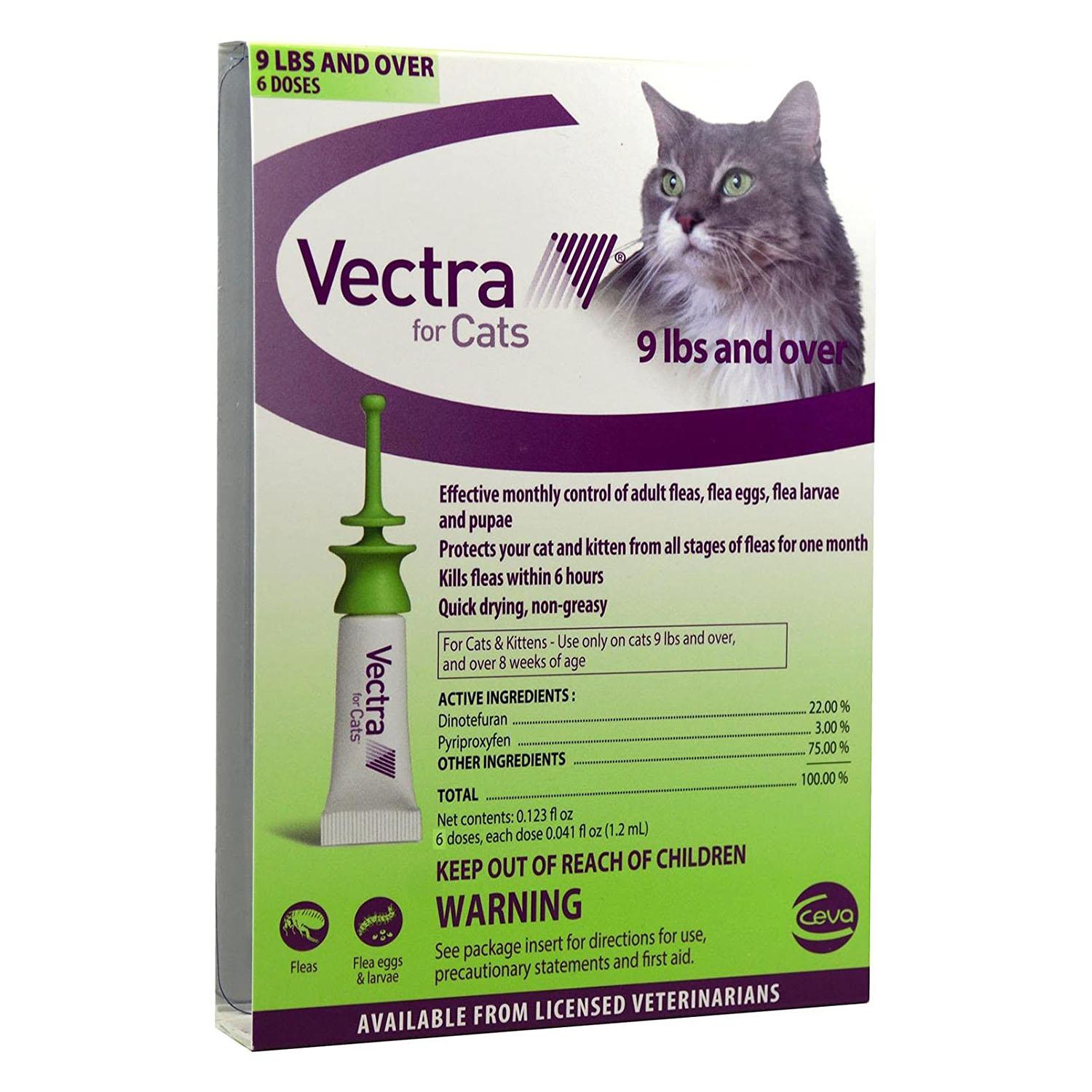
Your veterinarian can perform a skin scraping to look for mites or fungus. They may also run blood work to check for conditions like hyperthyroidism, which often causes a poor coat. If your cat needs specialized medication, the cat pharmacy offers prescription care. We provide everything from flea preventives like NexGard to medicated shampoos. Through our partnership with Pet's Choice, we make it easy to get prescription care delivered to your door.
Vet Tip: Never use human dandruff shampoos on a cat. Many of these contain zinc or salicylic acid, which can be toxic if ingested by a cat during grooming.
Supporting Your Cat’s Skin Health
At BaxterBoo, we want to help you find the most practical solutions for your pet’s daily care. Managing cat dandruff usually requires a multi-layered approach. You hydrate the surface with a quality moisturizer, support the skin barrier with supplements, and ensure the environment is not too dry.
By staying consistent with brushing and nutrition, you can keep those white flakes at bay. If you are just starting your journey into better pet care, consider joining our MVP Rewards program. You can earn points on every bottle of skin spray or bag of Omega treats. For items you use every month, our Autoship program offers extra savings and ensures you never run out of the supplies your cat needs to stay comfortable.
Bottom line: A combination of topical moisturizers, increased hydration, and regular grooming is the most effective way to eliminate cat dandruff.
FAQ
Can I use coconut oil as a moisturizer for cat dandruff?
You can use a very small amount of food-grade coconut oil on dry patches, but use caution. While it is non-toxic, coconut oil is very high in fat and can cause an upset stomach if your cat licks too much of it off. It can also make the fur look very greasy, which may attract more dirt and debris to the skin.
How often should I apply moisturizer to my cat's skin?
For most cats, applying a moisturizing spray or leave-in conditioner two to three times a week is sufficient. If the skin is extremely dry due to winter weather, you might start with daily applications for the first week. Always monitor the skin for any signs of redness or sensitivity after a new product is applied.
Will bathing my cat help get rid of dandruff?
Bathing can actually make dandruff worse if you do it too often. Water and soap can strip away the natural oils that protect a cat's skin. Unless your cat is physically dirty or needs a medicated bath for a skin infection, it is usually better to use a waterless moisturizing spray or a damp cloth for cleaning.
Does diet really affect how much dandruff my cat has?
Yes, nutrition is one of the biggest factors in skin health. Cats need specific fats like Omega-3 and Omega-6 to maintain their skin's moisture barrier. If their food is lacking these nutrients or if they are dehydrated from eating only dry kibble, their skin will likely become dry and flaky regardless of how many topical moisturizers you use.






- Site & Contents BaxterBoo.com. BaxterBoo is located in the United States.
- Privacy & Security
- Terms of Use
- Accessibility Statement
