Save 15% on your 1st Autoship learn more

 Email us
 Live Chat
 FAQs
FAQs






Introduction
You might notice that your dog is suddenly dealing with room-clearing gas or a bout of soft stools after a week of antibiotics. Maybe you are preparing for a long road trip and know your dog gets a nervous stomach during travel. These are the moments when most pet owners start searching for the best rated dog probiotics to help get things back on track. At BaxterBoo, we know that gut health is the foundation of your dog's overall wellness. This post will cover how to choose the right strains, why CFU counts matter, and how to identify high-quality supplements. You will learn how to support your dog’s digestive system and immune health with the right bacterial balance.
Quick Answer: The best rated probiotics for dogs contain specific, researched strains like Enterococcus faecium or Bifidobacterium animalis. Look for products that guarantee live bacteria through the expiration date rather than just at the time of manufacture.
Understanding the Canine Microbiome
Your dog’s gut is home to billions of microorganisms. This community is called the microbiome. It includes both beneficial and potentially harmful bacteria. When your dog is healthy, these microbes live in a delicate balance. They help break down food, produce essential vitamins, and support a strong immune system.
Sometimes this balance gets disrupted. This is often called dysbiosis. When bad bacteria take over, your dog might experience gas, bloating, or diarrhea. Stress, poor diet, or medications can all cause this shift. Probiotics are supplements that introduce more of the "good" bacteria to help restore order.
Key Takeaway: A balanced gut microbiome is essential for digestion and immune function. Probiotics help restore this balance when it is disrupted by stress or illness.
The Difference Between Probiotics and Prebiotics
It is common to see these two terms used together on labels. They are different but work as a team. Probiotics are the actual live bacteria you want to add to the gut. Prebiotics are a type of fiber that serves as food for those bacteria.
Think of probiotics as the new workers arriving at a job site. Prebiotics are the lunch boxes that keep those workers energized and productive. Many high-quality supplements are "synbiotics." This means they contain both to give the bacteria the best chance of survival.
Common prebiotics include:
- Inulin
- Chicory root
- Fructooligosaccharides (FOS)
- Beet pulp
Why Your Dog Might Need a Probiotic
Not every dog needs a daily probiotic, but many situations make them very helpful. Digestive issues are the most obvious sign. If your dog has frequent loose stools or excessive flatulence, a probiotic might provide relief. You can explore our dog probiotic collection to compare available formats.
Antibiotics are another major reason to supplement. Antibiotics are designed to kill harmful bacteria, but they also kill the beneficial ones. This often leads to "antibiotic-associated diarrhea." Giving a probiotic during and after a course of medication can help protect the gut.
Stress is a less obvious but very common trigger. Changes in the home, boarding, or traveling can cause "stress colitis." If you know a stressful event is coming, starting a probiotic a few days in advance can be a proactive way to keep their stomach settled.
Vet Tip: If your dog has chronic diarrhea, bloody stools, or is losing weight, consult a veterinarian before starting any supplement. These can be signs of serious conditions that require a medical diagnosis.
Decoding the Label: What Are CFUs?
When you look at the best rated dog probiotics, you will see a number followed by CFUs. This stands for Colony Forming Units. It tells you how many live, active bacteria are in each serving.
For dogs, most effective supplements provide between 1 billion and 10 billion CFUs per day. A higher number is not always better. The specific strains of bacteria matter just as much as the quantity. However, you want to ensure the count is guaranteed until the expiration date. Some lower-quality brands only guarantee the count at the "time of manufacture." This is less helpful because many bacteria die off while sitting on a shelf.
Specific Strains to Look For
Not all bacteria do the same thing. Some are better for diarrhea, while others help with skin issues or even anxiety. When reading a label at BaxterBoo, look for these common, effective strains.
- Enterococcus faecium: Very common in veterinary-strength probiotics. It is excellent for firming up stools and helping with acute diarrhea.
- Lactobacillus acidophilus: Helps with nutrient absorption and supports the immune system.
- Bifidobacterium animalis: Known for reducing the time it takes for a dog to recover from a bout of diarrhea.
- Bifidobacterium longum: Some research suggests this strain can have a calming effect on dogs with environmental stress.
- Bacillus coagulans: A hardy strain that survives the acidic environment of the stomach well.
Choosing the Right Format for Your Dog
Probiotics come in many forms. The best one for your dog usually depends on their personality and how they eat. If you have a picky eater, a flavorless powder might be easier to hide than a large pill. Our dog healthcare selection includes digestive supplements in several formats.
Probiotic Powders
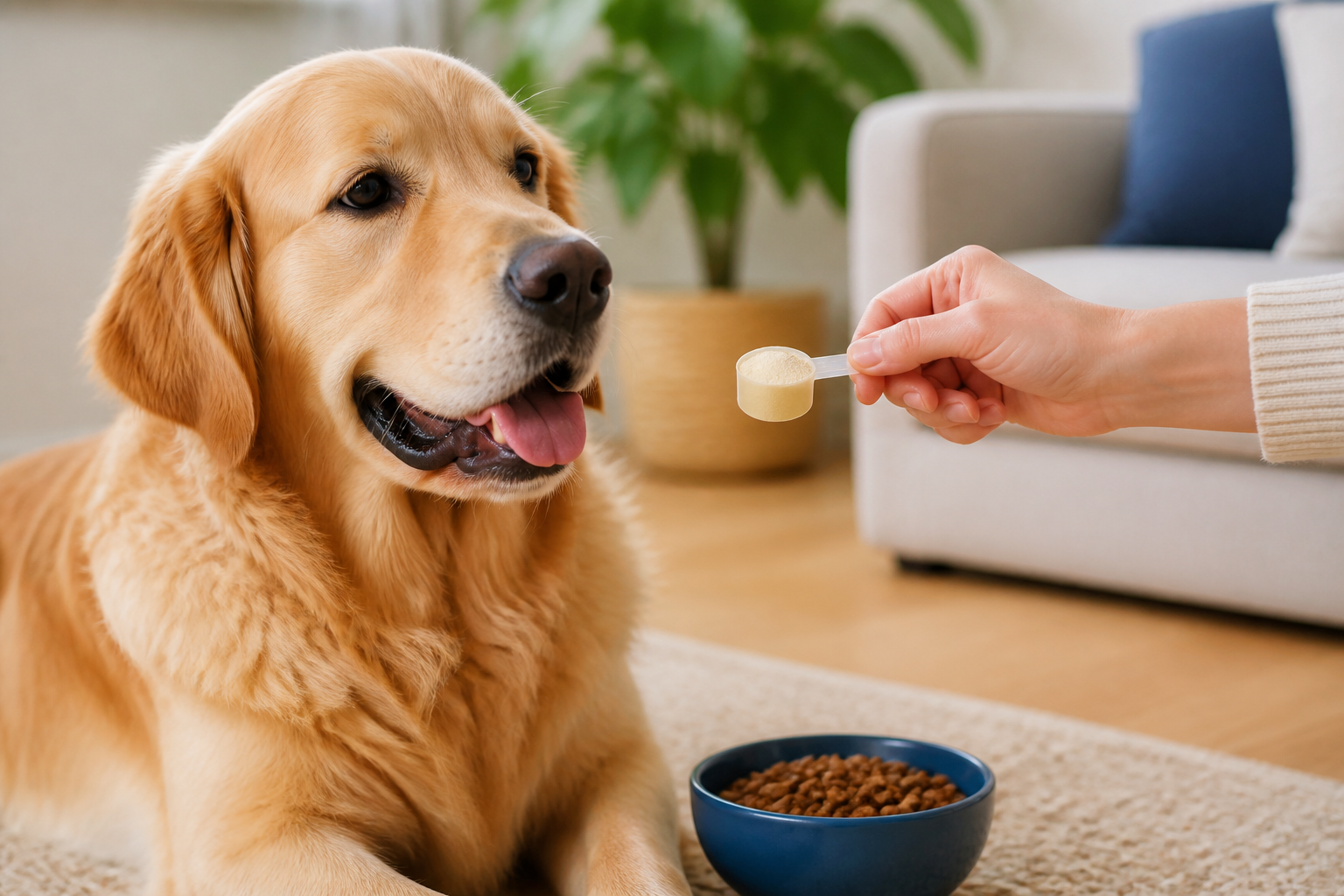
Powders are very popular because they are easy to dose. You simply sprinkle the packet or scoop over your dog's regular food. Brands like Purina Pro Plan FortiFlora use a highly palatable liver-based flavor that most dogs love. Powders are also often sold in individual sachets. This protects the bacteria from air and moisture, which keeps them alive longer.
Soft Chews
If your dog thinks everything is a treat, soft chews are a great option. Zesty Paws and VetriScience make chews that include probiotics along with other beneficial ingredients like enzymes or pumpkin. These are convenient for owners on the go. One example is VetriScience Probiotic Everyday Dog Chews, a chewable option designed for daily use.
Capsules and Pastes
Capsules are great for dogs who will eat a pill hidden in a treat. You can also open many capsules and sprinkle the powder over food. Pastes are usually reserved for "acute" or sudden issues. They often come in a syringe for easy oral administration and are designed to work quickly during a sudden stomach upset.
Key Takeaway: The best probiotic format is the one your dog will consistently take. Powders are often the most stable, while chews are the most convenient.
Safety and Quality Control
The supplement industry is not regulated the same way as medications. This means the quality can vary wildly between brands. When searching for the best rated dog probiotics, look for brands that invest in third-party testing.
Avoid using human probiotics for your dog without specific vet guidance. While some strains are the same, human products often contain much higher doses than a small dog needs. They can also contain ingredients like Xylitol, which is a sweetener that is toxic to dogs. Always stick to products specifically formulated for the canine digestive tract.
Storage Matters
Probiotics are living organisms. They are sensitive to heat, light, and moisture. Some must be refrigerated to stay active. Others are "shelf-stable," but they still should be kept in a cool, dark place. Always check the storage instructions on the bottle. If the bacteria die due to heat, the supplement will not provide any benefit to your dog.
Probiotics for Specific Life Stages
A puppy’s needs are different from a senior dog’s needs. Their microbiomes are also in different states of development or decline. For a broader look at age-specific supplementation, read this life-stage pet nutrition guide.
Puppies
Puppies often deal with soft stools due to the stress of weaning, new homes, and vaccinations. Their immune systems are still learning how to function. Introducing a probiotic early can help build a strong foundation. Look for products that mention "puppy safe" on the label.
Senior Dogs
As dogs age, their digestive efficiency can decrease. They may also be on more medications for joint pain or other chronic issues. A daily probiotic can help senior dogs absorb more nutrients from their food and keep their immune system supported.
Integrating Probiotics into Your Dog's Routine
If you are starting a new probiotic, do it slowly. While they are very safe, introducing a massive amount of new bacteria at once can actually cause a little bit of gas or a temporary upset stomach.
Step 1: Start with a half dose for the first three days. Step 2: Watch your dog's stool consistency and gas levels. Step 3: If they are doing well, move to the full recommended dose. Step 4: Keep the supplement consistent. Probiotics work best when they are given at the same time every day.
For additional guidance on introducing supplements gradually, read these tips for choosing and safely using puppy supplements.
The Role of Prescription Probiotics
Sometimes, over-the-counter supplements are not enough. If your dog has a chronic condition like Inflammatory Bowel Disease (IBD) or severe food allergies, your vet might recommend a prescription-strength option. Our pet pharmacy offers access to these specialized products through our partnership with Pet's Choice.
Prescription diets, such as Farmina Vet Life, also incorporate gut health management for dogs with specific medical needs. If your dog requires a prescription diet or FDA-approved medication for a chronic GI issue, we can help fulfill those needs through the pharmacy with a valid script from your vet. This ensures your dog gets the exact formulation required for their specific diagnosis.
Bottom line: While many probiotics are available over the counter, chronic or severe digestive issues should be managed with the help of a veterinarian and may require prescription-grade support.
Common Questions About Dog Probiotics
Many owners wonder if they can just feed their dog yogurt instead of a supplement. While plain, unsweetened yogurt contains some live cultures, it usually does not have enough CFUs to make a therapeutic difference for a dog. Furthermore, many dogs are lactose intolerant. Feeding them dairy can actually cause more diarrhea and gas rather than fixing it.
Another common question is how long it takes to see results. For acute issues like a sudden stomach upset, you might see improvement in two or three days. For chronic issues or skin support, it can take four to six weeks of consistent use to see a noticeable change in your dog's health.
Vet Tip: Always check the ingredient list for fillers. Some cheaper probiotics use high amounts of maltodextrin or artificial flavors that might irritate a sensitive stomach.
Quality Indicators to Watch For
When you are browsing the selection at BaxterBoo, look for the NASC seal. The National Animal Supplement Council is a non-profit group that monitors the quality of pet supplements. Brands with this seal must pass independent audits and follow strict labeling requirements. It is one of the best ways to know you are getting a trustworthy product.
Other things to look for:
- Clear list of specific strains (not just "probiotic blend")
- Contact information for the manufacturer
- Lot numbers for tracking
- Clear expiration dates
Key Takeaway: Trustworthy probiotic brands provide transparent labeling and participate in third-party quality programs like the NASC.
Conclusion
Finding the best rated dog probiotics means looking past the marketing and focusing on the science of the microbiome. Whether you are dealing with a puppy's sensitive stomach or a senior dog's declining digestion, the right balance of bacteria can make a significant difference. Remember to focus on specific strains like Enterococcus faecium and ensure you are getting a guaranteed CFU count. We carry over 500 trusted brands to ensure you have access to the best digestive support available. If your dog’s needs go beyond standard supplements, our pharmacy is ready to help with prescription diets and medications.
- Select a probiotic based on your dog's specific needs, such as stress or antibiotic support.
- Ensure the product guarantees live bacteria until the expiration date.
- Introduce the supplement gradually to avoid initial gas.
- Consult your veterinarian if digestive issues persist or become severe.
Bottom line: Consistency is the secret to gut health, so choose a format your dog enjoys and stick to a daily routine.
For dogs needing advanced support or prescription diets, visit our pharmacy section to see how we can help manage your pet’s long-term wellness.
FAQ
Can I give my dog probiotics every day? Yes, daily use is safe and often recommended for most dogs to maintain a stable gut microbiome. It is particularly helpful for dogs with chronic gas or those who are frequently stressed. However, always follow the dosage instructions on the product packaging and consult your vet if your dog has an underlying health condition.
Are human probiotics safe for dogs? While some of the bacterial strains are similar, you should avoid giving your dog human probiotics. Human supplements are formulated for a different digestive pH and may contain much higher doses than a dog needs. More importantly, some human products contain ingredients like Xylitol or high levels of dairy that are harmful to dogs.
How do I know if the probiotic is working? The most common signs of success are firmer stools, less flatulence, and a reduction in "stomach gurgling." You may also notice an improvement in your dog's appetite and energy levels. For skin or allergy issues, it may take several weeks to see a shinier coat or less itching as the immune system stabilizes.
What should I do if the probiotic makes my dog’s diarrhea worse? If your dog's symptoms worsen, stop giving the supplement and contact your veterinarian. While rare, some dogs may react to a specific strain or an inactive ingredient in the chew or powder. Your vet can help determine if the issue is a reaction to the supplement or an underlying medical problem that needs different treatment.