
 Save 15% on your 1st Autoship learn more

 Email us
 Live Chat
 FAQs
FAQs





Introduction
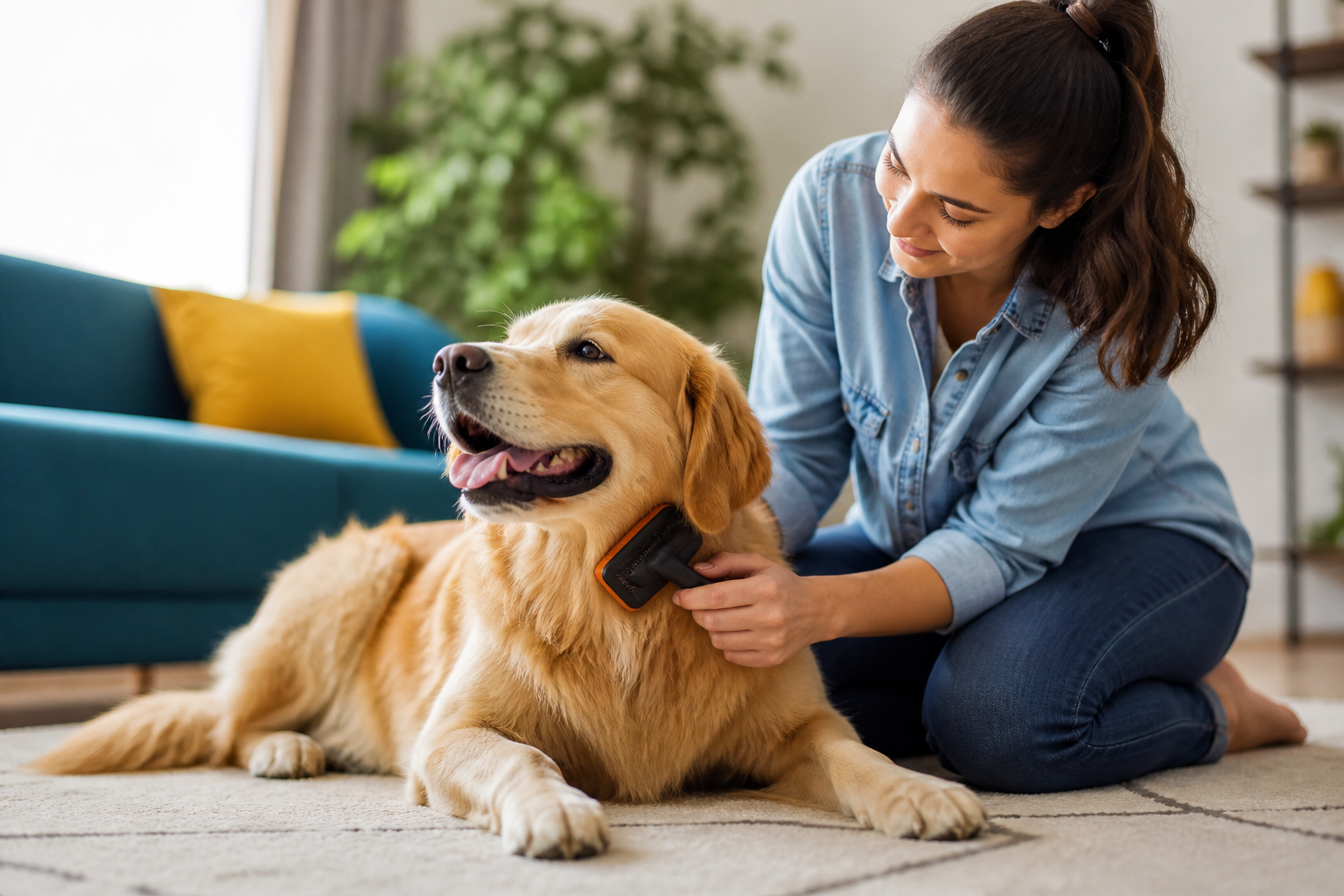
You are likely standing in the grooming aisle or scrolling through endless pages of pet supplies, feeling a bit overwhelmed. There are hundreds of options with different pins, bristles, and handles, and you just want to know which one will stop the shedding or get through those stubborn tangles. At BaxterBoo, we see this struggle often. Pet owners want to do what is best for their dogs, but the "best" brush is not a one size fits all product. It depends entirely on whether your dog has a thick double coat, a silky long coat, or a short, smooth one. This guide will walk you through the different types of grooming tools and help you identify exactly what your dog needs for a healthy, shiny coat. Choosing the right tool will make your weekly grooming sessions faster and much more comfortable for your furry friend.
Understanding the Importance of Coat Type
Before you can determine what is a good dog brush, you have to look closely at your dog's fur. Every breed has evolved with a specific type of hair designed for a specific purpose. A Labrador's coat is water resistant and dense, while a Poodle's hair is curly and constantly growing. If you use a tool meant for a Poodle on a Labrador, you will likely find it ineffective and potentially uncomfortable for the dog.
The primary goal of brushing is to remove loose hair, dander, and dirt. It also helps distribute natural skin oils across the hair shaft. This process keeps the skin healthy and the fur looking vibrant. For many dogs, regular brushing is the first line of defense against painful mats and skin irritation.
Quick Answer: A good dog brush is one specifically matched to your dog's coat length and texture. For short-haired dogs, a rubber curry brush or bristle brush is best, while long-haired or double-coated dogs require slicker brushes and undercoat rakes to prevent matting.
The Versatile Slicker Brush
If you only have room for one tool in your grooming kit, the slicker brush is often the top contender. These brushes have a flat or slightly curved head filled with rows of thin, fine wire pins. These pins are usually angled slightly to help them grab loose hair and debris without scratching the skin.
Slicker brushes are excellent for medium to long haired dogs. They are especially useful for breeds like Golden Retrievers, Cocker Spaniels, and many "Doodle" mixes. The fine wires are designed to reach through the topcoat to grab loose hair that is trapped underneath. You can explore our dog brushes and combs collection to compare slicker brushes, pin brushes, combs, and dematting tools.
When using a slicker brush, you must use a light touch. Because the pins are metal and fine, pressing too hard can cause "brush burn," which is a form of skin irritation. Always move the brush in the direction of hair growth. If you encounter a knot, do not yank. Instead, use short, gentle strokes to tease the hair apart.
Best For:
- Curly or wooly coats (Poodles and Bichons)
- Long, silky coats (Yorkshire Terriers)
- Dogs prone to light matting
- Removing fine debris after an outdoor walk
Bristle Brushes for Smooth Coats
For dogs with very short or smooth hair, like Boxers, Greyhounds, or Beagles, a slicker brush might be too aggressive. These dogs do not usually get mats, but they do shed quite a bit of fine hair and dander. A bristle brush is the ideal solution here.
Bristle brushes vary in stiffness and the spacing of the bristles. Generally, the shorter and coarser the dog's hair, the stiffer the bristles should be. These brushes do not reach deep into a coat. Instead, they work on the surface to polish the hair and stimulate the skin. This stimulation encourages blood flow to the hair follicles, which can result in a healthier coat over time.
We often recommend bristle brushes as a "finishing" tool for long-haired dogs as well. After you have removed the tangles with a slicker brush, a few passes with a soft bristle brush can add a beautiful shine to the finish. For a two-sided option, the U-Groom Combo Brush for Dogs and Cats combines stainless-steel pins with boar bristles.
Key Takeaway: Matching brush stiffness to hair length is the secret to a shiny coat. Stiffer bristles work for short, coarse hair, while softer bristles are for long, fine hair.
Undercoat Rakes for Heavy Shedders
If your house is currently covered in "tumbleweeds" of dog hair, you likely have a double-coated dog. Breeds like Huskies, German Shepherds, and Labradors have a stiff outer coat and a soft, dense undercoat. When the seasons change, they "blow" their coat, meaning the undercoat sheds out in massive clumps.
A standard brush often just glides over the top of this dense fur. You need an undercoat rake. These tools look like a small garden rake with one or two rows of sturdy metal pins. They are designed to bypass the guard hairs and pull out the dead, fuzzy undercoat before it ends up on your furniture. The Pet Life grooming collection includes undercoat rakes and deshedding tools for different coat types.
When using a rake, it is helpful to work in sections. Hold the hair up with one hand and brush the hair underneath in layers. This ensures you are reaching all the way to the skin.
Vet Tip: If your dog is shedding excessively and has bald patches or red skin, it might be more than just a seasonal change. Consult your veterinarian to rule out allergies or skin infections. Our pharmacy at BaxterBoo carries prescription skin treatments and medicated shampoos through our partnership with Pet's Choice to help manage these conditions.
Rubber Curry Brushes and Grooming Mitts
Some dogs absolutely hate the feeling of metal pins on their skin. For these sensitive souls, or for puppies just learning to enjoy grooming, rubber curry brushes are a fantastic choice. These are typically made of soft, flexible rubber with thick nubs instead of thin pins.
Rubber brushes are excellent for use during bath time. You can use them to massage shampoo deep into the coat, which helps loosen dead hair while providing a relaxing experience for the dog. Since they are made of rubber, they are also very easy to clean. You can simply rinse them under the tap. The KONG Zoom Groom Natural Rubber Dog Grooming Brush is designed for use on wet or dry coats.
Grooming mitts work on a similar principle. They fit over your hand like a glove, allowing you to pet your dog while the rubber nodules on the palm catch loose fur. This is a great way to bond with a nervous dog while still accomplishing some necessary grooming.
Advantages of Rubber Tools:
- They are nearly impossible to over-use or cause skin irritation.
- They are perfect for dogs with very thin skin or prominent joints.
- They work well on wet or dry fur.
- They massage the skin, which many dogs find very soothing.
Specialized De-Shedding Tools
For dogs that seem to shed year round, a specialized de-shedding tool can be a life saver. These tools, such as the popular Furminator models, feature a fine-toothed metal blade that reaches deep into the coat. They are specifically engineered to grab and remove loose undercoat hair without cutting the topcoat.
These tools are incredibly efficient, often removing more hair in five minutes than a regular brush does in twenty. However, they must be used with caution. Because the teeth are so fine and close together, they can be abrasive if you stay in one spot for too long.
Step 1: Ensure the coat is completely dry. / Brushing a wet coat with a de-shedding tool can cause the hair to pull or break.
Step 2: Use long, gentle strokes. / Avoid short, scrubbing motions which can irritate the skin.
Step 3: Check the skin frequently. / Stop if you see any redness or if your dog seems uncomfortable.
Pin Brushes for Long, Silky Fur
A pin brush looks very similar to a hairbrush you might use yourself. It has wire pins that are usually tipped with plastic or rubber to protect the skin. While they are not the best at removing large amounts of shed hair, they are wonderful for daily maintenance of long-haired breeds like Afghan Hounds or Setters.
The wide spacing of the pins allows them to glide through long hair without causing static or breakage. If you have a dog with "furnishings" (long hair on the legs and tail), a pin brush is the best way to keep those areas looking neat without thinning them out too much. The BASS Brushes selection includes pin, bristle, bathing, and detangling brushes.
Dealing with Mats and Tangles
When grooming is neglected, or if your dog has been playing in the brush, mats can form. These are clumps of hair that have become so tangled they form a solid mass. Mats are not just an aesthetic issue; they pull on the skin, causing pain, and can trap moisture, leading to hot spots or infections.
For these situations, a de-matting comb or "mat zapper" is necessary. These tools have sharp, serrated blades designed to cut through the knot. You should never try to cut a mat out with scissors, as it is very easy to accidentally cut the dog's skin. Our dog grooming tools include dematting tools, combs, grooming mitts, and other at-home essentials.
Key Takeaway: Prevention is always better than a cure. Brushing your dog for ten minutes a few times a week will prevent almost all mats from forming.
How to Introduce Your Dog to Brushing
Not every dog loves being groomed. If your dog runs away the moment they see a brush, you need to change their association with the tool.
- Start Slow: Just let the dog sniff the brush and give them a treat.
- Touch Without Brushing: Touch the back of the brush to their side while they eat.
- One Stroke at a Time: Give one gentle stroke, then a high value reward.
- Keep Sessions Short: Two minutes of a positive experience is better than ten minutes of a struggle.
For puppies, start as early as possible. Even if they do not have much hair yet, getting them used to the sensation of being handled and brushed will save you years of trouble as they grow.
Essential Grooming Kit Checklist
If you are building your kit from scratch, here are the items we recommend having on hand. You can find many of these brands at BaxterBoo, including trusted names like Kong and Coastal Pet.
- A primary brush: Matched to your dog's coat type (Slicker, Bristle, or Rake).
- A metal comb: Essential for checking your work; if the comb sticks, there is still a tangle.
- A de-shedding tool: For seasonal use on double-coated breeds.
- Detangling spray: Helps the brush glide and reduces static.
- Nail clippers: To keep paws healthy.
- Styptic powder: Just in case you trim a nail too short.
Maintaining Your Tools
A good dog brush can last for years if you take care of it. After every session, remove the hair from the pins. Many modern slicker brushes have a "self-cleaning" button that pushes the hair off for you. The Master Grooming Tools Self-Cleaning Slicker Brush includes a push-button pin retraction feature for easier cleanup.
Every month, you should give your brushes a deeper clean. Wash them in warm, soapy water to remove the buildup of skin oils and dander. Ensure they are completely dry before storing them, as metal pins can rust over time if left damp.
When to Seek Professional Help
While home grooming is important, there are times when a professional groomer is the best option. If your dog is severely matted to the skin, trying to brush them out at home will be painful and potentially dangerous. A professional has the tools and experience to safely shave the mats away.
Professional groomers are also experts at "sanitary trims" and clearing hair from around the eyes and paw pads. If your dog requires a specific breed cut, such as a Poodle clip or a Schnauzer cut, a pro is your best bet for a clean look.
Bottom line: Regular home grooming keeps your dog comfortable and helps you spot health issues early, but professional groomers are essential for complex coat needs.
The Connection Between Nutrition and Coat Health
You can have the best brush in the world, but if your dog is not getting the right nutrients, their coat will remain dull or brittle. Omega-3 and Omega-6 fatty acids are crucial for skin and coat health. We carry a variety of supplements and premium foods, like those from Farmina and Orijen, that are formulated to support skin vitality.
If you find that your dog’s skin is constantly dry despite regular brushing and good food, it might be worth mentioning to your vet. Sometimes, a prescription diet or a specific supplement is the missing piece of the puzzle. Our MVP Rewards program is a great way to save on these premium supplies, as you earn points on every purchase that can be used for future grooming gear or food.
Summary of Brushing by Coat Type
To make your decision easier, refer to this simple breakdown of what is a good dog brush for specific coats.
| Coat Type | Recommended Tool | Purpose |
|---|---|---|
| Short & Smooth | Rubber Curry / Bristle Brush | Remove dander and add shine |
| Double Coat | Undercoat Rake / Slicker | Pull out dead undercoat |
| Long & Silky | Pin Brush / Slicker | Prevent tangles and maintain length |
| Curly or Wooly | Slicker Brush / Metal Comb | Prevent matting in dense curls |
| Wire-Haired | Slicker / Finishing Brush | Remove dead hair from coarse coats |
Conclusion
Finding the right dog brush is the first step toward a happier, cleaner home and a more comfortable pet. Whether you are managing the heavy shed of a Husky with an undercoat rake or polishing the coat of a Greyhound with a soft bristle brush, the right tool makes the job easy. Remember to be gentle, stay consistent, and use grooming as a time to bond with your dog. At BaxterBoo, we have been helping pet owners find the perfect gear since 2006. If you are ready to upgrade your grooming kit, check out our full collection of brushes and combs. You can even set up an order through our Autoship programme for your favorite shampoos and conditioners to ensure you never run out when it is time for a bath.
Key Takeaway: The right grooming tool saves time and prevents skin issues. Choose based on your dog's specific coat needs rather than a general recommendation.
FAQ
How often should I brush my dog?
For most dogs, brushing two to three times a week is sufficient to keep the coat healthy and reduce shedding. However, long-haired breeds or dogs prone to matting may require daily brushing to prevent knots from forming. During seasonal shedding periods, double-coated dogs benefit from more frequent sessions to manage the increased volume of loose fur.
Can I use a human hairbrush on my dog?
While a human pin brush might look similar to a dog pin brush, they are often not designed for the thickness and texture of canine fur. Human brushes can sometimes have sharper tips or different pin densities that might pull on a dog's skin. It is always safer and more effective to use a tool specifically engineered for pet grooming.
What should I do if my dog has a very sensitive skin?
If your dog has sensitive skin, avoid metal slicker brushes with sharp pins. Instead, opt for a rubber curry brush, a grooming mitt, or a very soft natural bristle brush. These tools provide the necessary grooming benefits without the risk of scratching or irritating the skin.
Does brushing help with dog allergies?
Regular brushing can significantly help both the dog and the human family members with allergies. For the dog, it removes environmental allergens like pollen and dust that get trapped in the fur. For humans, frequent brushing reduces the amount of dander and loose hair circulating in the home. Always brush your dog in a well-ventilated area or outdoors to keep the dander from settling inside.






