
 Save 15% on your 1st Autoship learn more

 Email us
 Live Chat
 FAQs
FAQs





Introduction
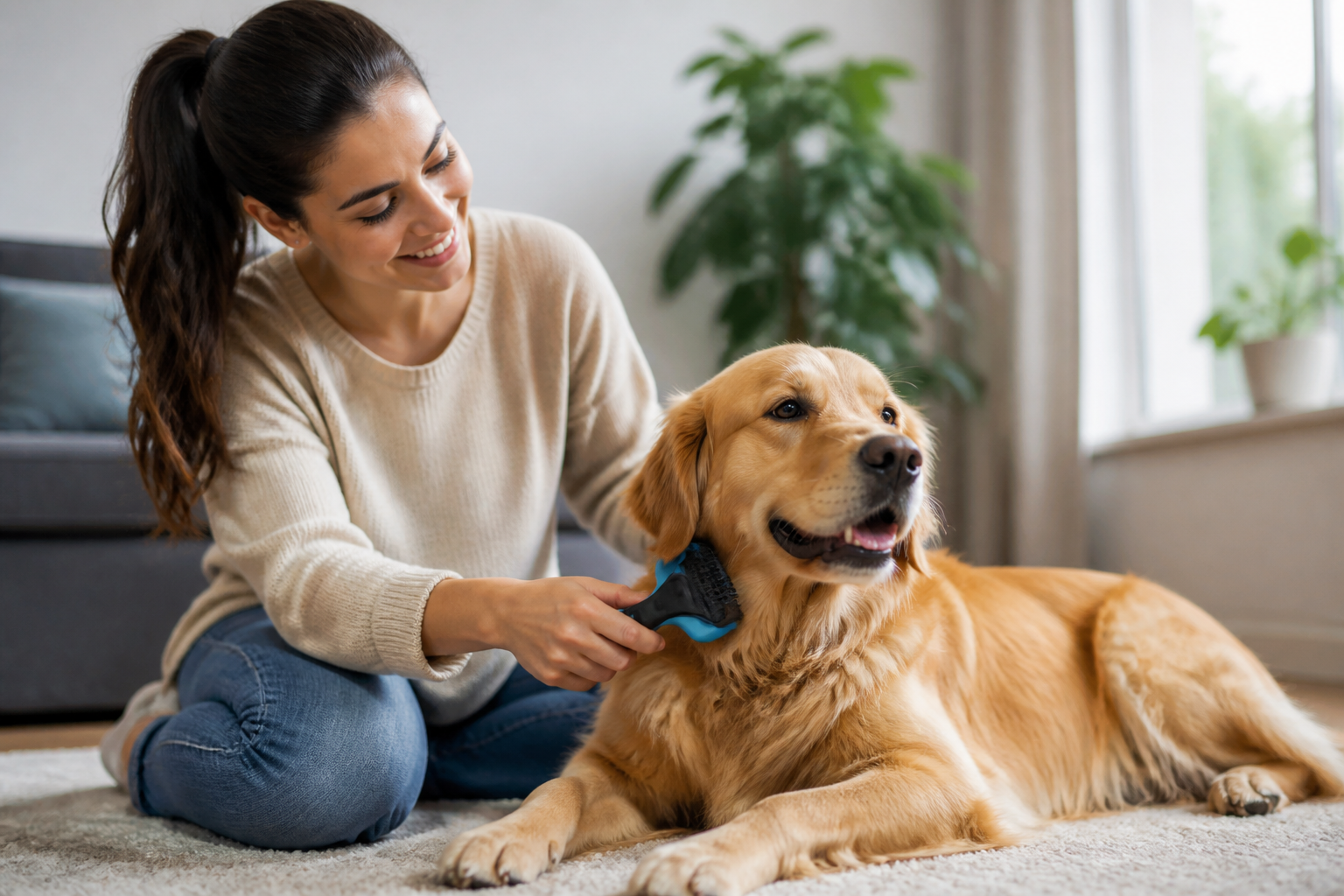
You are finally sitting down on the sofa after a long day when you notice a literal tumbleweed of fur drifting across your hardwood floor. Even though you feel like you just cleaned, the shedding seems to have a life of its own. This is a common moment for many pet owners who realize their current grooming routine might not be hitting the mark. At BaxterBoo, we understand that standing in a grooming aisle can be overwhelming with dozens of different pins, bristles, and blades staring back at you. This guide will help you understand exactly which tools serve which purpose for your specific dog. We will cover the different categories of brushes, how to match them to your dog's coat type, and how to maintain a healthy skin and coat. Finding the right brush means less time vacuuming and more time enjoying your pet.
Understanding Your Dog's Coat Type
Before you can pick the right tool, you have to know what you are working with. Not all fur is created equal, and using the wrong brush can be ineffective or even uncomfortable for your dog. Most dogs fall into a few main categories: smooth, double, curly, or long hair.
Smooth coats are short and lie close to the body, like those on a Boxer or a Greyhound. These dogs do not mat, but they definitely shed. Double coats are more complex. They have a harsh outer layer and a soft, dense undercoat. Breeds like Huskies, Labradors, and Golden Retrievers have these. The undercoat is usually what ends up on your furniture.
Curly or wooly coats, like those on Poodles or Doodles, do not shed much. However, they are prone to severe matting because the hair grows in tight spirals. Finally, long or silky coats like those on a Yorkie or an Irish Setter require frequent brushing to keep the fine strands from tangling. Identifying which one your dog has is the first step in your grooming journey. For more guidance on maintaining curly coats, read our guide to grooming a dog with curly hair.
The Slicker Brush: The All-Purpose Workhorse
The slicker brush is perhaps the most common tool you will see. It has a flat or slightly curved head covered in rows of thin, hooked wire pins. These pins are designed to grab onto loose hair and pull it away from the coat.
Slicker brushes are excellent for removing small tangles and preventing mats from forming. They work well for medium to long-haired dogs and many double-coated breeds. Because the wires are thin, they can reach into the coat without needing a lot of pressure. You can compare different options in our dog brushes and combs collection.
Key Takeaway: The slicker brush is the best everyday tool for preventing mats in dogs with medium to long fur, but it must be used with a light hand to avoid skin irritation.
When using a slicker brush, you should always use a "pat and pull" motion rather than dragging it hard across the skin. If you press too hard, those wire pins can scratch the skin, leading to "brush burn." This is especially important for dogs with thinner skin or fine hair. A product such as the Master Grooming Tools Ergonomic Slicker Dog and Cat Brush can be a practical starting point for everyday brushing.
Bristle Brushes for Shine and Smoothness
If your dog has very short, smooth hair, a slicker brush might be too harsh. This is where the bristle brush comes in. These brushes use natural or synthetic bristles that are packed closely together.
The main job of a bristle brush is to remove surface dust and dirt while distributing natural oils across the skin and coat. This creates that healthy shine you see on well-groomed dogs. For breeds like Dobermans or Pugs, a firm bristle brush is often all you need for weekly maintenance.
Bristle brushes are also great "finishing" tools for long-haired dogs. After you have removed the tangles with a slicker or a comb, a quick pass with a bristle brush smooths everything down. It is the final touch that makes a coat look polished and healthy.
The Undercoat Rake: Taming the Shedding Season
For owners of Huskies, Shepherds, or any dog with a thick "winter coat," the undercoat rake is a life saver. These tools do not look like traditional brushes. They have one or two rows of long, sturdy metal tines that look like a garden rake.
The purpose of this tool is to bypass the topcoat entirely. It reaches deep down into the dense undercoat to pull out dead hair before it can fall out on its own. If you find that a regular brush just skims the surface while the undercoat stays packed and hot, you need a rake. A dual-purpose option is the Pet Life Flex Series 2-in-1 Dual-Sided Undercoat Pet Rake and Deshedder.
- Choose a rake with pins that match the length of your dog's fur.
- Use long, steady strokes in the direction of hair growth.
- Work in sections to ensure you reach the skin across the whole body.
- Be gentle around bony areas like hips and shoulders.
Quick Answer: An undercoat rake is the best tool for double-coated breeds because it removes the dense, shedding inner layer that regular brushes cannot reach.
De-Shedding Tools and Blades
Tools like the FURminator have changed the way people handle heavy shedders. These tools use a fine, stainless steel edge that acts like a very fine comb to grab and pull out the loose undercoat.
These are incredibly effective, often removing more hair in five minutes than a regular brush does in thirty. However, they require caution. Because the "teeth" are so fine and close together, you should never use them on a dog with a single coat or a curly coat. They can actually cut or damage the hair if used incorrectly.
We always recommend using de-shedding tools on a completely dry coat. If the hair is wet or even damp, the tool may pull or snag, making the experience unpleasant for your dog. Use short, gentle strokes and let the tool do the work without pressing into the skin. You can also learn more about seasonal shedding in our article on whether Australian Shepherds shed.
Dealing with Mats and Tangles
Sometimes, despite our best efforts, mats happen. A mat is a dense clump of tangled fur that often sits close to the skin. These are not just an aesthetic issue. Mats can pull on the skin, causing pain, and can even trap moisture and bacteria underneath, leading to infections.
If you find a mat, do not reach for the scissors first. Cutting mats out with kitchen scissors is a common way dogs end up with accidental nicks and cuts. Instead, use a de-matting comb or a specialized mat breaker. These tools have serrated edges designed to slice through the knot rather than the skin. The Master Grooming Tools Ergonomic Dematting Tools collection includes options designed for working through difficult tangles.
Vet Tip: If your dog has severe matting that reaches down to the skin, or if the skin underneath looks red or moist, consult a professional groomer or your veterinarian. Attempting to remove deep mats at home can result in serious skin tears.
Rubber Brushes and Grooming Mitts
For dogs that hate being brushed, or for those with very sensitive skin, rubber brushes are a fantastic alternative. The Kong ZoomGroom is a classic example of this. These are made of soft, flexible rubber nubs that massage the skin while they work.
Rubber brushes are especially useful during bath time. You can use them to work shampoo deep into the coat, which helps loosen dead hair that is ready to shed. Because they are soft, there is almost no risk of hurting the dog, making them perfect for puppies who are just learning to sit still for grooming.
They are most effective on short-coated breeds. The rubber creates a bit of friction that "grabs" short, prickly hairs that wire brushes might miss. Plus, most dogs find the massaging sensation very relaxing.
Pin Brushes for Long, Silky Hair
A pin brush looks very similar to a hairbrush you might use yourself. It has straight metal pins, often with a rounded tip to prevent scratching. These are the preferred choice for dogs with long, single coats like Maltese or Silky Terriers.
The pins are spaced widely enough that they can move through long hair without causing excessive breakage. While they are not the best at removing heavy shedding or deep mats, they are perfect for daily maintenance of a long, flowing coat. They provide a gentle touch that keeps the hair separated and smooth.
The Importance of a Metal Comb
If you could only own two grooming tools, one of them should be a high-quality metal comb. Often called "Greyhound combs," these usually have two different tooth spacings: one half is fine, and the other half is medium or coarse.
A comb is the only way to truly verify that you have removed all the tangles. After you finish with a slicker or a rake, run the comb through the coat from the skin out. If the comb snags, there is still a small knot that needs attention. Professional groomers use this "comb test" to ensure a dog is perfectly prepped.
Step 1: Brush the dog thoroughly with a slicker brush or rake to remove loose fur.
Step 2: Start at the head and work your way back with the wide-toothed side of the comb.
Step 3: If you hit a snag, stop and use your fingers or a slicker brush to loosen the spot.
Step 4: Finish with the fine-toothed side of the comb for a smooth, professional look.
Grooming for Skin Health
Brushing is about more than just looking good. It is a vital health check. When you brush your dog, you are looking at their skin up close. This is when you might notice a new lump, a tick, or a patch of dry, flaky skin.
Many dogs suffer from seasonal allergies or skin sensitivities. If you notice your dog is constantly itchy, or if their skin looks red after a normal grooming session, it might be time to look at their overall wellness. Our BaxterBoo warehouse in Vernon Hills, Illinois, carries a massive selection of supplements and soothing grooming supplies to help with these issues. Explore our dog skin and coat care collection for grooming and wellness products.
If the skin issues are persistent, your vet might recommend a prescription approach. Through our partnership with Pet's Choice, the BaxterBoo pharmacy offers FDA-approved medications and prescription shampoos for dogs with chronic skin conditions or allergies. A medicated wash can sometimes do more for a coat than any brush ever could. For prescription products, visit our pet pharmacy for dogs.
Creating a Positive Grooming Routine
The best dog brush in the world is useless if your dog runs and hides the moment they see it. Building a positive association with grooming is key to long-term success. This is especially true for puppies or rescue dogs who may not be used to being handled.
Start with very short sessions, maybe only one or two minutes. Offer high-value treats while you brush. If your dog seems stressed, stop and try again later. The goal is to make grooming a bonding experience, not a chore.
Bottom line: Consistency is more important than duration; brushing for five minutes every day is much better for your dog's coat than a one-hour session once a month.
Maintaining Your Grooming Tools
To keep your brushes working effectively, you need to take care of them. Hair and skin oils build up on the pins and bristles over time, which can harbor bacteria or simply make the brush less effective.
- Remove hair from the brush after every single use.
- Once a month, wash your brushes with warm water and a mild soap.
- Ensure wire brushes are completely dry before storing them to prevent rust.
- Check for bent or broken pins that could scratch your dog.
If a brush has bent wires or missing protective tips, it is time to replace it. A damaged brush can cause discomfort and make your dog dread grooming sessions. Keeping your kit in top shape ensures a safe experience for your pet.
When to See a Professional
While home grooming is essential, some tasks are best left to the pros. If your dog is severely matted to the point where the fur feels like a solid sheet of felt, do not try to brush it out. This is incredibly painful for the dog and usually requires a professional shave-down.
Professional groomers also have specialized equipment like high-velocity dryers. These dryers can blow out loose undercoat much more effectively than any hand tool. If you are struggling to keep up with a heavy shedder, a trip to the groomer every six to eight weeks can make your home maintenance much easier.
Choosing the Best Brush for Your Budget
You do not need to spend a fortune to have a great grooming kit. We carry over 500 trusted brands, from premium options to high-value essentials. Our MVP Rewards program is a great way to earn points on every grooming tool you buy, which you can use for future purchases like food or treats.
If you find a brand you love, consider our Autoship program. While you might not need a new brush every month, you likely need shampoo, ear cleaner, or flea and tick preventives. Autoship saves you money and ensures you never run out of the basics that keep your dog's coat healthy from the inside out.
Skin and Coat Wellness from Within
A beautiful coat starts with what goes into your dog's body. No amount of brushing can fix a coat that is dull due to poor nutrition. Look for foods rich in Omega-3 and Omega-6 fatty acids, which support skin elasticity and hair strength.
Brands like Farmina, Zesty Paws, and Stella and Chewy's offer excellent nutritional support for skin and coat health. If your dog has a particularly stubborn coat issue, a supplement like Cosequin or a specialized skin and coat treat can make a noticeable difference in a few weeks.
Key Takeaway: A healthy coat is a combination of the right external tools and high-quality internal nutrition.
Conclusion
Finding the best dog brush is about matching the tool to your dog's specific needs. Whether you need a slicker brush for a Golden Retriever, a bristle brush for a Boxer, or a heavy-duty rake for a Husky, the right choice makes all the difference. At BaxterBoo, we have been helping pet owners find these perfect matches since 2006. Remember that grooming is an essential part of your dog's overall health and a great way to strengthen your bond. By staying consistent and using the right techniques, you can keep your dog comfortable and your home a little bit cleaner.
- Identify your dog's coat type before shopping.
- Start a kit with a slicker brush and a metal comb.
- Check the skin for lumps or irritation during every session.
- Consult the BaxterBoo pharmacy for medicated skin solutions if needed.
Bottom line: The best brush is the one that works for your dog's coat and that your dog learns to enjoy.
For all your grooming needs, from brushes to medicated shampoos, visit our dog grooming collection or check out our pet pharmacy for specialized care.
FAQ
How often should I brush my dog?
The frequency depends on the coat type, but most dogs benefit from a thorough brushing at least once or twice a week. Long-haired or curly-coated breeds often need daily attention to prevent tangles and mats from forming. During heavy shedding seasons in the spring and fall, you may need to brush double-coated dogs every day to manage the loose fur.
Can I use a human hairbrush on my dog?
While a human brush might work on the surface of a long-haired dog, it is usually not the best choice. Dog brushes are designed with specific pin lengths and angles to reach through fur to the skin without causing irritation. Specialized tools like slicker brushes and rakes handle the density of pet hair much better than a standard human brush.
What should I do if my dog hates being brushed?
Start with very short sessions and use plenty of high-value treats to create a positive association. You can also try a softer tool like a rubber grooming mitt or a soft bristle brush to get them used to the sensation. Always stop before your dog becomes overly stressed, and gradually increase the time as they become more comfortable with the process.
Why does my dog’s skin look red after brushing?
Redness can be caused by "brush burn," which happens when too much pressure is applied with a wire slicker brush or a de-shedding tool. It can also be a sign of underlying skin sensitivities or allergies. If the redness persists or if your dog is constantly scratching, it is a good idea to consult your veterinarian to rule out infections or allergic reactions.






