
 Save 15% on your 1st Autoship learn more

 Email us
 Live Chat
 FAQs
FAQs





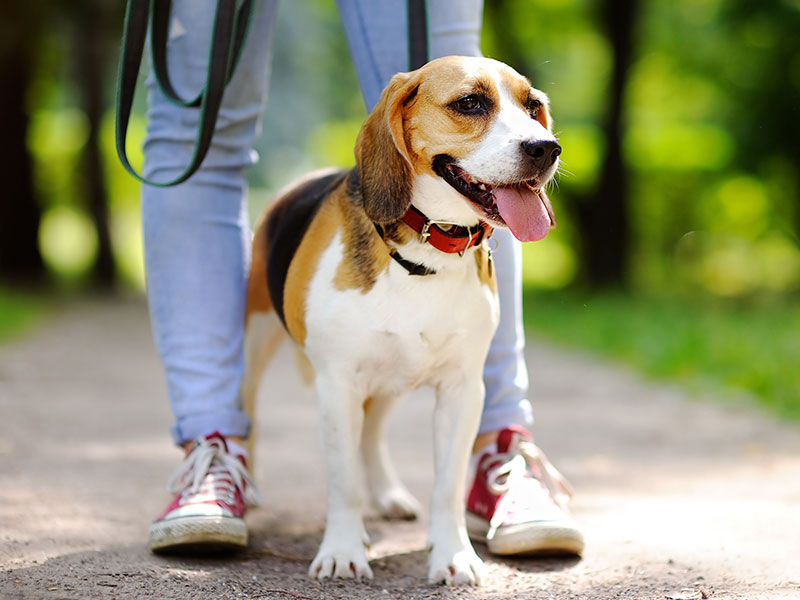
Many dogs are energetic by nature and will try at all costs to get out and play. There are others, whether due to age or other factors, that would rather sit around and relax. Both types of dogs are a joy for dog owners, but both still need some attention when it comes to physical exercise. Exercise is an important part of keeping your dog healthy, and there are different factors to consider when you come up with a routine for your furry friend.
1. Consider Your Dog’s Age
A young puppy will need a lot more exercise than an older dog. Young puppies are like young children and have energy for days! Don’t try to exercise your old dog as much as you would exercise a young dog, and don’t prohibit your young dog from physical exercise by comparing him to an old dog.
It’s also important not to over-exercise your young puppy. Start small with an exercise routine and work your way up to longer walks and other activities. If your dog seems to have more and more energy, you might try some calming exercises and activities that will get him to relax after a day filled with exercise. On the same note, don’t under-exercise your old dog. He needs exercise to stay healthy, and though old Fido might want to sit around and relax, he needs to get his blood pumping once in a while, too.
2. Make Physical Exercise a Game
Dogs love to play, so if you make your dog’s physical exercise routine a game, he’s more likely to enjoy the effort. Make sure you have plenty of toys on hand and take your dog to the backyard or a dog park on a regular basis. The ChuckIt! Flying Squirrel Dog Toy is the perfect example of a toy that will keep your dog engaged, while offering hours of fun. The sides are raised, so it’s easy for your dog to pick it up. It also floats on water, so it’s a great toy for the beach or the pool. When you go out for night games, Fido can join in, as the ChuckIt! Flying Squirrel glows in the dark.
Of course, your dog might just enjoy going on a walk or a jog with you, but even that can become a game. Maybe halfway you can stop at a local pond so the dog can go for a swim. Perhaps at the end of the run, you’ll have a puzzle ball waiting with a treat inside. All of these things will get your dog moving, but will also provide that fun he needs to be both physically and mentally stimulated.
3. Keep Your Dog on a Healthy Diet
If your dog doesn’t have a proper diet, he won’t have the energy needed to participate in the right amount of exercise required to keep him healthy. There are a lot of natural, protein-rich foods for dogs, as well as supplements you can add to the dog’s diet if he is deficient in something. Your veterinarian can help you figure out a perfectly healthy diet for your specific dog.
4. Play It Safe
There’s a lot to consider when it comes to safety and exercising your dog. Some things to remember include:
-
Always giving your dog access to plenty of water. Just like you, he’s going to get winded and will need a drink during physical exercise. If you’re not at home, take a portable water dish with you so your dog will have plenty to keep himself hydrated.
-
Using toys that promote safety. ChuckIt! Has two Breathe Right toys that are designed with safety in mind. The Fetch Football and the Fetch Stick are created with holes that allow for easier breathing when your dog is running around and playing. When they’re out of breath, the last thing they need is to block their airways with a stuffed football or a stick. Instead, the ChuckIt! Breath Right Toys allow for proper airflow into the lungs, which encourages longer play time.
-
Putting your dog on a leash. If you’re taking your dog out in public to go on a run or a jog, you will typically want to keep him on a leash. This helps you avoid a run-in with another dog, and will keep him close to you in traffic and other risky situations. If you end up at a dog park, be sure the gates are closed before you take the dog off the leash.
-
Knowing when to stop. Some dogs will run themselves into the ground because they know there’s a reward coming or because their owners demand it of them. It’s up to you to recognize the cues that tell you your dog is done exercising. Speak with your veterinarian to learn how to determine this, as well as to understand how much exercise your dog needs each day.
5. Keep Yourself Motivated
Having a dog is just like having a child. You have to stay motivated to take good care of him or he is going to suffer. Stay organized by scheduling exercise into your daily routines, then make a commitment to stick to those routines. If your dog has the zoomies, it could be a fluke, or it could mean you’re falling behind and the dog knows it. There’s nothing wrong with rewarding yourself for exercising the dog, and in many cases, you can get the exercise you need right along with your dog. It’s a win for both of you.
As you can see, physical exercise is an important part of your dog’s wellbeing, and there are specific things you can do to keep him healthy. From using safe ChuckIt! Toys to creating a workout schedule for your dog, there’s a lot you can do to keep your dog active.






