
 Save 15% on your 1st Autoship learn more

 Email us
 Live Chat
 FAQs





Introduction
Petting your cat is one of the best parts of being a pet owner. You are relaxing on the couch when you suddenly notice tiny white specks scattered through their dark fur. Your mind might immediately jump to a flea infestation. However, those white flecks are often just a simple case of dry skin. At BaxterBoo, we help cat owners distinguish between common skin issues and parasitic visitors every day. Telling the difference is important because the solution for dry skin is very different from the solution for a flea problem. This post will walk you through the visual cues, physical tests, and behavioral signs to look for. You will learn how to identify exactly what is in your cat's coat and how to treat it effectively.
Quick Answer: Dandruff appears as flat, irregular white flakes that often stick to the hair shaft. Flea eggs are smooth, pearl-white, oval-shaped specks that resemble tiny grains of salt and usually fall off the cat easily.
Identifying the Visual Differences
At first glance, both dandruff and flea eggs look like white dust or salt. When you look closer, the physical structures are quite different. Dandruff is made of dead skin cells. These cells are flat and thin. They have jagged, irregular edges because they have peeled off the skin. Because they are flat, they often get tangled in the hair or stick to the skin surface.
Flea eggs are actual biological structures designed to protect a developing larva. They are perfectly oval with rounded ends. They look like microscopic grains of white rice. Unlike dandruff, flea eggs are not flat. They are three-dimensional and smooth. They do not have a sticky coating. If your cat moves or jumps, flea eggs will usually roll right off the fur and land in your carpet or furniture.
Texture and Shape Comparison
- Dandruff: Flat, flaky, translucent or opaque white, irregular borders.
- Flea Eggs: Oval, smooth, pearl-like, uniform size and shape.
- Persistence: Dandruff often stays in the coat until brushed. Flea eggs fall out almost immediately.
If you see a large accumulation of white specks that stay put when the cat walks, you are likely looking at dandruff. Flea eggs rarely accumulate in large numbers on the cat because they are so slippery. They are designed to fall into the environment where the flea larvae can hatch in dark, protected areas.
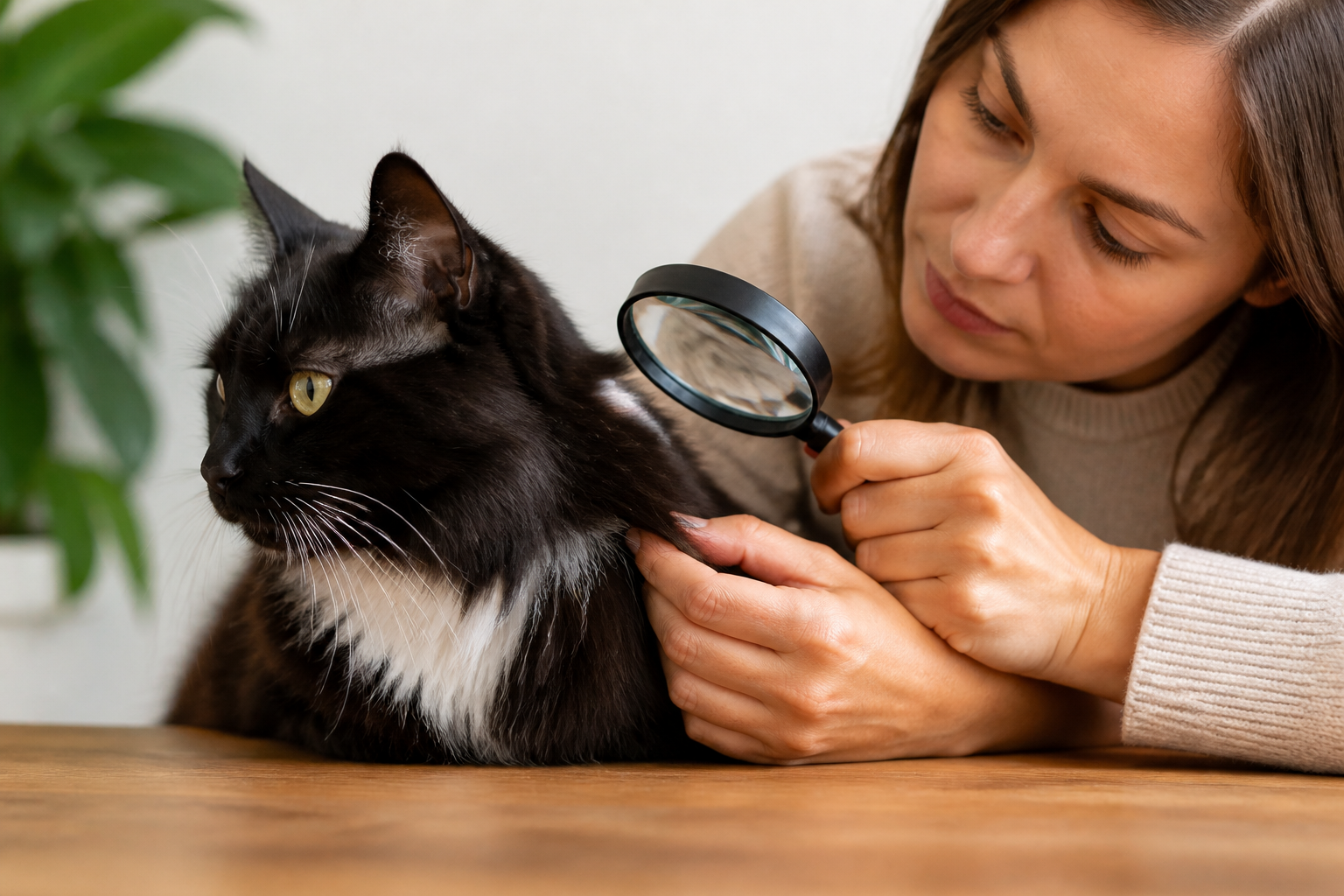
Key Takeaway: Use a magnifying glass if you are unsure. If the specks are all identical ovals, you are likely dealing with fleas. If they are different sizes and shapes, it is probably dandruff.
Cat Flea & Tick Care











The Paper Towel Test for Flea Dirt
If you see white specks but cannot tell if they are eggs, look for "flea dirt." Flea dirt consists of adult flea droppings. It looks like small grains of black pepper or dark brown dirt. Since fleas eat blood, their waste is mostly dried blood. This gives you a foolproof way to test for an infestation.
Step 1: Get a white paper towel. / Dampen it slightly with plain water.
Step 2: Place the towel on a flat surface. / Use a fine-tooth flea comb to brush your cat.
Step 3: Shake the debris from the comb onto the wet towel. / Wait about thirty seconds.
Step 4: Watch for color changes. / If the black specks dissolve and create a reddish-brown or rusty stain, it is flea dirt.
If the black specks remain black or look like regular dirt, your cat may just be dusty. However, the presence of red smears confirms that adult fleas are feeding on your pet. Even if you only see white dandruff flakes, finding flea dirt means a parasite treatment is necessary.
Vet Tip: Even indoor cats can get fleas. They can hitch a ride on your clothes or come through window screens. If you find flea dirt, consult your vet about the best flea preventive for your cat's specific health history.
Why Cats Develop Dandruff
Cat skin is a delicate organ. It requires a balance of moisture and nutrients to stay healthy. When that balance is disrupted, skin cells die and flake off faster than usual. This is known as seborrhea. It can be caused by many different factors ranging from the air in your home to the food in their bowl.
Environmental Factors
Low humidity is a common cause of dry skin in cats. This often happens during the winter months when heaters are running. The dry air strips moisture from the cat's skin and coat. This leads to visible flaking along the back and base of the tail. Using a humidifier in the rooms where your cat spends the most time can often solve this problem.
Nutritional Deficiencies
The skin and coat require high levels of protein and healthy fats to stay glossy. If a cat is eating a low-quality diet, they may lack the omega-3 and omega-6 fatty acids needed for skin health. We carry brands like Farmina and Royal Canin that focus on specific nutritional profiles to support skin integrity. Adding a supplement like fish oil can also help reduce dryness from the inside out. Explore our cat food selection when reviewing your cat's daily diet.
Grooming Issues and Obesity
Cats are usually excellent at grooming themselves. However, if a cat is overweight, they may not be able to reach certain areas. The lower back and the base of the tail are common spots for dandruff to build up in heavy cats. Arthritis in senior cats can also make grooming painful. When a cat stops grooming, dead skin cells and loose fur accumulate. This creates a cycle of mats and heavy dandruff.
Bottom line: Dandruff is often a symptom of an external issue like dry air or a physical limitation that prevents the cat from cleaning themselves.
Understanding the Flea Life Cycle
To understand why you might see flea eggs without seeing adult fleas, you must know the life cycle. Only about five percent of a flea population consists of adult fleas. The other ninety-five percent is made of eggs, larvae, and pupae hidden in your home. A single female flea can lay up to fifty eggs every day.
These eggs are laid on the cat but quickly fall off. They land in your rugs, floor cracks, and pet bedding. Within a few days, they hatch into larvae that hide from the light. They eventually spin a cocoon and wait for a host to walk by. This is why seeing even a few "white grains" can mean a much larger problem is brewing in your carpet.
Where Fleas Hide on the Cat
- The base of the tail.
- The neck and chin area.
- The warm crevices of the armpits.
- The belly.
If you suspect fleas, focus your search in these areas. You may see the adult fleas scurrying away from the light as you move the fur. Adult fleas are tiny, reddish-brown, and very fast. They do not have wings but can jump significant distances.
Treatment Options for Flea Infestations
If you have confirmed that those white specks are flea eggs, you need a multi-step approach. You cannot just treat the cat. You must also treat the environment. Our pharmacy at BaxterBoo offers a variety of FDA-approved medications through our partnership with Pet's Choice. This includes prescription options that are often more effective than over-the-counter brands for heavy infestations. Browse our cat flea and tick collection for prevention and treatment options.
Treating the Cat
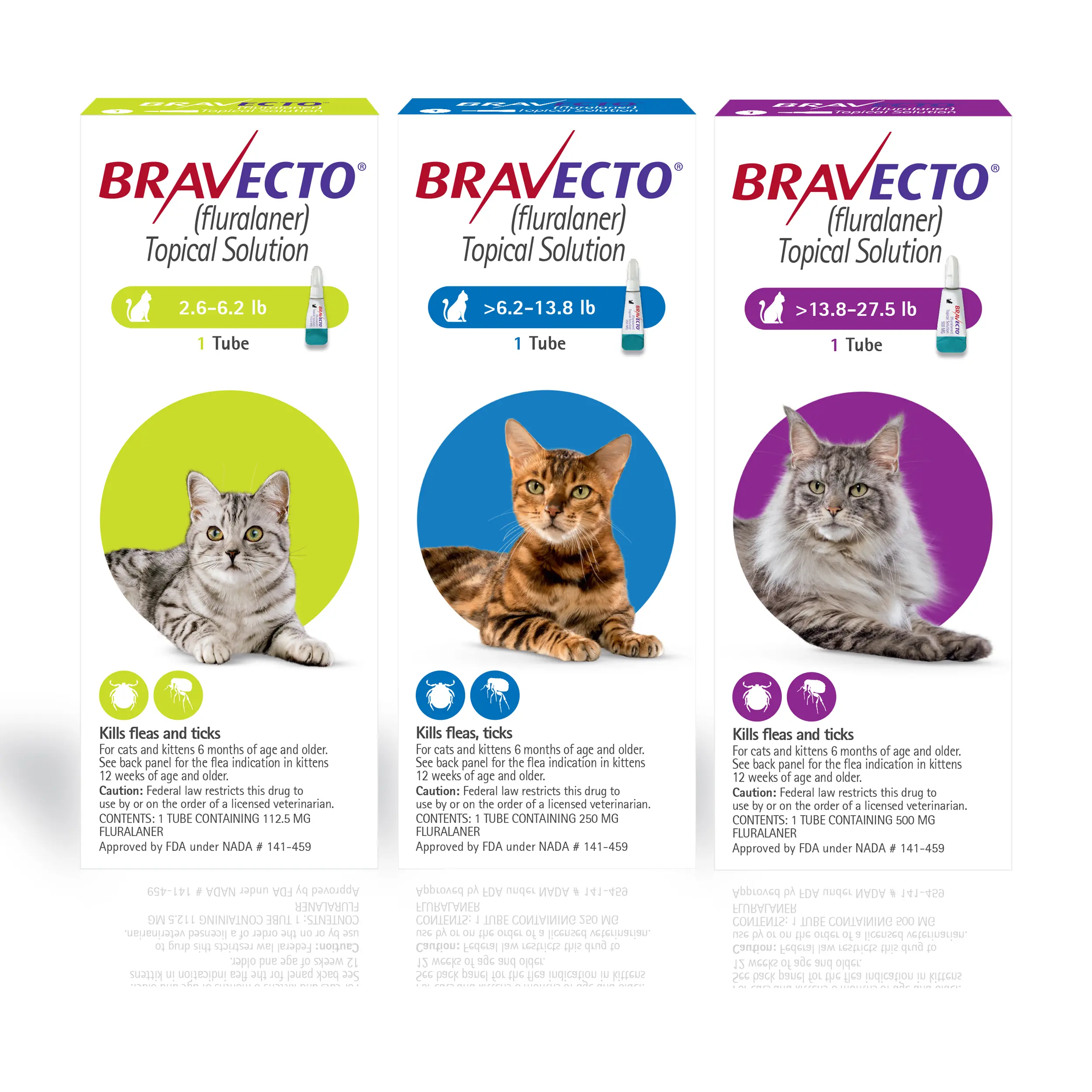
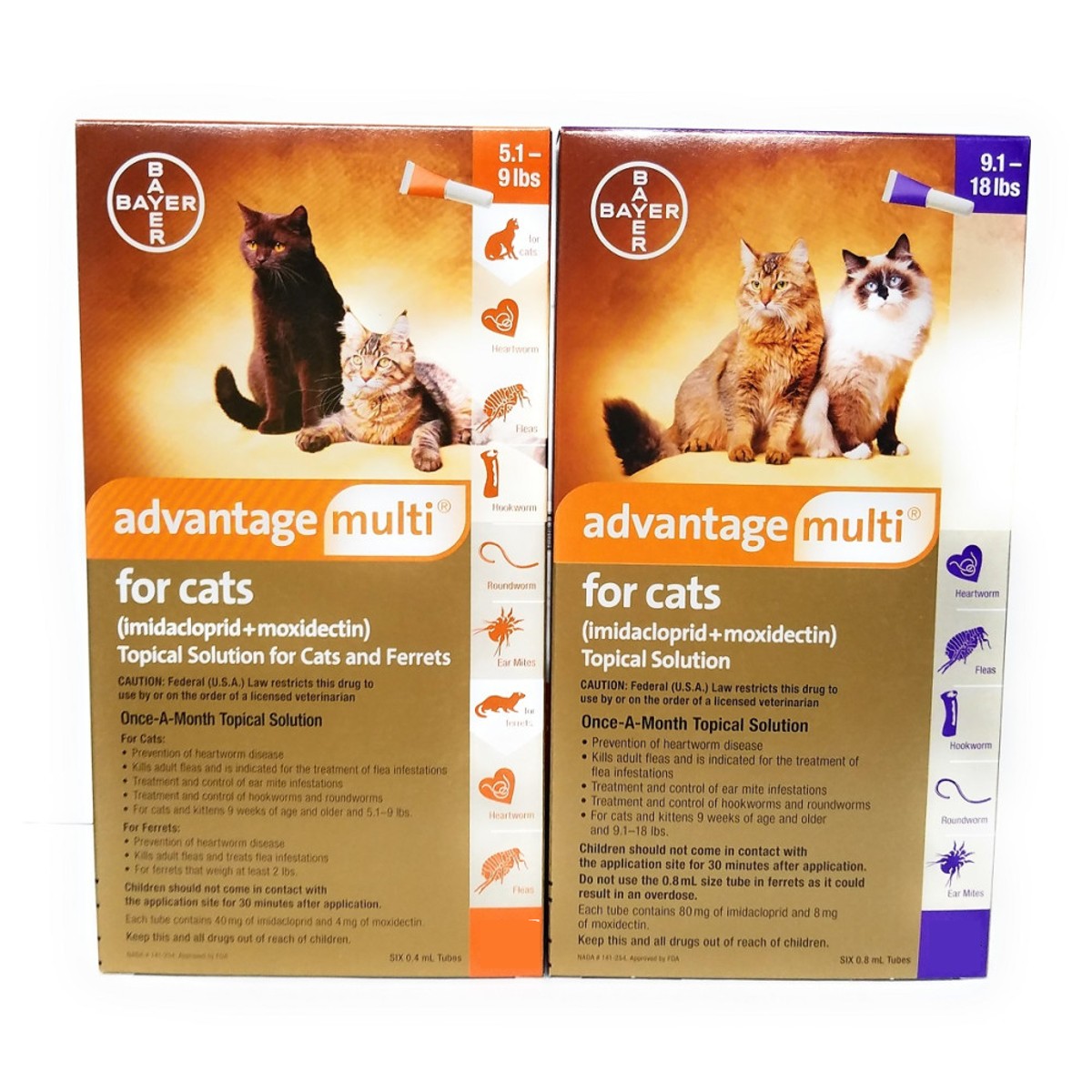
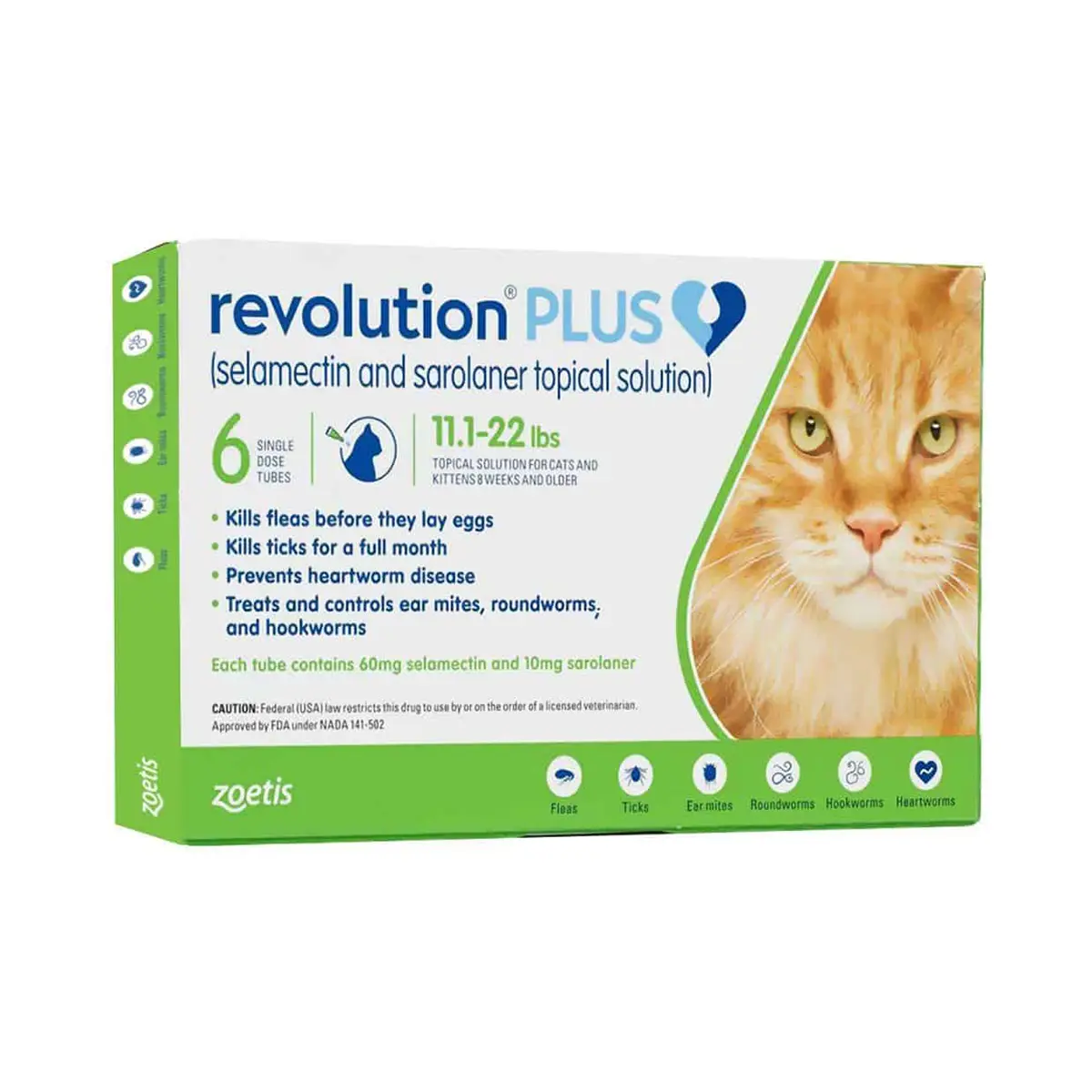
Oral medications or topical "spot-on" treatments are the most common solutions. Products like Frontline or NexGard work by killing adult fleas and sometimes breaking the life cycle by preventing eggs from hatching. Always follow the specific weight guidelines on the package. Never use a flea product meant for dogs on a cat, as it can be fatal. For a cat-specific topical option, see Advantage II Flea Control Cat Treatment.
Treating the Home
Since most of the flea population lives in your carpet, you must clean thoroughly.
- Wash all pet bedding in hot water.
- Vacuum all floors, rugs, and upholstered furniture daily.
- Empty the vacuum bag or canister immediately into an outside trash can.
- Use a vet-approved premise spray if the infestation is severe.
Key Takeaway: Killing the fleas on your cat is only half the battle. You must remove the eggs and larvae from your home to prevent a re-infestation.
Managing and Preventing Cat Dandruff
If you have ruled out fleas and confirmed that your cat has dandruff, the focus shifts to skin health. Most cases of mild dandruff can be managed at home with changes to your grooming routine and environment. At BaxterBoo, we recommend a proactive approach to keep your cat comfortable.
Specialized Shampoos
While cats do not usually need frequent baths, a medicated or moisturizing shampoo can help. Look for ingredients like oatmeal, aloe vera, or salicylic acid. These help soothe the skin and loosen existing flakes. Be sure to use a product specifically formulated for felines. Human shampoos have a different pH balance and can make cat skin even drier. A gentle option is Vet's Best Dry Clean Waterless Cat Bath.
Grooming Tools
Regular brushing is the best way to manage dandruff. It distributes the natural oils produced by the skin across the entire coat. For short-haired cats, a soft bristle brush or a rubber grooming mitt works well. For long-haired cats, a slicker brush or an undercoat rake can help remove dead fur before it mats. Find brushes, combs, and other tools in our cat grooming supplies.
Hydration and Diet
Dehydration leads to dry skin. Many cats do not have a high thirst drive. Providing a pet water fountain can encourage them to drink more. You might also consider adding wet food to their diet. Wet food provides significantly more moisture than dry kibble. High-quality foods like Tiki Cat or Fussie Cat use real proteins and fats that support a healthy moisture barrier in the skin.
Vet Tip: Sudden or severe dandruff can sometimes be a sign of internal health issues like diabetes or hyperthyroidism. If your cat's skin does not improve with grooming and diet changes, schedule a vet visit for blood work.
Walking Dandruff: A Different Kind of Pest
There is a specific condition called Cheyletiellosis, which is often nicknamed "walking dandruff." This is caused by a type of skin mite. To the naked eye, these mites look exactly like dandruff flakes. However, if you watch closely, you will see the white specks actually moving across the cat's skin.
These mites are highly contagious to other pets and can even cause itchy bumps on humans. If you see "dandruff" that seems to move on its own, this is not a dry skin issue. It requires specific anti-parasitic treatment. Your veterinarian will usually diagnose this by looking at a skin scraping under a microscope.
When to See a Veterinarian
Most pet owners can handle simple dandruff or a minor flea problem at home. There are times when professional help is necessary. If your cat is scratching so much that they are creating bald spots or open sores, they need medical attention. Cats can develop an allergy to flea saliva called Flea Allergy Dermatitis. This causes extreme itching and skin infections from even a single flea bite.
Our pharmacy partnership with Pet's Choice ensures you have access to the prescription diets and medications your vet might recommend for chronic skin conditions. Whether it is a prescription-strength flea preventive or a specific diet for sensitive skin, we can help you manage your cat's long-term wellness. Visit our pet pharmacy for prescription medications and veterinary diet foods.
Bottom line: Persistent skin issues, redness, or behavioral changes like hiding or lethargy should always be addressed by a veterinarian.
Creating a Flea-Free and Flake-Free Home
Consistency is the secret to a healthy cat coat. Establishing a weekly grooming routine allows you to check for pests and skin issues before they become major problems. At BaxterBoo, we emphasize the importance of high-quality gear and nutrition to prevent these issues from starting.
By maintaining your cat's weight and providing a balanced diet, you give their skin the tools it needs to stay hydrated. By using a year-round flea preventive, you avoid the stress of an infestation. We have been helping pet owners since 2006 with expertly curated products that make these routines easier.
Summary Checklist for Cat Owners
- Check shape: Ovals are likely eggs; flakes are likely dandruff.
- Check stickiness: Eggs fall off; dandruff stays in the fur.
- Perform the paper towel test: Red stains confirm fleas.
- Assess grooming: Can the cat reach the area with the white specks?
- Review the environment: Is the air in the house too dry?
FAQ
Can I get fleas from my cat's flea eggs?
Flea eggs themselves do not bite or harm humans, but they will hatch into adult fleas that will. While cat fleas prefer feline hosts, they will bite humans if the population grows or if the cat is not available. Treating your cat and your home quickly is the best way to prevent being bitten.
Is cat dandruff contagious to other pets?
Normal dandruff caused by dry skin or poor nutrition is not contagious. However, "walking dandruff" caused by Cheyletiella mites is very contagious to dogs, cats, and rabbits. If one pet has moving white specks, you should check all the animals in your household.
How often should I brush my cat to prevent dandruff?
Most short-haired cats benefit from a thorough brushing once or twice a week. Long-haired cats or senior cats who struggle to groom themselves may need daily attention. Regular brushing helps move natural oils through the coat and removes dead skin before it becomes visible flakes.
Will a bath get rid of flea eggs?
A bath can wash away some of the flea eggs currently in the fur, but it will not solve the infestation. Flea eggs are constantly being laid and falling into your home environment. You must use a flea preventive that kills adult fleas and prevents the next generation from developing to truly clear the problem.






- Site & Contents BaxterBoo.com. BaxterBoo is located in the United States.
- Privacy & Security
- Terms of Use
- Accessibility Statement
