
 Save 15% on your 1st Autoship learn more

 Email us
 Live Chat
 FAQs
FAQs





Why Your Senior Cat Deserves the Best Arthritis Care
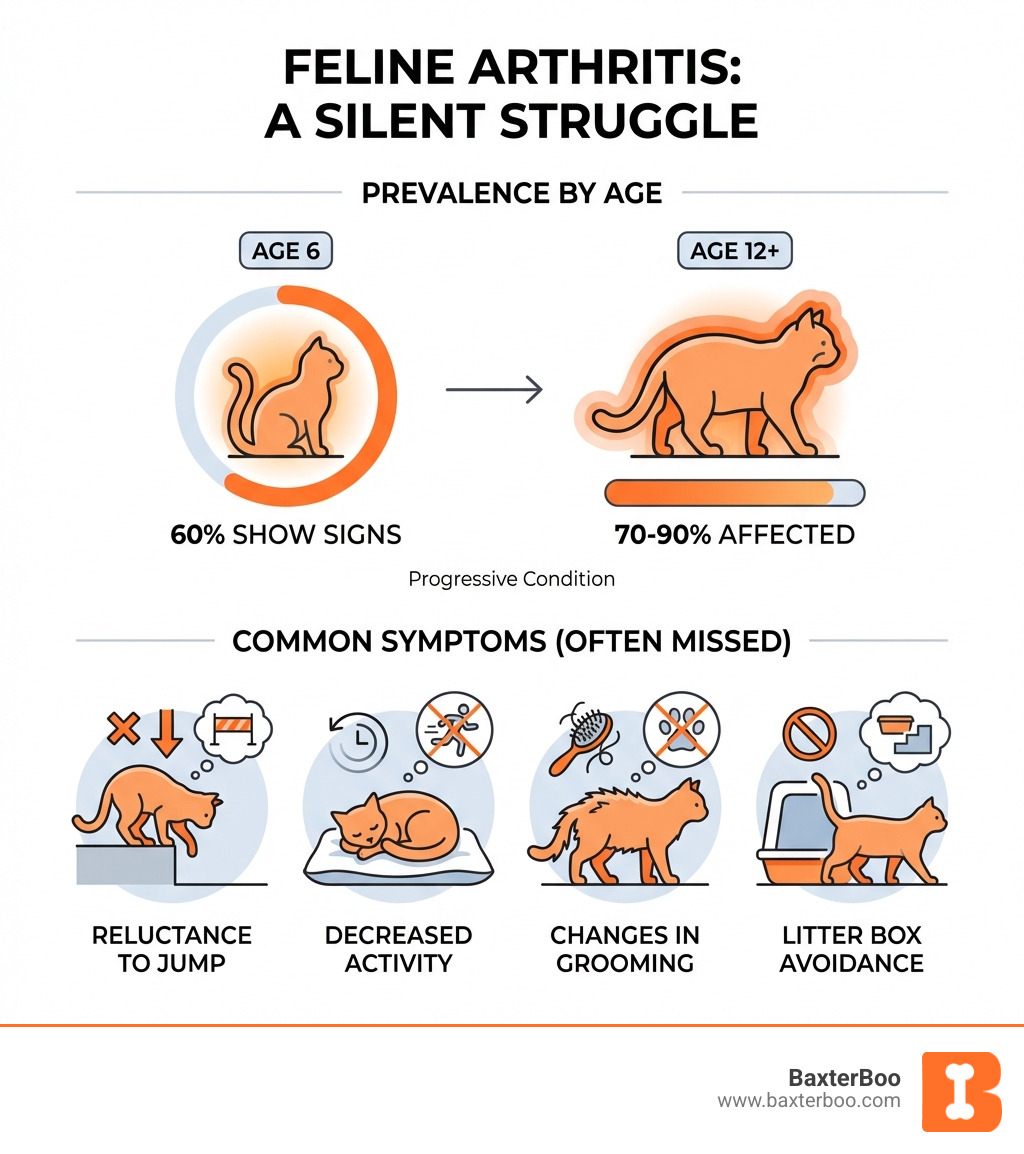
Arthritis medicine for cats is a critical topic for pet parents, as studies show that between 70% and 90% of cats over 12 years old live with this painful condition. If your cat is slowing down, avoiding jumps, or hiding more often, they might be silently suffering from degenerative joint disease.
Quick Answer: Top Arthritis Medicine Options for Cats
| Treatment Type | Examples | Best For |
|---|---|---|
| Monoclonal Antibodies | Frunevetmab (Solensia) | First-line treatment, monthly injections |
| NSAIDs | Meloxicam, Robenacoxib (Onsior) | Short-term pain and inflammation |
| Nerve Pain Medication | Gabapentin, Amantadine | Chronic pain management |
| Supplements | Glucosamine, Chondroitin, Omega-3s | Long-term joint support |
The challenge? Cats are masters at hiding pain. While a dog might limp noticeably, your cat will simply stop jumping on the counter or sleep more. By the time you notice behavioral changes, they may have been uncomfortable for months.
The good news is that arthritis in cats is highly manageable with the right approach. Veterinarians now recommend a multimodal strategy that combines medication, supplements, environmental changes, and weight management. This means you're not relying on a single pill, but rather creating a comprehensive care plan custom to your cat's specific needs.
No single treatment works for every cat, and some options that are safe for dogs can be dangerous for felines. That's why working closely with your veterinarian is essential to find the right combination of therapies that will help your cat move comfortably and enjoy their golden years.
Understanding Feline Arthritis: The Silent Disease
Arthritis, also known as degenerative joint disease (DJD), is a chronic, painful, and progressive condition where the cartilage cushioning a cat's joints wears down. This causes bones to rub together, leading to inflammation and pain. Since the damage cannot be reversed, treatment focuses on managing pain and slowing the disease's progression.
What are the primary causes of arthritis in cats?
While often associated with aging, arthritis is caused by a mix of factors:
- Aging: The cumulative wear and tear on joints makes older cats more susceptible. Studies suggest up to 90% of cats over 10 are affected in at least one joint.
- Genetics and Breed Predisposition: Some breeds, like Maine Coons and Himalayans, are prone to joint conditions like hip dysplasia that lead to arthritis.
- Injury or Trauma: Past joint injuries, including fractures or ligament tears, can accelerate cartilage breakdown.
- Abnormal Joint Development: Conditions like hip or elbow dysplasia cause uneven weight distribution and premature cartilage wear.
- Obesity: Excess weight strains joints and accelerates cartilage damage. Fat tissue also secretes inflammatory chemicals, worsening the condition.
- Infection: Joint infections can cause inflammation and damage.
- Immune-Mediated Diseases: Some autoimmune diseases cause the body to attack its own joint tissues.
- Orthopedic Surgery: Surgery can sometimes alter joint mechanics, contributing to future arthritis.
The insidious nature of feline arthritis lies in their instinct to mask pain. This behavior, meant to avoid appearing weak to predators, means that by the time we notice our cats are struggling, their arthritis may be quite advanced.
Spotting the Signs: How to Tell if Your Cat Has Arthritis
Cats are masters at hiding pain, often showing discomfort through subtle behavioral changes rather than limping or whining. Catching these signs early is key.
What are the common signs and symptoms of arthritis in cats that owners should look for?
Here are the key indicators of joint pain:
- Reluctance to Jump or Climb: Hesitating or failing to jump, using lower routes to get to high places, or struggling with stairs.
- Decreased Activity: Playing less, sleeping more, or showing less enthusiasm for favorite games.
- Changes in Grooming: A matted or unkempt coat (especially on the back and hips) from difficulty reaching, or over-grooming a painful joint.
- Litter Box Issues: Eliminating outside the box because climbing into a high-sided one is painful.
- Irritability or Aggression: Hissing, swatting, or avoiding being touched, especially near sore joints.
- Hiding More: Seeking solitude more than usual.
- Muscle Loss (Atrophy): A thinning appearance in the hindquarters or a specific leg from disuse.
- Stiff Gait or Posture: Walking stiffly, with a hunched back, or less fluid movement.
- Difficulty Getting Up or Down: Taking longer to rise after a nap or settle into a comfortable position.
If you observe these signs, don't dismiss them as just "getting old." Early detection is crucial because arthritis can be treated effectively. Use this helpful checklist to assess your cat's mobility and discuss your findings with your veterinarian. For more in-depth information, you can explore more about feline degenerative joint disease.
A Vet's Guide to Arthritis Medicine for Cats
A multimodal approach is key to managing feline arthritis, combining strategies to tackle pain from multiple angles. The goal is to improve mobility and quality of life. Your journey should begin with a thorough veterinary consultation to create a personalized treatment plan. Never give your cat human medications, as many are toxic to felines.
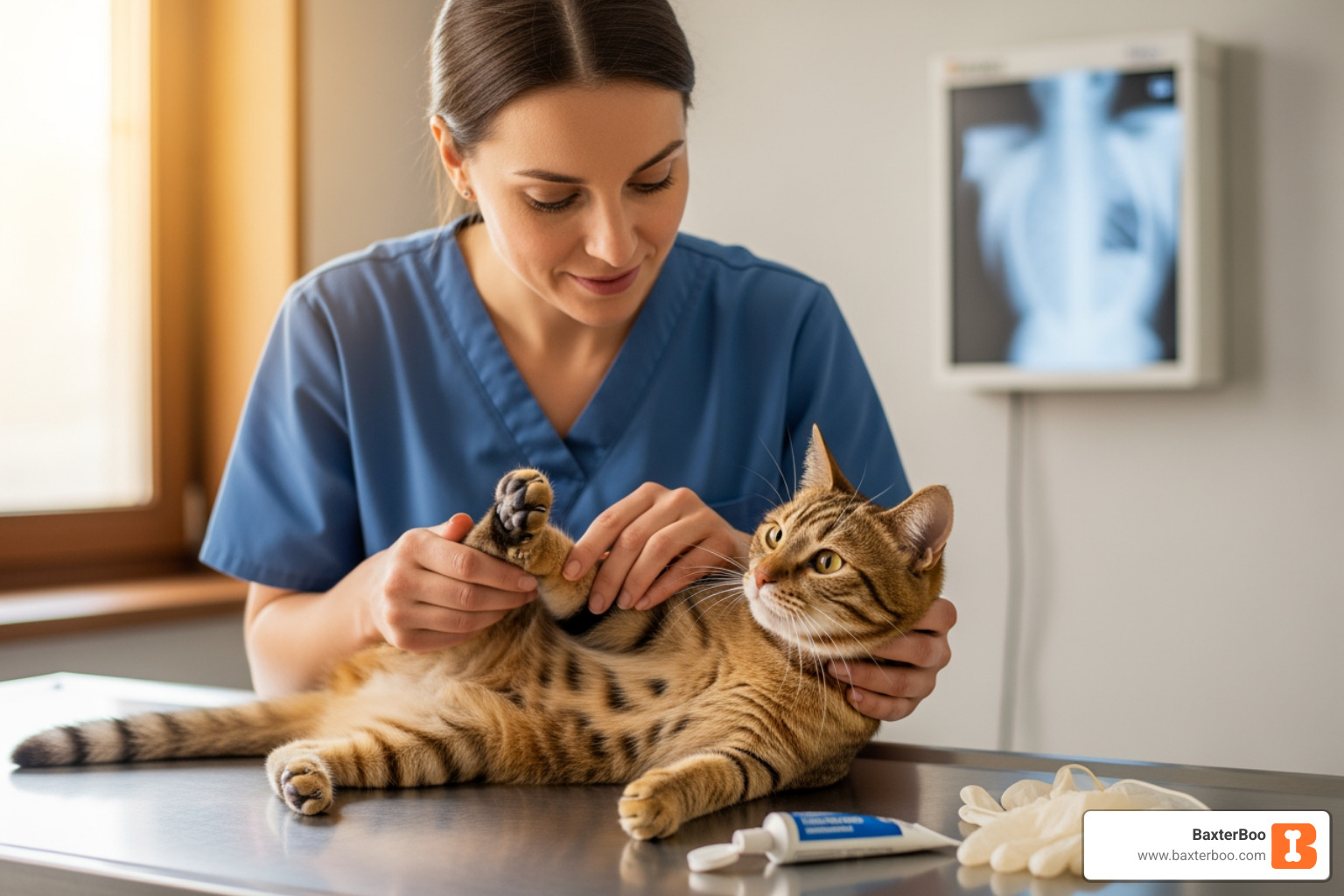
What are the different types of medications (pharmaceuticals) used to treat arthritis in cats, and how do they work?
What are the available supplements (nutraceuticals) for feline arthritis, and what is their effectiveness?
Prescription Arthritis Medicine for Cats
These powerful medications require a veterinarian's prescription and oversight.
- Monoclonal Antibody Therapy (mAbs) – Frunevetmab (Solensia®):A groundbreaking, FDA-approved monthly injection for feline arthritis pain. It works by neutralizing Nerve Growth Factor (NGF), a protein that transmits pain signals. This reduces the cat's perception of pain, with studies showing 77% of owners reporting improvement.
- Considerations: Must be administered by a vet. Pregnant, trying-to-conceive, or breastfeeding women should avoid accidental self-injection. It is not for use in breeding, pregnant, or lactating cats. Common side effects include vomiting and injection site pain. Learn more about scientific research on Frunevetmab.
- Non-Steroidal Anti-Inflammatory Drugs (NSAIDs):Medications like meloxicam and robenacoxib (Onsior®) are fast-acting and effective for relieving pain and inflammation by reducing swelling and stiffness.
- Considerations: Cats are very sensitive to NSAIDs. Long-term use requires frequent bloodwork (every 6 months) to monitor kidney and liver function. Side effects can include GI upset and, in severe cases, kidney damage. Never give human NSAIDs like ibuprofen to cats, as they are highly toxic. For more details, consult understanding NSAIDs for pets.
- Gabapentin:This medication manages nerve-related pain and can be very effective for chronic pain with fewer systemic side effects than NSAIDs.
- Considerations: The main side effect is mild sedation, which is managed by adjusting the dose. It should not be stopped abruptly.
- Amantadine:Often used with other pain medications, amantadine helps address chronic pain by making the spinal cord less sensitive to persistent pain signals.
- Considerations: It's typically given as a liquid for at least a few weeks and is especially useful for severe chronic pain.
- Polysulfated Glycosaminoglycan (PSGAGs) – Adequan®:This injectable medication is used off-label in cats to support joint health by inhibiting cartilage-destroying enzymes and lubricating joint fluid.
- Considerations: Administered via injection, usually with a loading period followed by maintenance doses.
Over-the-Counter Supplements & Nutraceuticals
These products play a supportive role but should be discussed with your vet, as quality varies.
- Glucosamine and Chondroitin: As building blocks of cartilage, these supplements (like Dasuquin® or Cosequin®) support cartilage health. They are generally safe but may take weeks to show effects. We offer a holistic supplement to support your cat's joints that your vet might recommend.
- Omega-3 Fatty Acids: Found in fish oil, these have natural anti-inflammatory properties that can help reduce joint pain and improve comfort.
- CBD (Cannabidiol): A newer area of interest for pain relief. While anecdotal evidence is growing, scientific data on safety and efficacy in cats is still limited. Always discuss with your vet before using CBD, as product quality varies widely.
The best approach often combines products from different classes. Your veterinarian will help you select the most appropriate arthritis medicine for cats and supplements for your cat's unique situation. You can also look for joint-supporting food toppers, such as an anti-inflammatory food topper for your cat's diet.
Beyond Pills: A Multimodal Plan for Feline Arthritis Care
Medication is just one piece of the puzzle. The most effective strategies involve a holistic, multimodal approach that supports your cat's overall well-being and adapts their environment to their needs. This typically includes:
- Weight Management and Nutrition
- Environmental Modifications
- Physical and Complementary Therapies
- Pharmaceuticals and Nutraceuticals (as previously discussed)
Weight Management and Joint-Supportive Diets
Maintaining a healthy weight is one of the most impactful things you can do for an arthritic cat. Excess weight strains joints, and fat tissue secretes inflammatory chemicals that worsen the condition. Your veterinarian can recommend a weight-reduction plan and a therapeutic diet formulated with joint-supportive ingredients like omega-3 fatty acids.
Creating an Arthritis-Friendly Home
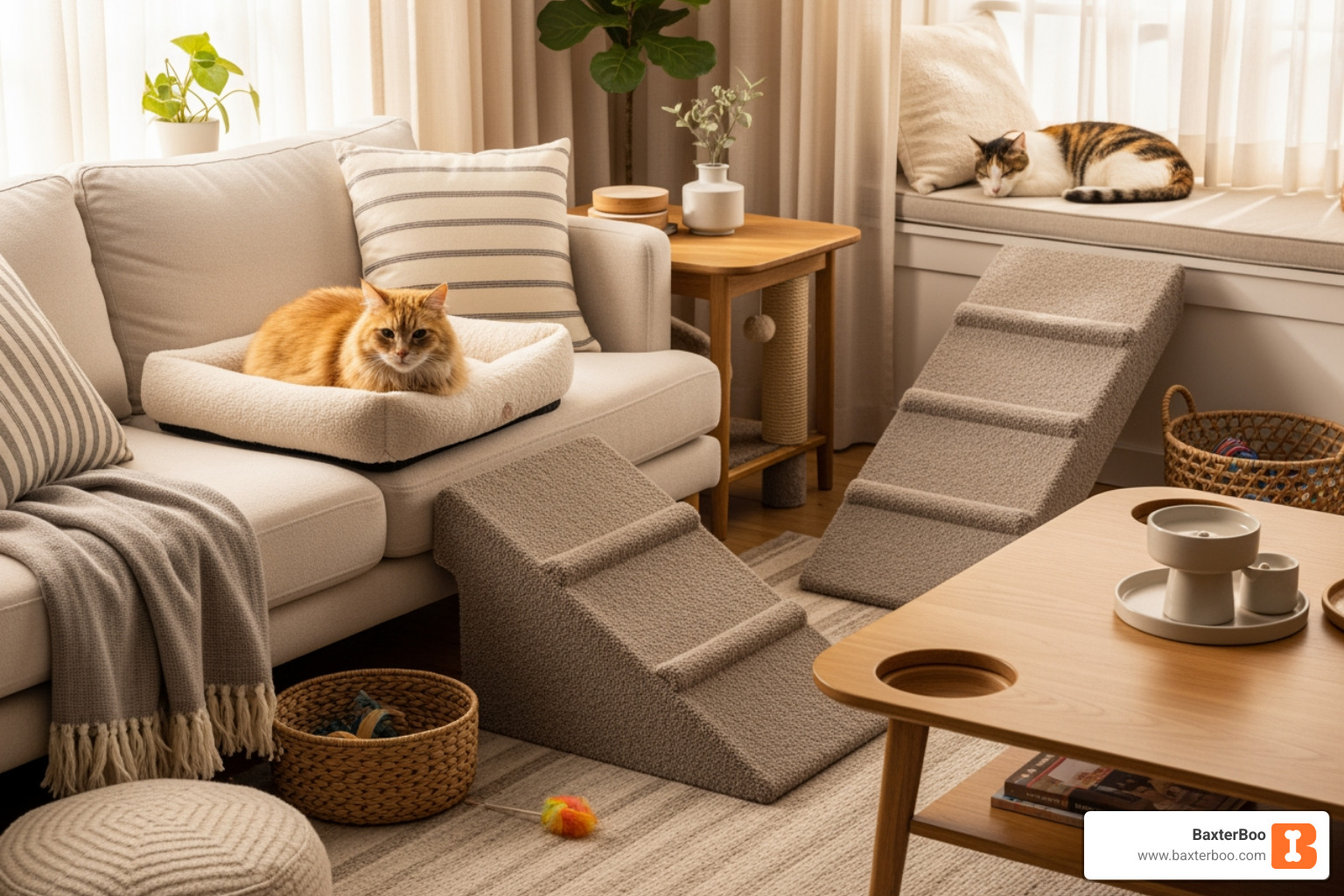
Small changes around the house can make a world of difference:
- Low-Entry Litter Boxes: Use boxes with low sides or cut an entrance in an existing one to make access easier.
- Ramps or Pet Stairs: Help your cat reach favorite spots (beds, couches, windowsills) without painful jumping.
- Raised Food and Water Bowls: Allow your cat to eat and drink in a more comfortable, natural position.
- Warm, Padded Bedding: Provide soft, orthopedic, or heated beds in warm, draft-free areas to soothe aching joints.
- Non-Slip Surfaces: Place rugs or carpet runners on slick floors to provide better traction.
- Regular Nail Trims: Overgrown nails can alter a cat's gait and cause pain. We carry tools like a nail grinder for sensitive pets.
- Assisted Grooming: Help your cat stay clean with regular, gentle brushing, which also provides a light massage. Explore options like a gentle brush to help your cat stay clean.
Physical & Complementary Therapies
These therapies work well with medication and environmental changes.
| Therapy | How it Helps | Considerations |
|---|---|---|
| Passive Range of Motion (PROM) | Gentle joint movement to maintain flexibility. | Can be taught by a vet or physical therapist. |
| Massage | Increases circulation, relaxes muscles, and reduces pain. | Gentle strokes are best; many cats enjoy this. |
| Laser Therapy (K-Laser) | Uses light to reduce inflammation and alleviate pain. | Non-invasive, short, pain-free sessions at the vet. |
| Acupuncture | Stimulates natural pain relief and healing. | Performed by a certified veterinary acupuncturist. |
| Low-Impact Exercise | Gentle play (e.g., with feather wands) maintains muscle mass. | Avoid intense running; focus on supporting joints. |
| Electromagnetic Therapy (Assisi Loop) | Reduces pain and inflammation with pulsed electromagnetic fields. | Can be used at home after vet instruction. |
These therapies, along with weight management, are integral to a comprehensive multimodal strategy, contributing to your cat's overall comfort and happiness.
Frequently Asked Questions about Arthritis in Cats
We understand you have many questions about keeping your beloved feline comfortable. Here, we address some of the most common concerns regarding feline arthritis.
What can I give my cat for arthritis pain at home?
This is a critical question, and the answer is simple: never give your cat human medications without explicit veterinary guidance. Many human pain relievers, such as Tylenol (acetaminophen) and Ibuprofen, are highly toxic to cats and can cause severe illness, organ damage, or even death. Cats metabolize drugs differently than humans and dogs, making them uniquely susceptible to adverse reactions.
At home, you should only give vet-approved arthritis medicine for cats or supplements. Focus on implementing environmental changes, ensuring a comfortable living space, and managing their weight as discussed above. If you notice signs of pain, the most important first step is always to consult your veterinarian. They can accurately diagnose the problem and prescribe safe and effective treatments custom to your cat.
Can a cat fully recover from arthritis?
Unfortunately, arthritis is a progressive disease, meaning it worsens over time, and there is no cure for arthritis in cats. The degeneration of joint cartilage cannot be reversed.
However, this doesn't mean your cat is doomed to a life of pain! The goal of modern arthritis management is to:
- Slow the progression of damage: Through joint-supportive supplements and sometimes specific medications.
- Control pain effectively: Using a combination of pharmaceuticals and complementary therapies.
- Improve and maintain quality of life: Allowing your cat to move comfortably, engage in their favorite activities, and enjoy their golden years.
With a dedicated multimodal approach and consistent veterinary care, cats with arthritis can live long, comfortable, and happy lives.
What are the risks of arthritis medicine for cats?
All medications have potential risks, which is why veterinary supervision is essential.
What are the potential side effects or risks associated with arthritis medications and supplements in cats?
- NSAIDs (Non-Steroidal Anti-Inflammatory Drugs): Can cause GI upset (vomiting, diarrhea, appetite loss) and affect the kidneys. Long-term use requires regular blood tests to monitor kidney and liver function. Stop the medication and call your vet if you notice these signs.
- Monoclonal Antibodies (Solensia®): The most common side effects are vomiting and injection site pain. Allergic reactions are rare. Pregnant, trying-to-conceive, or breastfeeding women must avoid accidental self-injection.
- Gabapentin: The primary side effect is sedation. Your vet will aim for the lowest effective dose to manage pain without excessive drowsiness.
- Supplements (Nutraceuticals): Generally safe, but quality varies. Some cats may experience mild GI upset. Always choose vet-recommended brands.
- Drug Interactions: Combining medications (like NSAIDs and steroids) can be dangerous. Your vet must coordinate all treatments.
To minimize risks, introduce only one new medication or supplement at a time to monitor for adverse reactions. In an emergency, contact your veterinarian or an animal poison control center like the ASPCA Animal Poison Control at (888) 426-4435.
When should a cat owner consult a veterinarian about potential arthritis in their pet?
You should consult your veterinarian as soon as you notice any of the subtle signs of arthritis discussed earlier, especially if your cat is over 6-7 years old or has a history of joint injury. Cats are masters of disguise, so by the time you're seeing obvious changes, they've likely been experiencing discomfort for a while. Early intervention can significantly slow the progression of the disease and improve your cat's comfort. Don't wait for your cat to limp or cry out in pain; subtle behavioral shifts are your cue to call the vet.
Are there any specific breeds of cats that are more prone to developing arthritis?
While any cat can develop arthritis, some breeds do have a higher predisposition due to genetic factors that can lead to abnormal joint development. Breeds commonly noted for certain orthopedic issues that can lead to arthritis include:
- Maine Coons: Known for a higher incidence of hip dysplasia.
- Himalayans and Persians: Can be prone to hip dysplasia and patellar luxation.
- Devon Rex and Scottish Folds: May be predisposed to certain osteochondrodysplasias (abnormal bone and cartilage development).
However, mixed-breed cats and other purebreds are also frequently affected. Maintaining a healthy weight and providing a joint-supportive lifestyle are crucial for all cats, regardless of breed.
What are the long-term management strategies for cats with chronic arthritis?
Long-term management is an ongoing partnership with your veterinarian. It's a continuous, adaptive multimodal strategy that isn't a one-time fix. The core components are:
- Consistent Veterinary Care: Regular check-ups, pain assessments, and bloodwork to monitor medications.
- Adherence to Treatment: Strictly follow the prescribed medication and supplement plan.
- Weight and Nutrition: Maintain an ideal body weight and feed a high-quality, possibly therapeutic, diet.
- Home Environment: Continuously adapt your home with ramps, accessible litter boxes, and comfortable beds as your cat's needs change.
- Gentle Activity: Encourage low-impact play and physical therapy to maintain muscle and flexibility.
Proactively managing these areas gives your cat the best chance to live a long, comfortable life.
Your Partner in Lifelong Feline Wellness
Managing feline arthritis is a journey that requires patience, observation, and a strong partnership with your veterinarian. We've seen that a multimodal strategy, combining appropriate arthritis medicine for cats, effective supplements, diligent weight management, and thoughtful environmental modifications, offers the best path to your cat's comfort and happiness.
At BaxterBoo, we are dedicated to supporting you and your cat through every stage of their life. We understand the importance of expertly curated, high-quality pet products that contribute to their well-being. From joint-supportive supplements to grooming tools that aid in comfort, we strive to provide options that align with your veterinarian's recommendations and improve your cat's quality of life.
Your cat relies on you to be their advocate. By recognizing the subtle signs of pain, seeking professional veterinary advice, and committing to a comprehensive, long-term management plan, you are ensuring they enjoy their golden years with dignity and joy.
Explore vet-approved wellness products for your cat and let us be your trusted partner in their lifelong feline wellness journey.






