Save 15% on your 1st Autoship learn more

 Email us
 Live Chat
 FAQs
FAQs





Why Every Dog Deserves the Right Harness
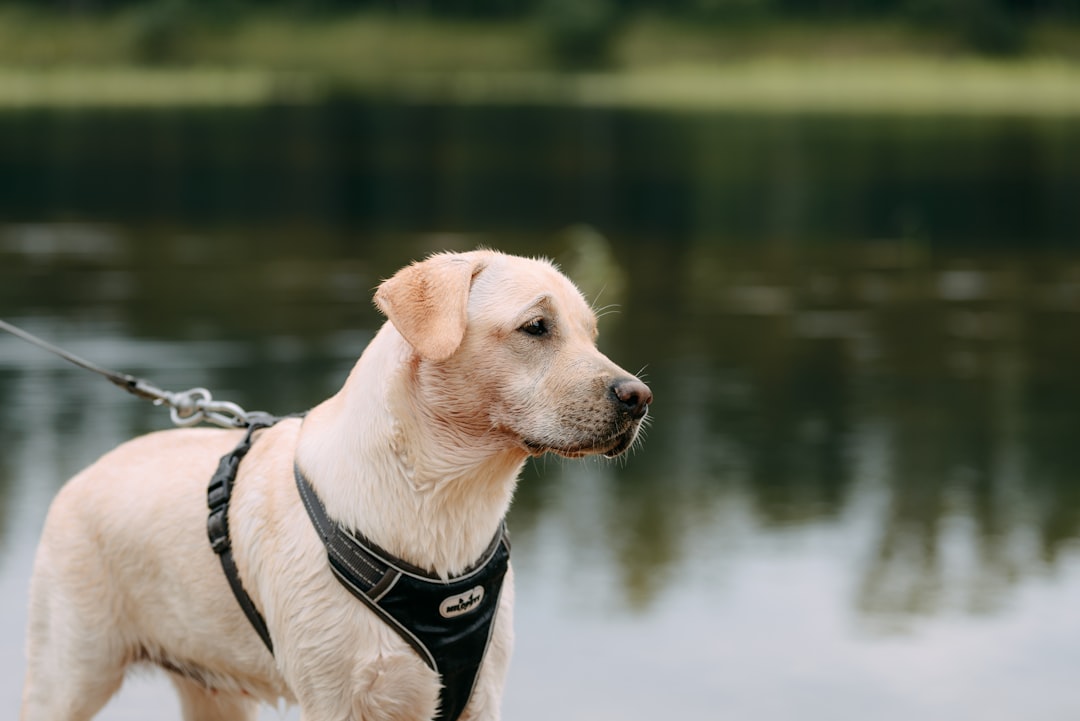
A dog harness is more than just a walking accessory—it's a tool that can transform your daily walks from a pulling struggle into an enjoyable adventure for both you and your pup. With the dog harness market continuing to grow and customer satisfaction ratings consistently exceeding 4.5 out of 5 stars, it's clear that pet parents are finding the benefits of making the switch from traditional collars.
Quick Guide to Dog Harnesses:
- Back-Clip Harnesses - Best for calm dogs that don't pull; comfortable for everyday walks
- Front-Clip (No-Pull) Harnesses - Ideal for training and controlling dogs that pull; reirects forward motion
- Vest Harnesses - Offers maximum coverage and padding; great for small breeds and comfort
- Dual-Clip Harnesses - Versatile option with both front and back attachment points
- Car Safety Harnesses - Crash-tested designs for secure vehicle travel
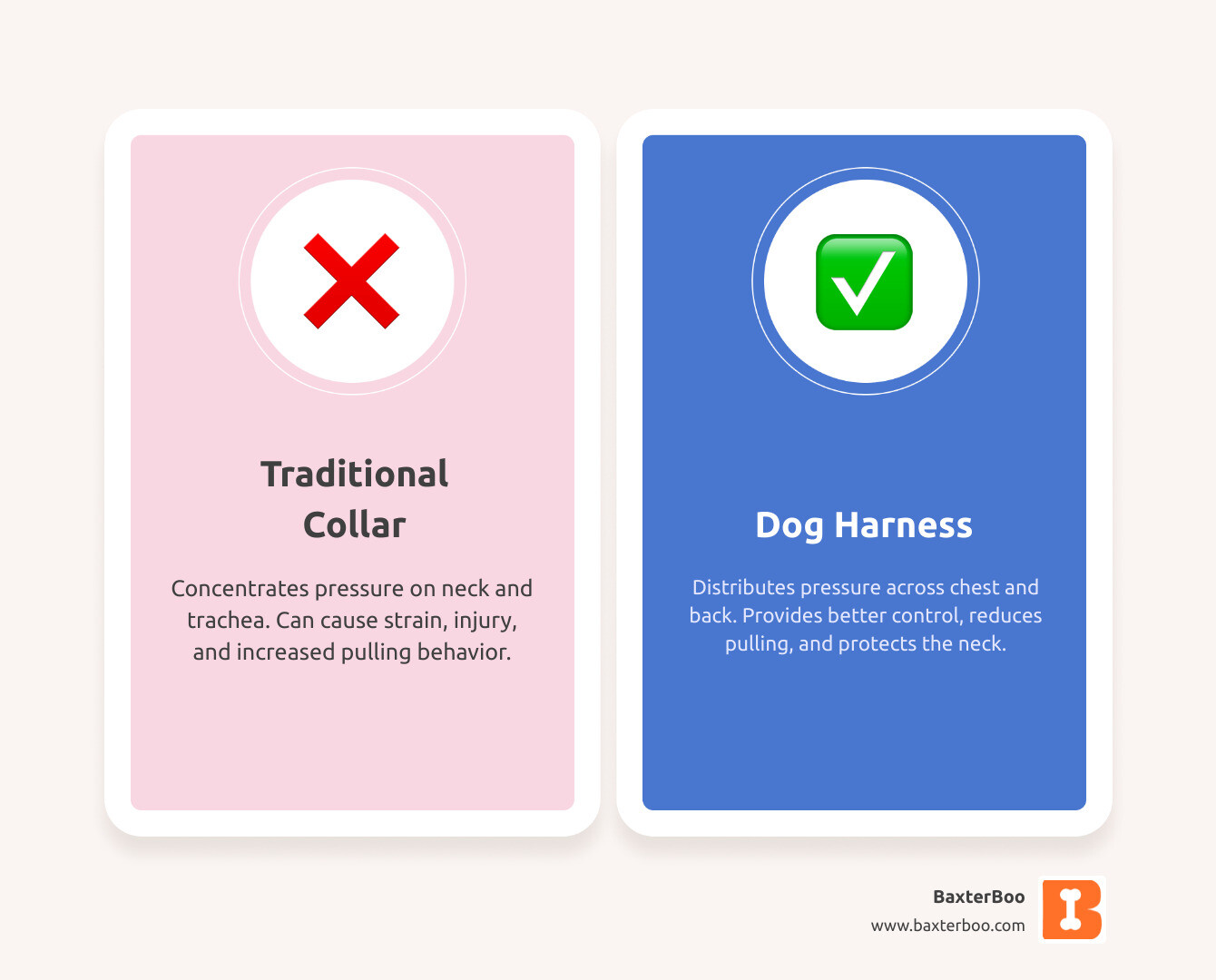
Harnesses distribute leash pressure across your dog's chest and back instead of concentrating it on their neck and throat. This makes them especially important for dogs with neck problems, puppies, smaller breeds, and any dog that tends to pull. As one satisfied customer noted, their harness "Made our walks 10x better and more enjoyable."
Whether you're dealing with a determined puller, have a tiny pup with a delicate throat, or simply want better control during neighborhood strolls and hiking adventures, there's a harness designed for your specific needs. The key is understanding the different types available and finding the right fit for your dog's size, breed, and walking habits.
Why a Harness is a Game-Changer for Your Walks
For many dog owners, the daily walk is a cherished ritual, but it can quickly become a tug-of-war if your dog is a strong puller. This is where a dog harness shines, offering a multitude of benefits over a traditional collar. We've seen countless pet parents switch to harnesses and report a significant improvement in their walking experience.
Benefits of Using a Dog Harness Compared to a Collar:
- Better Control: Harnesses provide superior control, especially for dogs that tend to pull or lunge. Instead of pulling on your dog's neck, a harness allows you to steer them more effectively from their chest or back. This can make walks much more manageable and enjoyable for both of you.
- Prevents Neck Strain and Tracheal Safety: One of the most crucial advantages is that harnesses distribute pressure across your dog’s chest and back, taking it off their delicate neck and throat. This is vital for small breeds, puppies, or dogs with pre-existing neck or tracheal issues, where a collar could cause serious injury or exacerbate conditions like a collapsed trachea. As experts point out, "Harnesses take leash pressure off a dog’s neck and distribute it more evenly over their body, which many dogs find more comfortable."
- Reduces Pulling Behavior: While a harness won't magically stop pulling (that's where training comes in!), it can be an excellent tool to help manage and reduce it. Certain harness designs, particularly front-clip options, work by gently redirecting your dog's forward motion when they pull, making it less effective for them to tug. This can be a game-changer for teaching better leash manners.
- More Secure, Less Escape Risk: For dogs that are expert escape artists and can slip out of collars, a properly fitted dog harness offers a much more secure solution. The multiple straps around the body make it significantly harder for a dog to back out and run free, giving you greater peace of mind.
- Discourages Jumping: When a dog jumps up, a collar can put uncomfortable pressure on their neck. A harness, by distributing the pressure, can make jumping less rewarding and less painful for the dog, indirectly discouraging the behavior during walks or greetings.
- Ideal for Training: Harnesses are valuable tools for training. Side attachments, for instance, have become popular as they "gently guide the dog in the right direction." This can be particularly useful for teaching loose-leash walking or specific commands without causing discomfort or potential harm to your dog's neck. A well-fitted harness can lead to a more relaxed and enjoyable walk for both you and your dog, helping them feel calmer by reducing excitable behaviors.
For a deeper dive into the features that make a harness truly beneficial, you can explore more insights on Features to Look For in the Best Dog Harness . Products like the Comfort X Dog Harness Gooby Black exemplify the comfort and design benefits we look for in quality harnesses.
How to Choose the Right Dog Harness
Choosing the right dog harness is like finding the perfect pair of shoes—it needs to fit well, be comfortable, and suit the activity. With so many options available, it can feel a bit overwhelming, but we're here to help you steer the choices. Our goal is to help you select a harness that ensures your dog's comfort, safety, and your peace of mind.
When selecting a dog harness, consider your dog's breed, size, temperament, and activity level. Do they pull like a freight train, or do they stroll calmly by your side? Do they have short hair prone to chafing, or are they a fluffy powerhouse? These factors will guide your decision on material choice (like breathable mesh or padded straps) and whether reflective elements are necessary for low-light walks. It’s always a good idea to consult your veterinarian or a dog trainer for recommendations if you're unsure.
Sizing and Proper Fit for Your Dog's Harness
A properly fitted dog harness is paramount for both comfort and safety. A harness that's too tight can cause chafing, skin irritation, and restrict movement, while one that's too loose can allow your dog to slip out, posing a serious safety risk.
Here's how we recommend ensuring the perfect fit:
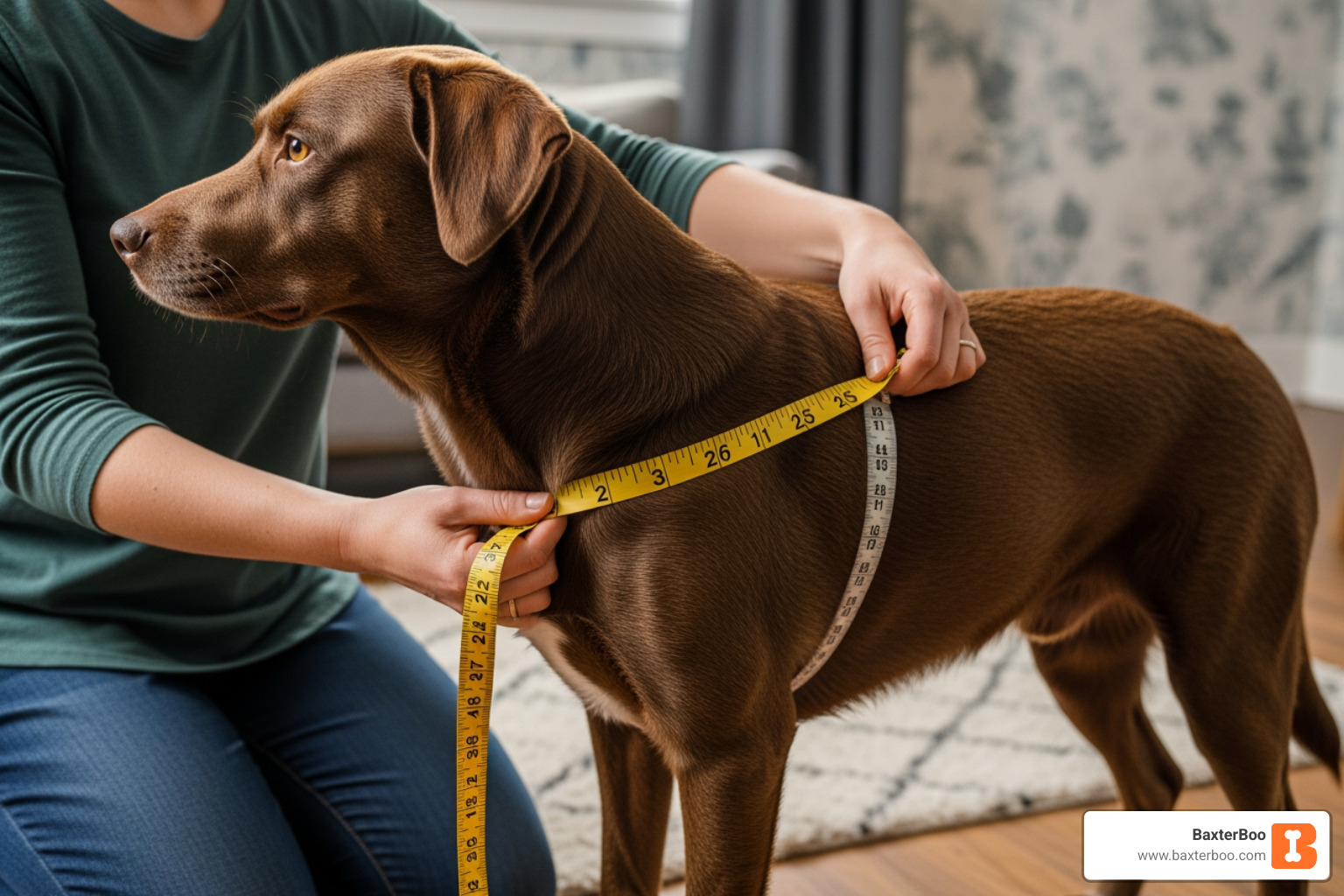
- Measure Accurately: Before you even start looking at harnesses, measure your dog! The most critical measurement is around their chest girth, which is the widest part of their rib cage, just behind their front legs. Some harnesses also require a neck measurement. Always refer to the specific sizing chart provided by the manufacturer.
- The Two-Finger Rule: Once you have the harness on your dog, perform the "two-finger rule." For small dogs, you should be able to comfortably slip one finger between each strap and your dog's skin. For larger dogs, you should be able to slip two fingers. The harness should be snug enough that it doesn't shift excessively, but not so tight that it pinches or restricts breathing or movement.
- Check for Chafing and Shoulder Movement: After a short walk or wearing session, check areas where the harness straps lie, especially under the armpits, for any signs of redness, rubbing, or irritation. Our expertly curated selection includes harnesses with chafe-resistant straps and breathable materials to prevent discomfort. Ensure the harness doesn't restrict your dog's natural shoulder movement, allowing them plenty of room to move comfortably.
- Adjustable Straps are Key: Look for harnesses with adjustable neck and chest straps. This allows for a custom fit that can be fine-tuned as your dog grows or if their weight fluctuates. The Puppia Luke Checkered Adjustable Dog Harness Aqua is a great example of a harness designed for adjustability and comfort.
- Keep Instructions Handy: It may take a few tries to properly fit and adjust a new harness. We always recommend keeping the packaging and instructions until you've successfully fitted and used the harness a few times.
The Main Types of Dog Harnesses
The world of dog harnesses is diverse, with designs custom for various needs and behaviors. Understanding the different types of dog harnesses will help you choose the best one for your furry friend. Here's a breakdown of the most common types we offer:
| Harness Type | Ease of Use | Pull Control | Best Use Case -| | Step-in Harness | Easy to put on, especially for dogs who dislike things going over their head. | Moderate | Good for everyday walks with dogs that don't pull excessively, like the Coralpina Reflective Mesh No Pull Step In Dog Harness. | | Vest Harness | High comfort, often padded. Easy to put on. | Varies | Excellent for small breeds, dogs with sensitive skin, or for providing extra warmth. A great example is the Puppia Soft Harness Dog Vest. | | No-Pull Harness | May require some initial adjustment. | High | Specifically designed to discourage pulling by redirecting the dog's forward motion. Ideal for training. | | Car Safety Harness| Designed for car travel, often requires buckling into the seatbelt system. | N/A | Essential for safely securing your dog in a vehicle. Many are crash-tested. | | Tactical Harness | Often more complex with multiple buckles and adjustment points. | High | Built for durability and functionality, often with MOLLE webbing for attaching gear, like the EzyDog Convert Dog Harness. |
Our Top Harness Picks for Every Pup
With so many great options, choosing the right harness can be tough. We've rounded up some of our top picks to help you find the perfect match for your furry friend, whether they're a strong puller, a frequent traveler, or a tiny fashionista.
Best No-Pull Dog Harness Options
For dogs that tend to pull on the leash, a no-pull harness can be a lifesaver. These harnesses often feature a front-clip design that gently redirects your dog's forward momentum, discouraging pulling without causing discomfort. The 2 Hounds Design Freedom No Pull Dog Harness in Teal is a popular choice, offering both a front and back clip for versatile control and training. Another excellent option is the Dogline Quest Multipurpose No Pull Dog Harness, which provides a secure and comfortable fit while helping to manage pulling behavior.
Best for Car Travel and Safety
Ensuring your dog's safety in the car is paramount. A crash-tested car safety harness is designed to secure your pet and prevent them from becoming a distraction. Look for features like heavy-duty construction and a seatbelt loop-through. The Sleepypod Clickit Terrain Plus Car Safety Dog Harness in Olive Green is a top-rated, crash-tested option that provides ultimate protection. For more information on choosing the right car restraint, check out this guide on How to Select a Harness and explore our full range of car harnesses.
Best for Everyday Comfort and Style
For daily walks and small dogs, comfort and style are key. A lightweight, choke-free harness made from breathable materials is ideal. The American River Ultra Choke Free Dog Harness by Doggie Design is a fantastic choice, known for its easy-to-use design and comfortable fit. If you're looking for a touch of flair, the Susan Lanci Spring Garden Tinkie Dog Harness in Royal Blue combines fashion with function, ensuring your pup is the most stylish one at the park.
Getting Your Dog Comfortable in Their New Harness
Introducing a new harness to your dog should be a positive and gradual process. The key is to create a positive association with the harness from the very beginning. Start by letting your dog sniff and investigate the new gear. Reward their curiosity with praise and tasty Bixbi Pocket Trainers Peanut Butter Flavor Dog Treats.
Keep the initial sessions short. Put the harness on for a few minutes at a time inside the house, offering plenty of rewards. Once they are comfortable wearing it, you can try a short walk. Always double-check the fit before heading out to ensure it's snug but not too tight. With patience and proper adjustment, you can make wearing a harness a positive experience for your dog, signaling it's time for a fun adventure.
Conclusion
Choosing the right dog harness is a simple step that can significantly improve your dog's safety, comfort, and your overall walking experience. By distributing pressure away from the neck, a good harness prevents injury, reduces pulling, and gives you better control. From no-pull designs for training to extra-padded vests for comfort, there's a perfect harness for every dog and every adventure. At BaxterBoo, we've curated a selection of high-quality harnesses to meet the unique needs of your best friend. Explore our full range of dog harnesses and make every walk an adventure.