
 Save 15% on your 1st Autoship learn more

 Email us
 Live Chat
 FAQs





Introduction
You are relaxing on the sofa with your cat when you notice something unusual. As you run your hand down their back, a small cloud of white flakes appears on their fur and settles on your clothes. You might also notice that your cat seems to be losing more hair than usual, or perhaps their coat feels a bit greasy or coarse. This combination of dandruff and shedding is a common concern for pet owners, but it is rarely a reason to panic.
At BaxterBoo, we know that your cat’s coat is a direct reflection of their internal health. While a few flakes might just mean the air in your home is a bit dry, persistent dandruff often points to underlying issues with nutrition, grooming, or environmental factors. This guide will help you understand why these flakes appear and how you can support your cat’s skin health. We will cover everything from simple grooming changes to when it is time to consult your veterinarian about our pharmacy services.
Understanding the Difference Between Dandruff and Dander
It is common to use the terms dandruff and dander interchangeably, but they are quite different. Every healthy cat produces dander. These are microscopic dead skin cells that shed naturally as the skin renews itself. Because dander is so small, you cannot see it with the naked eye. It is the protein found in this dander that usually triggers allergies in humans.
Dandruff is a different story. These are larger, visible flakes of skin that have clumped together. When a cat has dandruff, the skin is shedding cells faster than normal, or the natural oils on the skin are out of balance. If you see white specks on your cat’s back or at the base of their tail, you are looking at dandruff.
Quick Answer: Cat dandruff consists of visible white flakes of dead skin cells often caused by dry skin, poor grooming, or health issues. Unlike normal dander, which is microscopic, dandruff is a sign that the skin barrier needs attention.
Cat Skin & Coat Care





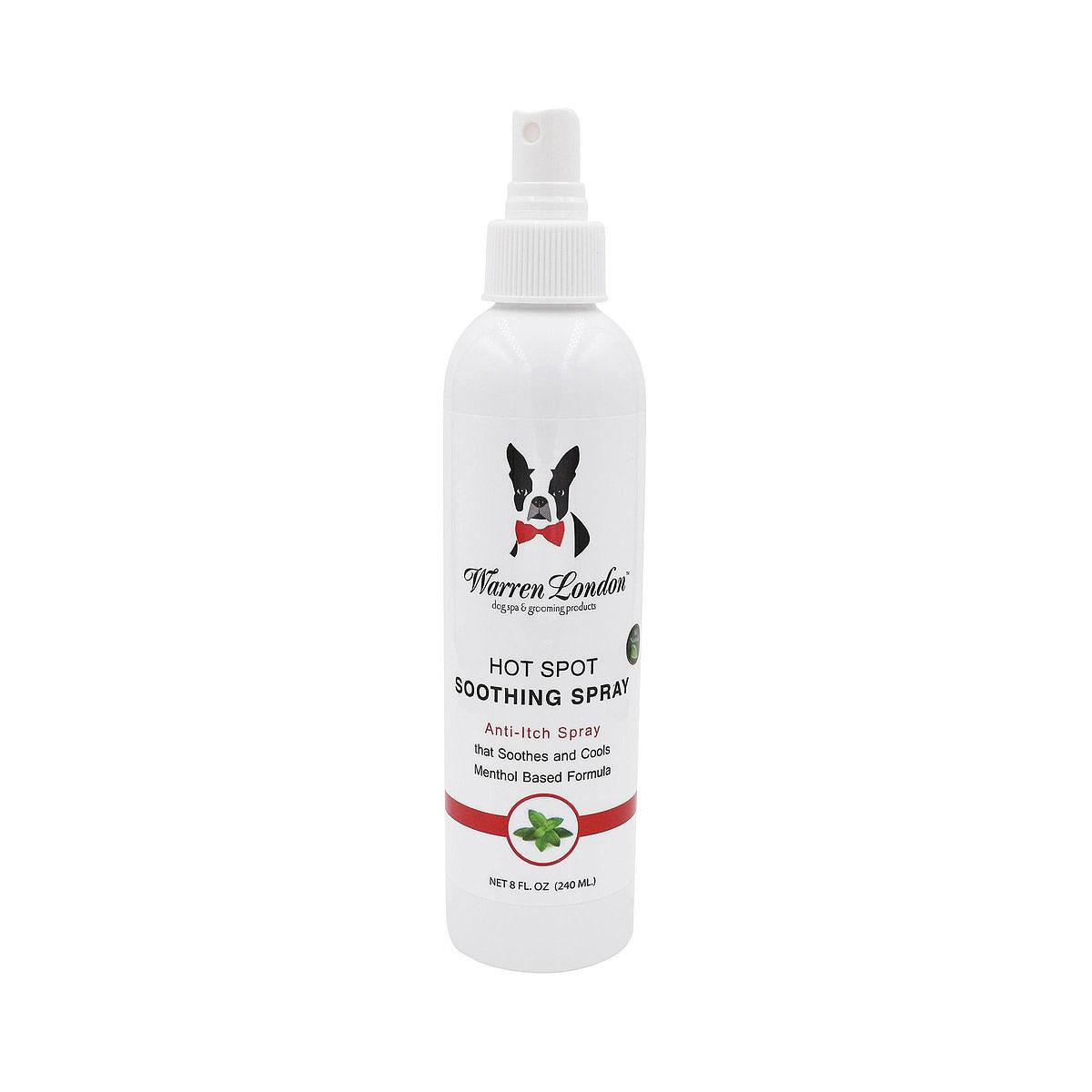

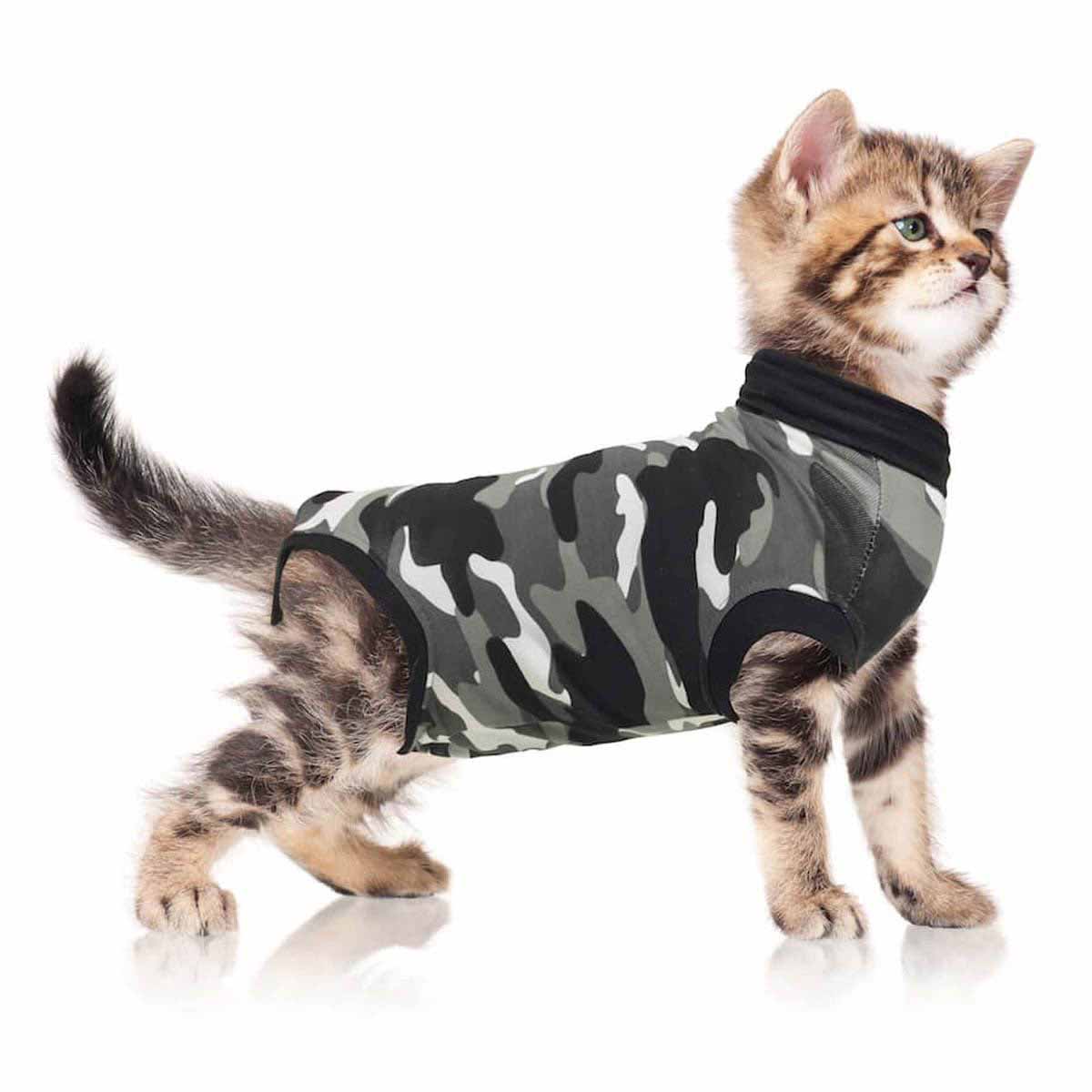


Why Your Cat Is Shedding and Flaking Together
Shedding is a natural process for cats, but it often increases when dandruff is present. The skin and the hair follicles are closely linked. When the skin is dry, irritated, or inflamed, the hair follicles become weaker. This leads to hair falling out more easily.
If your cat is not grooming effectively, the dead hair stays trapped in the coat along with the skin flakes. This creates a cycle where the coat looks dull, the skin cannot breathe, and the dandruff becomes more prominent. Helping your cat manage their coat requires looking at why the skin is behaving this way in the first place.
Common Causes of Feline Dandruff
Most cases of dandruff come down to a few lifestyle factors. Understanding these can help you make small changes at home that lead to big improvements in your cat's comfort.
Environmental Dryness
Just like humans, cats can suffer from dry skin when the humidity drops. This is most common in the winter months when indoor heating systems strip moisture from the air. The skin loses its hydration, becomes itchy, and begins to flake off in visible white specks.
Nutritional Deficiencies
The skin is the largest organ on a cat’s body. It requires a significant amount of protein and specific fats to remain healthy. If a cat is eating a diet low in Omega-3 and Omega-6 fatty acids, the skin barrier weakens. This leads to moisture loss and flaking. At BaxterBoo, we handpick brands that prioritize high-quality proteins and healthy fats to ensure your cat's skin stays supple. You can explore our cat food category when reviewing your cat’s nutritional options.
Obesity and Mobility Issues
A healthy cat is a meticulous groomer. However, if a cat is carrying extra weight, they may not be able to reach certain parts of their body, particularly the lower back and the base of the tail. Similarly, senior cats with arthritis may find it painful to twist and turn for a deep clean. When the cat stops grooming these areas, dead skin and loose fur build up, resulting in noticeable dandruff.
Key Takeaway: Dandruff is often a secondary symptom of a physical limitation like obesity or arthritis which prevents a cat from performing their normal grooming routine.
Health Conditions That Cause Flaking
Sometimes, dandruff is a sign that something more complex is happening inside your cat's body. If the skin is very red, or if the flaking is accompanied by scabs or intense itching, it is time to look deeper.
Parasites and Walking Dandruff
External parasites are a common culprit for skin issues. While fleas are the usual suspects, there is also a specific mite called Cheyletiella. This condition is often nicknamed walking dandruff because the mites are large enough to see, and as they move under the scales of the skin, it looks like the dandruff is moving.
Fungal and Bacterial Infections
Ringworm is a common fungal infection that causes circular patches of hair loss and heavy scaling. Bacterial infections can also cause the skin to produce excess oil or crusty flakes. Both conditions require a diagnosis from a veterinarian to ensure the right treatment is used.
Systemic Health Issues
Certain internal conditions can change the way your cat’s skin functions. Diabetes, hyperthyroidism, and kidney disease can all affect skin hydration and coat quality. If your cat has dandruff along with changes in thirst, appetite, or energy levels, a vet visit is essential.
The Role of Professional Care and Pharmacy Support
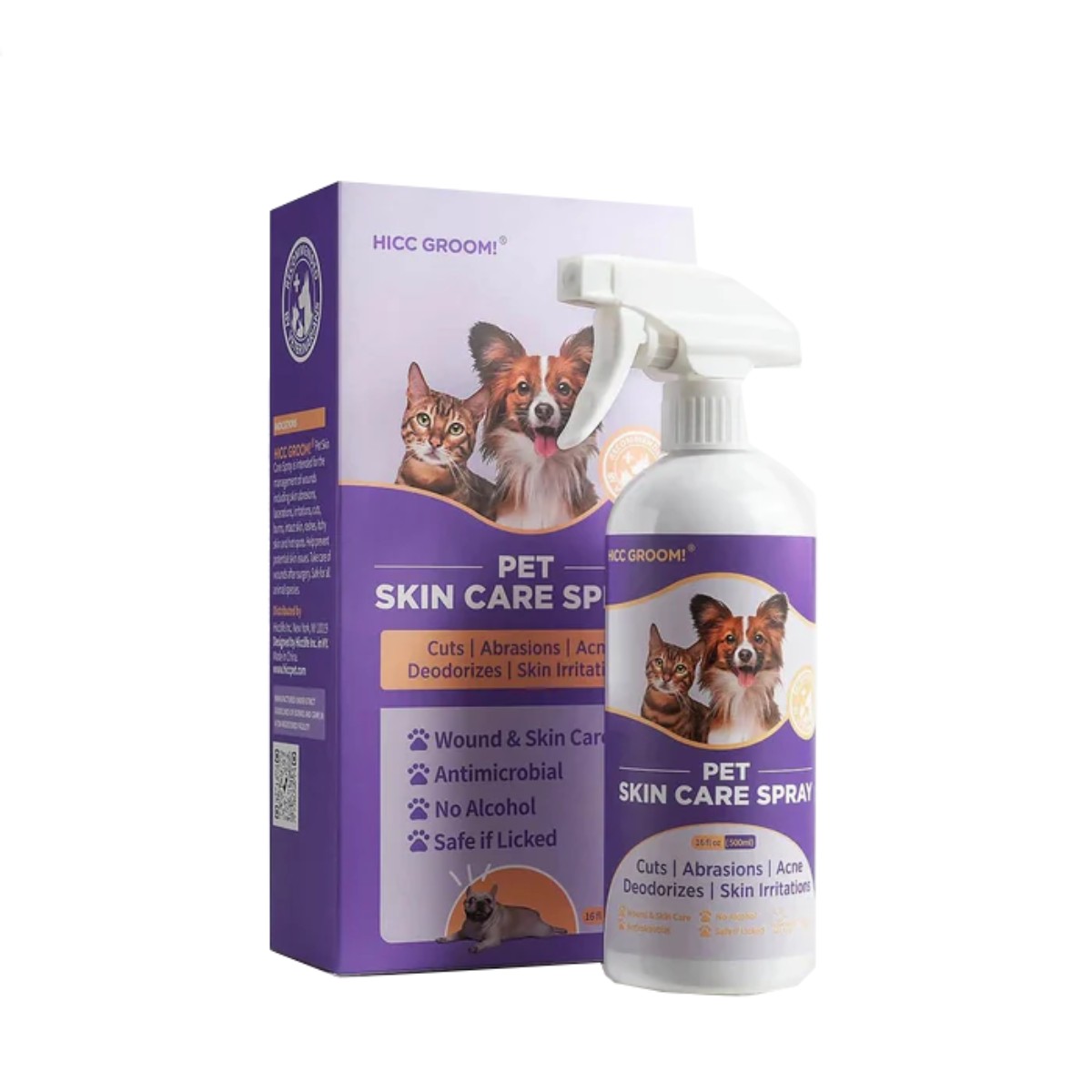
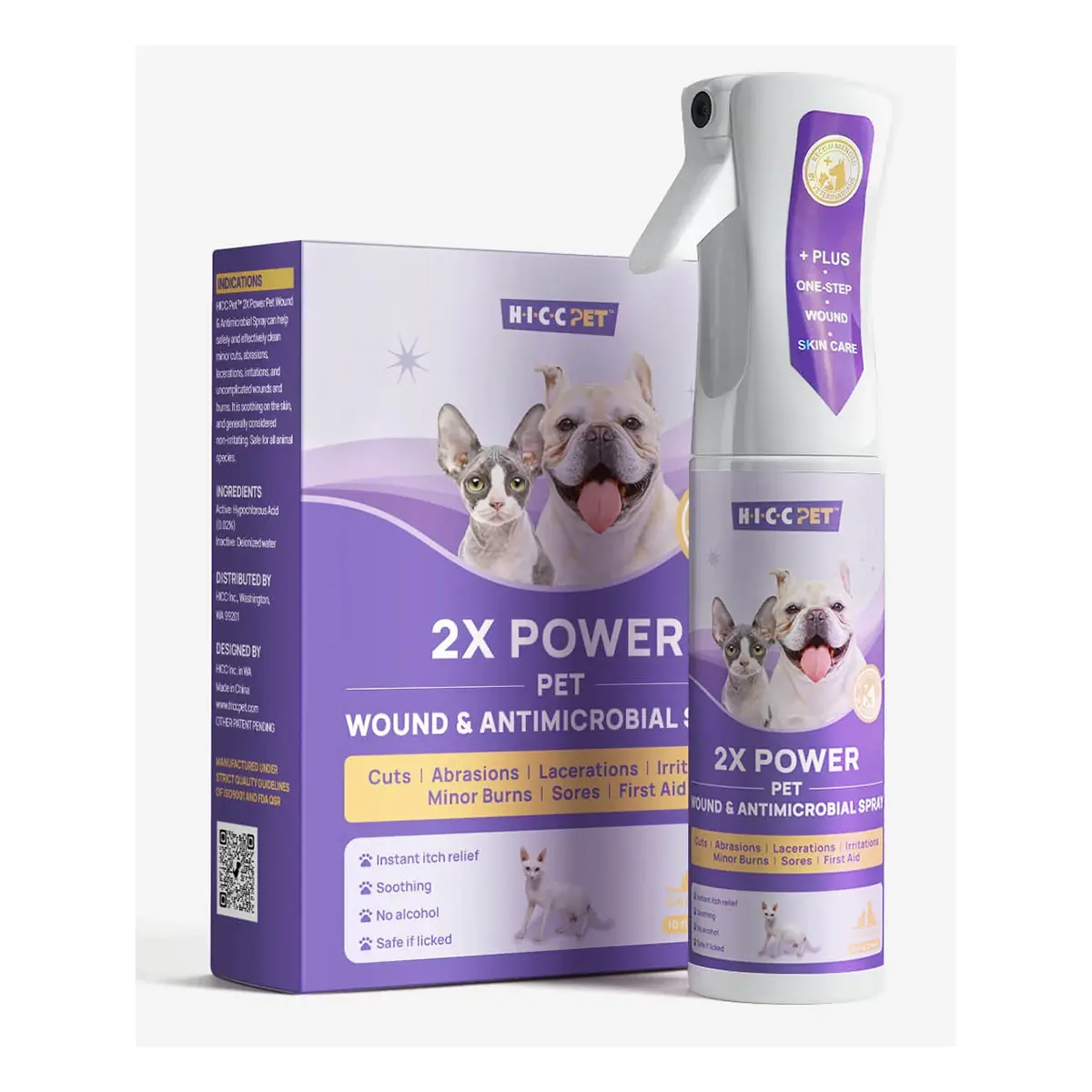
When home grooming and diet changes are not enough, medical intervention may be necessary. Our cat pharmacy offers a wide range of medications for cats. This is particularly important for cats dealing with chronic conditions or persistent parasitic infections.
If your vet determines that your cat’s skin issues are caused by allergies or a specific medical condition, they may prescribe:
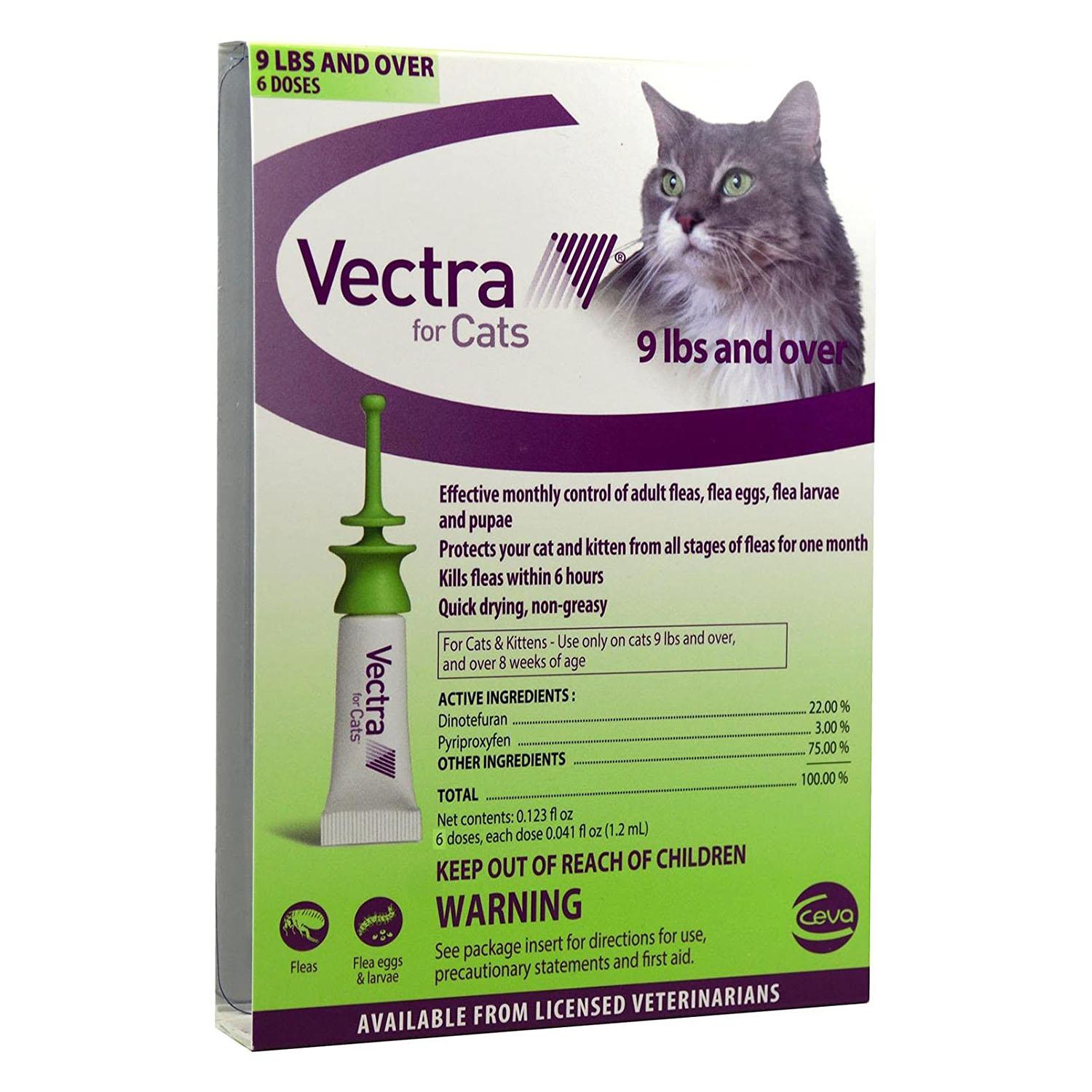
- Prescription-strength flea and tick preventives.
- Medicated shampoos or topical treatments.
- Prescription diets specifically formulated for skin sensitivities.
- Medications for underlying conditions like hyperthyroidism.
Vet Tip: If you notice your cat is losing hair in patches, has red sores, or seems constantly itchy, please consult your veterinarian. They can provide a proper diagnosis and a prescription that can be filled through our pharmacy partnership.
Managing Dandruff Through Proper Grooming
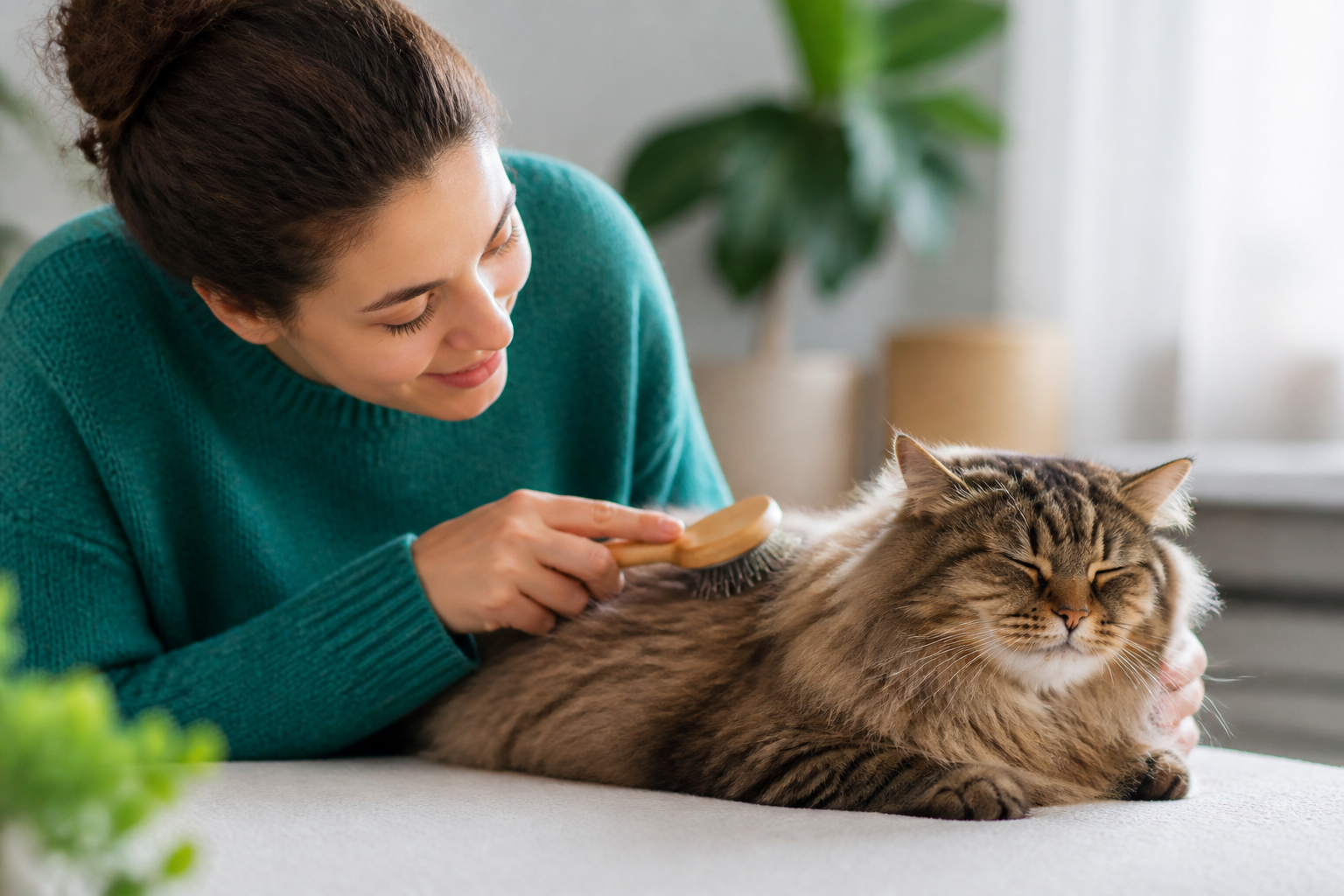
Consistent grooming is one of the most effective ways to reduce dandruff and shedding. When you brush your cat, you are doing more than just removing loose hair. You are distributing the natural oils across the skin and stimulating circulation. Our cat grooming supplies include brushes, combs, wipes, and other tools for regular coat care.
Choosing the Right Tools
Different coats require different tools. We carry a variety of options from trusted brands like Jackson Galaxy and RC Pets to help you get the job done.
- Slicker Brushes: These are excellent for removing loose fur and dander from the undercoat.
- Rubber Brushes: These are gentle on the skin and great for short-haired cats who might find wire bristles too harsh.
- Fine-Toothed Combs: These help pull out existing flakes and can even help you spot flea dirt or mites.
Establishing a Routine
If your cat is not used to being brushed, start slowly. Aim for two to three minutes a day and focus on the areas where the dandruff is most visible.
Step 1: Choose a calm time. Wait until your cat is relaxed and sleepy.
Step 2: Start with gentle strokes. Use a soft brush to get them used to the sensation.
Step 3: Target the problem areas. Gradually move to the lower back and tail base where flakes often accumulate.
Step 4: Reward your cat. Use a healthy treat to create a positive association with grooming.
For additional grooming guidance, read our article about why cats need their whiskers, which also discusses gentle grooming around the face.
Nutritional Support for Healthy Skin
What goes into your cat is just as important as what you put on their coat. Nutrition is the foundation of skin health. We suggest looking for foods that list high-quality animal proteins as the first ingredient. Brands like Farmina, Royal Canin, and Stella and Chewy's offer formulas specifically designed to support the skin and coat.
Essential Fatty Acids
Omega-3 and Omega-6 fatty acids are vital. These fats help maintain the skin's moisture barrier. If your current food is lacking these, you might consider a supplement from brands like Zesty Paws or Honest Paws. These can often be added directly to your cat’s meals. You can also browse our cat healthcare category for supplements and other wellness products.
Hydration Matters
Dehydrated skin is flaky skin. Cats often have a low thirst drive, so it is important to encourage them to drink. Switching to a wet food diet or using a cat water fountain can help increase their daily water intake. Brands like Tiki Cat and Fussie Cat offer high-moisture options that cats find very appealing.
When to See Your Veterinarian
While a little bit of dandruff is often harmless, you should watch for red flags. Skin health is a window into the rest of the body, and ignoring symptoms can lead to bigger problems later.
Schedule an appointment if you notice:
- The skin is red, inflamed, or bleeding.
- Your cat is grooming so much they are creating bald spots.
- The dandruff is accompanied by a foul odor.
- There are black flecks in the fur (flea dirt).
- Your cat seems lethargic or has a change in appetite.
Key Takeaway: Most dandruff can be managed with better nutrition and grooming, but sudden or severe changes always warrant a professional medical opinion.
The BaxterBoo Hybrid Model
We are more than just an online store. We operate a real warehouse superstore in Vernon Hills, Illinois. This means the people picking your orders actually know and love pets. Since 2006, we have curated a selection of over 500 brands to ensure you have access to the best products on the market.
Whether you prefer the convenience of online ordering for home delivery or you want to stop by our warehouse for a local pickup, we are here to help. Our team handpicks every product, from the smallest toy to the most specialized prescription diet available through our pharmacy.
Simple Home Remedies for Dry Air
If you suspect the air in your home is the primary cause of your cat's dandruff, there are a few simple fixes.
- Use a Humidifier: Running a humidifier in the rooms where your cat spends the most time can make a massive difference in their skin hydration.
- Lower the Heat: Excessive dry heat from a furnace can zap moisture from the skin. Keeping the temperature a few degrees lower can help.
- Water Bowls: Placing a few extra water bowls around the house can encourage your cat to stay hydrated, which keeps their skin supple from the inside out.
Summary of Management Steps
Managing a cat with dandruff and shedding is a multi-step process. It requires patience and a bit of trial and error to see what works best for your specific pet.
- Check the Diet: Ensure they are getting enough protein and essential fatty acids.
- Daily Brushing: Use the right tools to remove dead skin and distribute oils.
- Weight Management: Keep your cat at a healthy weight so they can groom themselves effectively.
- Environmental Control: Add moisture to the air during dry months.
- Medical Support: Use our pharmacy for flea prevention and prescription needs.
Bottom line: Consistent grooming and high-quality nutrition are the two most powerful tools you have to eliminate cat dandruff and keep shedding under control.
Conclusion
Seeing dandruff and extra shedding on your cat can be frustrating, but it is a manageable condition. By focusing on high-quality nutrition, regular grooming with the right tools, and a comfortable home environment, you can help your cat regain their glossy, flake-free coat. Remember that your veterinarian is your best resource for ruling out underlying health issues, and our pharmacy is here to provide the medications they may recommend.
At BaxterBoo, we are committed to helping you provide the best possible care for your pets. Whether you are earning rewards through our MVP Rewards programme or saving time with our Autoship programme, we want to make pet care simple and affordable.
Next Step: Explore our skin and coat care collection or browse our pet pharmacy for veterinarian-approved solutions for your cat's health needs.
FAQ
Can I use human dandruff shampoo on my cat?
No, you should never use human dandruff shampoo on a cat. Human skin has a different pH balance than feline skin, and many human products contain ingredients that are toxic to cats if swallowed during grooming. Always use a shampoo specifically formulated for felines or consult your vet for a medicated recommendation.
Is cat dandruff the same as flea eggs?
While they may both look like small white specks, they are different. Dandruff is usually flat, irregular in shape, and sticks to the hair or skin. Flea eggs are more oval, like tiny grains of salt, and they typically roll off the fur easily. If you see white specks along with tiny black dots (flea dirt), your cat likely has fleas.
How long does it take for a cat’s dandruff to clear up?
It generally takes about three to four weeks to see a significant change in your cat's skin and coat. This is because it takes time for the skin cells to renew and for nutritional changes, like adding Omega fatty acids, to take effect. Consistency with grooming and diet is key during this period.
Does my indoor cat really need flea prevention for dandruff?
Yes, even indoor cats can get fleas, which are a major cause of skin irritation and dandruff. Fleas can be brought in on your clothes or by other pets that go outside. Keeping your cat on a regular preventive from our pharmacy is the best way to rule out parasites as a cause for flaky skin.






- Site & Contents BaxterBoo.com. BaxterBoo is located in the United States.
- Privacy & Security
- Terms of Use
- Accessibility Statement
