
 Save 15% on your 1st Autoship learn more

 Email us
 Live Chat
 FAQs





Introduction
You are relaxing on the couch with your cat when you notice a dusting of white flakes along their back. While you might first think of human hair care, cats can also experience dry and flaky skin. This is a common issue that many pet owners face. At BaxterBoo, we understand that a shiny coat is a sign of a happy and healthy cat. This guide will walk you through the most effective home remedies to manage those stubborn flakes. We will explore why these skin changes happen and how you can use simple tools and dietary adjustments to help. You will also learn when a home remedy is enough and when you need to seek professional veterinary care. Our goal is to provide you with practical steps to keep your cat comfortable and flake-free.
Identifying Cat Dandruff vs. Normal Shedding
It is important to distinguish between normal skin shedding and actual dandruff. All cats have dander. Dander consists of microscopic dead skin cells that shed naturally as the skin renews itself. You generally cannot see dander with the naked eye. It is perfectly healthy and helps make room for new skin cells.
Dandruff is different because the flakes are large enough to see. These white or gray specks usually get caught in the fur or end up on your furniture and clothing. If you see these visible flakes, the skin is likely overly dry or irritated. Some cats might also have a greasy form of dandruff where the skin produces too much oil. This causes the dead skin to clump together in yellowish flakes.
Quick Answer: Cat dandruff is the visible shedding of dead skin cells in large white or gray flakes. It differs from dander, which is microscopic and a normal part of healthy skin renewal.
Cat Skin & Coat Care












Primary Causes of Flaky Skin in Cats
Before you start a treatment, you need to know why the flakes are appearing. Several factors contribute to skin issues in felines. Understanding these causes helps you choose the right home remedy cat dandruff solution.
Environmental Factors and Low Humidity
The air inside your home plays a huge role in your cat's skin health. During the winter months, indoor heating systems strip moisture from the air. This creates a low-humidity environment that dries out the skin. Cats who spend a lot of time near heat vents or radiators are especially prone to this. You might notice the dandruff appearing more frequently when the seasons change and the heater stays on.
Nutritional Deficiencies
A cat's skin and coat require specific nutrients to stay supple. If a diet lacks essential fatty acids, the skin barrier weakens. This leads to moisture loss and flaking. Lower quality foods sometimes lack the necessary concentration of Omega-3 and Omega-6 fatty acids. These fats are vital for maintaining the oily layer that protects the skin.
Grooming Challenges in Senior or Overweight Cats
Cats are famous for their grooming habits, but sometimes they cannot keep up. Senior cats often develop arthritis or joint stiffness. This makes it painful for them to reach certain areas like the lower back or the base of the tail. Similarly, overweight cats may have physical limitations that prevent them from reaching around to clean themselves. When a cat stops grooming, dead skin cells and natural oils build up, leading to visible dandruff.
Key Takeaway: Environmental dryness and physical limitations are the most frequent triggers for visible skin flakes in otherwise healthy cats.
- Check for low humidity in your home during winter.
- Monitor your cat for signs of joint stiffness or reduced mobility.
- Evaluate whether your cat can reach their entire back during grooming sessions.
- Look for signs of weight gain that might hinder self-cleaning.
Practical Home Remedy Cat Dandruff Treatments
Once you have identified the likely cause, you can start using home remedies. These methods focus on adding moisture back to the skin and helping your cat with their daily maintenance.
Improving Your Brushing Routine
The most immediate home remedy for cat dandruff is regular brushing. This process manually removes the dead skin cells before they can flake off on your furniture. It also stimulates the skin to produce natural oils. Brushing helps distribute these oils evenly across the entire coat.
If your cat is older or has sensitive skin, choose a soft-bristled brush or a grooming glove. These tools are gentler than metal combs. For cats with thick or long fur, a fine-tooth comb can help reach the undercoat where flakes often hide. Try to keep sessions short and positive. Use treats to make the experience something your cat looks forward to each day. The U-Groom Combo Brush for Dogs and Cats offers both pin bristles and boar bristles for everyday coat care.
Hydration and Wet Food Transitions
Hydration starts from the inside out. Many cats do not drink enough standing water. In the wild, cats get much of their moisture from their prey. A diet consisting only of dry kibble can leave a cat slightly dehydrated, which shows up first on the skin.
Transitioning your cat to include more wet food is an excellent home remedy. Wet food has a much higher water content than dry food. If your cat is picky, you can try adding a little warm water or plain tuna juice to their current meals. Providing a pet water fountain can also encourage more frequent drinking. Cats are often attracted to moving water more than a still bowl. Explore our cat food selection when comparing wet and dry meal options.
Omega Fatty Acid Supplementation
Adding supplements to your cat's diet can significantly improve skin elasticity. Omega-3 fatty acids, often derived from fish oil, help reduce inflammation and support the skin barrier. Brands like Zesty Paws or Honest Paws offer targeted skin and coat supplements that are easy to mix into food.
Always look for supplements specifically formulated for cats. Do not use human fish oil supplements. They often contain different concentrations or added ingredients like Vitamin D that can be toxic to pets. We carry a variety of high-quality supplements at BaxterBoo that focus on coat health and skin moisture. One option is Zesty Paws Wild Alaskan Salmon Oil Skin & Coat Supplement for Dogs & Cats.
Bottom line: Brushing your cat daily and increasing their water intake are the most effective ways to manage mild dandruff at home.
Using Environmental Adjustments
Small changes to your home can make a big difference for a flaky cat. Since dry air is a major culprit, a humidifier is one of the best investments you can make. Placing a humidifier in the room where your cat spends the most time adds much-needed moisture back into the environment.
You should also look at the cleaning products you use. Harsh chemicals on floors or laundry detergents used on cat beds can cause contact dermatitis. This irritation leads to scratching and more dandruff. Switch to pet-safe, non-toxic cleaners to ensure your cat's skin is not being irritated by their surroundings.
Step 1: Install a humidifier. / Place it in the bedroom or living room where your cat naps most often to keep the air moist.
Step 2: Swap your cleaning supplies. / Use plant-based or fragrance-free detergents for any blankets or beds your cat uses.
Step 3: Manage heat access. / If your cat sleeps on a radiator, place a thick towel or a raised bed there to prevent direct heat from drying their skin.
When to Move Beyond Home Remedies
While many cases of dandruff are easy to fix at home, some require professional help. If the skin looks red, inflamed, or has sores, a home remedy may not be enough.
Identifying Walking Dandruff and Parasites
There is a specific condition called Cheyletiellosis, also known as walking dandruff. This is caused by tiny white mites that live on the skin. To the naked eye, it looks like regular dandruff, but if you look closely, you might see the flakes moving. This is a highly contagious parasitic infection that requires medical treatment.
Fleas are another common cause of skin irritation. Even indoor cats can get fleas. The scratching caused by flea bites damages the skin and leads to flaking. If you see black specks in your cat's fur, this is likely flea dirt rather than dandruff. A U-Groom Contoured Grip Flea Comb for Dogs and Cats can help you inspect the coat for fleas and debris.
Addressing Underlying Medical Conditions
Sometimes, dandruff is a symptom of a deeper internal issue. Conditions like hyperthyroidism, diabetes, or kidney disease can change the quality of a cat's skin and coat. These illnesses often make a cat feel too unwell to groom themselves properly. If you notice your cat is drinking more water than usual, losing weight, or acting lethargic, the dandruff is likely a side effect of a metabolic problem.
Vet Tip: Always consult a veterinarian if your cat's dandruff is accompanied by hair loss, intense itching, or visible skin redness. A professional diagnosis ensures you are not overlooking a parasitic infection or an underlying illness.
Our pharmacy carries a wide range of FDA-approved medications and prescription diets through our partnership with Pet's Choice. If your vet determines that the dandruff is caused by an allergy or a chronic condition, we can help you get the exact medication or therapeutic food your cat needs. Visit our cat pharmacy when your veterinarian recommends prescription support.
Essential Grooming Tips for Sensitive Skin
If you decide to bathe your cat to help with the flakes, proceed with caution. Most cats find baths stressful, and stress can actually worsen skin conditions. If a bath is necessary, use a moisturizing shampoo specifically designed for cats. Avoid human shampoos, as the pH balance of cat skin is very different from ours.
- Use lukewarm water, never hot.
- Choose a soap-free, hypoallergenic shampoo.
- Rinse thoroughly to ensure no residue is left behind to cause further itching.
- Pat the cat dry with a soft towel rather than using a loud hair dryer.
Many owners find that waterless shampoos or grooming wipes are a better alternative. These allow you to clean the coat and add moisture without the stress of a full bath. They are excellent for senior cats who may have trouble standing in a tub. Consider the Vet's Best Dry Clean Waterless Cat Bath for a no-rinse grooming option.
Key Takeaway: For most cats, waterless grooming options or damp cloth wipes are safer and less stressful than traditional baths for managing dandruff.
Conclusion
Managing cat dandruff is usually a matter of improving daily care and environmental conditions. By increasing brushing frequency, switching to a more hydrating diet, and adding Omega-3 supplements, you can often see an improvement within a few weeks. Remember to keep an eye out for signs of parasites or internal health changes that might require a trip to the vet. At BaxterBoo, we are here to support you with the tools and nutrition your cat needs for a lifetime of healthy skin. Check out our cat grooming supplies and supplements to start your cat's journey back to a glossy, flake-free coat. Using our Autoship program can also help you stay consistent with the food and supplements that keep your pet feeling their best.
FAQ
Can I use human dandruff shampoo on my cat?
No, you should never use human dandruff shampoo on a cat. These products are formulated for the pH levels of human skin and often contain ingredients that are toxic if a cat licks them. Always use a shampoo or topical treatment specifically labeled for feline use to avoid chemical burns or poisoning.
Is coconut oil a good home remedy for cat dandruff?
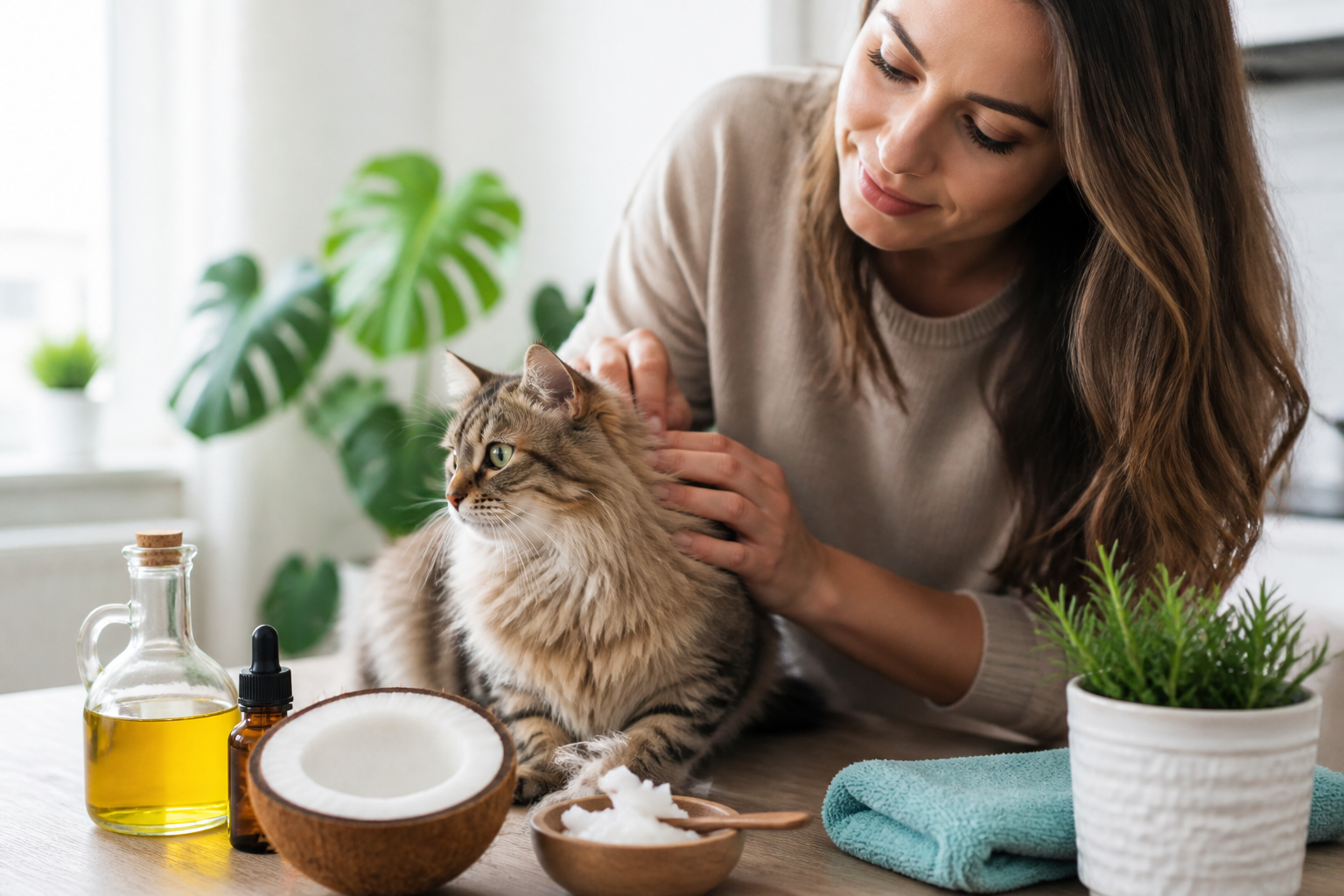
You can use a very small amount of organic, unrefined coconut oil as a topical treatment for dry patches. However, keep in mind that your cat will likely lick it off immediately. It is generally more effective to provide healthy fats through their diet or a dedicated fish oil supplement designed for pets.
How long does it take for home remedies to show results?
Skin cells take time to regenerate, so you should expect to wait three to four weeks before seeing a significant change. Consistency is vital during this time. You must keep up with daily brushing and dietary changes to see a long-term improvement in your cat's coat quality.
Why does my cat only get dandruff on the base of their tail?
The base of the tail is a common spot for dandruff because it is one of the hardest places for a cat to reach, especially if they have limited mobility. It is also an area with many oil glands. If a cat cannot groom this spot, oils and dead skin build up quickly, leading to more visible flaking.






- Site & Contents BaxterBoo.com. BaxterBoo is located in the United States.
- Privacy & Security
- Terms of Use
- Accessibility Statement
