
 Save 15% on your 1st Autoship learn more

 Email us
 Live Chat
 FAQs
FAQs





Introduction
You are relaxing on the sofa with your cat when you notice a sprinkling of white flakes across their fur. It looks like a light dusting of snow, but it is actually cat dandruff. You want to help your feline friend feel comfortable again, but you might not have a specialized shampoo on hand. At BaxterBoo, we understand that sudden skin issues can be a source of worry for any pet owner. This guide covers how to create a safe, effective homemade cat shampoo for dandruff using common household ingredients. We will also discuss why dandruff happens and when it is time to move beyond DIY solutions toward professional care. Understanding the balance of your cat's skin is the first step toward a flake-free coat.
Understanding Cat Dandruff
Dandruff in cats is more than just a cosmetic issue. It often points to an underlying lack of moisture or an imbalance in skin oils. While cats are famous for their grooming habits, they cannot always manage skin flaking on their own. Dandruff occurs when the skin cells mature and shed too quickly. This results in the visible white flakes you see on the surface of the fur. It can be caused by low humidity in your home, a diet lacking in essential fatty acids, or even an inability to groom properly due to age.
It is important to distinguish between simple dry skin and more serious conditions. If the skin looks red, inflamed, or has a greasy odor, your cat may have a condition called seborrhea. In these cases, a homemade wash might not be enough. You should always watch for signs of over-grooming or bald patches. These can indicate that the dandruff is making your cat itchy and uncomfortable.
Vet Tip: If your cat has persistent dandruff along with redness, scabs, or a foul odor, schedule an appointment with your veterinarian. These symptoms could indicate a fungal infection or parasites that require prescription treatment through our cat pharmacy.
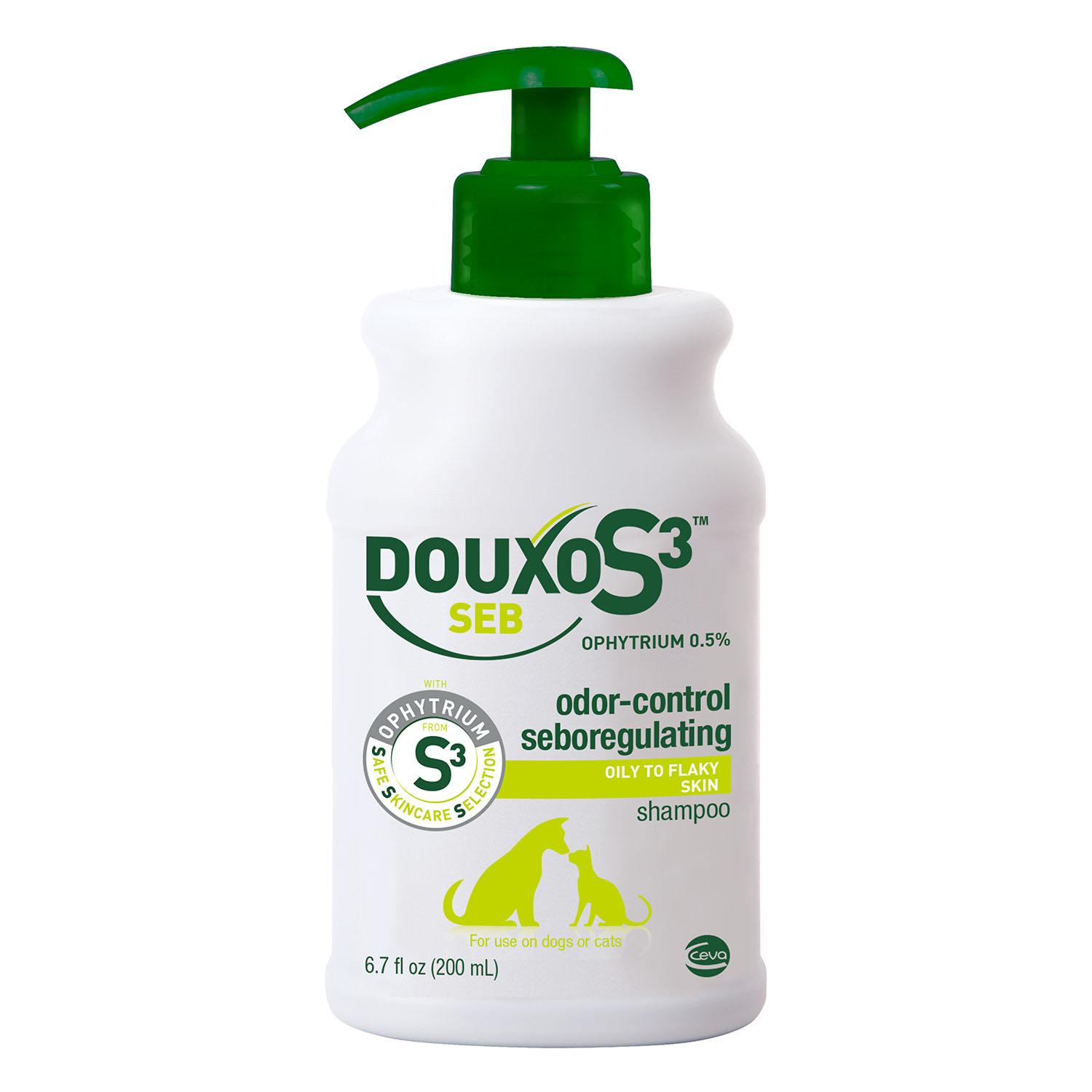
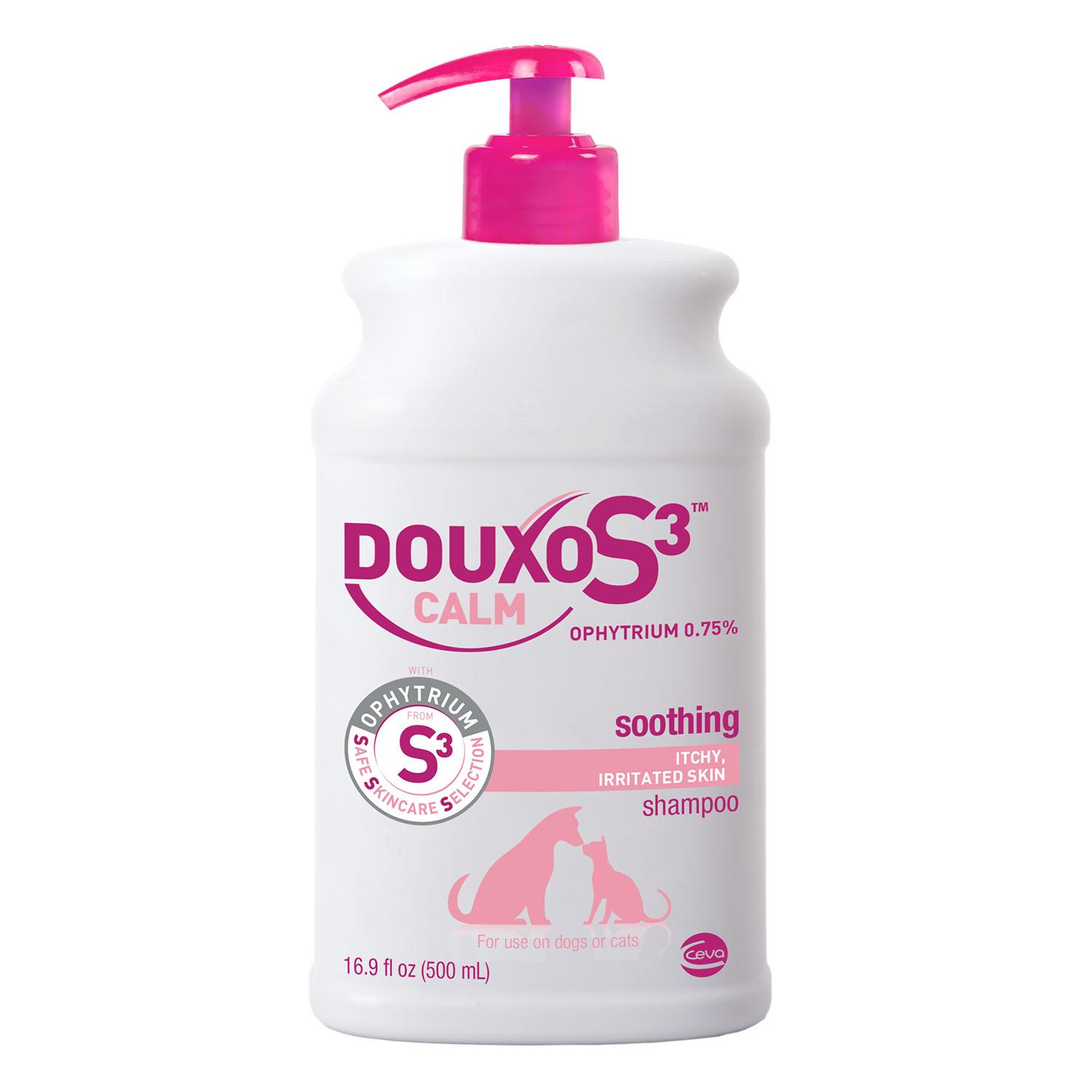
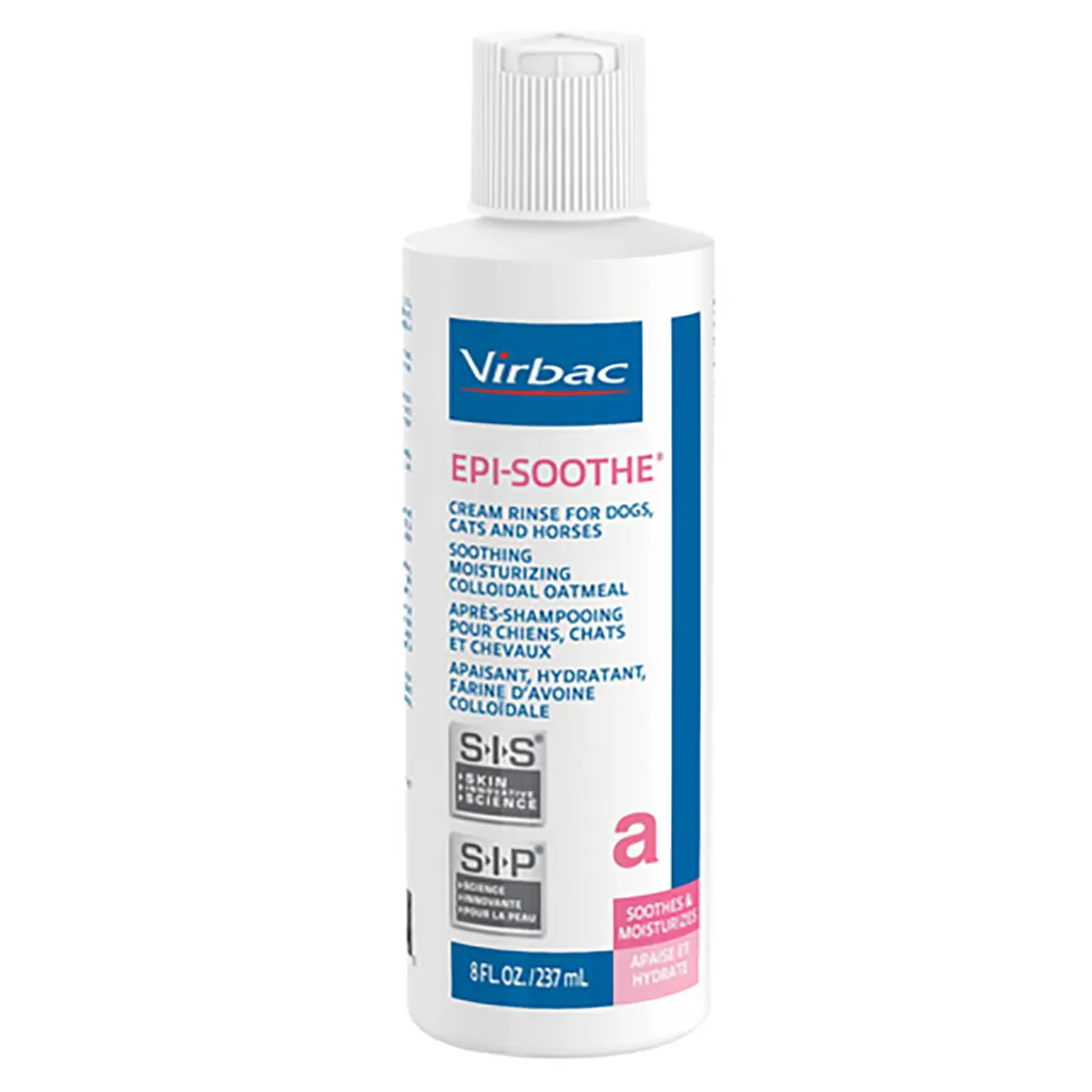
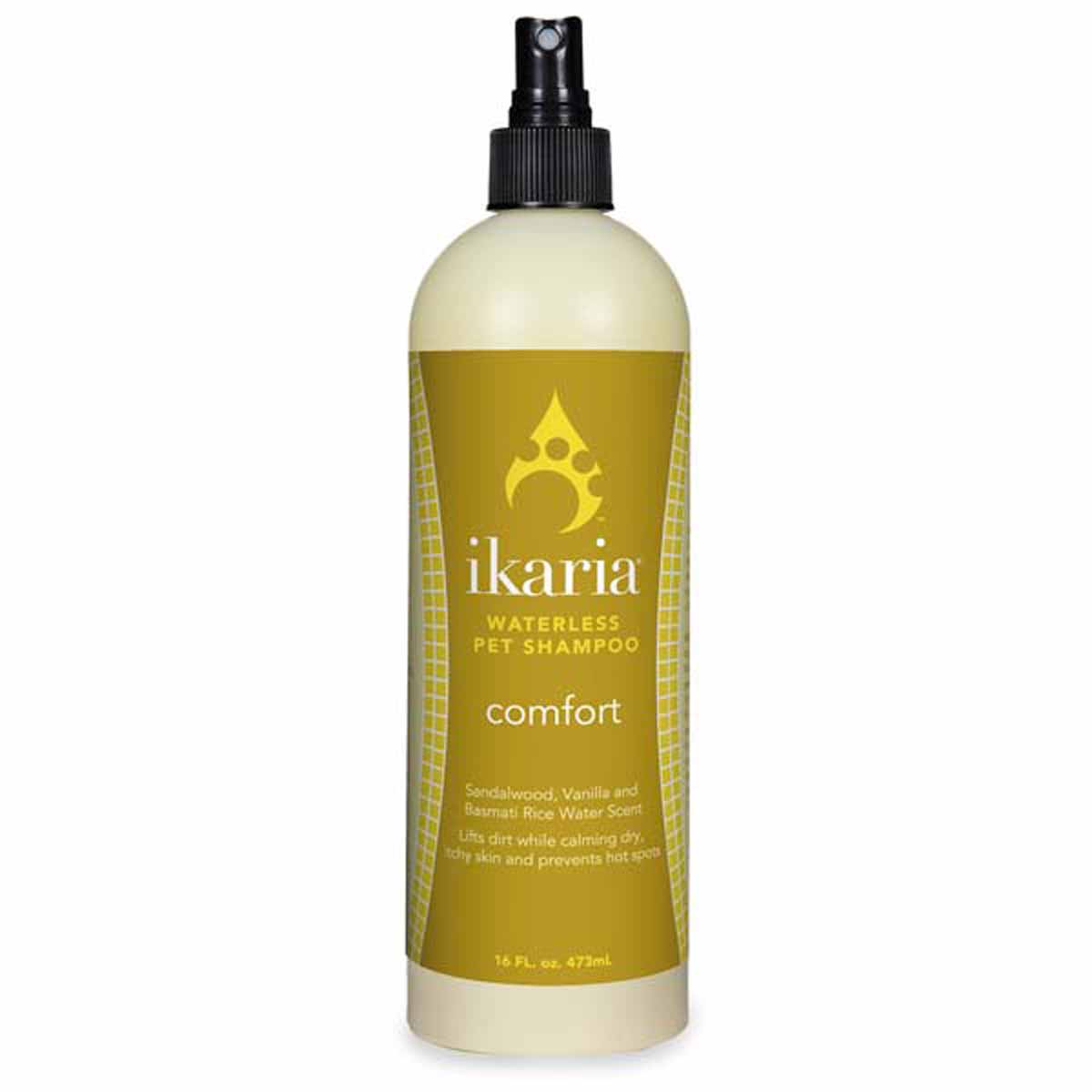
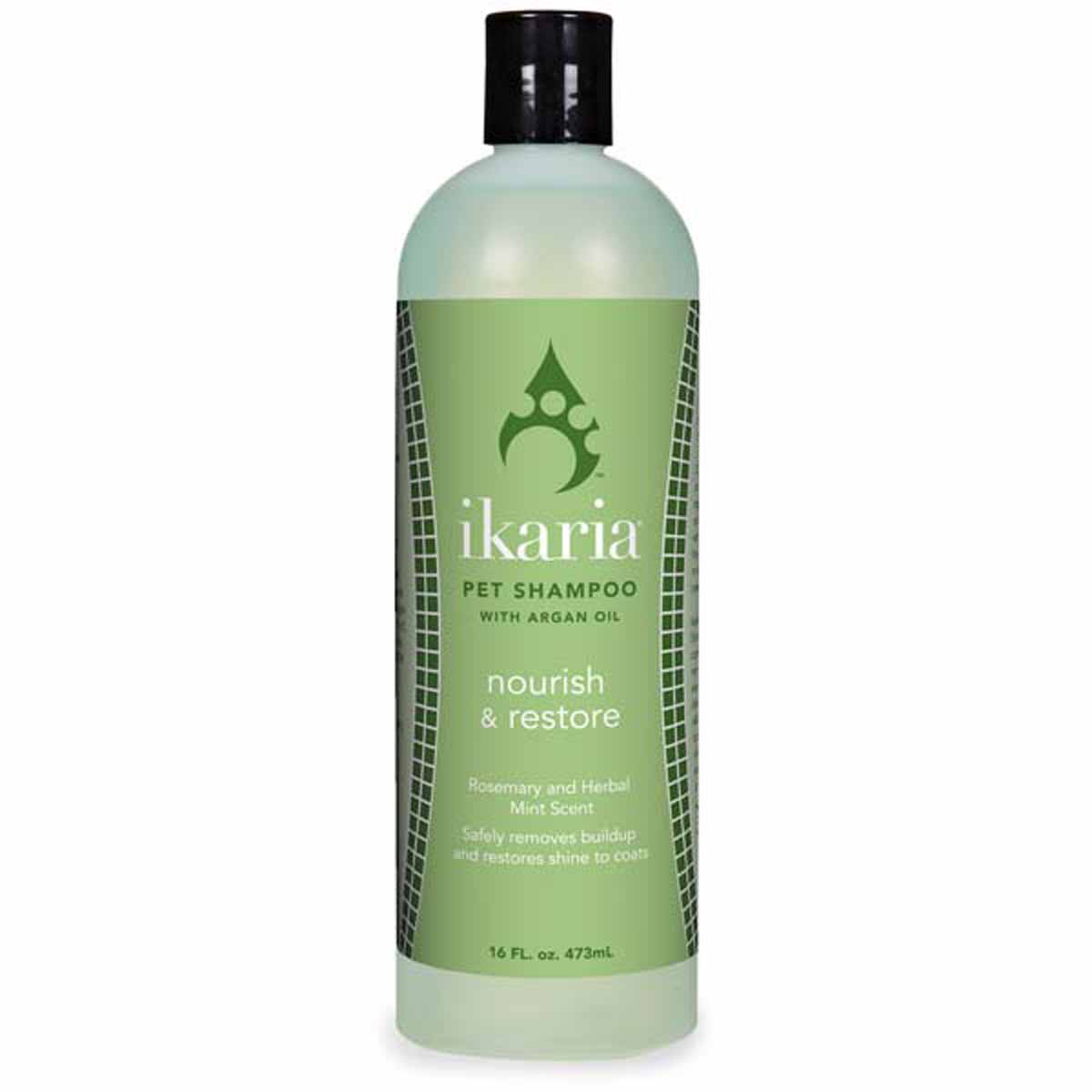
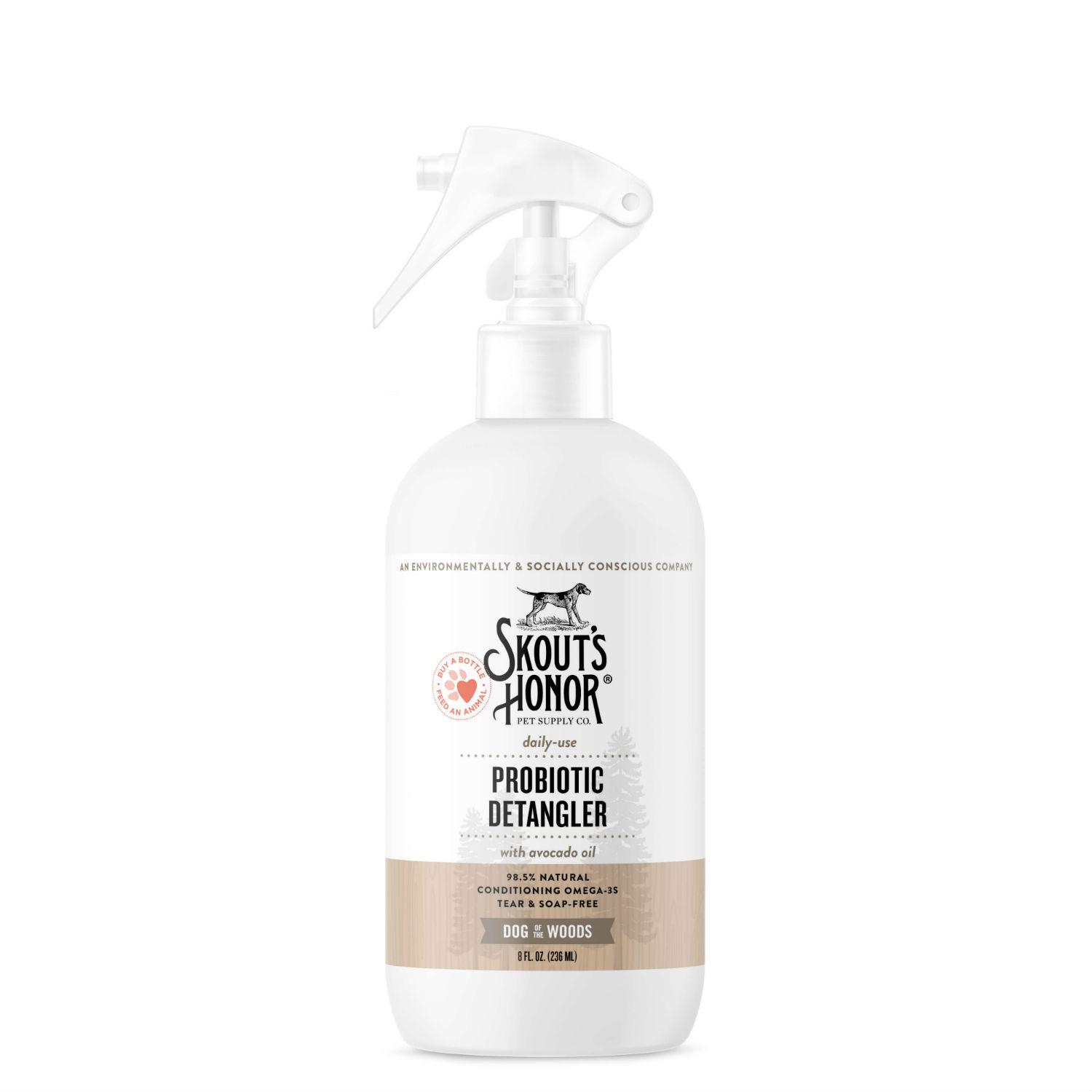
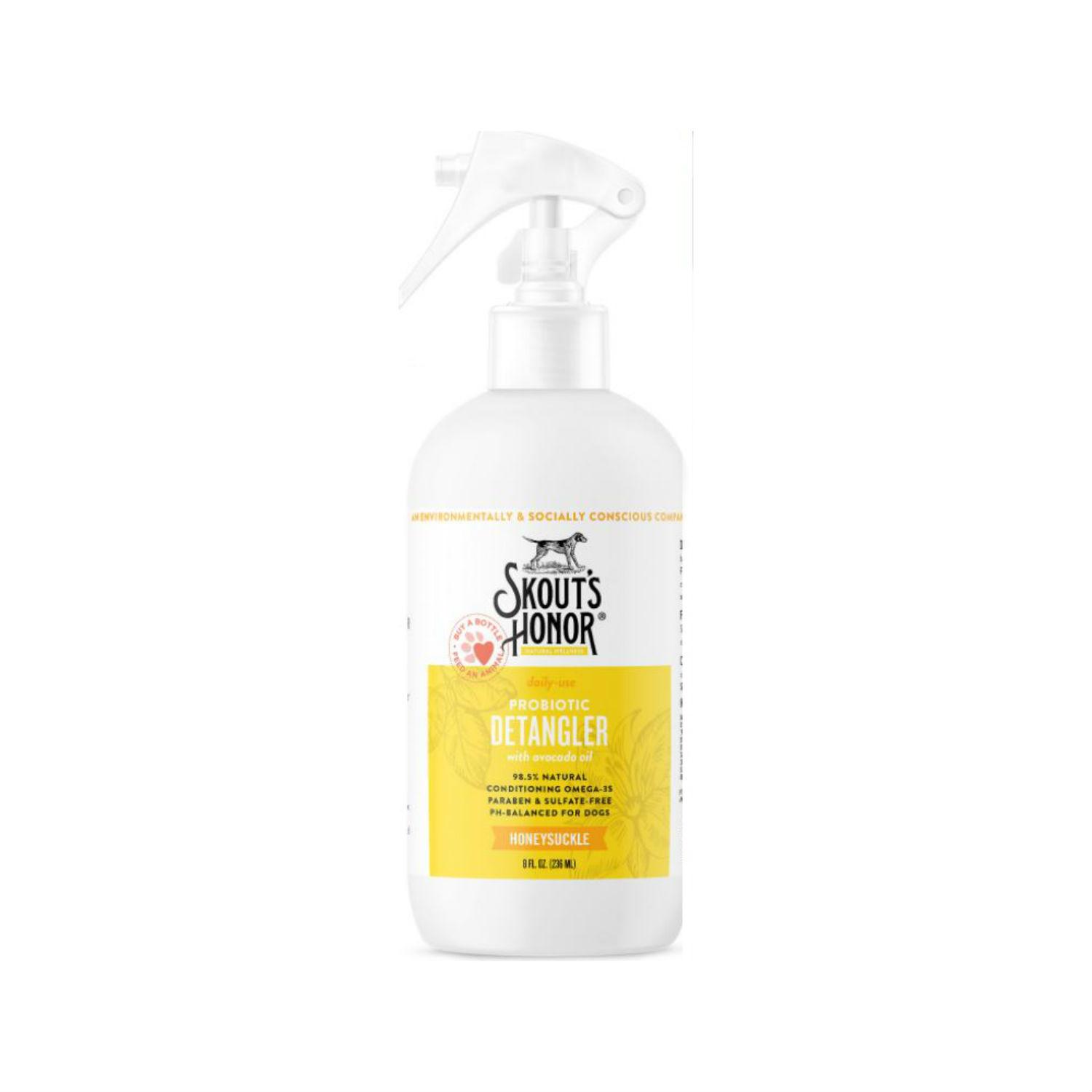
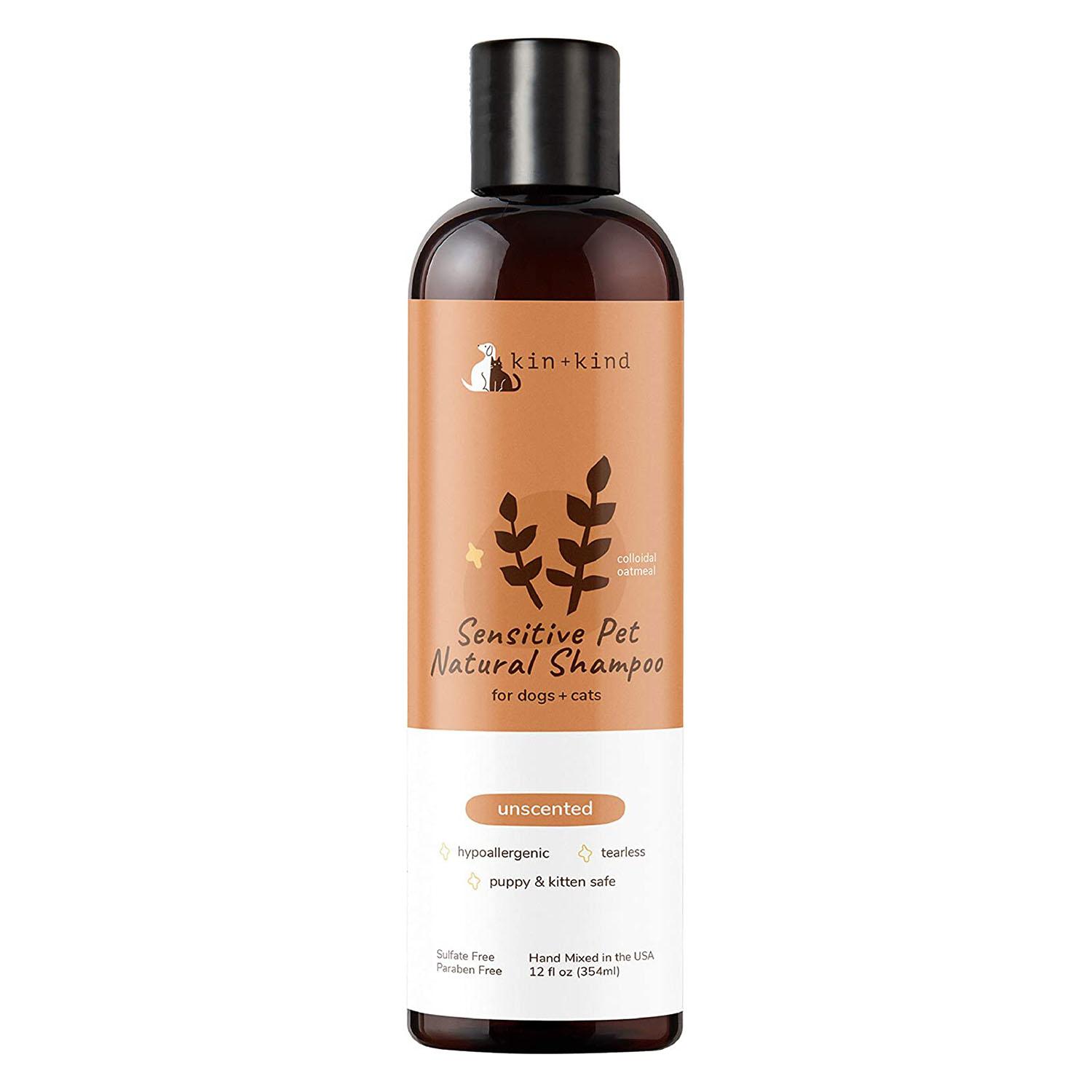
Cat Shampoos & Conditioners


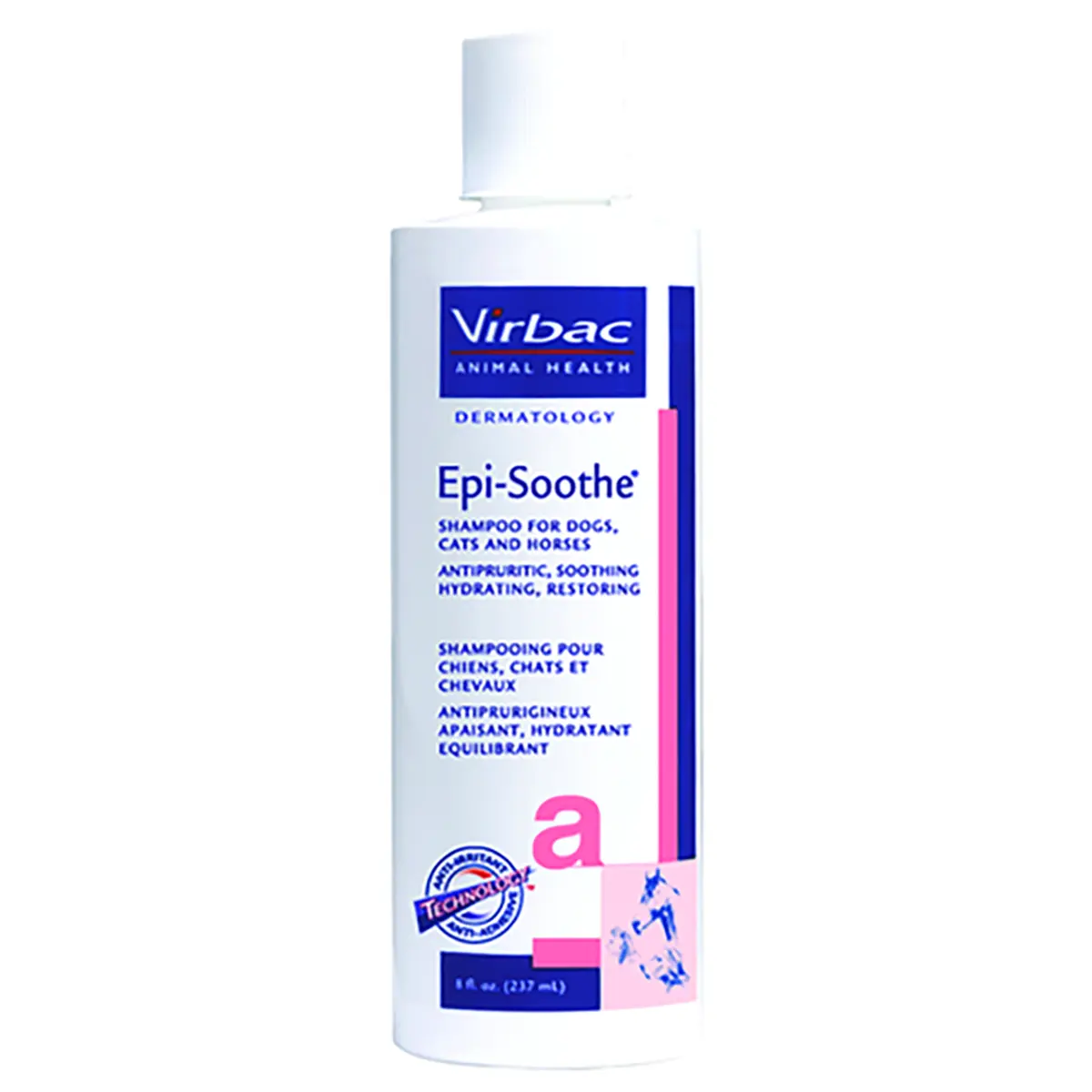
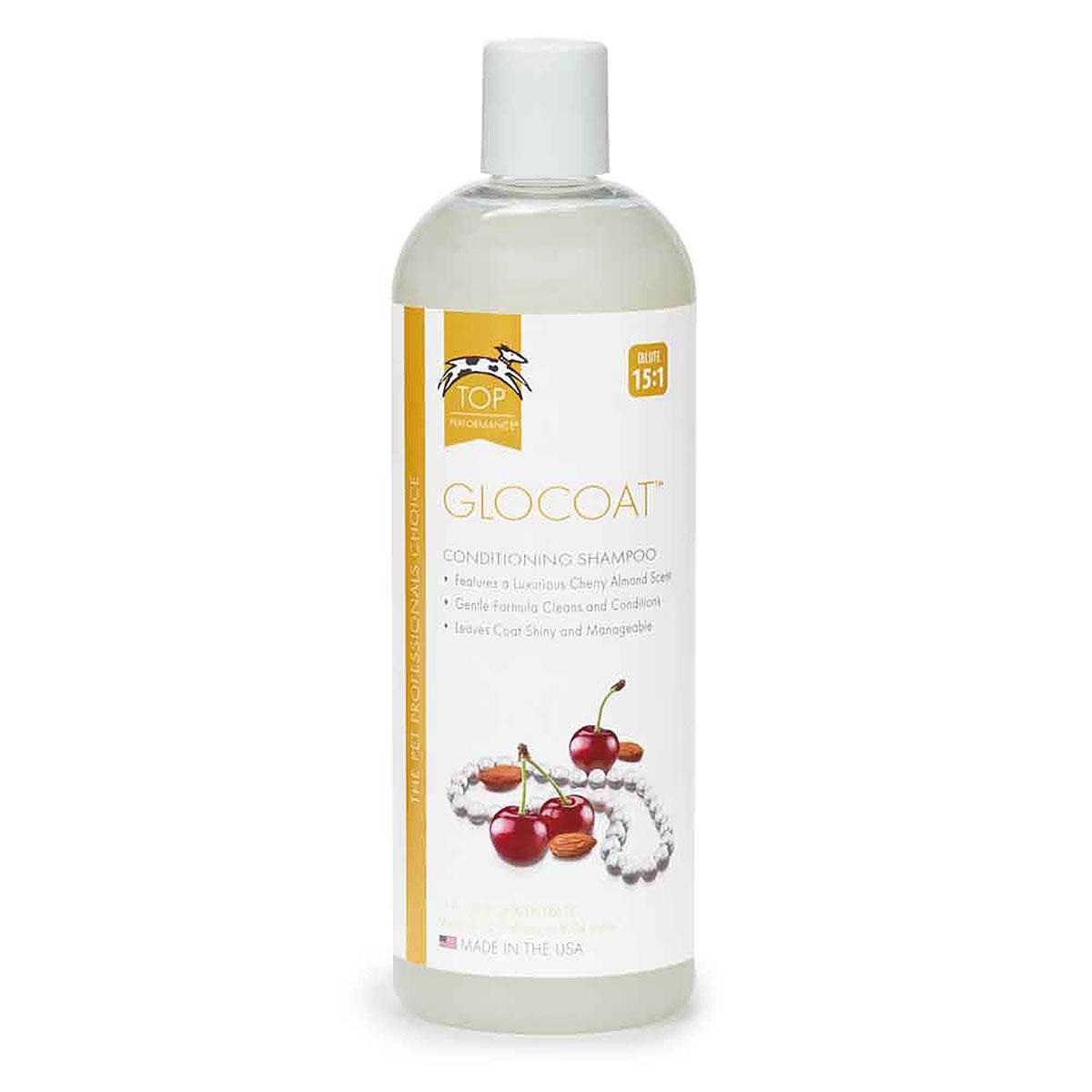
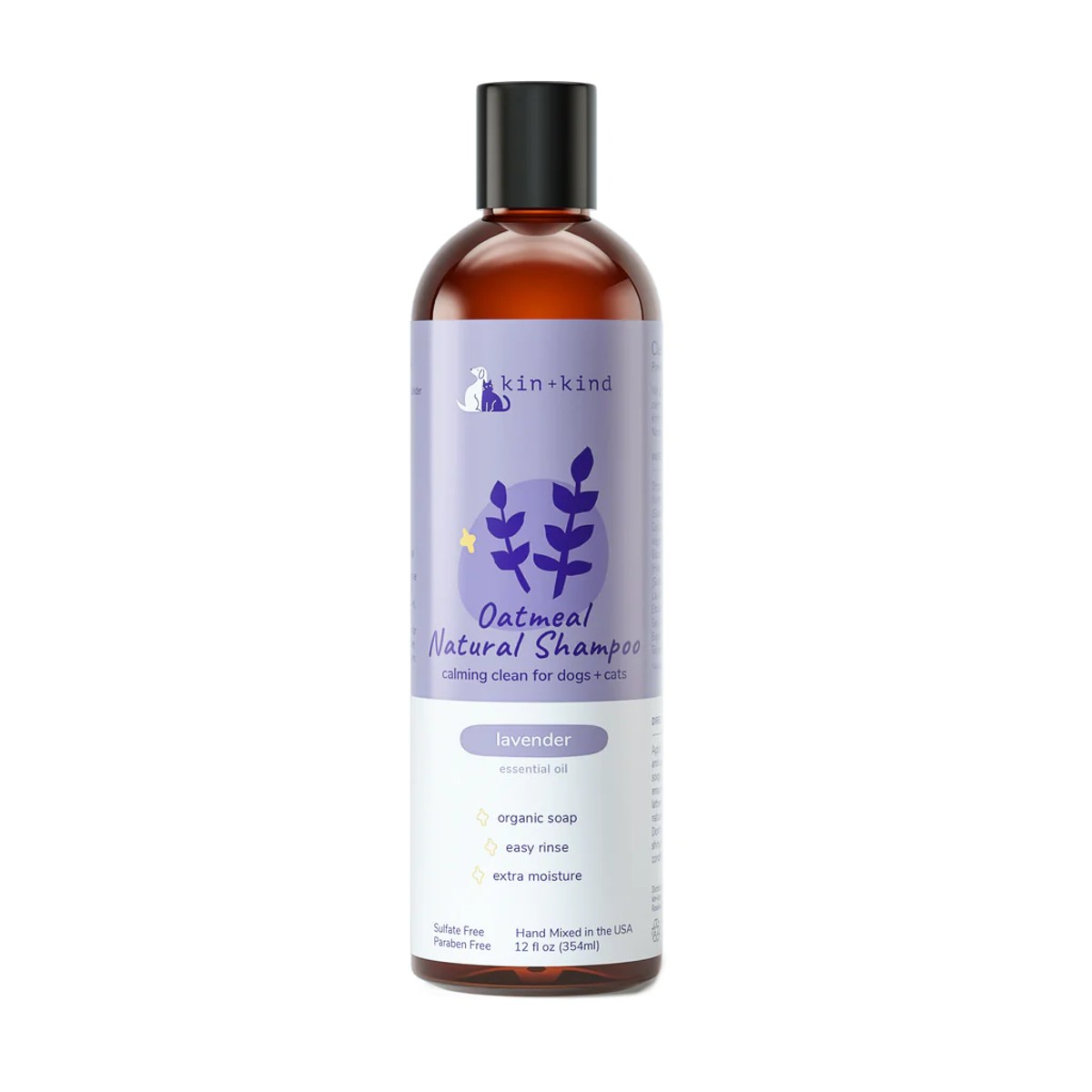
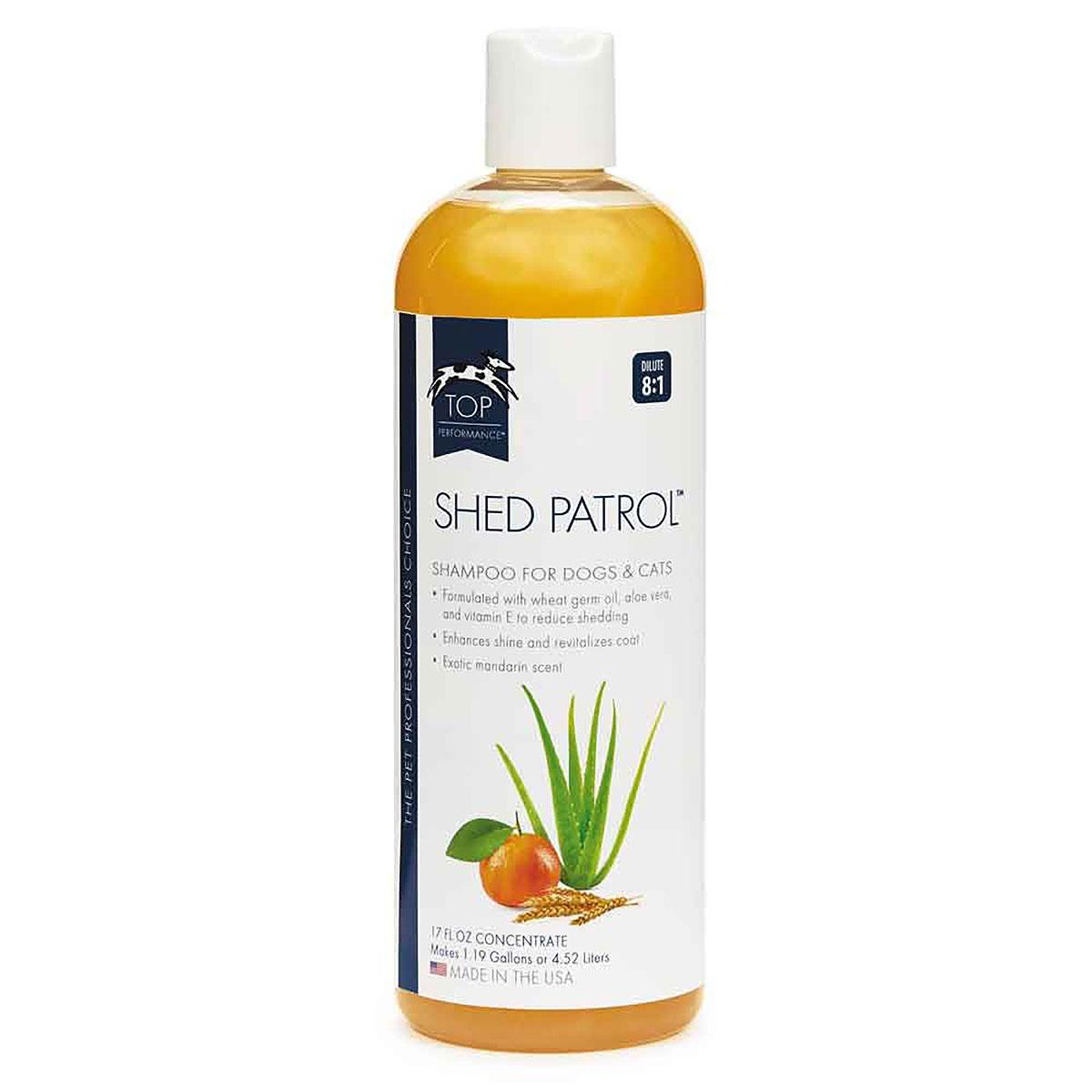
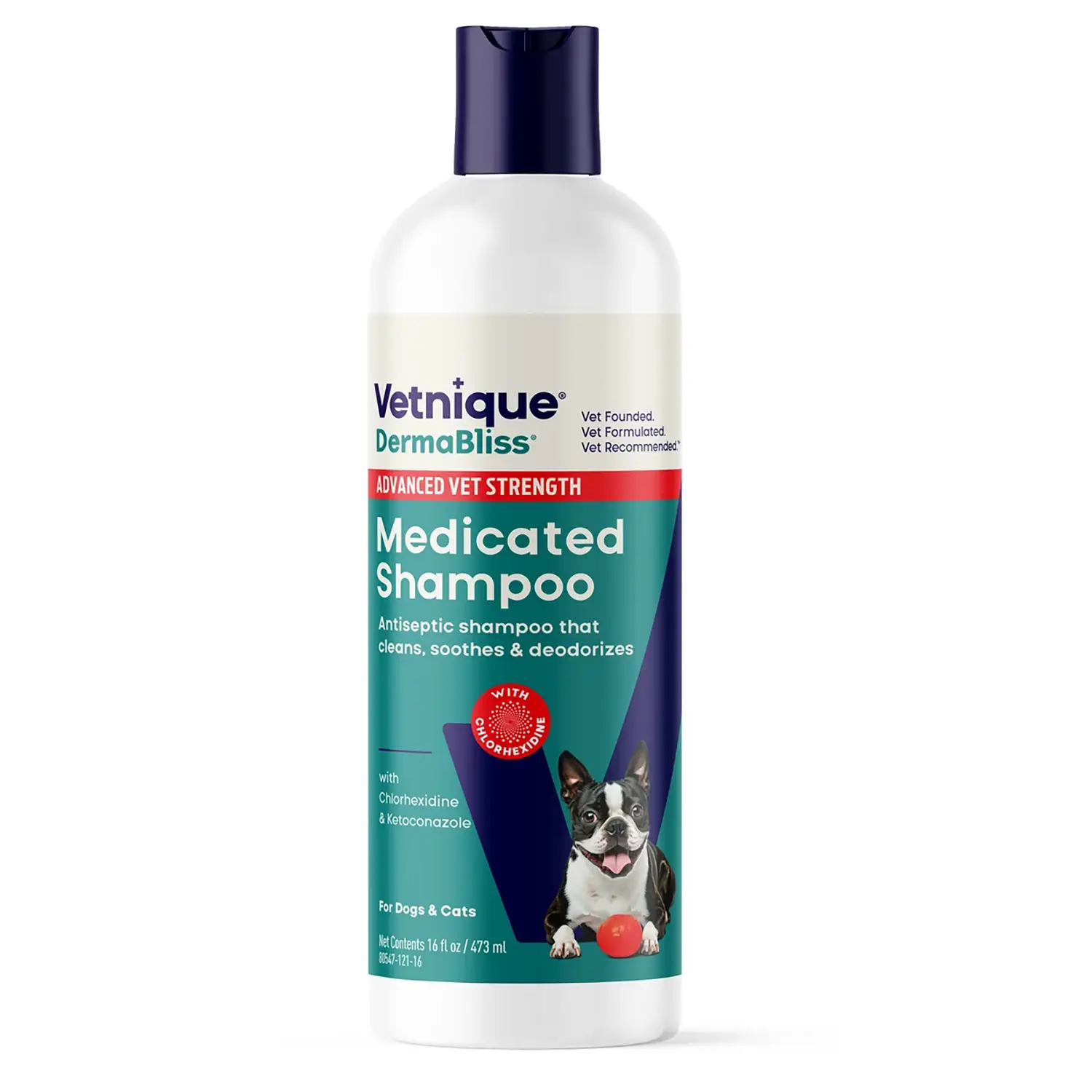
Why Choose a Homemade Shampoo?
There are several reasons you might look for a homemade cat shampoo for dandruff. Sometimes, you need a solution immediately and cannot wait for a delivery. Other times, you may have a cat with extremely sensitive skin that reacts poorly to the fragrances and preservatives found in many commercial products. By making your own shampoo, you have total control over what touches your cat’s body.
Most homemade recipes focus on soothing the skin rather than just stripping away dirt. Ingredients like oatmeal and glycerin work to pull moisture into the skin. This is the opposite of many human shampoos, which use harsh detergents to remove oils. You should never use human shampoo on a cat. The pH levels of human skin and cat skin are very different. Using a human product will disrupt the natural protective barrier of your cat’s skin, likely making the dandruff worse.
Safe Ingredients for DIY Cat Shampoo
Before you start mixing, you need to know which ingredients are safe for felines. Cats are sensitive to many chemicals and essential oils that are perfectly safe for humans or even dogs. Stick to these tested options for your homemade cat shampoo for dandruff.
Colloidal Oatmeal
This is the gold standard for itchy, dry skin. Colloidal oatmeal is simply oats ground into a very fine powder. When mixed with water, it forms a protective barrier that locks in moisture and reduces inflammation.
Apple Cider Vinegar
Diluted apple cider vinegar can help balance the pH of the skin. It also has mild antibacterial properties. It is excellent for removing any lingering odors if your cat’s skin has become slightly smelly due to the dandruff.
Vegetable Glycerin
Glycerin is a humectant. This means it attracts water from the air and keeps it on the skin. It adds a slippery texture to the shampoo, making it easier to work through thick fur.
Dawn Dish Soap (Limited Use)
While we generally recommend soap-free options for dandruff, a tiny amount of clear, unscented Dawn can help if your cat has oily dandruff. However, it should be used sparingly because it is a powerful degreaser that can dry the skin if used too often.
Key Takeaway: Always use unscented, dye-free ingredients to minimize the risk of an allergic reaction or skin irritation.
Recipe 1: The Soothing Oatmeal Wash
This is the most effective homemade cat shampoo for dandruff caused by dry skin. It is gentle enough for regular use and provides immediate relief from itching.
- 1 cup of organic oatmeal
- 1/2 cup of baking soda
- 4 cups of warm water
Step 1: Grind the oats. / Use a blender or food processor to turn the dry oatmeal into a fine, flour-like powder. It must be fine enough to dissolve in water.
Step 2: Mix the dry ingredients. / Combine the oat powder and baking soda in a large bowl.
Step 3: Add water. / Stir in the warm water until the mixture is smooth and slightly creamy.
Step 4: Let it sit. / Allow the mixture to sit for a few minutes so the oatmeal can fully hydrate.
Apply this to your cat’s damp fur and massage it gently into the skin. Let it sit for at least five minutes before rinsing. Rinsing is the most important part. Any leftover residue can lead to more itching once the coat dries.
Recipe 2: The Vinegar and Glycerin Moisturizer
If your cat has a very thick coat, this liquid shampoo is easier to distribute than the oatmeal paste. It focuses on pH balance and deep hydration.
- 1/2 cup of apple cider vinegar
- 2 tablespoons of vegetable glycerin
- 2 cups of warm water
Mix these ingredients in a squeeze bottle. The vinegar helps to break down dead skin cells, while the glycerin leaves the skin feeling soft. This is a great choice for senior cats who may have "dusty" looking fur on their lower back where they can no longer reach to groom.
Recipe 3: The Gentle Suds Blend
If your cat has gotten into something sticky or greasy along with having dandruff, you may need a little more cleaning power.
- 1 cup of warm water
- 1/4 cup of unscented, clear Dawn dish soap
- 1/4 cup of apple cider vinegar
- 1 tablespoon of vegetable glycerin
Combine the water and soap first, stirring gently to avoid too many bubbles. Add the vinegar and glycerin last. This formula cleans deeply but adds moisture back in via the glycerin.
Quick Answer: Homemade cat shampoo for dandruff usually relies on colloidal oatmeal or glycerin to soothe dry skin. These ingredients are safe, cost-effective, and free from the harsh chemicals found in many human-grade products.
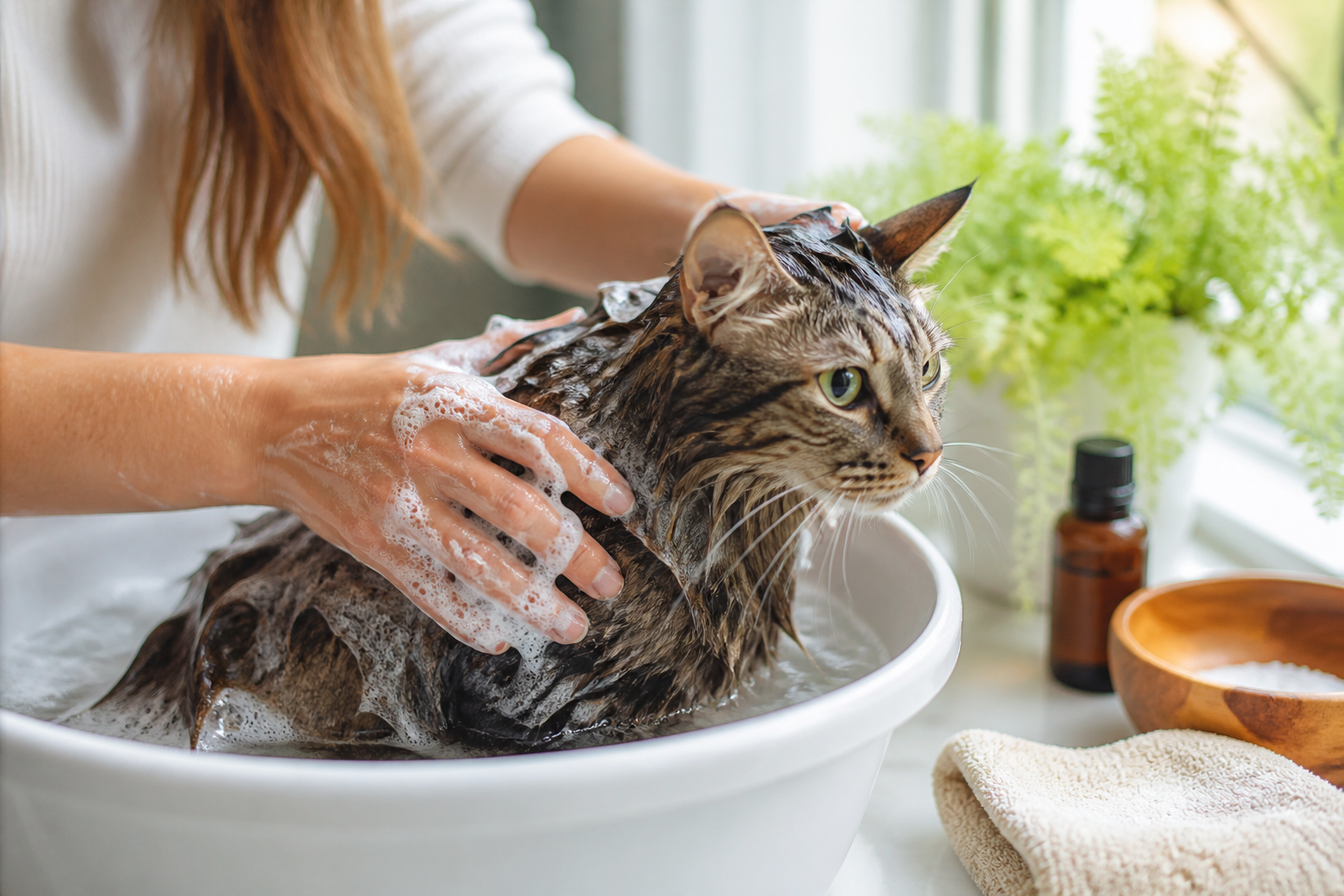
How to Bathe a Cat with Dandruff
Even the best homemade cat shampoo for dandruff won't work if the bath itself is a disaster. Stress can actually make skin conditions worse. Preparation is key to a successful, calm bathing experience.
Prepare the Space
Place a rubber mat or a towel at the bottom of your sink or tub. Cats panic when they feel they are slipping. Fill the basin with only two or three inches of warm water before you bring the cat into the room. The sound of running water is often what triggers a cat’s "flight" response.
The Application Process
Use a cup to pour water over your cat, avoiding the ears, eyes, and nose. Once the fur is wet, apply your homemade shampoo. Start at the neck and work your way back toward the tail. For dandruff relief, you must make sure the shampoo reaches the skin. Use your fingers to massage the mixture in circular motions.
The Rinse
You must rinse your cat thoroughly. Use fresh, warm water and continue rinsing until the water runs completely clear. If you leave any oatmeal or soap on the skin, it will dry into a crust that causes even more flaking.
- Gather all supplies (shampoo, towels, cup) before starting.
- Use a non-slip mat in the tub.
- Keep the room warm to prevent shivering.
- Have a high-value treat ready for after the bath.
When DIY Isn't Enough: Moving to Professional Solutions
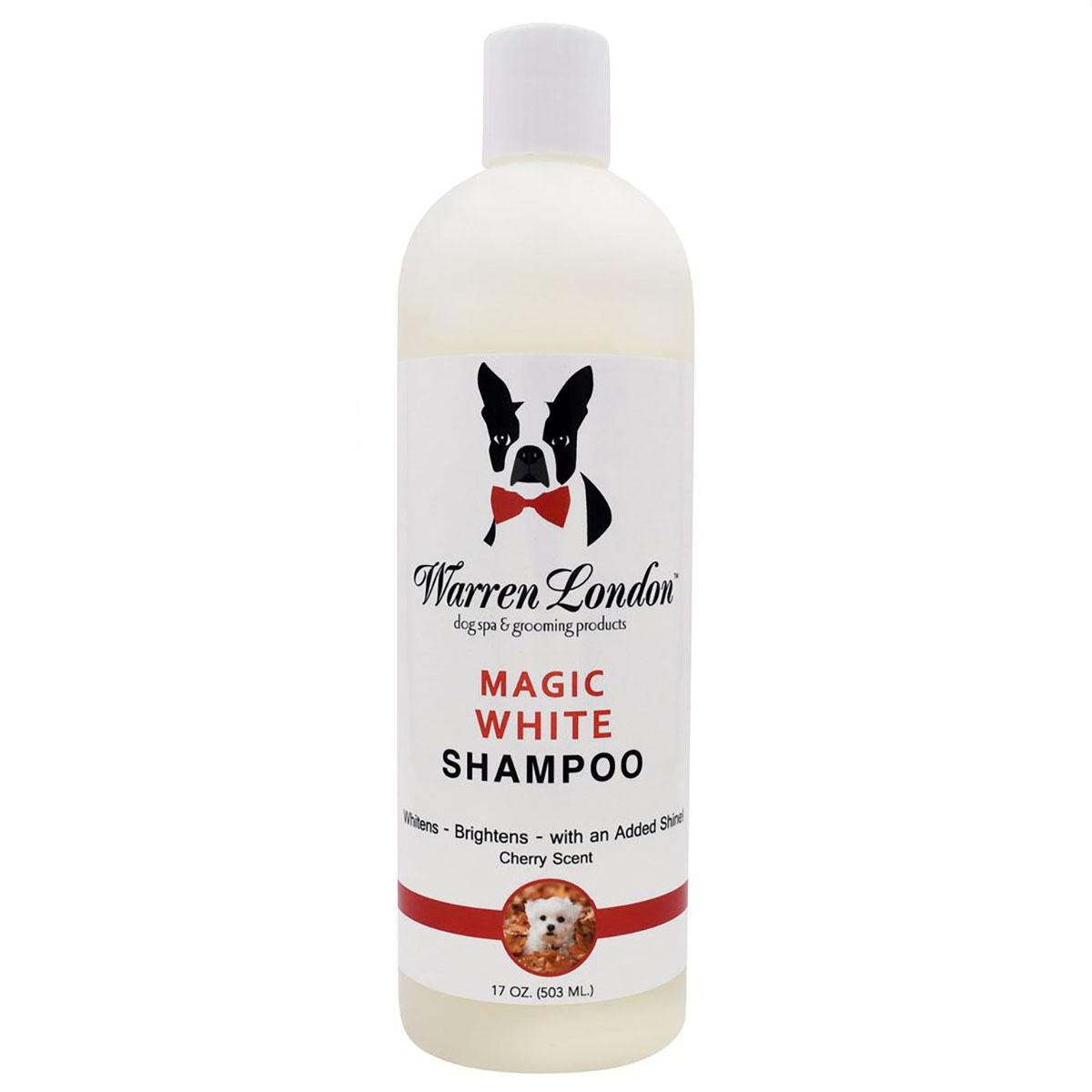
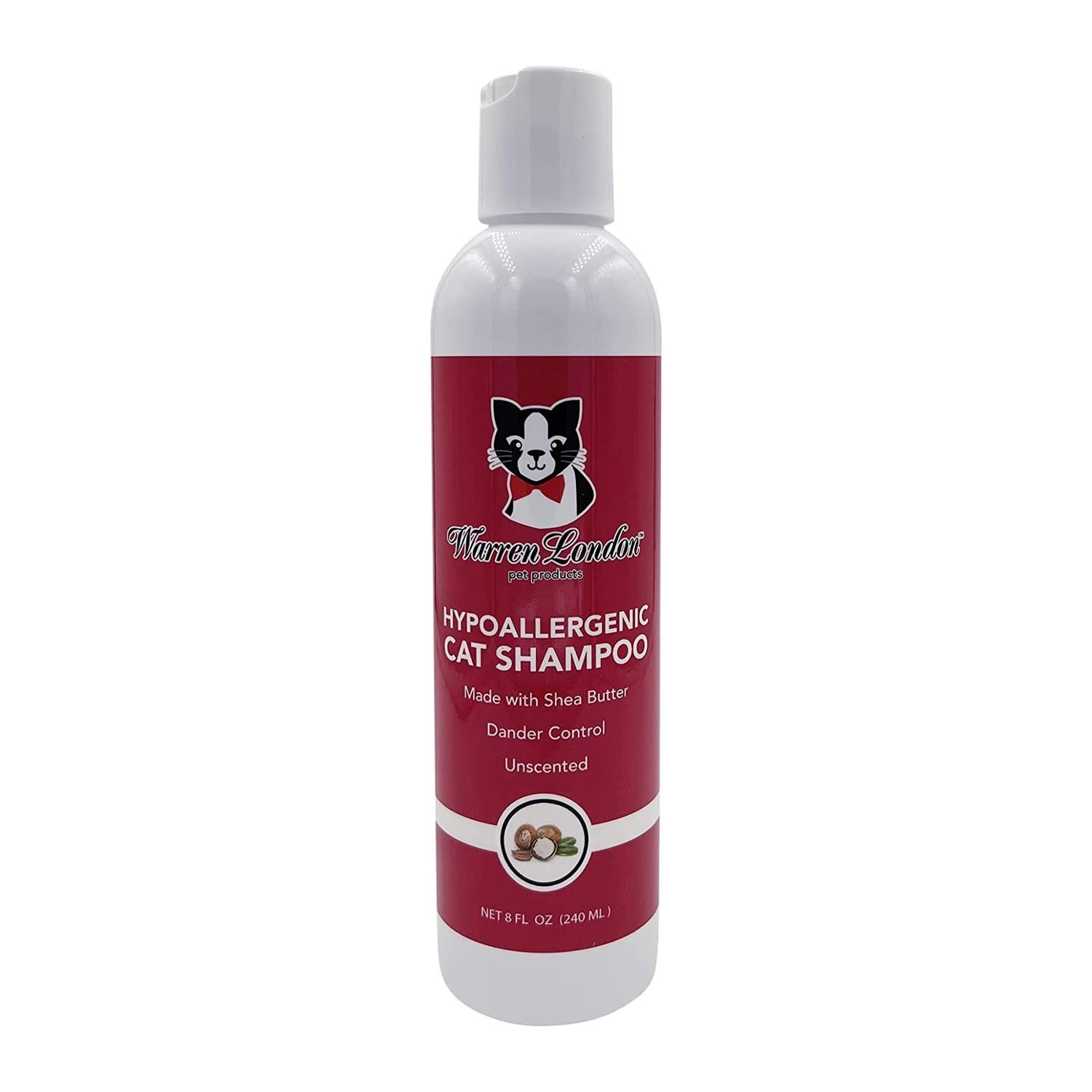
While a homemade cat shampoo for dandruff is a great temporary fix, some cats require more intensive care. If you have used a DIY wash two or three times and see no improvement, it is time to look at specialized products. At BaxterBoo, we carry a wide range of cat grooming supplies designed specifically for feline skin chemistry.
Brands like Zesty Paws and Honest Paws offer supplements that treat dandruff from the inside out. Often, a lack of Omega-3 fatty acids is the true culprit behind dry skin. Adding a salmon oil supplement to your cat's food can do more for their skin than a dozen baths ever could.
If the dandruff is severe, your vet might recommend a medicated shampoo. Our pharmacy offers FDA-approved medications and prescription pet foods through our partnership with Pet's Choice. This includes prescription-strength shampoos that contain anti-fungal or anti-seborrheic agents. These products are formulated to treat the root cause of the skin irritation, such as yeast overgrowth or bacterial infections.
Bottom line: DIY shampoos are excellent for mild dryness, but chronic or severe skin issues usually require a veterinary diagnosis and targeted medical treatment.
Managing Dandruff Through Nutrition
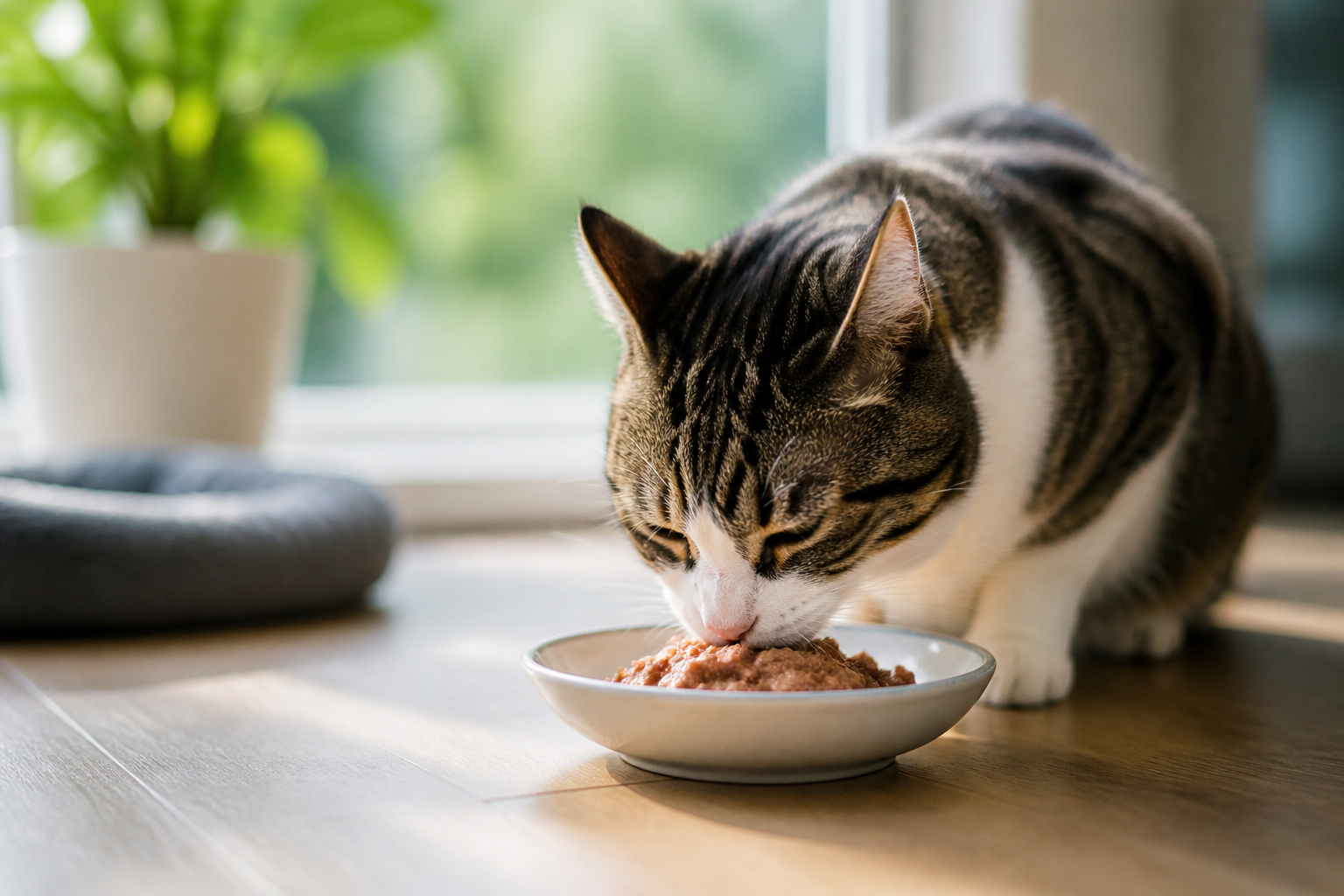
What your cat eats shows up on their coat. If your cat has chronic dandruff, it might be time to look at their bowl. Many commercial cat foods are processed at high heat, which can destroy the delicate oils that keep skin healthy.
Consider switching to a high-quality food that lists a specific meat as the first ingredient. Brands like Farmina and Open Farm focus on high-protein, nutrient-dense recipes. We also see many customers find success with raw or freeze-dried diets from Stella and Chewy's or Vital Essentials. These diets are less processed and naturally higher in the fats required for a glossy, flake-free coat.
If your vet suspects a food allergy is causing the skin issues, you may need a prescription diet. The BaxterBoo pharmacy can fulfill orders for Farmina Vet Life and other therapeutic diets through Pet's Choice. These foods are specifically formulated to exclude common allergens and provide extra skin support.
For additional nutrition guidance, read our article on sensitive stomach food choices for cats.
The Importance of Regular Grooming
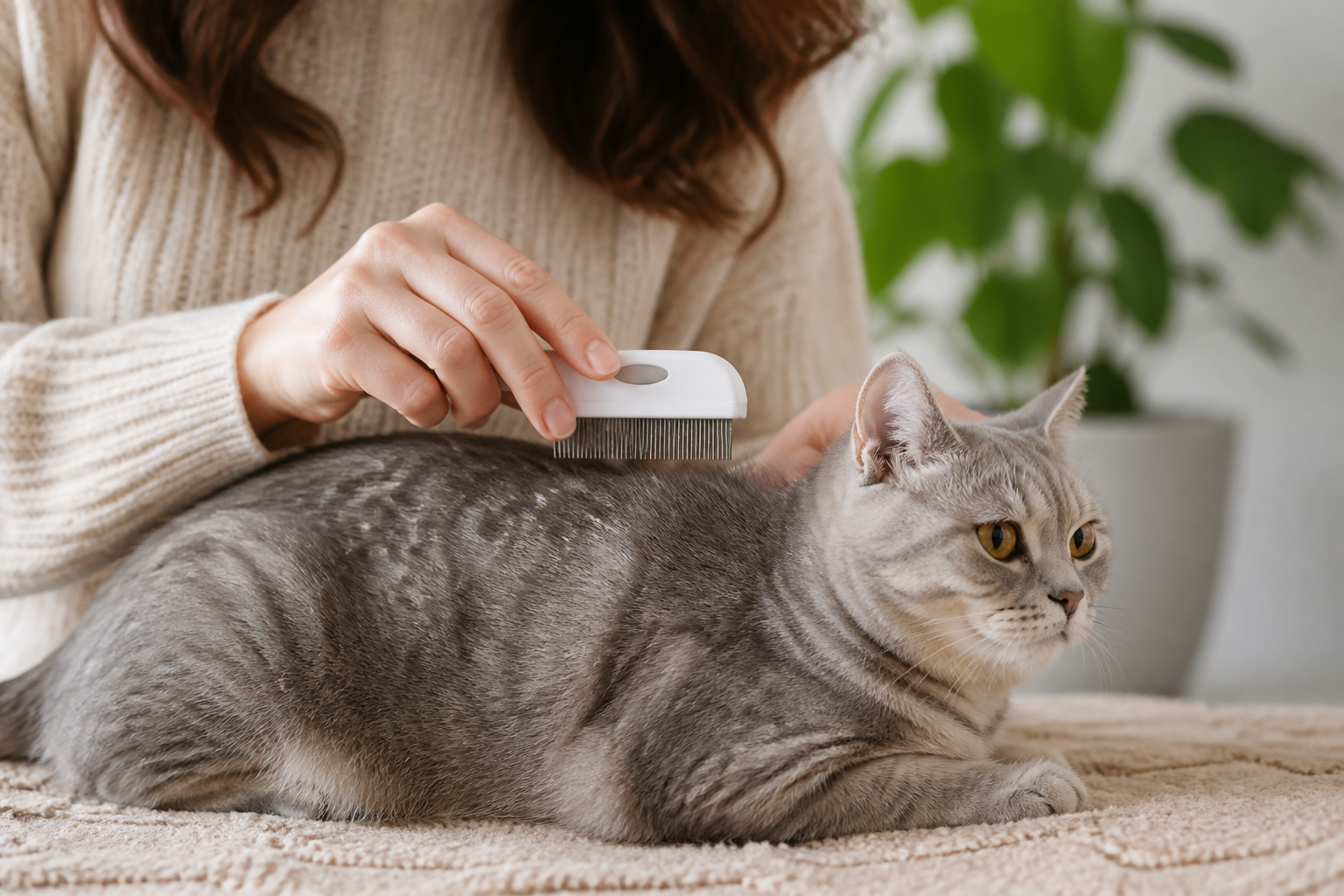
Bathing is not the only way to manage dandruff. In fact, for most cats, a regular brushing routine is more effective. Brushing does two important things for a cat with dry skin. First, it removes the dead skin cells (the dandruff) so they don't get trapped in the fur. Second, it stimulates the skin to produce natural oils and helps distribute those oils across the entire coat.
For a cat with dandruff, a soft bristle brush or a silicone grooming mitt is often better than a metal comb. Metal teeth can sometimes scratch dry, sensitive skin, causing further irritation. Try to brush your cat for five minutes every day. This simple habit can significantly reduce the amount of flaking you see.
Browse our cat brushes and grooming tools to find supplies for your routine.
Key Takeaway: Daily brushing is the best way to prevent dandruff from building up and keeps your cat's coat looking its best between baths.
Environmental Factors and Skin Health
Sometimes the cause of the dandruff isn't the cat at all, but the environment. During the winter months, indoor heating strips the moisture out of the air. This dries out your cat's skin just as it dries out yours.
Using a humidifier in the rooms where your cat spends the most time can make a huge difference. You should also ensure your cat is staying hydrated. Cats have a low thirst drive, and chronic mild dehydration can lead to dry skin. Try adding a little warm water to their wet food or using a pet water fountain to encourage them to drink more.
Safety Precautions for Homemade Mixtures
Even natural ingredients can cause issues if handled incorrectly. When using apple cider vinegar, never apply it to broken skin. If your cat has been scratching and has open sores, the vinegar will sting and cause distress. Similarly, baking soda is safe for external use, but you should never let your cat ingest large amounts of it. Always rinse thoroughly to ensure they don't lick the powder off their fur during their post-bath grooming session.
You should also be careful with the temperature of the water. Cats have a higher body temperature than humans, but their skin is very thin and can burn easily. The water should feel lukewarm to your wrist, never hot. If the water is too cold, your cat may go into shock or become extremely stressed.
Step 1: Check for skin breaks. / Inspect your cat for scratches or sores before applying any DIY mixture.
Step 2: Test a small area. / Apply the shampoo to a small patch of skin and wait 15 minutes to check for redness.
Step 3: Keep it fresh. / Homemade shampoos do not have preservatives. Discard any leftover mixture immediately after the bath.
Conclusion
Managing your cat's skin health is a vital part of being a pet parent. A homemade cat shampoo for dandruff provides a gentle, cost-effective way to soothe dry skin and remove unsightly flakes. By using safe ingredients like colloidal oatmeal and vegetable glycerin, you can help your cat feel more comfortable without the use of harsh chemicals. However, remember that dandruff can sometimes be a sign of a more complex health issue. If the flakes persist or your cat seems in distress, we recommend consulting your veterinarian for a professional diagnosis. Our pharmacy is always here to provide the prescription diets and medications your cat might need to stay healthy.
- Use colloidal oatmeal for the best results on dry, itchy skin.
- Never use human shampoo on a cat due to pH differences.
- Rinse thoroughly to prevent further irritation.
- Support skin health from the inside out with Omega-3 supplements.
Bottom line: While DIY shampoos are great for occasional flakes, long-term skin health depends on a combination of good nutrition, regular grooming, and veterinary care when needed.
FAQ
Can I use Dawn dish soap for cat dandruff?
You can use a small amount of clear, unscented Dawn dish soap if the dandruff is oily or if the cat is very dirty. However, it should not be your primary treatment for dry skin because it removes natural oils. For standard dry dandruff, a soap-free oatmeal wash is a much better choice.
How often should I bathe a cat with dandruff?
You should not bathe your cat more than once every two to four weeks. Over-bathing can actually strip away the natural oils the skin needs to stay hydrated, which makes the dandruff worse. Focus on daily brushing and improved nutrition as your primary methods for managing skin health.
Why does my cat have dandruff only on their lower back?
This is common in senior cats or overweight cats who have trouble reaching their lower back to groom. When a cat stops grooming an area, dead skin cells and oils build up, leading to visible dandruff. Regular brushing and weight management can help resolve this specific issue.
Is apple cider vinegar safe for cats with dandruff?
Yes, apple cider vinegar is safe when it is properly diluted with water. It helps to restore the skin's natural pH balance and can kill mild bacteria or yeast. Never use it at full strength, and avoid using it if your cat has any open scratches or irritated "hot spots" as it will sting.


- Site & Contents BaxterBoo.com. BaxterBoo is located in the United States.
- Privacy & Security
- Terms of Use
- Accessibility Statement
