
 Save 15% on your 1st Autoship learn more

 Email us
 Live Chat
 FAQs
FAQs





Introduction
You lean in for a happy morning cuddle only to be met with a puff of breath that smells like a dumpster in mid-July. Most dog owners have experienced this moment. While we often joke about "dog breath," a foul odor is usually the first sign that your dog needs better oral care. Dental health is one of the most overlooked aspects of pet parenting. At BaxterBoo, we have helped owners navigate pet wellness since 2006, and we know that a clean mouth is about much more than just fresh kisses. This post covers everything from the basics of brushing to the latest in dental chews and professional care. Taking small steps today can prevent painful infections and expensive surgeries later in your dog's life.
Quick Answer: The most effective way to keep your dog's teeth clean is through daily brushing with dog-safe toothpaste combined with dental chews and annual veterinary exams. For dogs that resist brushing, water additives and dental diets provide helpful alternatives to reduce plaque buildup.
Why Dental Hygiene Is Critical for Dogs
Many owners assume that dogs naturally have dirty mouths, but that is a myth. In the wild, canines might have gnawed on carcasses that provided some mechanical cleaning, but our modern pets eat processed diets that often leave residue behind. When food particles and bacteria sit on the teeth, they form a sticky film called plaque. If you do not remove this film within 48 hours, it hardens into tartar or calculus. You cannot brush tartar away at home. It requires professional tools to remove.
Neglecting the mouth leads to periodontal disease. This is an infection of the tissues that hold the teeth in place. It starts with red, swollen gums and can progress to bone loss and systemic health issues. Bacteria from an infected mouth can enter the bloodstream and travel to the heart, liver, and kidneys. This is why keeping the mouth clean is a fundamental part of whole-body wellness. For additional guidance, read our article on warning signs of bad teeth in dogs.
Brushing Your Dog’s Teeth: The Gold Standard
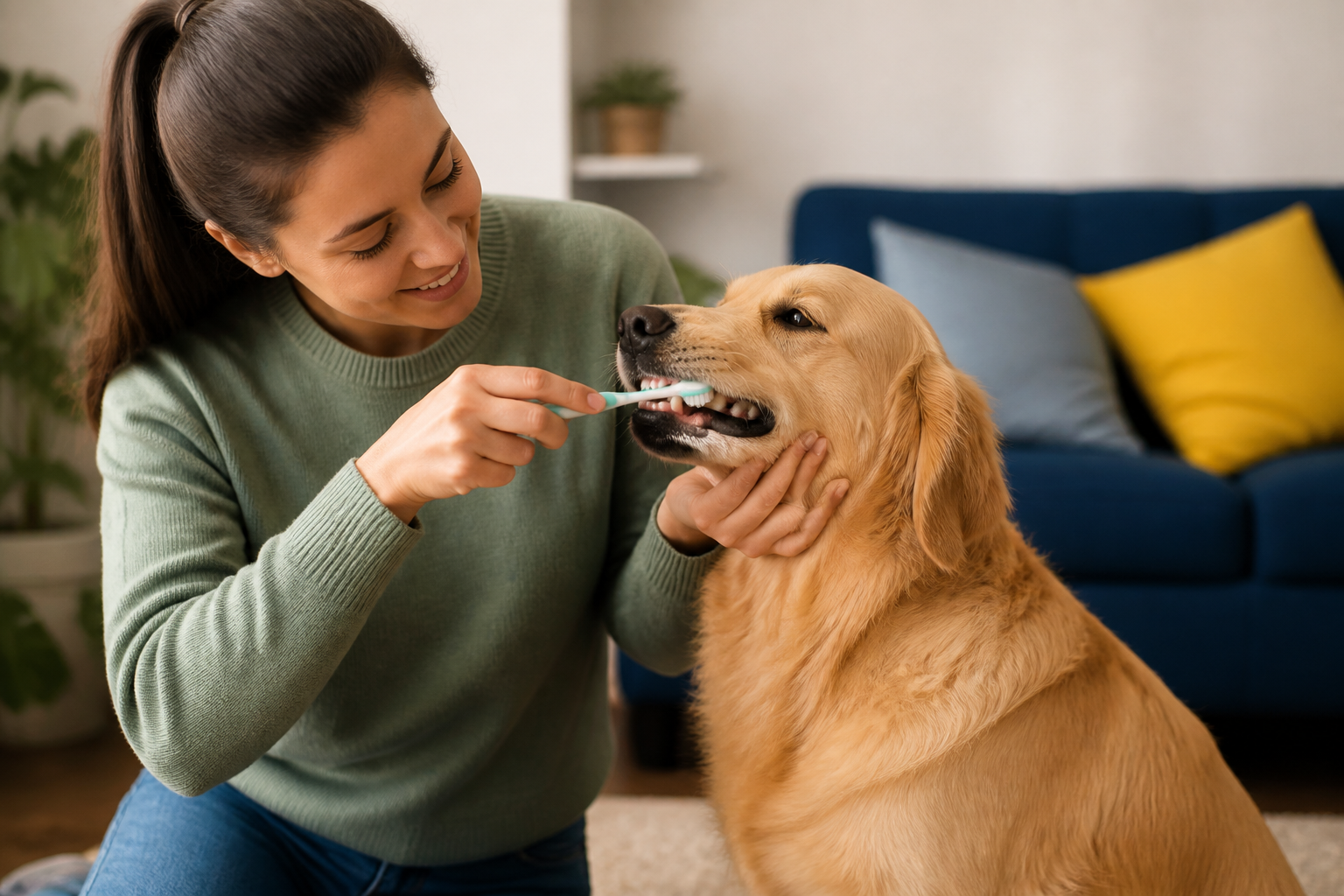
Brushing is the single most effective way to prevent dental disease. It might feel strange at first, but most dogs can learn to tolerate or even enjoy the process. You should never use human toothpaste for your dog. Human formulas often contain xylitol, an artificial sweetener that is toxic to dogs, and foaming agents that can upset their stomachs.
Dog-specific toothpaste comes in flavors like poultry, beef, and peanut butter. These are designed to be swallowed. You also need a brush that fits your dog's mouth. A large, long-handled brush works well for Labradors or Goldens. For smaller breeds like Chihuahuas or Pugs, a fingertip brush or a soft baby toothbrush is usually a better fit. You can find additional oral-care supplies in our dog dental health collection.
How to Start a Brushing Routine
If your dog is not used to having their mouth touched, do not rush in with a toothbrush. Start slowly to build trust.
Step 1: Get them used to the taste. / Let your dog lick a small amount of pet toothpaste off your finger for several days.
Step 2: Touch the teeth and gums. / Rub your finger along the outer surfaces of their teeth and gums while they enjoy the taste of the paste.
Step 3: Introduce the brush. / Apply toothpaste to the brush and gently lift the lip. Focus on the outer surfaces of the upper back molars, where plaque accumulates fastest.
Step 4: Gradually increase the time. / You do not need to brush the inside of the teeth. A dog's tongue does a decent job of cleaning those surfaces. Focus on the outside.
Vet Tip: If your dog becomes stressed or tries to bite during brushing, stop immediately and consult a professional trainer or your veterinarian. Never force the process, as this can lead to a negative association with grooming and potential injury to both you and your pet.
For more help introducing brushing, see our pet dental care tips.
Using Dental Chews and Treats Effectively
Not every dog will sit still for a brushing session. This is where dental chews and treats become valuable tools. These products work through mechanical action. As the dog gnaws on the chew, the texture scrapes against the surface of the tooth to rub away plaque. Browse our dog dental health products to explore options for your routine.
When shopping for dental treats, look for the Veterinary Oral Health Council (VOHC) seal of approval. This seal indicates that the product has been tested and proven to reduce plaque or tartar by at least 20 percent. Brands like Greenies and certain RedBarn products are popular choices that many dogs love.
It is important to remember that dental treats add calories to your dog’s daily intake. If you give a dental chew every day, you may need to slightly reduce their meal portions to prevent weight gain. Always supervise your dog when they are enjoying a chew to ensure they do not swallow large chunks, which could lead to choking or intestinal blockages. For more ideas, explore our guide to dental chews for dogs.
The Role of Diet in Oral Health
What your dog eats every day has a significant impact on their teeth. There is a common belief that all dry kibble cleans teeth because it is crunchy. However, most kibble is small and brittle. It shatters as soon as the dog's tooth hits it, providing very little cleaning action.
Specific dental diets are different. These are often prescription foods, such as Royal Canin Veterinary Diet Adult Dental or Farmina Vet Life options. The kibbles in these diets are usually larger and have a fibrous texture that does not shatter. Instead, the tooth sinks into the kibble, allowing the fibers to scrub the tooth surface all the way to the gum line.
Our pharmacy carries these prescription diets through our partnership with Pet's Choice. If your veterinarian recommends a specific therapeutic diet for your dog’s dental needs, we can help you get those orders delivered to your door. These foods often contain minerals that bind calcium in the saliva, preventing it from hardening into tartar on the teeth. Prescription orders and veterinary diets are available through our pet pharmacy.
Key Takeaway: While standard kibble offers minimal dental benefits, specialized dental diets use unique textures and calcium-binding ingredients to actively reduce plaque and tartar during every meal.
Water Additives and Dental Powders
For the busiest pet owners, water additives and food powders are the easiest way to support oral hygiene. These products are often called "drinkable mouthwash" for dogs. You simply add a capful to their water bowl each day.
Water additives contain enzymes or antibacterial agents that help break down the biofilm of plaque before it can harden. Most are tasteless and odorless, so they do not discourage your dog from drinking. Dental powders work similarly but are sprinkled over your dog's food. These often contain probiotics that promote healthy bacteria in the mouth while fighting the bacteria that cause bad breath.
Checklist for Choosing Additives
- Ensure the product is specifically formulated for dogs.
- Check for the VOHC seal if possible.
- Avoid products with artificial dyes or heavy sweeteners.
- Monitor your dog for any changes in digestion when starting a new additive.
Safe and Effective Dental Toys
Playtime can double as a cleaning session if you choose the right toys. Certain textures are better at cleaning teeth than others. Rubber toys with nubs, ridges, or grooves are excellent for massaging gums and scraping teeth. The Kong brand offers several durable rubber toys designed specifically for this purpose. You can compare options in our dental dog toy category.
Cotton rope toys can also act like a form of floss. As the dog chews the rope, the cotton fibers slide between the teeth. However, you must inspect rope toys regularly. If the fibers become frayed or start to come off, your dog might swallow them, which can cause serious stomach issues.
Avoid toys that are too hard. A good rule of thumb is the "knee cap test." If you would not want to be hit in the knee with the toy, it is likely too hard for your dog's teeth. Items like cow hooves, heavy bones, and hard nylon toys can actually cause teeth to fracture.
Recognizing the Signs of Dental Disease
Even with the best at-home care, problems can still arise. You should check your dog's mouth once a week for any changes. Early detection makes treatment much simpler and less painful for your pet.
Common signs of dental trouble include:
- Persistent bad breath (halitosis)
- Yellow or brown buildup on the teeth
- Red, bleeding, or swollen gums
- Difficulty eating or dropping food while chewing
- Pawing at the mouth or face
- Loose or missing teeth
- Excessive drooling
If you notice any of these signs, it is time for a veterinary visit. Red gums are a sign of gingivitis, which is reversible with professional cleaning. However, once that infection reaches the bone, it becomes periodontal disease, which is much harder to manage.
Vet Tip: Sudden changes in eating habits or a refusal to play with favorite chew toys are often signs of oral pain. Dogs are experts at hiding discomfort, so these behavioral shifts should always prompt a check-up with your veterinarian to rule out abscesses or fractured teeth.
Professional Dental Cleanings
At-home care is like brushing and flossing for humans. It is essential, but it does not replace a professional cleaning at the dentist. Most dogs need a professional dental cleaning, known as a dental prophylaxis, every one to two years.
During this procedure, your dog is placed under general anesthesia. This is necessary because a veterinarian needs to clean under the gum line, where the most damaging bacteria hide. They also take dental X-rays to look for problems beneath the surface, such as root rot or jawbone loss.
A professional cleaning involves scaling the teeth with ultrasonic tools and polishing the enamel. Polishing is a vital step because scaling leaves microscopic scratches on the teeth. Without polishing, those scratches would provide a perfect place for new plaque to attach.
The Connection Between Breed and Dental Health
Your dog's breed plays a significant role in how much dental care they need. Small and toy breeds, such as Yorkies, Malteses, and Dachshunds, are notorious for having "crowded" mouths. Because their teeth are packed closely together in a small jaw, food and bacteria get trapped easily. These breeds often require more frequent brushing and professional cleanings than larger dogs.
Brachycephalic breeds (dogs with flat faces) like Bulldogs and Pugs also face challenges. Their jaw structure often leads to misaligned teeth, which prevents the natural cleaning action that occurs when a dog chews. If you own a small or flat-faced breed, you should be especially diligent with their oral routine.
Support for Chronic Dental Conditions
Some dogs suffer from chronic oral inflammation or recurring infections despite excellent care. In these cases, your veterinarian might prescribe ongoing medications or specialized rinses. Our pharmacy at BaxterBoo provides access to FDA-approved medications through our Pet's Choice partnership.
We can fulfill prescriptions for antibiotics to treat mouth infections or anti-inflammatory medications for dogs recovering from dental surgery. Having a reliable source for these medications ensures that you can manage your dog's comfort and health without delay.
Bottom line: While at-home tools are great for prevention, professional veterinary intervention is the only way to treat established dental disease and clean beneath the gum line.
Setting Up a Sustainable Routine
The key to keeping your dog's teeth clean is consistency. It is better to brush their teeth twice a week every week than to brush them every day for a month and then stop. Find a combination of methods that fits your lifestyle.
A sample routine might look like this:
- Daily: Add a water additive to the bowl and give one VOHC-approved dental chew.
- Three times a week: Brush the teeth with poultry-flavored toothpaste.
- Weekly: Briefly inspect the mouth for redness or new buildup.
- Annually: Schedule a wellness exam that includes a thorough dental check.
By combining these methods, you create multiple layers of protection for your dog's smile. This proactive approach saves you money on emergency extractions and, more importantly, keeps your dog comfortable and healthy. If dental supplies are part of your regular shopping list, our Autoship programme can help simplify repeat orders.
Conclusion
Keeping your dog's teeth clean is a lifelong commitment that directly impacts their overall health and happiness. By using a mix of brushing, dental treats, specialized diets, and toys, you can significantly reduce the risk of periodontal disease. Remember to watch for signs of pain or infection and maintain a strong relationship with your veterinarian for professional cleanings.
- Brush regularly with dog-safe toothpaste.
- Use VOHC-approved treats and chews.
- Consider a therapeutic dental diet for high-risk breeds.
- Schedule annual professional exams.
Our pharmacy and medical supplies section at BaxterBoo carries the tools you need to support your dog’s oral health, from finger brushes to prescription diets. Start a routine today to ensure those doggy kisses stay fresh and healthy for years to come.
FAQ
Can I use baking soda to brush my dog's teeth?
While baking soda is not strictly toxic, it is not recommended for dogs. It has a high alkaline content that can upset their stomach if swallowed, and most dogs find the taste very unpleasant. It is much better to use a flavored pet toothpaste that is specifically formulated for their digestive systems and taste preferences.
How often should I replace my dog's toothbrush?
You should replace your dog's toothbrush every three to four months, or sooner if the bristles become frayed or dirty. A worn-out brush is less effective at removing plaque and can harbor bacteria. If your dog has recently recovered from a mouth infection, it is a good idea to start with a fresh brush immediately.
Do dental wipes work as well as brushing?
Dental wipes are a good middle-ground option for dogs that absolutely will not tolerate a brush. They help remove surface plaque through friction, but they cannot reach the tiny crevices or the spaces between teeth as well as a brush can. If you use wipes, you should supplement them with dental chews to ensure the back molars are getting cleaned.
Is it too late to start cleaning my senior dog's teeth?
It is never too late to improve your dog's oral hygiene, but senior dogs should see a vet first. If a senior dog already has loose teeth or painful infections, brushing could cause them significant pain. A veterinarian can perform a professional cleaning to get the mouth to a healthy baseline, making it much easier for you to maintain it at home afterward.






