
 Save 15% on your 1st Autoship learn more

 Email us
 Live Chat
 FAQs
FAQs





Introduction
You lean in for a morning cuddle and get a face full of "dog breath." It is a common moment for many pet owners, but that smell is often the first sign that your dog needs a bit of help with their oral hygiene. While wild canines relied on tearing through tough hides and crunching bone to scrape their teeth, our domestic companions need a more modern approach. At BaxterBoo, we have spent years helping pet parents navigate everything from puppy teething to senior dental care. Dogs keep their teeth clean through a mix of mechanical action, dietary choices, and the specific care routines you establish at home. This guide explores the natural and supplemental ways to maintain a healthy canine mouth and prevent long term health issues.
Quick Answer: Dogs keep their teeth clean primarily through mechanical abrasion, which occurs when they chew on firm objects like kibble, dental treats, or rubber toys. This friction helps scrape away plaque before it hardens into tartar. However, for most dogs, this natural process is not enough to prevent disease without regular brushing and professional veterinary cleanings.
The Natural Mechanics of Chewing
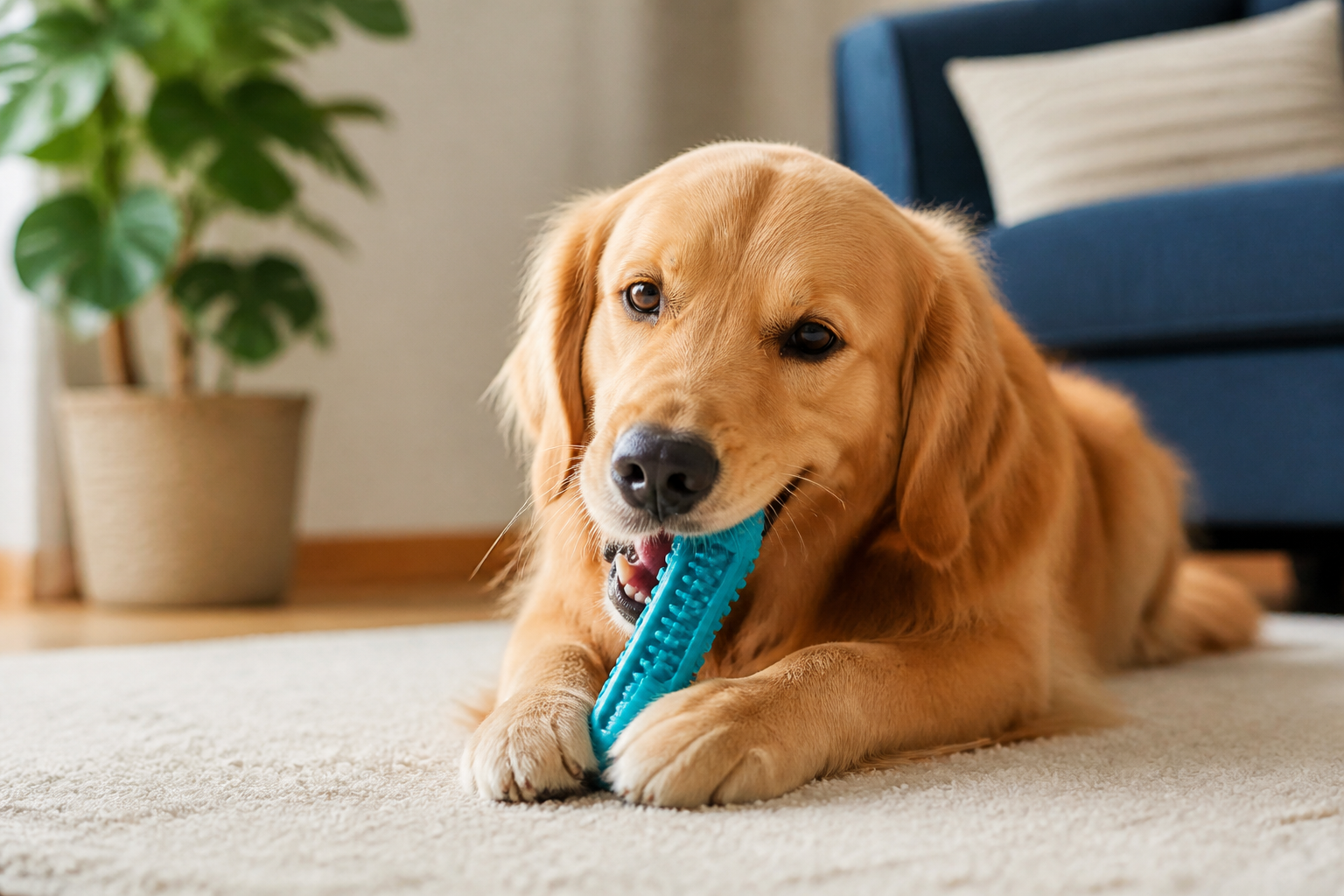
Chewing is the primary way a dog manages their own oral health. When a dog chews on a textured object, the surface of that item rubs against the teeth. This friction acts like a squeegee, pulling soft plaque away from the enamel. This is a biological drive for dogs. It does not just provide mental stimulation: it is a functional part of their self-care.
Not all chewing is created equal. Dogs tend to use their back molars for heavy crunching, which is why those teeth often look cleaner than the canines or the small incisors in the front. If a dog only chews on soft plush toys, they are not getting the mechanical resistance needed to actually clean the tooth surface.
You can support this natural behavior by providing appropriate outlets. Hard rubber toys from brands like Kong or RC Pets are designed to withstand heavy chewing while offering a surface that massages the gums. Some dogs also benefit from raw vegetables like carrots. These provide a satisfying crunch and a mild abrasive quality without the calorie count of traditional treats. Explore durable dental chew toys for additional options.
The Role of Dry Kibble in Dental Hygiene
There is a long-standing discussion about whether dry food is better for teeth than wet food. The general consensus is that large, crunchy kibble provides some dental benefit compared to soft canned food. As the dog bites down on a hard piece of kibble, the pellet must shatter. This shattering action provides a small amount of scraping along the tooth. Browse our dog food selection when comparing everyday feeding options.
However, many dogs tend to swallow small kibble whole. If the food does not require significant chewing, the dental benefit is minimal. Some premium brands, such as Royal Canin or Science Diet, create specific dental health formulas with extra-large kibble shapes. These are designed to force the dog to crunch, maximizing the contact between the food and the tooth. You can also explore our selection of Royal Canin products for available diets.
Key Takeaway: While dry food is generally better for dental health than wet food, it is not a complete solution. Mechanical cleaning from kibble usually only reaches the tips of the teeth and does not clean effectively at the gumline where most bacteria hide.
The Essential Habit of Brushing at Home
If you want to know the most effective way dogs keep their teeth clean, the answer is manual brushing. It is the gold standard for a reason. Brushing allows you to reach the gumline and the crevices where food particles and bacteria collect.
You should always use a toothpaste specifically formulated for dogs. Human toothpaste contains xylitol, which is toxic to dogs, and fluoride, which can upset their stomachs since they do not spit it out. Dog toothpastes often come in flavors like poultry, beef, or peanut butter to make the process a reward rather than a chore. See our dog dental care supplies for toothpaste, brushes, wipes, and other oral-care products.
Tips for Successful Brushing
Step 1: Introduce the paste. Let your dog lick a small amount of poultry or beef flavored toothpaste off your finger. This builds a positive association with the taste.
Step 2: Start with your finger. Rub your finger along their gums and teeth to get them used to the sensation of being handled around the mouth.
Step 3: Introduce the brush. Use a soft-bristled dog toothbrush or a finger brush. Gently move in circular motions along the outer surfaces of the teeth. A Virbac C.E.T. pet toothbrush offers soft bristles for smaller dogs and cats.
You do not need to worry about the inside surfaces of the teeth as much. A dog's tongue does a fair job of cleaning those areas naturally. Focus your energy on the outside of the upper molars and the canines.
Understanding the VOHC Seal
When shopping for dental products, you will often see a seal from the Veterinary Oral Health Council (VOHC). This is an important trust signal. The VOHC is an independent body that reviews data from clinical trials conducted by pet product manufacturers.
If a product carries the VOHC seal, it means the council has verified that the product significantly reduces the accumulation of plaque or tartar. We carry several brands at BaxterBoo that have earned this distinction, including Greenies and certain Royal Canin diets. Looking for this seal ensures you are spending your money on products that have been scientifically proven to work. Our top pet dental care tips offer additional guidance on choosing oral-care products.
Vet Tip: Even with the best at-home care, tartar can still build up. Tartar is plaque that has mineralized and hardened. Once plaque becomes tartar, it cannot be brushed away. It requires a professional scaling by a veterinarian to remove safely.
Dental Treats and Edible Chews
Dental treats are one of the most popular ways owners help their dogs stay clean. These treats are engineered with specific textures that allow the tooth to sink into the treat before it breaks. This provides a deep cleaning action that reaches closer to the gums than standard kibble.
Some treats, like Greenies or Zesty Paws dental sticks, also include ingredients that help freshen breath and reduce the oral bacteria that cause plaque. It is important to monitor your dog while they enjoy these treats. If a dog gulps a large treat whole, they lose the dental benefit and run the risk of a digestive blockage. Always choose a treat size that matches your dog's weight. Consider Greenies Dental Dog Chew - Fresh as one available dental-chew option.
Bottom line: Dental treats are a fantastic supplement to brushing, but they should only account for about 10 percent of your dog's daily caloric intake.
Water Additives and Dental Powders
For dogs that absolutely refuse to have their teeth brushed, water additives and powders offer a passive way to manage oral health. These products often contain enzymes or natural ingredients like seaweed that help break down the biofilm of plaque before it can harden.
Water additives are tasteless liquids you pour into your dog's water bowl. As the dog drinks, the solution coats the mouth and helps kill bacteria. Dental powders, like those from ProDen PlaqueOff, are sprinkled over your dog's food. These work systemically through the saliva to soften existing tartar and prevent new plaque from sticking. Our dental and breath care category includes water additives, gels, chews, and other oral-care products.
While these are not as effective as manual brushing, they are far better than doing nothing. They are especially useful for senior dogs or rescue dogs that may have mouth sensitivity or anxiety about being handled.
Prescription Dental Diets and the BaxterBoo Pharmacy
In some cases, a standard over the counter dental treat is not enough. If your dog is prone to rapid plaque buildup or has a history of periodontal disease, your vet might recommend a prescription dental diet. These diets are specially formulated with a fiber matrix that does not shatter immediately. Instead, the tooth sinks into the kibble, which gently "scrubs" the tooth surface.
Our pharmacy provides a direct way to access these specialized foods and medications through our partnership with Pet's Choice. We carry prescription diets from trusted brands like Farmina Vet Life and Royal Canin. Because these are medical grade products, they require a valid prescription from your veterinarian.
Using our pharmacy allows you to manage your dog's chronic health needs alongside their regular food and toy orders. This integrated approach ensures your dog gets exactly what the vet ordered without the hassle of a separate trip to the clinic.
Signs of Dental Disease in Dogs
It is important to know when a dog's teeth are beyond the help of at-home cleaning. Periodontal disease is one of the most common conditions seen by veterinarians. It starts with gingivitis but can quickly progress to bone loss and systemic infection.
- Persistent bad breath: While "dog breath" is normal, a truly foul, rotting, or metallic smell is a sign of infection.
- Discolored teeth: Look for yellow or brown crusting near the gumline. This is tartar.
- Red or bleeding gums: Healthy gums should be a pale pink. Bright red or bleeding gums indicate inflammation.
- Changes in eating habits: If your dog starts dropping food or only chewing on one side, they may be in pain.
- Excessive drooling: New or increased drooling can signal oral discomfort.
If you notice these signs, a vet visit is the only safe next step. Trying to scrape tartar off at home with metal tools can damage the enamel and cause significant pain to your dog. Read warning signs of dental disease in dogs to review symptoms that deserve attention.
The Importance of Professional Veterinary Exams
Professional cleanings are a vital part of how dogs keep their teeth clean for the long term. During a professional cleaning, your dog is placed under general anesthesia. This is necessary because it allows the veterinarian to clean under the gumline, where the most damaging bacteria live.
Anesthesia also allows the vet to take dental X-rays. Since 60 percent of a dog's tooth is located below the gumline, X-rays are the only way to see if there are abscesses, root rot, or bone loss. A dog might have a tooth that looks perfectly white on top but is causing significant pain underneath. Yearly exams help catch these issues before they become emergencies.
Key Takeaway: Professional cleanings are not just about white teeth. They are about preventing the spread of bacteria to the heart, liver, and kidneys, which can happen when oral infections enter the bloodstream.
Managing Dental Care for Different Life Stages
A dog's dental needs change as they grow. Puppies need help as their adult teeth come in. This is the best time to start a brushing routine, as they are more adaptable to new sensations. We recommend using a very soft brush and making it a fun, rewarding experience.
Senior dogs often face more complex challenges. As dogs age, the enamel can wear down, and they become more susceptible to gum recession. If your senior dog has lost teeth, you may need to transition to softer foods or use dental wipes instead of a traditional brush. Managing dental health in senior dogs is crucial for their overall comfort and quality of life.
Small breeds like Chihuahuas, Yorkies, and Pugs are also at higher risk. Their teeth are often crowded into a smaller jaw, which creates more "nooks and crannies" for plaque to hide. If you own a small breed, you will likely need to be more diligent with daily brushing and may require more frequent professional cleanings.
Maintaining a Routine with Autoship and MVP Rewards
Consistency is the most difficult part of pet dental care. It is easy to forget to brush or run out of dental chews. Our Autoship programme is a practical way to stay on top of these needs. By scheduling regular deliveries of dental treats, toothpaste, or prescription diets, you ensure you never miss a day of care.
Plus, when you sign up for Autoship, you earn a free MVP Gold membership. This helps you earn rewards on every purchase, making it more affordable to maintain a high standard of health for your dog. You can also explore the MVP Rewards programme for more information.
Our goal at BaxterBoo is to make expert-level care accessible to every pet owner.
Whether you are visiting our warehouse in Vernon Hills or ordering online for home delivery, we are here to help you find the right tools for your dog's unique needs. We carry over 500 brands, ensuring you have access to the best dental care products on the market.
Summary of At-Home Dental Support
To keep your dog’s mouth in top shape, aim for a multi-layered approach. No single method is perfect, but combining them creates a strong defense against decay.
- Daily: Brush for at least 30 to 60 seconds or use a VOHC-approved water additive.
- Weekly: Provide 2 to 3 dental chews or high-quality rubber chew toys.
- Monthly: Check your dog's mouth for redness, swelling, or new tartar buildup.
- Yearly: Schedule a professional dental exam with your veterinarian.
Bottom line: A proactive dental routine can add years to your dog's life and save you thousands of dollars in emergency veterinary costs.
Conclusion
Helping your dog keep their teeth clean is a lifelong commitment that starts with simple, daily actions. By combining natural chewing behaviors with modern tools like enzymatic toothpastes, dental treats, and prescription diets, you can significantly reduce the risk of periodontal disease. Remember that bad breath is not just a nuisance. It is a signal from your dog’s body that they need your help. Start a routine today, and do not hesitate to reach out to your vet if you see signs of trouble. For all your dental care supplies, from toothbrushes to pharmacy-grade diets, you can count on us to provide the products and guidance you need. Explore our dog healthcare products to find oral-care options for your routine.
FAQ
Can dogs clean their own teeth by chewing on bones?
While chewing on bones can help scrape some plaque off the surface of the teeth, it is not a complete cleaning solution and comes with risks. Real bones can splinter and cause internal injuries or can be hard enough to fracture a dog's teeth. It is much safer to use VOHC-approved dental chews or hard rubber toys that are designed to clean teeth without the risk of injury.
How often do I really need to brush my dog's teeth?
Ideally, you should brush your dog's teeth every single day to remove plaque before it has a chance to harden into tartar. If a daily schedule is not possible, aim for at least three times a week. Anything less than that is significantly less effective because plaque can mineralize into hard tartar in as little as 24 to 48 hours.
Are dental treats as effective as brushing?
Dental treats are a helpful supplement, but they are not as effective as manual brushing. Brushing allows you to physically scrub the gumline and reach every tooth, whereas treats primarily clean the surfaces the dog uses for chewing. For the best results, use dental treats on days when you are unable to brush or as a reward after a brushing session.
Is it safe to use human toothpaste on a dog?
No, you should never use human toothpaste on a dog. Many human toothpastes contain xylitol, an artificial sweetener that is highly toxic to dogs and can cause life-threatening liver failure or low blood sugar. Human toothpaste also contains foaming agents and fluoride that are meant to be spit out, which dogs cannot do, leading to significant stomach upset.






