
 Save 15% on your 1st Autoship learn more

 Email us
 Live Chat
 FAQs
FAQs





Introduction
You are sitting on the couch when your dog walks over to give you a friendly nudge. Instead of a pleasant greeting, you are met with a wave of breath that smells like old gym socks. This is a common moment for many pet owners. It often leads to a quick look at the teeth, where you might see yellowing or redness along the gumline. While we know brushing is the gold standard, many dogs simply will not tolerate a toothbrush. At BaxterBoo, we have spent years helping owners find effective alternatives that work with a dog's natural instincts rather than against them. This guide covers how dogs used to keep their mouths healthy in the wild, the role of their biological systems, and how you can use modern tools to mimic those natural processes. Understanding these mechanisms helps you build a routine that keeps your dog’s mouth fresh without the daily struggle.
Quick Answer: Dogs naturally clean their teeth through mechanical abrasion from chewing and the chemical action of enzymes in their saliva. In a home setting, this is best replicated with VOHC-approved dental chews, raw vegetables like carrots, and natural supplements that disrupt plaque formation.
The Biology of the Dog’s Mouth
To understand how dogs clean their teeth, we must look at the biological environment of the canine mouth. Unlike humans, dogs do not have amylase in their saliva to begin breaking down starches. Their saliva is primarily designed to lubricate food and move it down the throat quickly. However, it also plays a role in managing the oral microbiome.
The oral microbiome is a community of bacteria that lives on the teeth and gums. Some of these bacteria are beneficial, while others lead to the formation of plaque. Plaque is a sticky film that begins to form just hours after a meal. If it is not disrupted, it reacts with minerals in the saliva to harden into tartar, also known as calculus. Once tartar forms, it creates a rough surface that allows even more bacteria to attach.
Dogs have a slightly more alkaline mouth than humans, which can actually encourage the mineralization of plaque into tartar. This is why natural cleaning methods must focus on two things. First, they need to physically scrape the teeth. Second, they need to change the chemical environment of the mouth to make it less hospitable for bad bacteria.
How Ancestral Dogs Managed Dental Health
In the wild, dogs did not have owners to brush their teeth, yet they often maintained remarkably clean mouths until old age. This was largely due to their diet. Wolves and wild canines consume whole prey, which involves tearing through tough hide, muscle, and connective tissue.
This tearing and pulling action acts like natural dental floss. As a dog pulls meat away from a bone, the fibers of the tissue rub against the entire surface of the tooth, right down to the gumline. Additionally, wild dogs chew on raw bones. The act of crushing bone provides significant mechanical abrasion that scrubs away plaque before it has a chance to harden.
Modern domestic dogs typically eat kibble or canned food. Contrary to popular belief, most standard kibble does not clean teeth. It is often small enough that dogs swallow it whole, or it shatters instantly upon contact with the tooth. This provides zero cleaning benefit. In fact, many commercial diets are high in carbohydrates, which can provide a food source for plaque-forming bacteria.
Mechanical Abrasion through Chewing
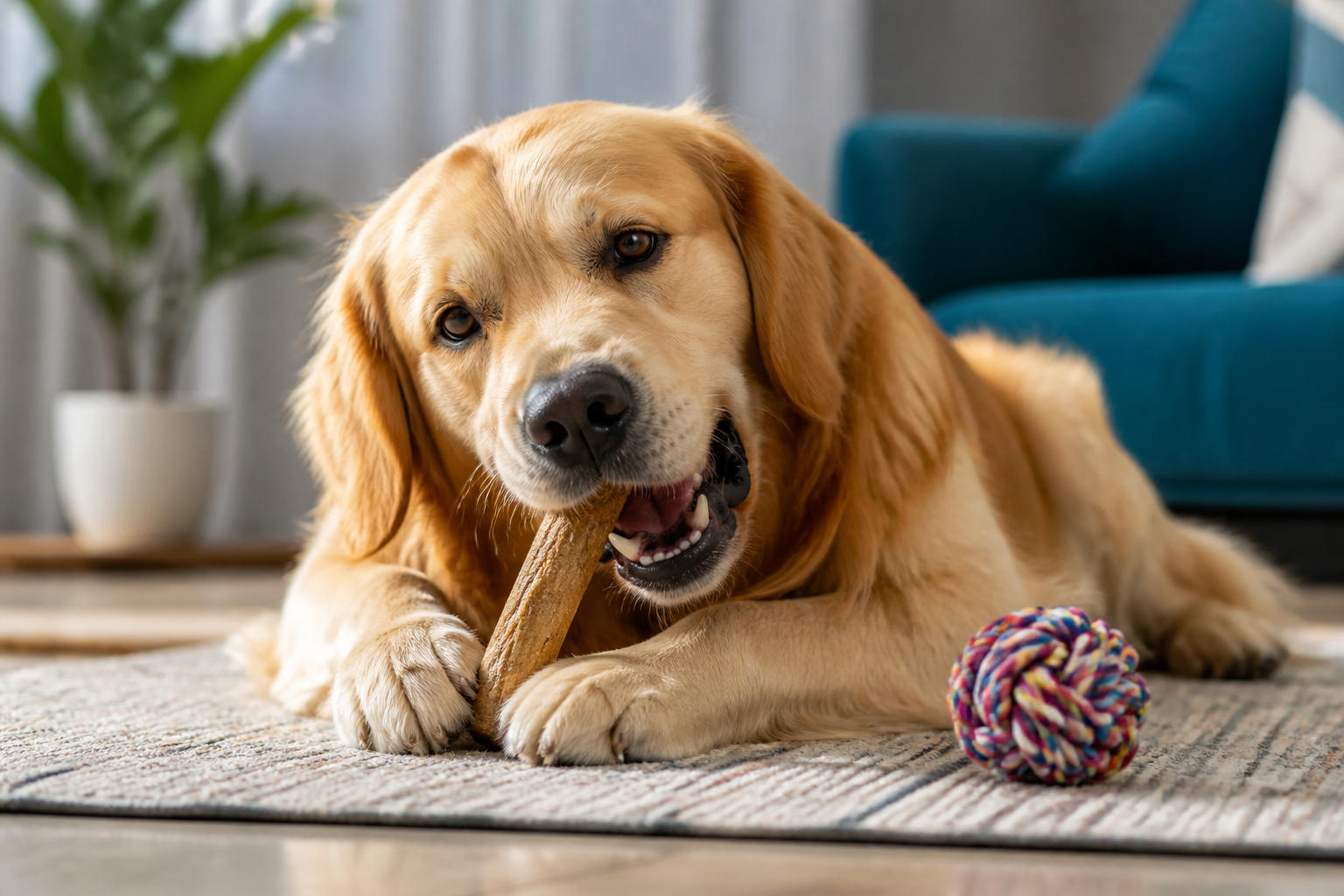
The most effective "natural" way for a modern dog to clean their teeth is through chewing. When a dog engages in long duration chewing, the repeated friction against the tooth surface helps remove biofilm.
The Role of Safe Rawhide and Chews
Not all chews are created equal. To provide a cleaning benefit, a chew needs to be firm enough to provide resistance but not so hard that it breaks a tooth. We often recommend looking for products that carry the Veterinary Oral Health Council (VOHC) seal. This seal indicates that the product has been clinically tested to reduce plaque or tartar by at least 15 to 20 percent.
For more options, explore our dog dental treats and chews, including products designed for different sizes and chewing preferences.
Chew Toys and Texture
Rubber or nylon toys with ridges and nubs are excellent for natural cleaning. As the dog chews, these nubs sink into the gaps between the teeth. This mimics the way ancestral dogs used hide and hair to clean their mouths. Toys from trusted brands like Kong are designed to withstand the pressure of a dog's jaw while providing the necessary friction.
Key Takeaway: Mechanical cleaning requires "contact time." A treat that is swallowed in ten seconds does nothing for dental health. A chew toy or long-lasting treat that takes ten to twenty minutes to consume provides the friction needed to disrupt plaque.
The Power of Raw Vegetables
If you are looking for a low calorie, natural way to assist with dental cleaning, look no further than your refrigerator. Certain raw vegetables provide excellent mechanical abrasion.
Raw carrots are a favorite for many dogs. They are crunchy and firm, requiring the dog to use their back molars to break them down. This scraping action is surprisingly effective at removing surface debris. Slices of raw apple can also help, though they contain more sugar and should be given in moderation.
Cruciferous vegetables like broccoli stalks can also be useful. The fibrous nature of the stalk acts similarly to the connective tissues found in a wild diet. Always supervise your dog when giving large pieces of vegetables to ensure they do not try to swallow a large chunk whole, which could pose a choking hazard.
Natural Supplements and Enzyme Action
Beyond physical scrubbing, we can use natural chemistry to keep teeth clean. One of the most effective tools is a specific type of North Atlantic seaweed called Ascophyllum nodosum.
This seaweed is the active ingredient in many high quality dental powders. When a dog eats it, the compounds are absorbed into the bloodstream and eventually released back into the mouth through the saliva. These compounds work to break down the bacterial biofilm that allows plaque to stick to the teeth. Over time, it can even soften existing tartar, making it easier to remove through chewing.
ProDen PlaqueOff Powder Dog and Cat Teeth Care is one option that can be added to food as part of a daily dental routine.
Enzymatic treats are another great option. These contain enzymes like glucose oxidase or lactoperoxidase. These enzymes produce a natural antibacterial effect in the mouth. They help kill the bacteria that cause bad breath and gum disease without the need for harsh chemicals.
Identifying When Natural Methods Need Help
While natural cleaning is effective for maintenance, it has limits. Natural methods are preventative. They are great at stopping plaque from becoming tartar. However, once tartar has hardened into that brown, stony substance on the teeth, no amount of carrots or seaweed will completely remove it.
You should regularly perform a "flip the lip" test at home. Lift your dog's upper lip and look at the back molars. These are the teeth most likely to collect tartar because they are near the salivary glands. Check for:
- Heavy brown or yellow deposits
- Red or bleeding gums (gingivitis)
- A persistent, foul odor that goes beyond "dog breath"
- Loose teeth or receding gumlines
If you notice these signs, your dog likely has periodontal disease. This is a painful condition that can lead to systemic health issues. Bacteria from an infected mouth can enter the bloodstream and damage the heart, kidneys, and liver.
For additional guidance on warning signs, read how to recognize bad teeth in dogs.
Vet Tip: If your dog has significant tartar buildup or red, inflamed gums, a professional cleaning under anesthesia is the only safe way to restore their health. Once the vet provides a "clean slate," you can use natural methods to maintain those results and prevent future buildup.
The BaxterBoo Pharmacy and Professional Care
Sometimes, despite our best efforts with natural chews and supplements, a dog develops a dental infection or advanced gum disease. In these cases, your veterinarian may prescribe specific medications. This might include antibiotics to clear up an infection or specialized prescription diets designed with a specific fiber matrix that scrubs teeth better than standard kibble.
Our pet pharmacy offers access to veterinary-authorized medications and prescription products. If your vet suggests a prescription dental food or a course of medication after a professional cleaning, we can help fulfill those needs conveniently. This integrated approach ensures that your dog gets the expert medical care they need alongside the high quality gear and treats we provide.
Why Small Breeds Need Extra Attention
Small dogs and brachycephalic (flat-faced) breeds are genetically predisposed to dental problems. Dogs like Yorkies, Chihuahuas, and Pugs have the same number of teeth as a Great Dane, but those teeth are crowded into a much smaller jaw.
This crowding creates many tiny crevices where food and bacteria get trapped. These areas are almost impossible to reach with natural chewing alone. For these dogs, we suggest a more aggressive approach to natural care. This might include:
- Daily dental powder in their food
- Water additives that provide antibacterial support every time they drink
- Specific "mini" dental chews designed for smaller mouths
Because their dental disease progresses so much faster, these breeds often require more frequent professional checkups. A small dog can lose a tooth to decay much faster than a large dog because the roots are so shallow.
Creating a Natural Dental Routine
The secret to a healthy mouth is consistency. A single carrot once a week is not a dental plan. A successful routine uses multiple layers of protection.
Step 1: Daily Supplementation. Add a VOHC-approved dental powder or water additive to your dog's routine. This provides constant chemical protection against plaque bacteria.
Step 2: Controlled Chewing. Provide a dental chew or a safe chew toy three to four times a week. This provides the mechanical scrubbing needed for the larger surfaces of the teeth.
Step 3: Visual Checks. Once a week, check the gums and teeth. This helps you catch changes early before they become expensive and painful problems.
Step 4: Professional Oversight. Ensure your vet does a thorough dental exam during your annual wellness visit. This is a standard part of our commitment to pet health through our partnership with FIGO pet insurance and local veterinary experts.
For more practical at-home ideas, see our pet dental care tips.
Common Mistakes in Natural Dental Care
One of the biggest mistakes owners make is using objects that are too hard. We often hear from owners who give their dogs elk antlers or cow hooves because they are "natural." While these are natural, they are also harder than the tooth enamel.
We have seen many dogs come into the warehouse with "slab fractures." This is when a dog bites down on something too hard and a piece of the tooth shears off. This exposes the nerve and is incredibly painful. If you cannot indent the item with your thumbnail, it is likely too hard for your dog to chew safely.
Another mistake is relying on "dental" treats that are loaded with sugar and grain. Always read the ingredient label. A treat that is mostly corn starch and sugar might be hard, but it is also feeding the very bacteria you are trying to eliminate. Stick to high quality brands like Stella and Chewy’s or Honest Paws that focus on clean ingredients.
Bottom line: Natural dental care is about mimicking the mechanical and chemical actions of an ancestral diet while avoiding modern hazards like sugary treats or overly hard chews.
Safe Bones: Raw vs. Cooked
Bones are the most traditional "natural" toothbrush, but they come with strict rules. You should never, under any circumstances, feed your dog cooked bones. Cooking changes the molecular structure of the bone, making it brittle. When a dog chews a cooked bone, it can splinter into sharp shards that can puncture the esophagus, stomach, or intestines.
Raw meaty bones are different. They are softer and more flexible. Many owners who follow a raw diet use "recreational bones" like beef femurs or knuckle bones. These allow the dog to gnaw on the surface, which provides excellent cleaning. However, you must still be careful.
Large, weight-bearing bones from cows are very dense. While they are great for scraping, aggressive chewers can still chip a tooth on them. If you choose to use raw bones, always supervise the session and remove the bone once the dog has cleaned off the meat and marrow.
For more chew ideas and selection guidance, browse our roundup of dental chews for dogs.
The Role of Water Additives
Water additives are a passive way to clean teeth naturally. These are liquid concentrates you add to your dog's drinking water. Most are flavorless and odorless.
Synergy Labs Dental Fresh Water Additive Dog Original Formula is one product designed for adding to a dog’s water as part of an oral-care routine.
They work by using enzymes or natural minerals to neutralize the sulfur compounds that cause bad breath. Some also contain ingredients that prevent plaque from sticking to the enamel. This is a great "backup" method for dogs that are extremely picky or those that cannot have the extra calories of dental chews.
We recommend using water additives alongside a mechanical method like a chew toy. On its own, a water additive cannot remove existing buildup, but it is an excellent tool for keeping the mouth fresh between cleanings.
Monitoring Results
How do you know if your natural routine is working? The most obvious sign is the breath. If the "socks" smell disappears and is replaced by a neutral odor, you are on the right track.
Next, look at the color of the gums. Healthy gums should be a soft pink color, similar to a human's. If the thin line of tissue where the tooth meets the gum is bright red or purple, there is still active inflammation.
Finally, look for the "white" of the teeth. While dogs don't need Hollywood-white teeth, they should not have thick brown or grey crusting at the top of the tooth. If your routine is working, you should see those areas stay clear or even see small pieces of softened tartar flake off during play.
Conclusion
Helping your dog maintain a clean mouth does not have to be a daily battle with a toothbrush. By leveraging their natural urge to chew and using biology-based supplements, you can keep plaque at bay. Start with a foundation of high quality nutrition, add mechanical cleaning through safe toys and vegetables, and support the oral microbiome with natural powders. Remember that while these methods are powerful preventatives, they do not replace the need for professional veterinary care when disease is present. We are here to support that journey with the right gear and our specialized pharmacy services.
- Chewing provides the mechanical friction needed to remove plaque
- Raw vegetables like carrots offer a low-calorie cleaning option
- Natural supplements can chemically disrupt the formation of tartar
- Small breeds and flat-faced dogs need more frequent dental attention
Key Takeaway: A multi-layered approach involving mechanical chewing, natural supplements, and regular visual checks is the most effective way to care for your dog's teeth naturally.
FAQ
Can raw bones really clean my dog’s teeth?
Raw meaty bones provide excellent mechanical abrasion as the dog gnaws and tears, which helps scrape away plaque. However, you must avoid cooked bones as they splinter, and very hard weight-bearing bones can sometimes cause tooth fractures in aggressive chewers.
Are dental chews better than brushing?
Brushing is technically the most effective way to remove plaque, but dental chews with the VOHC seal are a highly effective alternative for dogs that won't tolerate a brush. The best results usually come from a combination of daily supplements and regular access to dental chews or toys.
Does kibble help clean a dog's teeth naturally?
Most standard kibble does not provide dental benefits because the pieces are too small and shatter too easily to provide any scrubbing action. Some specialized prescription dental diets have a larger, fibrous kibble structure that is designed to stay in contact with the tooth longer, but standard dry food is not a substitute for dental care.
How can I tell if my dog has dental pain?
Dogs are experts at hiding pain, but you may notice them dropping food, chewing on only one side of their mouth, or suddenly losing interest in hard toys. Other signs include excessive drooling, pawing at the face, or becoming "head shy" and pulling away when you try to touch their muzzle.






