
 Save 15% on your 1st Autoship learn more

 Email us
 Live Chat
 FAQs
FAQs





Introduction
You are enjoying a quiet morning on the couch when your dog leans in for a face lick. Suddenly, you realize their breath is much stronger than usual. It is a common moment for many pet owners that leads to a big question about oral hygiene. Keeping a dog's mouth healthy involves more than just a lucky break in genetics. At BaxterBoo, we know that a clean mouth is the gateway to a long and healthy life for your furry friend. This article covers practical ways to manage plaque and tartar at home while knowing when to seek professional help. A proactive routine is the best way to ensure those doggy kisses stay sweet and your pet stays comfortable for years to come.
Quick Answer: Dogs' teeth stay clean through a combination of mechanical scraping from chewing, chemical enzymes in specialized products, and manual brushing. A complete routine includes daily brushing, dental-friendly treats, and regular veterinary checkups to prevent tartar from hardening into serious disease.
The Importance of Oral Hygiene in Dogs
Many owners think that bad breath is just a natural part of being a dog. While a dog's breath will never smell like mint, it should not be offensive or foul. If you find yourself pulling away when your dog gets close, there is likely a buildup of bacteria. This bacteria forms a sticky film called plaque. If plaque is not removed, it mixes with minerals in the saliva and hardens into tartar within a few days.
Tartar is much harder to remove than plaque. It provides a rough surface where even more bacteria can grow. This cycle leads to periodontal disease, which is the most common health issue in adult dogs. It does not just stay in the mouth either. Bacteria from infected gums can enter the bloodstream. From there, it can travel to major organs like the heart, liver, and kidneys.
Keeping teeth clean is about more than a bright smile. It is about preventing chronic pain and systemic health issues. Dogs are experts at hiding pain. They may continue to eat even if they have a loose tooth or an abscess. By the time an owner notices a problem, the condition is often advanced. Regular maintenance helps you catch small issues before they become expensive and painful emergencies.
The Gold Standard: Manual Brushing
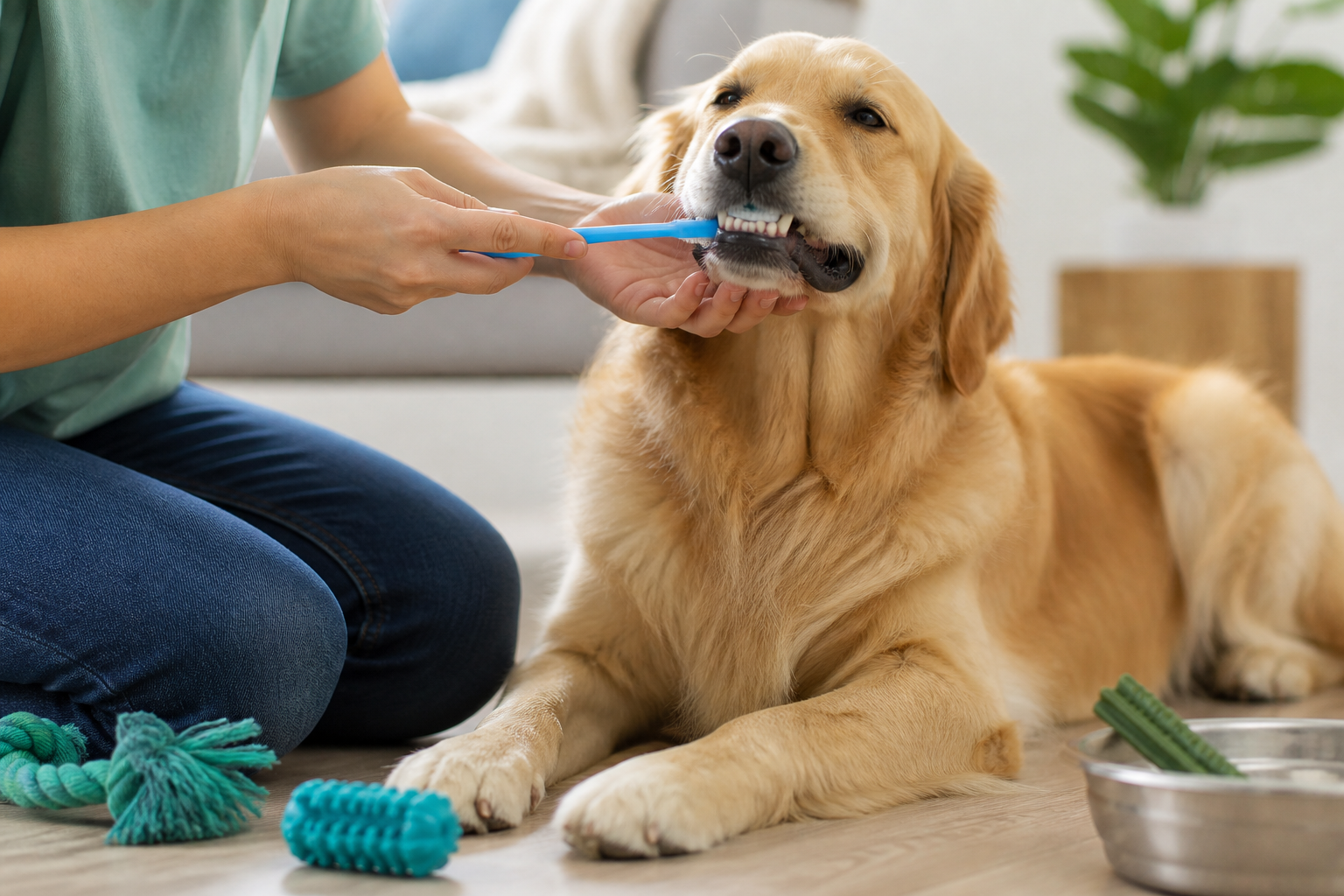
Brushing your dog's teeth is the most effective way to keep their mouth clean. It physically disrupts the plaque before it has a chance to harden. While the idea of brushing a dog's teeth might seem difficult, most dogs can learn to accept it with patience. You do not need to brush for ten minutes like a human would. A quick session focusing on the outside of the teeth is usually enough.
Choosing the Right Tools
You should never use human toothpaste for your dog. Human formulas often contain xylitol, which is an artificial sweetener. Xylitol is extremely toxic to dogs and can cause life threatening drops in blood sugar. Human toothpaste also contains foaming agents that are meant to be spit out. Since dogs swallow everything, these agents can upset their stomachs.
Instead, look for a dedicated canine toothpaste. These come in flavors like poultry, beef, or peanut butter. Most dogs view the toothpaste as a treat rather than a chore. For the brush, you have options based on your dog's size. A finger brush is a small silicone cap that fits over your fingertip. This is great for small dogs or for owners who feel more in control using their hands. For larger dogs, a long handled brush with angled bristles helps you reach the back molars. A product such as Virbac C.E.T. Enzymatic Pet Toothpaste for Dogs and Cats - Poultry is made specifically for pets.
A Step-by-Step Brushing Routine
Step 1: Let them taste the paste. / Put a small amount of dog toothpaste on your finger and let them lick it off. This builds a positive association with the flavor.
Step 2: Touch the teeth and gums. / Gently lift your dog's lip and rub your finger along their gums. Do this for a few seconds and follow up with praise.
Step 3: Introduce the brush. / Put some toothpaste on the brush and let your dog lick it. Move the brush in a slow, circular motion on the front teeth.
Step 4: Target the back molars. / Slide the brush along the cheek to reach the large teeth in the back. This is where most tartar builds up.
Step 5: Keep it short and sweet. / Stop before your dog gets restless. A two minute session is perfect. End with a favorite toy or a healthy treat.
Vet Tip: If your dog has red, bleeding, or swollen gums, stop brushing and call your veterinarian. Brushing during an active infection can be painful and may push bacteria further into the gum line. A professional exam is necessary to determine the best course of treatment.
For more guidance on establishing a routine, read our tips for better pet dental care.
Using Dental Chews and Treats
Not every dog will sit still for a toothbrush. This is where dental chews and treats become valuable tools. These products work through mechanical action. As the dog gnaws on the treat, the texture scrapes against the surface of the tooth. This action helps rub away plaque in areas that are hard to reach. You can explore our dog dental food and treats for options suited to this part of a dental routine.
What to Look for in a Treat
When shopping for dental treats, look for the Veterinary Oral Health Council (VOHC) seal. This seal indicates that the product has been tested and proven to reduce plaque or tartar by at least twenty percent. Without this seal, a treat might just be a tasty snack without any real health benefits.
The density of the treat matters. A good dental chew should be firm enough to require several minutes of chewing but soft enough that you can indent it with your thumbnail. If a chew is as hard as a rock, it could actually cause a tooth fracture. We see many fractured carnassial teeth from dogs chewing on items that are too hard.
Managing Calories
It is important to remember that dental treats contain calories. If you give your dog a large dental chew every day, you may need to reduce their meal portions slightly. Obesity is another major health concern for dogs, so balance is key. You can also look for low fat dental chews if your pet is on a weight management plan. Using our Autoship programme for your favorite treats ensures you never run out and can keep the routine consistent.
Key Takeaway: Dental chews are a helpful supplement but are rarely enough on their own. They work best when used alongside brushing or other cleaning methods to ensure the entire mouth is covered.
For additional ideas, see our guide to dental chews for dogs.
Dental Toys and Enrichment
Playtime can double as a cleaning session if you choose the right toys. Certain materials are better at cleaning teeth than others. Rubber toys with nubs or ridges are excellent for massaging the gums and scraping the teeth. Rope toys can act like dental floss as the fibers slide between the teeth during a game of tug.
Safe Chewing Habits
Always supervise your dog when they are chewing on toys. If a toy begins to break apart, take it away immediately. Swallowing large pieces of rubber or plastic can cause intestinal blockages. Avoid toys made of very hard materials like antlers or dried bones. These are often harder than the tooth enamel itself and lead to chips and breaks.
Interactive Dental Play
Some toys are designed to hold dental toothpaste or small treats. This encourages the dog to chew specifically on the textured parts of the toy. If you have a dog that loves to gnaw, these are a great way to keep them occupied while supporting their oral health.
- Choose toys sized appropriately for your dog's jaw.
- Inspect toys weekly for signs of wear and tear.
- Clean rubber toys regularly to remove bacteria and saliva buildup.
- Rotate toys to keep your dog interested in chewing.
Water Additives and Dental Powders
For owners with very busy schedules or pets that are difficult to handle, water additives and powders offer a low effort solution. These products are often referred to as "mouthwash for dogs." You simply add a measured amount to their daily water bowl or sprinkle a powder over their food. Our dog dental supplements include products designed for this type of routine.
How They Work
Most water additives contain enzymes or ingredients like chlorhexidine that help kill bacteria in the mouth. This reduces the amount of plaque that can form in the first place. These solutions are generally tasteless and odorless, so most dogs do not even realize they are there. If your dog is a picky drinker, start with a very small amount and gradually increase it to the recommended dose.
Dental powders often use a specific type of seaweed or probiotics to change the chemistry of the saliva. This makes it harder for plaque to stick to the teeth. These are especially helpful for dogs that eat wet food, as wet food tends to stick to the teeth more than dry kibble. At BaxterBoo, we find that combining an additive with a weekly brushing session provides a strong defense against tartar.
The Role of Diet in Dental Health
What your dog eats every day has a significant impact on their teeth. There is a long standing debate about whether dry kibble cleans teeth better than wet food. While the crunch of kibble provides some mechanical cleaning, most standard kibble pieces shatter too quickly to do much work. However, some specialized diets are formulated specifically for dental health.
Prescription Dental Diets
If your dog is prone to heavy tartar buildup, your vet might suggest a prescription dental diet. These kibbles are much larger than standard food. They are designed with a specific fiber matrix that does not shatter. Instead, the tooth sinks into the kibble, allowing the fibers to scrub the tooth all the way to the gum line.
These diets also contain minerals that bind to calcium in the saliva. This prevents the calcium from being used to harden plaque into tartar. Our pharmacy provides these specialized prescription foods through our partnership with Pet's Choice. Because these are medical products, you will need a valid prescription from your veterinarian to order them. Visit our pet pharmacy when your veterinarian recommends prescription support.
Water and Hydration
Access to fresh, clean water is vital. Water helps wash away food particles after a meal. It also keeps the mouth moist, which is important because saliva contains natural enzymes that fight bacteria. Make sure to scrub your dog's water bowl with soap and water daily. Slime that builds up on the inside of the bowl is a biofilm of bacteria that you do not want your dog to ingest.
Recognizing Signs of Dental Trouble
Even with the best home care, problems can still arise. It is important to perform a "flip the lip" check once a week. This allows you to see what is happening in the back of the mouth where problems usually start.
Symptoms to Watch For
- Red or bleeding gums along the tooth line.
- Heavy brown or yellow buildup on the teeth.
- Persistent bad breath that smells like rotting food or garbage.
- Dropping food while eating or chewing on only one side of the mouth.
- Pawing at the face or rubbing the mouth on the floor.
- Loose or missing teeth.
- Sudden changes in behavior, such as irritability or hiding.
If you notice any of these signs, a vet visit is the next step. Some of these symptoms can point to an abscessed tooth, which is incredibly painful and requires professional intervention. Early treatment can often save a tooth that would otherwise need to be extracted. You can also review warning signs of dental problems in dogs.
Vet Tip: Small breeds, like Chihuahuas and Pugs, are much more likely to suffer from dental disease. Their teeth are often crowded together in a small mouth, which creates more places for bacteria to hide. If you own a small dog, you must be extra diligent with daily home care.
Professional Veterinary Cleanings
No matter how well you brush, almost every dog will eventually need a professional cleaning. Just like humans visit a dental hygienist, dogs need a deep clean that reaches below the gum line. This procedure is called a dental prophylaxis.
The Importance of Anesthesia
A proper dental cleaning in dogs must be done under general anesthesia. Some places offer "anesthesia free" cleanings, but these are generally not recommended by veterinarians. Without anesthesia, it is impossible to clean the inside surfaces of the teeth or the deep pockets under the gums where the most damage occurs. Anesthesia also allows the vet to take dental X-rays. X-rays are the only way to see the health of the tooth roots and the surrounding bone.
What Happens During a Cleaning?
The veterinarian or a trained technician will use ultrasonic scalers to remove tartar. They then polish the teeth to smooth out the enamel. This is important because scaling can leave microscopic scratches where bacteria love to grow. If a tooth is found to be dead or infected, the vet can perform an extraction while the dog is already asleep. This ensures the dog wakes up with a pain free mouth.
Building a Dental Care Plan
The best way to keep your dog's teeth clean is to stay consistent. You do not have to do everything every day, but you should have a plan that covers several bases. A good plan might look like this:
- Daily: Add a water additive to the bowl.
- Daily: Offer one VOHC approved dental chew.
- 3 Times a Week: Brush the teeth with canine toothpaste.
- Weekly: Perform a quick mouth inspection for redness or tartar.
- Yearly: Have a professional oral exam during the annual wellness visit.
By combining these methods, you create multiple layers of protection. This reduces the frequency of professional cleanings and keeps your dog's overall health on the right track. You can earn points on all your dental supplies through the MVP Rewards programme, which helps make long term care more affordable.
Bottom line: Consistent home care is the most effective way to prevent painful dental disease and avoid the high costs of emergency oral surgery.
Conclusion
Taking care of your dog's teeth might feel like one more chore on a long list of pet parenting duties. However, the benefits are well worth the effort. A clean mouth means a more comfortable dog and fewer health scares down the road. Whether you choose to brush every day or use a combination of treats and water additives, the goal is the same: to keep that smile healthy. Remember that your veterinarian is your best partner in this journey. They can help you identify early signs of trouble and guide you toward the right products for your dog's specific needs.
- Always use pet safe toothpaste and avoid human products.
- Look for the VOHC seal on treats and chews.
- Start dental care as early as possible to get your dog used to the routine.
- Schedule a vet exam if you notice bleeding gums or foul breath.
Key Takeaway: Success in dog dental care comes from finding a routine that works for both you and your pet. Even small steps, like adding a dental powder to their food, can make a significant difference over time.
For all your dental care needs, from enzymatic toothpastes to prescription diets, visit our dog healthcare and dental care collection. We are here to help you find the right tools to keep your dog’s pearly whites in top shape.
FAQ
Why is my dog's breath so bad even though they are young?
Bad breath in young dogs can be caused by a few things, including the transition from puppy teeth to adult teeth. However, it can also be a sign of early plaque buildup or even something they ate in the yard. If the smell is persistent and foul, it is best to have a veterinarian check for any underlying infections or mouth sores.
Can I use a human toothbrush on my large dog?
Yes, a soft bristled human toothbrush is usually fine for large dogs. The main thing to avoid is a brush that is too hard, which can irritate the gums. For smaller dogs, a child's toothbrush or a specialized finger brush is a much better fit for their smaller mouths.
How often do I really need to brush my dog's teeth?
Ideally, you should brush your dog's teeth every day to prevent plaque from hardening into tartar. However, if that is not realistic for your schedule, aim for at least three times a week. Anything less than twice a week is usually not enough to prevent significant tartar buildup.
Are bones safe for cleaning my dog's teeth?
Raw bones can help scrape teeth, but they come with significant risks. They can cause tooth fractures, gum injuries, or even dangerous intestinal blockages if swallowed. Most veterinarians recommend sticking to VOHC approved dental chews and rubber toys, which are designed to be much safer for your dog's teeth and digestive system.






