
 Save 15% on your 1st Autoship learn more

 Email us
 Live Chat
 FAQs
FAQs





Introduction
You are sitting on the couch when your dog trots over for a friendly greeting. As they open their mouth to yawn or give you a lick, you notice a smell that is far from pleasant. It is more than just common dog breath. It is a sharp or rotting scent that makes you pull away. This is the moment most owners realize that dental hygiene is not just a human requirement. At BaxterBoo, we know that a clean mouth is the gateway to a long and healthy life for your canine companion. This guide covers everything from daily brushing techniques to the best dental chews and professional care. By building a consistent routine, you can protect your dog from pain and expensive veterinary procedures.
Why Dental Care Is Critical for Dogs
Many owners view dental care as a secondary concern compared to vaccinations or heartworm prevention. However, oral health affects almost every system in a dog’s body. When plaque and tartar build up on the teeth, they harbor bacteria. These bacteria do not just stay in the mouth. They can enter the bloodstream through inflamed gums. Once in the blood, these bacteria can travel to the heart, liver, and kidneys. This increases the risk of chronic organ damage over time.
Periodontal disease is incredibly common. Most dogs show signs of it by the time they are three years old. It often starts with simple redness along the gum line. If left untreated, it progresses to receding gums, bone loss, and loose teeth. A dog in the advanced stages of dental disease is often in significant pain. Because dogs are experts at hiding discomfort, you might not even realize they are suffering until they stop eating. Keeping their teeth clean is about more than just fresh breath. It is about preventing systemic illness and keeping your pet comfortable. For additional guidance, read about warning signs of bad teeth in dogs.
Brushing Your Dog’s Teeth: The Gold Standard
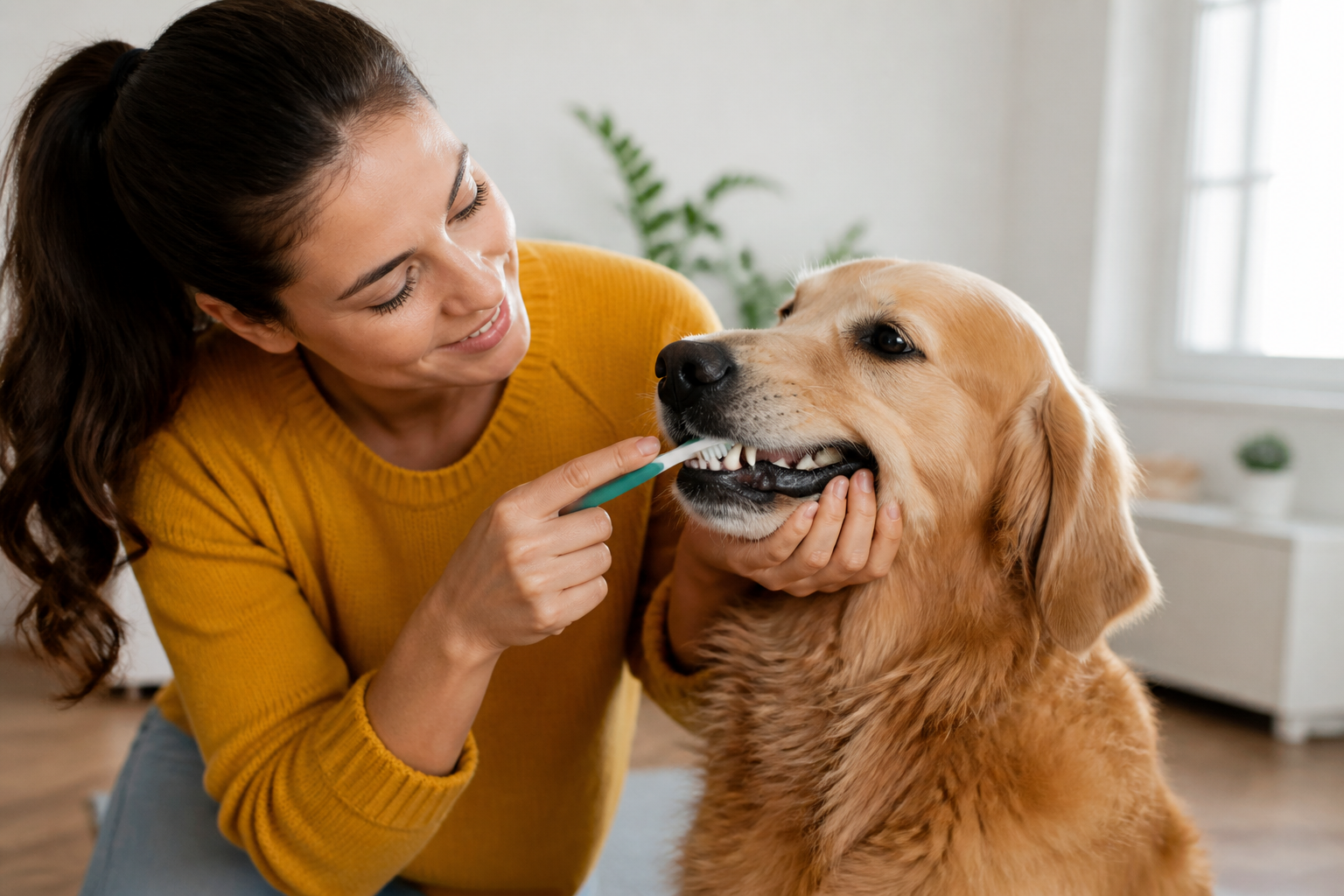
Brushing is the most effective way to remove plaque before it hardens into tartar. While it might seem daunting, most dogs can learn to accept the process. The key is to use the right tools and move at your dog's pace. Never use human toothpaste. It often contains xylitol, which is highly toxic to dogs. It also contains foaming agents that can upset a dog’s stomach when swallowed.
Choosing the Right Gear
You need a brush that fits the size of your dog’s mouth. For large breeds, a standard dog toothbrush with a long handle works well. This allows you to reach the back molars without putting your hand too far into their mouth. Small dogs often do better with a fingertip brush. This is a small silicone cap that fits over your index finger. It gives you more control and is less intimidating for a tiny puppy or a toy breed.
Dog toothpastes come in flavors like poultry, beef, and peanut butter. This makes the experience feel more like a treat than a chore. If your dog has food sensitivities, look for hypoallergenic options. You can find a variety of brushes and flavored pastes in our dog dental care category.
How to Start a Brushing Routine
Transitioning your dog to brushing should take about a week of gradual steps.
Step 1: Introduce the paste. / Let your dog lick a small amount of dog-safe toothpaste off your finger. Do this for two or three days so they associate the flavor with a positive experience.
Step 2: Touch the teeth. / While they lick the paste, gently lift their lip and rub your finger along their gums. This gets them used to the sensation of having their mouth handled.
Step 3: Introduce the brush. / Put a small amount of paste on the brush. Let them lick it off the bristles first. Then, gently brush just the front teeth in a circular motion.
Step 4: Reach the back. / Gradually move toward the back molars. Most plaque accumulates on the outside of the teeth, near the cheeks. If your dog resists brushing the inside surfaces, focus on the outside for now.
Key Takeaway: Consistency matters more than perfection. Brushing three times a week is significantly better than once a month, though daily brushing is the ideal goal.
For more step-by-step ideas, explore these pet dental care tips.
Using Dental Chews and Treats
Not every dog will sit still for a toothbrush. If your dog is particularly resistant, dental chews are a fantastic supplemental tool. These treats are designed with specific textures that scrape away plaque as your dog chews. Some also contain enzymes that help break down the biofilm that leads to tartar.
When shopping for dental treats, look for the Veterinary Oral Health Council (VOHC) seal. This seal indicates that the product has been tested and proven to reduce plaque or tartar by at least 20 percent. Brands like Greenies are popular because they are highly palatable and come in various sizes. It is important to match the treat size to your dog. A treat that is too small can be a choking hazard, while one that is too large adds unnecessary calories to their diet. Browse our dog dental health selection for chews, treats, and other oral-care options.
Vet Tip: Always supervise your dog when they are working on a dental chew. If they try to swallow large chunks, it can lead to a digestive blockage. Remove the chew once it becomes small enough to be swallowed whole.
The Role of Diet in Dental Health
What your dog eats every day has a direct impact on their oral hygiene. There is a common belief that all dry kibble cleans teeth. While kibble is generally better than wet food for dental health, most standard kibble crumbles too quickly to provide much scrubbing action.
Prescription Dental Diets
If your dog is prone to heavy tartar buildup, your veterinarian might recommend a therapeutic dental diet. These foods are engineered with a specific fiber matrix. Instead of shattering when the dog bites down, the kibble holds together, forcing the tooth to sink into the nugget. This provides a mechanical cleaning of the tooth surface all the way to the gum line.
Our pharmacy carries several prescription dental diets through our partnership with Pet's Choice. Brands like Royal Canin, Hill’s Prescription Diet, and Farmina Vet Life offer formulas specifically for oral health. These diets require a prescription from your vet because they are formulated to manage a specific health condition. They are an excellent option for dogs that absolutely refuse to have their teeth brushed.
Why Wet Food Can Be Challenging
Wet food tends to stick to the teeth and sit in the crevices of the gums. If you feed a primarily wet diet, it is even more important to incorporate other cleaning methods. You do not necessarily have to stop feeding wet food, especially if your dog needs it for hydration or kidney health. However, you should follow a wet meal with a dental chew or a quick brushing session to clear away the residue.
Water Additives and Dental Powders
For the busiest pet owners, water additives and food powders offer a low-effort way to support oral health. Water additives are often compared to mouthwash for dogs. You simply add a capful to their fresh water bowl every day. These solutions contain enzymes or ingredients like chlorine dioxide that kill the bacteria responsible for plaque and bad breath.
Dental powders work similarly but are sprinkled over the dog’s food. Products like VetriScience Perio Support use probiotics and enzymes to manage the bacterial load in the mouth. These are especially helpful for older dogs who might have sensitive gums that make brushing uncomfortable.
- Choose a tasteless water additive to prevent your dog from avoiding their water bowl.
- Check that the powder or additive is safe for dogs with underlying conditions like kidney disease.
- Ensure fresh water is always available alongside the treated water.
Key Takeaway: Additives and powders are great supplements, but they cannot remove existing tartar. They are best used as a preventive measure after a professional cleaning.
Choosing the Right Toys for Teeth
Playtime can double as a cleaning session if you choose the right toys. Certain materials are better at scrubbing teeth than others. Rubber toys with nubs, ridges, or deep grooves are excellent. As your dog gnaws on the toy, the rubber massages the gums and scrapes the teeth. Kong toys and other heavy-duty rubber options are durable and effective.
Rope toys can also act like dental floss. As the dog’s teeth sink into the fibers, the rope rubs against the sides of the teeth. However, you must monitor rope toys closely. If your dog starts to shred the rope and swallow the strings, it can cause a life-threatening intestinal obstruction. Always discard rope toys once they start to fray.
Avoid toys that are too hard. A good rule of thumb is the "knee cap test." If you would not want to be hit in the knee with the toy, it is probably too hard for your dog's teeth. Items like cow hooves, heavy nylon bones, and natural bones are common causes of fractured teeth. A fractured tooth is incredibly painful and usually requires a professional extraction.
Recognizing the Signs of Dental Problems
You should perform a quick "mouth check" at home once a week. This helps you catch problems before they become severe. Flip up your dog's lips and look at the molars in the back. Healthy gums should be a light pink color. Healthy teeth should be white or off-white.
Watch for these warning signs:
- Persistent bad breath that does not go away after brushing.
- Red, swollen, or bleeding gums (gingivitis).
- Thick brown or yellow deposits on the teeth (tartar).
- Dropping food or "chattering" the jaw while eating.
- Pawing at the face or rubbing the muzzle against the carpet.
- Loose or missing teeth.
- Swelling under the eye, which can indicate a tooth root abscess.
If you notice any of these symptoms, it is time for a veterinary visit. Dental disease is often hidden under the gum line. A tooth might look fine on the surface while the root is rotting away. Only a veterinarian can perform a full assessment, often using X-rays to see what is happening beneath the surface.
Vet Tip: If your dog has a sudden change in eating habits or starts tilting their head to one side while chewing, do not wait for their annual exam. Dental pain can lead to weight loss and behavioral changes like irritability or lethargy.
Professional Veterinary Cleanings
Even with the best at-home care, most dogs will eventually need a professional cleaning. Just as humans visit the dentist for a deep clean despite brushing daily, dogs need the same level of care. A professional cleaning at the vet is called a dental prophylaxis.
Unlike human cleanings, dogs must be under general anesthesia for this procedure. There are two main reasons for this. First, a dog will not sit still while a vet uses sharp instruments to scrape under the gum line. Second, anesthesia allows the vet to place a tube in the dog’s windpipe. This prevents the dog from inhaling water and bacteria that are sprayed during the cleaning process.
During the cleaning, the vet will:
- Perform a full oral exam.
- Take dental X-rays to check for bone loss or root infections.
- Scale the teeth to remove tartar from above and below the gum line.
- Polish the teeth to smooth out any scratches that could trap bacteria.
- Extract any teeth that are diseased beyond repair.
Some owners are nervous about anesthesia, especially for senior dogs. Modern veterinary medicine has made anesthesia very safe. Your vet will perform pre-anesthetic blood work to ensure your dog's organs are functioning well before the procedure. The benefits of removing a source of chronic infection usually far outweigh the risks of the procedure.
Summary of a Complete Dental Routine
Keeping your dog's teeth clean is not about doing one thing perfectly. It is about using a multi-layered approach. No single treat or toy can replace the effectiveness of brushing, and no amount of brushing can replace the need for professional veterinary oversight.
To keep your dog's smile bright, follow this simple routine:
- Brush at least three times a week with dog-specific paste.
- Provide one VOHC-approved dental chew daily.
- Use a water additive or dental powder for extra bacterial control.
- Choose rubber or rope toys that provide mechanical scrubbing.
- Schedule a veterinary oral exam every 12 months.
At BaxterBoo, we carry over 500 trusted brands to help you manage every aspect of your pet's wellness. Whether you need a finger brush for a new puppy or a specialized diet for an older dog, we have the expert-curated selection to support your goals. By investing time in their dental health today, you are giving your dog a future free from oral pain and systemic disease.
For recurring dental products, consider our Autoship programme to help maintain a consistent routine.
Bottom line: A combination of at-home brushing, dental treats, and regular veterinary checkups is the only way to fully protect your dog's oral health.
FAQ
Can I use human toothpaste on my dog if it is a small amount?
No, you should never use human toothpaste for your dog. Most human pastes contain fluoride and detergents that are meant to be spit out, not swallowed. Many brands also contain xylitol, an artificial sweetener that is lethally toxic to dogs even in small quantities. Stick to flavored pastes specifically formulated for pets.
How often does my dog really need a professional cleaning?
The frequency depends on your dog's breed, genetics, and at-home care routine. Smaller breeds like Chihuahuas and Poodles often have crowded teeth and may need a cleaning every year. Larger breeds might be able to go two or three years between visits if you are diligent about brushing at home. Your veterinarian will give you a specific recommendation during your annual wellness exam.
Are natural bones or antlers good for cleaning teeth?
While the act of gnawing on a bone can scrape away plaque, these items are often too hard for a dog's teeth. Antlers and large marrow bones are a frequent cause of "slab fractures," where a large piece of the tooth breaks off. This is painful and requires surgery. We recommend sticking to rubber toys or VOHC-approved dental chews that have some "give" to them.
My dog’s breath is terrible but their teeth look white. Is this normal?
Bad breath can occur even if the visible part of the tooth looks clean. Bacteria often hide deep under the gum line where you cannot see them. Foul breath can also be a sign of other health issues, such as kidney disease or digestive problems. If your dog's breath is exceptionally bad despite your cleaning efforts, consult your veterinarian for a full health check.






