Save 15% on your 1st Autoship learn more

 Email us
 Live Chat
 FAQs
FAQs





Introduction
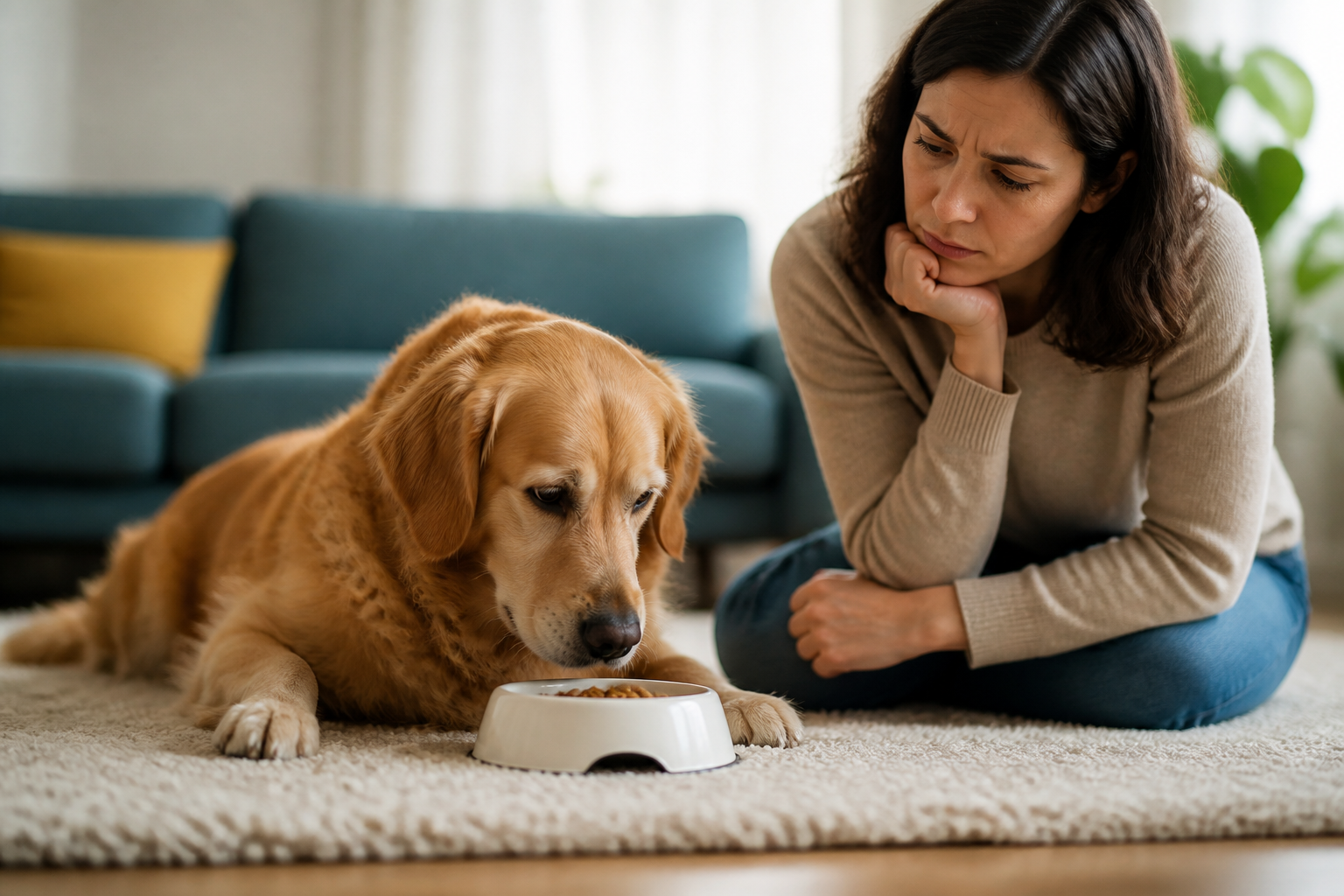
You are likely here because you have experienced the sudden dash to the backyard or the unpleasant smell of a gassy dog during dinner. Digestive issues are one of the most common reasons pet owners seek help. While occasional stomach upset is normal, persistent issues often point toward an imbalance in the gut. At BaxterBoo, we have spent years helping pet owners navigate the massive world of supplements and specialty diets. We know that choosing the right support for your dog can feel overwhelming. This guide covers the physical and behavioral signs that your dog might benefit from a probiotic supplement. We will also explain how these beneficial bacteria work and when it is time to consult your veterinarian for a professional diagnosis.
Quick Answer: Your dog may need probiotics if they experience frequent diarrhea, excessive gas, or bloating. Other signs include skin irritation, chronic yeast infections, or a recent course of antibiotics that disrupted their natural gut bacteria.
Understanding the Canine Microbiome
The gut is home to billions of microorganisms, including bacteria, fungi, and viruses. This ecosystem is known as the microbiome. When a dog is healthy, the "good" bacteria and "bad" bacteria live in a delicate balance. These microorganisms do much more than just digest food. They help produce essential vitamins, support the immune system, and protect the lining of the intestines.
When this balance is disrupted, it is called dysbiosis. This shift can happen for many reasons, such as eating something they should not have, high stress levels, or illness. Probiotics are live, beneficial bacteria that you can add to your dog's diet to help tip the scales back in favor of the good microbes.
Key Takeaway: A healthy gut microbiome is the foundation of your dog's overall immune health. Probiotics work by replenishing beneficial bacteria to restore balance and improve digestion.
Digestive Signs Your Dog Needs Support
The most obvious signs of a gut imbalance appear in your dog's bathroom habits and digestive comfort. If the gut is not functioning correctly, food moves too quickly or too slowly through the system. For additional guidance about digestive upset, read our guide to dry food and diarrhea in dogs.
Frequent Loose Stools or Diarrhea
If your dog regularly has soft or watery stools, their gut may be struggling to process nutrients. Chronic diarrhea is a major red flag. Probiotics can help firm up stools by improving the health of the intestinal lining. They also compete with harmful bacteria that often cause loose stools.
Excessive Gas and Bloating
While every dog passes gas occasionally, constant flatulence is not normal. It often signals that food is fermenting in the gut rather than being properly digested. This fermentation creates gas, which leads to discomfort and bloating. Adding specific bacterial strains can help break down food more efficiently and reduce the frequency of those room-clearing smells.
Bad Breath
We often blame "dog breath" on dental hygiene, but the source can sometimes be the stomach. An overgrowth of certain bacteria in the digestive tract can produce odors that travel up the esophagus. If your dog has clean teeth but persistent bad breath, their gut health might be the culprit.
Vomiting and Nausea
Occasional vomiting can happen, but frequent "sour stomach" or grass-eating may indicate an acidic or imbalanced environment. Probiotics help soothe the digestive tract and manage the pH levels in the stomach.
Vet Tip: If your dog has bloody diarrhea, is lethargic, or refuses to eat, skip the supplements and head to the vet immediately. These can be signs of serious conditions like parvovirus or a physical obstruction.
Skin and Allergy Indicators
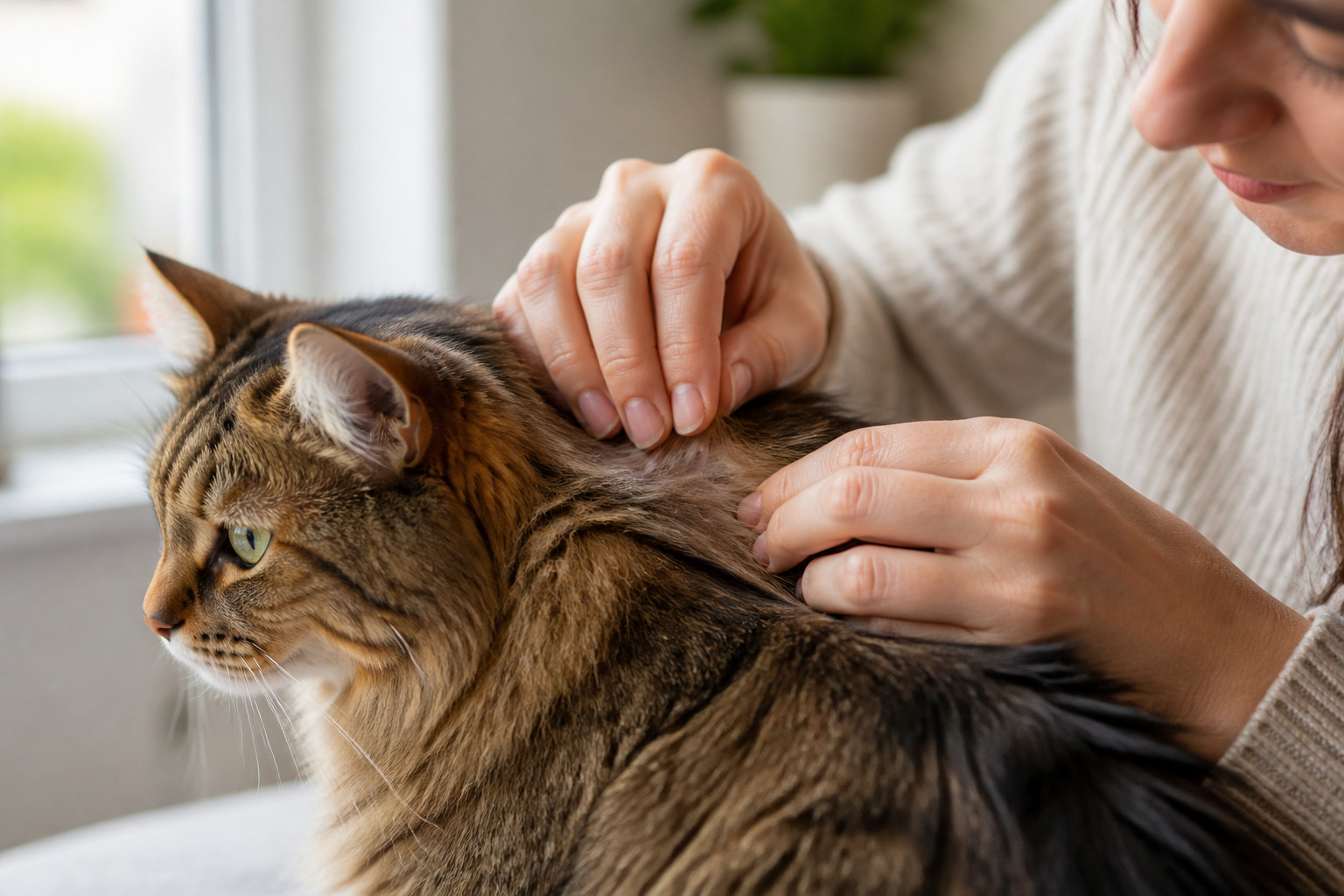
Many owners are surprised to learn that skin issues often start in the gut. Approximately 70 percent of a dog's immune system resides in the digestive tract. When the gut is unhealthy, it can trigger an overactive immune response, leading to inflammation that shows up on the skin. You can also explore our dog allergy collection when looking for products related to skin and immune support.
Constant Itching and Scratching
If your dog is constantly biting their paws or scratching their ears, they may have an environmental or food sensitivity. Studies suggest that certain probiotic strains, such as Lactobacillus, can help modulate the immune system. This may reduce the severity of allergic reactions and the resulting itchiness.
Chronic Yeast Infections
Yeast thrives when the body's natural defenses are down. If your dog suffers from recurring ear infections or has a "musty" smell to their skin, it may be a sign of yeast overgrowth. Probiotics help keep yeast populations in check by maintaining an acidic environment where yeast cannot easily grow.
Dull Coat and Excessive Shedding
A healthy coat requires the proper absorption of fats and vitamins. If your dog's gut is inflamed, they cannot absorb the nutrients needed for a shiny, strong coat. You might notice dry, flaky skin or more hair on your furniture than usual.
- Check for red, inflamed skin on the belly.
- Look for brown discharge in the ears.
- Monitor for obsessive paw licking.
Behavioral and Mental Health Links
The "gut-brain axis" is a real biological connection. The gut and the brain communicate constantly through the nervous system. This means that a troubled tummy can actually lead to a troubled mind.
Anxiety and Stress
If your dog is prone to pacing, excessive barking, or separation anxiety, their gut might be part of the problem. Some strains of bacteria, like Bifidobacterium longum, have been shown to help dogs stay calmer during stressful events. A balanced gut can lead to more stable serotonin levels, which helps regulate mood.
Lethargy and Low Energy
A dog with an imbalanced microbiome is often a tired dog. If the body is busy fighting off bad bacteria or struggling to extract energy from food, your dog will have less fuel for play. You might notice they are less excited about walks or tire out faster than usual.
Stress-Induced Upset
Many dogs experience "stress diarrhea" when boarding, traveling, or visiting the vet. This happens because stress hormones can physically alter the movement of the gut. Giving probiotics a few days before a known stressful event can help shield the digestive tract from these changes. For related wellness guidance, see our life-stage pet nutrition guide.
Key Takeaway: Mental health and physical health are linked through the gut. Supporting the microbiome can lead to a calmer, more energetic pet.
When Lifestyle Factors Intervene
Sometimes it is not about symptoms you see, but about the events your dog has experienced. Certain life stages and situations almost always call for a probiotic boost.
Recent Antibiotic Use
Antibiotics are life-saving medications, but they are not selective. They kill the bad bacteria causing an infection, but they also wipe out the beneficial bacteria in the gut. This often leads to "antibiotic-associated diarrhea." It is standard practice to start a probiotic during or immediately after a course of antibiotics to help rebuild the gut population.
The Scavenger Habit
If your dog is a "neighborhood vacuum" who eats sticks, old mulch, or trash, they are constantly introducing foreign bacteria to their system. Probiotics act as a protective barrier, making it harder for the "bad bugs" found in garbage or stagnant water to take hold.
Aging and Senior Care
As dogs age, their digestive efficiency naturally declines. Senior dogs may struggle with constipation or nutrient malabsorption. A daily probiotic can help a senior dog get the most out of their senior-specific diet and keep their immune system strong. You can compare options in our senior dog food collection.
Choosing the Right Probiotic for Your Dog
Not all probiotics are the same. You cannot simply share your morning yogurt with your dog and expect significant results. While plain, unsweetened yogurt has some benefits, it often lacks the concentration of bacteria a dog needs. Additionally, many dogs are lactose intolerant, meaning dairy can actually make their diarrhea worse.
Look for Specific Strains
The best supplements list exactly which strains they contain. Common beneficial strains for dogs include:
- Enterococcus faecium: Excellent for helping with acute diarrhea.
- Lactobacillus acidophilus: Supports overall stool quality.
- Bifidobacterium animalis: Helps reduce the time it takes for a dog to recover from a stomach upset.
- Bacillus coagulans: A hardy strain that survives the acidic environment of the stomach.
Check the CFU Count
CFU stands for Colony Forming Units. This tells you how many live, active bacteria are in each dose. For general maintenance, a lower CFU count is fine. For a dog recovering from illness or antibiotics, you may want a higher count in the billions.
Delivery Methods
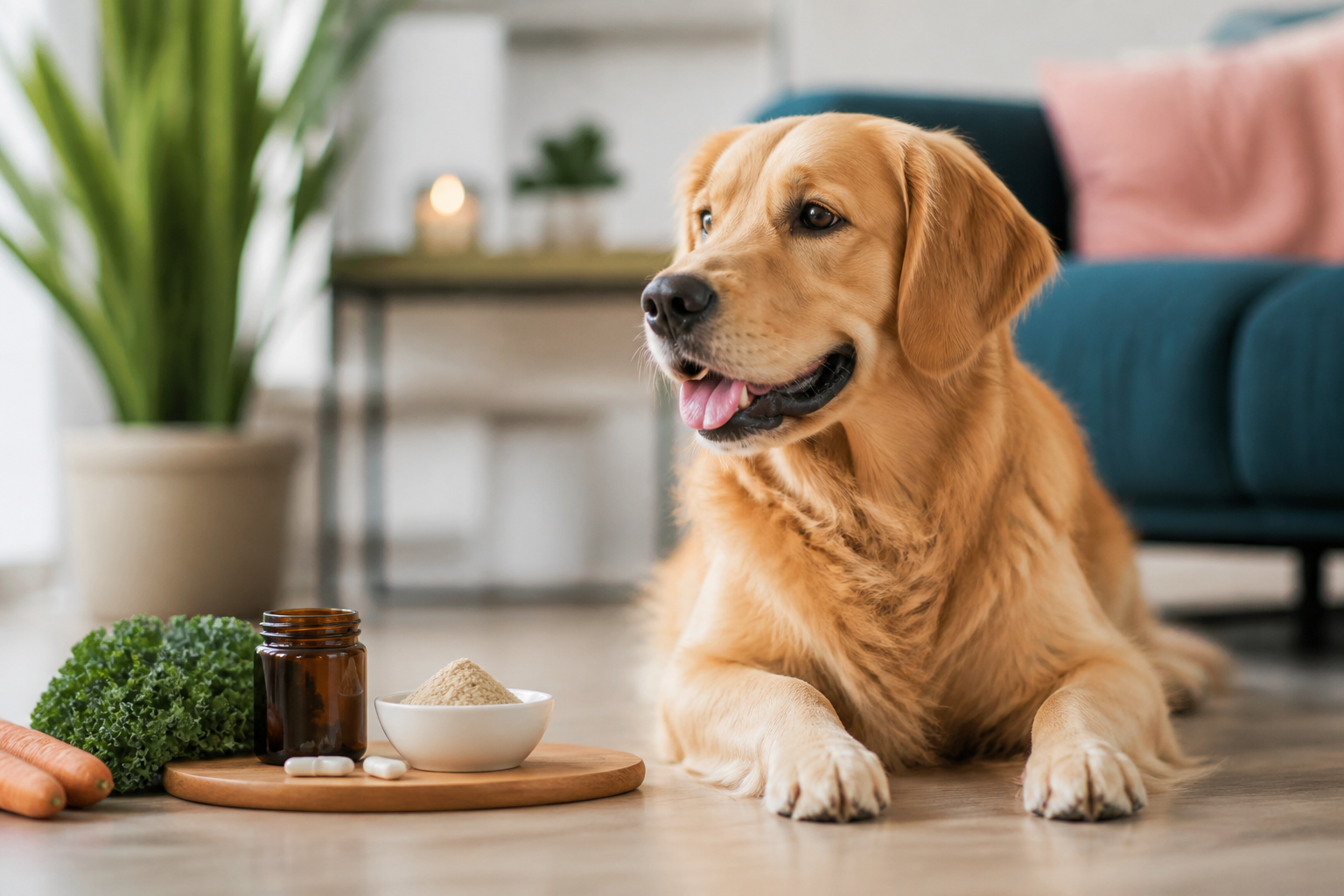
We know every dog is different. Some will eat a chew like it is a treat, while others are master pill-spitters. You can find probiotics in several forms, including options in our dog digestive health collection:
- Powders: Easy to mix into wet food or kibble.
- Soft Chews: Convenient and usually very palatable.
- Capsules: Good for hiding in a pill pocket or a bit of plain peanut butter.
- Pastes: Often used for acute issues where you need a quick, concentrated dose.
Bottom line: Choose a dog-specific probiotic with a variety of strains and a clear CFU count for the best results.
The Role of the BaxterBoo Pharmacy
In some cases, over-the-counter supplements are not enough. If your dog has a chronic condition like Inflammatory Bowel Disease (IBD) or severe food allergies, your veterinarian may recommend a prescription-strength solution. This might include high-potency probiotics or specialized prescription diets designed to be ultra-gentle on the gut.
Our pharmacy carries a wide range of FDA-approved medications and prescription pet foods through our partnership with Pet's Choice. This includes brands like Royal Canin and Farmina Vet Life, which offer formulas specifically for digestive support and weight management. These diets often incorporate prebiotics and probiotics as part of a medically managed plan. If your vet has provided a prescription for these items, our dog pharmacy can help you get them delivered directly to your door.
Vet Tip: Always talk to your vet before starting a new supplement if your dog is on other medications. Some supplements can interfere with how medications are absorbed in the gut.
Dietary Habits and Prebiotics
To get the most out of a probiotic, you also need to think about prebiotics. Think of probiotics as the "seeds" and prebiotics as the "fertilizer." Prebiotics are types of fiber that your dog cannot digest, but the good bacteria in their gut love to eat.
Common sources of prebiotics include beet pulp, chicory root, and pumpkin. If you feed a high-quality food, it likely already contains some prebiotics. However, adding a supplement that combines both (known as a synbiotic) can be more effective than giving a probiotic alone.
Step 1: Evaluate your dog's current food. Check the label for terms like "dried fermentation product" or specific fiber sources like inulin.
Step 2: Introduce the new probiotic slowly. Start with a half dose for the first few days to let their system adjust.
Step 3: Monitor their stool. You should see an improvement in consistency within one to two weeks.
Managing Potential Side Effects
While probiotics are generally very safe, some dogs may experience a brief adjustment period. When you introduce new bacteria, the gut environment shifts. This can sometimes cause temporary gas or a slight change in stool consistency for the first 48 to 72 hours.
If these symptoms last longer than a few days, or if your dog seems to be in pain, stop the supplement and consult your vet. It is possible that the specific strain or the carrier ingredients in the chew do not agree with your dog's unique system.
- Watch for increased flatulence in the first two days.
- Note any changes in appetite.
- Ensure your dog always has access to fresh water, especially if they have loose stools.
Keeping Your Dog Healthy with BaxterBoo
Maintaining your dog's gut health is a long-term commitment. Whether you are dealing with a puppy's sensitive stomach or a senior dog's declining digestion, the right tools make a difference. We are proud to offer over 500 trusted brands to help you find the perfect match for your pet's needs.
Beyond supplements, consider how our other programs can help you stay on top of your dog's wellness. Our Autoship program is a great way to ensure you never run out of your dog's favorite probiotic or digestive-support food. It also includes a free MVP Gold membership, which helps you save on every order. If you are a new customer, remember that you can earn a 10 dollar reward on your first order of 39 dollars or more when you sign in at checkout.
Bottom line: Probiotics are a safe and effective way to support your dog's digestion, skin, and immune system, but they work best when combined with a high-quality diet and regular veterinary care.
FAQ
Can I give my dog human probiotics like Yakult or human capsules?
While human probiotics are generally not toxic to dogs, they are not ideal. A dog's gut microbiome is different from a human's, and the bacterial strains we need may not be the ones they need. Additionally, human products like Yakult or flavored yogurts often contain high amounts of sugar or artificial sweeteners like xylitol, which is extremely toxic to dogs.
How long does it take for probiotics to start working?
The timeline depends on what you are treating. For acute diarrhea or stress-induced upset, you might see an improvement in as little as two to three days. For chronic issues like skin allergies or anxiety, it can take four to six weeks of daily use to see a noticeable difference in your dog's condition.
Can puppies take probiotics?
Yes, puppies can benefit greatly from probiotics. Their immune systems and gut microbiomes are still developing, which makes them more prone to upsets from new foods or environment changes. Using a puppy-specific formula can help them build a strong immune foundation and reduce the frequency of "puppy tummy" issues.
Do I need to give my dog probiotics every single day?
For dogs with chronic digestive issues or allergies, daily use is usually recommended to maintain a stable environment. However, if you are using them to help with a specific event like a round of antibiotics or a stressful move, you can give them for a shorter period. Always follow the manufacturer's instructions or your veterinarian's advice for dosing frequency.