
 Save 15% on your 1st Autoship learn more

 Email us
 Live Chat
 FAQs
FAQs





Introduction
You are relaxing on the couch when your dog leans in for a friendly nuzzle. Suddenly, a wave of bad breath hits you. It is more than just typical dog breath. It smells metallic or sour. You might notice a thick layer of yellow or brown buildup on their back molars. This is the exact moment many pet owners realize that home brushing is no longer enough. At BaxterBoo, we know that dental health is a cornerstone of overall wellness. When simple treats cannot do the job, a professional cleaning is the next step. This article explains the entire veterinary dental process. We cover everything from the initial exam to the specialized tools used to scrape away tartar. You will learn what happens behind the scenes so you can feel confident about your dog’s oral care.
Quick Answer: Veterinarians clean a dog's teeth by placing the pet under general anesthesia to safely scale away plaque and tartar. They use ultrasonic tools to clean both the visible tooth and the area beneath the gumline before polishing the enamel to prevent future buildup.
Recognizing the Need for Professional Care
Most dogs show signs of dental disease by age three. It usually starts with plaque. This is a sticky film of bacteria that forms on the teeth after eating. If it is not brushed away, it hardens into tartar or calculus within days. You cannot brush tartar off at home. It requires professional tools and expertise to remove without damaging the tooth.
You should check your dog's mouth regularly for specific warning signs. Look for gums that appear bright red or swollen. This is often a sign of gingivitis. You might also see bleeding when your dog chews on a toy. If your dog starts dropping food while eating or seems hesitant to crunch on dry kibble, they may be experiencing dental pain.
Bad breath is the most common indicator. While many people think dog breath is just a fact of life, it should not be offensive. A foul odor usually means bacteria are thriving in the mouth. This bacteria can eventually enter the bloodstream and affect the heart, liver, and kidneys. Taking action early can prevent these more serious systemic health issues. For additional warning signs, read our guide to recognizing bad teeth in dogs.
The Pre-Dental Examination
A professional cleaning does not start with the teeth. It starts with a comprehensive physical exam. Your veterinarian needs to ensure your dog is healthy enough for the procedure. They will listen to the heart and lungs to check for any underlying issues. They will also palpate the abdomen and check the general body condition.
Blood work is a vital part of this preparation. Most clinics require a pre-anesthetic blood panel. This test checks kidney and liver function. These organs are responsible for processing the anesthetic drugs. If the blood work shows any concerns, the vet may adjust the protocol or postpone the cleaning.
Vet Tip: Always share your dog’s full medical history and current medications with your vet before a dental appointment. This helps them create the safest possible anesthetic plan for your pet’s specific needs.
The Role of General Anesthesia
The most common question pet owners ask is why anesthesia is necessary. It is impossible to perform a thorough dental cleaning on a conscious dog. Even the most well behaved dog will not sit perfectly still while a sharp ultrasonic scaler vibrates against their sensitive gums.
Anesthesia allows the veterinary team to be thorough and safe. It ensures the dog does not feel any pain or anxiety during the process. Most importantly, it allows for the use of an endotracheal tube. This tube protects the airway. It prevents the dog from inhaling water, bacteria, or tartar debris during the cleaning.
Some services offer anesthesia-free dental cleanings. While these might seem safer or cheaper, they have significant limitations. These procedures only remove the tartar you can see. They cannot reach the bacteria hiding under the gumline. This is where the most damage occurs. Without anesthesia, a vet cannot take X-rays or perform a full oral exam. At BaxterBoo, we believe in comprehensive care that addresses the root of the problem.
The Professional Cleaning Process Step by Step
Once your dog is safely anesthetized, the actual cleaning begins. A trained veterinary technician usually performs the initial scaling. The veterinarian then performs a final inspection and any necessary extractions.
Step 1: Oral Assessment and Probing
The team starts by looking at every single tooth. They use a periodontal probe to measure the depth of the pockets between the tooth and the gum. Healthy pockets are shallow. Deep pockets indicate that the bone or ligaments holding the tooth in place are breaking down.
Step 2: Ultrasonic Scaling
The technician uses an ultrasonic scaler to remove large chunks of tartar. This tool uses high frequency vibrations to shatter the calculus. A constant stream of water cools the tip and flushes away the debris. They clean the front, back, and sides of every tooth.
Step 3: Subgingival Cleaning
This is the most critical part of the cleaning. The technician uses hand instruments to scale the area beneath the gumline. Removing bacteria from this "hidden" area is what actually treats and prevents periodontal disease.
Step 4: Polishing
Scaling leaves microscopic scratches on the tooth enamel. These scratches act like Velcro for new plaque. To fix this, the team uses a slow speed handpiece with a soft rubber cup and polishing paste. This smooths the surface of the teeth to keep them cleaner for longer.
Step 5: Final Irrigation
The mouth is thoroughly rinsed with water or a chlorhexidine solution. This removes any leftover paste or debris. The veterinarian then does a final check to ensure no spots were missed.
Key Takeaway: A professional cleaning is a medical procedure that treats the areas you cannot see. It focuses on the subgingival space where bacteria do the most damage to the jawbone and tooth roots.
The Importance of Dental X-Rays
You can only see about one third of a dog's tooth above the gumline. The rest is hidden below the surface. This is why dental X-rays are so important. They allow the veterinarian to see the health of the tooth roots and the surrounding bone.
X-rays can reveal hidden problems like abscesses, bone loss, or impacted teeth. A tooth might look perfectly healthy on the outside but have a painful infection deep in the root. Without X-rays, these issues go untreated. Your dog would wake up still in pain.
Many clinics now include X-rays as a standard part of every dental package. If your vet discovers a diseased tooth, they will likely call you during the procedure. They will explain why an extraction is necessary and get your consent to proceed. This ensures your dog only has to undergo anesthesia once to solve the problem.
Handling Tooth Extractions
Sometimes, a tooth is too damaged to save. This might be due to a fracture, a deep infection, or advanced bone loss. While pet owners often worry about their dog losing teeth, removing a diseased tooth is an act of pain relief.
Veterinarians use specialized techniques to make extractions as comfortable as possible. They often use local anesthetic blocks. This is similar to the numbing injection you get at your own dentist. It blocks the pain signals before they reach the brain. If a tooth has multiple roots, the vet may use a high speed drill to section the tooth into smaller pieces for easier removal.
After an extraction, the vet will often close the site with tiny, dissolvable sutures. These stitches do not need to be removed later. Your dog will usually receive pain medication and sometimes antibiotics to help the healing process.
Recovery and Immediate Aftercare
Most dogs go home the same day as their dental cleaning. They may be a little groggy for 12 to 24 hours as the anesthesia wears off. It is important to keep them in a quiet, warm place away from other pets or active children.
If your dog had extractions, you will need to adjust their diet temporarily. Soft food is usually recommended for 7 to 10 days. This allows the surgical sites to heal without being irritated by hard kibble. You can soften their regular dry food with warm water or use a canned version of their favorite recipe.
Our pharmacy carries a variety of FDA-approved medications through our partnership with Pet's Choice. If your vet prescribes specific pain relief or antibiotics, you can often find what you need through our pet pharmacy services. We also offer prescription diets for dogs that need long term dental support or have other health conditions that require managed nutrition.
Maintaining Dental Health at Home
A professional cleaning provides a clean slate. However, plaque begins to form again within hours of the procedure. Without home care, the tartar will return quickly. The goal of at-home maintenance is to extend the time between professional cleanings.
Brushing Technique
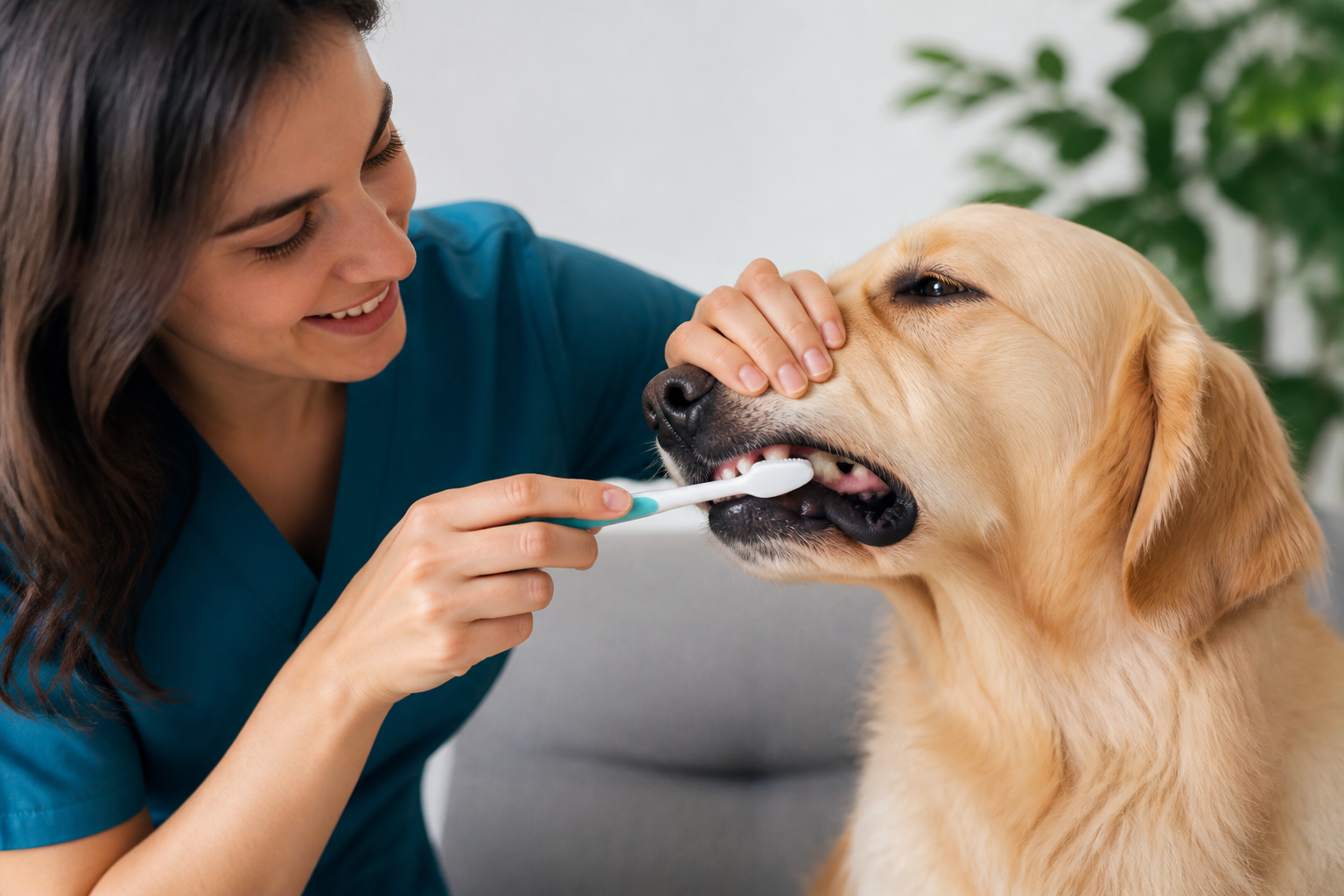
Brushing is the gold standard of pet dental care. You should use a toothbrush designed for dogs or a soft finger brush. Never use human toothpaste. It contains ingredients like xylitol or detergents that are toxic if swallowed. Dog toothpaste comes in flavors like poultry or beef to make the experience more enjoyable. For additional brushing guidance, review these pet dental care tips.
Dental Chews and Treats
For days when you cannot brush, dental chews are a helpful alternative. Products like Greenies are designed with a texture that helps scrub the teeth as the dog chews. They can significantly reduce the buildup of plaque and tartar. Always supervise your dog when they are enjoying a chew to ensure they do not swallow large pieces. You can compare options in our dental chews and treats collection.
Water Additives and Gels
If your dog is resistant to brushing, you might consider water additives. These are tasteless liquids you add to the water bowl. They contain enzymes or minerals that help break down bacteria in the mouth. Dental gels can also be applied to the gums to help fight infection and reduce inflammation.
Bottom line: Home care is not a substitute for professional cleanings, but it is the best way to prevent rapid tartar accumulation and keep your dog's breath fresh.
Using Nutrition to Support Oral Health
What your dog eats can impact their dental health. Some dry kibbles are specifically formulated to have a "mechanical" cleaning effect. These kibbles are often larger and do not shatter immediately when bitten. Instead, the tooth sinks into the kibble, allowing the fibers to scrub the surface of the tooth.
Brands like Farmina and Royal Canin offer specialized formulas that can help manage oral health. If your dog has a history of rapid tartar buildup, ask your vet about a prescription dental diet. These are available through our pharmacy at BaxterBoo, providing a convenient way to manage your pet's health through their daily meals.
We carry over 500 trusted brands to help you find the right balance of nutrition and dental support. Whether you prefer raw, freeze dried, or traditional dry food, there are options that can fit into a healthy dental routine.
Why Quality Matters in Dental Gear
When you are shopping for toothbrushes, pastes, and toys, quality is important. Cheap plastic toys can sometimes be too hard, leading to fractured teeth. We recommend choosing toys made from durable but forgiving materials like those from Kong or RC Pets.
Avoid giving your dog hard items like cow hooves, stones, or real bones. These are a leading cause of broken teeth in dogs. If a toy is too hard for you to indent with your thumbnail, it is likely too hard for your dog's teeth. Stick to vet-recommended chews and toys that are designed with safety in mind.
At BaxterBoo, we have been operating since 2006. We handpick every product we carry. This means you can trust that the dental supplies you find in our warehouse are selected by people who truly care about pet safety. Our 4.9-star Google rating reflects our commitment to providing expert guidance and high quality gear.
Managing the Costs of Dental Care
The price of a professional cleaning can vary. It depends on your location, the age of your dog, and the severity of their dental disease. A routine cleaning for a young dog with healthy gums will be less expensive than a procedure for a senior dog requiring multiple extractions.
One way to manage these costs is through preventive care. Starting dental cleanings early can prevent the need for expensive surgeries later in life. Many pet owners also use our MVP Rewards programme. This allows you to earn up to 5% back on your purchases, which can be used for future dental supplies or treats.
Our partnership with FIGO Pet Insurance is another great resource. Some insurance policies offer wellness riders that help cover the cost of annual dental cleanings. This can make professional care much more accessible for every pet owner.
Vet Tip: Ask your veterinarian for a detailed estimate before the procedure. This should include the base cost of the cleaning, anesthesia, X-rays, and a potential range for extractions if they are needed.
The Long-Term Benefits of Clean Teeth
A healthy mouth leads to a longer, happier life. When your dog's teeth are clean, they are free from the chronic pain caused by inflammation and infection. They will have more energy and a better appetite.
Regular professional cleanings are an investment in your dog’s future. By removing the bacteria that causes periodontal disease, you are protecting their vital organs from damage. You are also ensuring that your snuggles on the couch are not interrupted by bad breath.
We are here to support you in every stage of your dog's life. From their first puppy cleaning to managing the dental needs of a senior pet, we provide the products and guidance you need. Our hybrid model of a physical warehouse in Vernon Hills and an easy to use website makes getting your supplies simple and fast.
Steps for a Successful Dental Day
Step 1: Fast your dog. / Most vets require you to withhold food after midnight the night before the procedure to ensure a safe anesthesia experience.
Step 2: Drop off early. / Veterinary clinics usually have morning drop-off times so they can perform pre-anesthetic exams and blood work before starting the procedures.
Step 3: Stay by the phone. / The vet will likely call you during the procedure if they find issues on the X-rays or need to discuss extractions.
Step 4: Follow the recovery plan. / Give all medications as prescribed and stick to soft food if your vet recommends it to ensure proper healing.
Conclusion
Understanding how professionals clean a dog's teeth takes the mystery and fear out of the process. It is a detailed medical procedure that goes far beyond a simple brushing. By using anesthesia, ultrasonic scalers, and digital X-rays, your veterinarian can treat the disease that hides beneath the surface. This care is essential for preventing pain and protecting your dog's long-term health. At BaxterBoo, we are proud to offer the supplies and pharmacy services you need to maintain that healthy smile at home.
- Brush teeth daily with dog-safe paste.
- Provide vet-recommended dental chews.
- Schedule annual professional exams.
- Use high-quality nutrition to support oral health.
Bottom line: Professional cleaning is the only way to remove tartar and treat subgingival bacteria, but daily home care is what keeps the results lasting.
FAQ
Is it safe to put my senior dog under anesthesia for a dental cleaning?
While anesthesia always carries some risk, it is generally very safe for senior dogs when proper precautions are taken. Your veterinarian will perform blood work and a thorough physical exam to tailor the anesthetic protocol to your dog's specific health needs. Modern monitoring equipment allows the team to track heart rate, oxygen levels, and blood pressure throughout the entire procedure.
How often should my dog have their teeth professionally cleaned?
Most dogs benefit from a professional cleaning once a year. However, small breeds and brachycephalic dogs like Pugs or French Bulldogs may need cleanings every six months due to their crowded teeth. Your veterinarian will assess your dog's mouth during their annual checkup to determine the best schedule for your pet.
Can I just use a human toothbrush on my dog?
You can use a soft-bristled human toothbrush if it is sized appropriately for your dog's mouth, such as a child-sized brush. However, you must never use human toothpaste because it often contains xylitol, which is toxic to dogs, and foaming agents that can upset their stomach. Always use a toothpaste specifically formulated for pets that is safe to be swallowed.
Why does my dog have bad breath even after a professional cleaning?
If your dog's breath is still foul after a cleaning, there may be an underlying health issue or a deep-seated infection that was not fully addressed. It can also happen if the cleaning did not include X-rays to find hidden abscesses under the gumline. If the smell persists, consult your veterinarian to rule out gastrointestinal issues, kidney problems, or remaining oral infections.






