
 Save 15% on your 1st Autoship learn more

 Email us
 Live Chat
 FAQs
FAQs





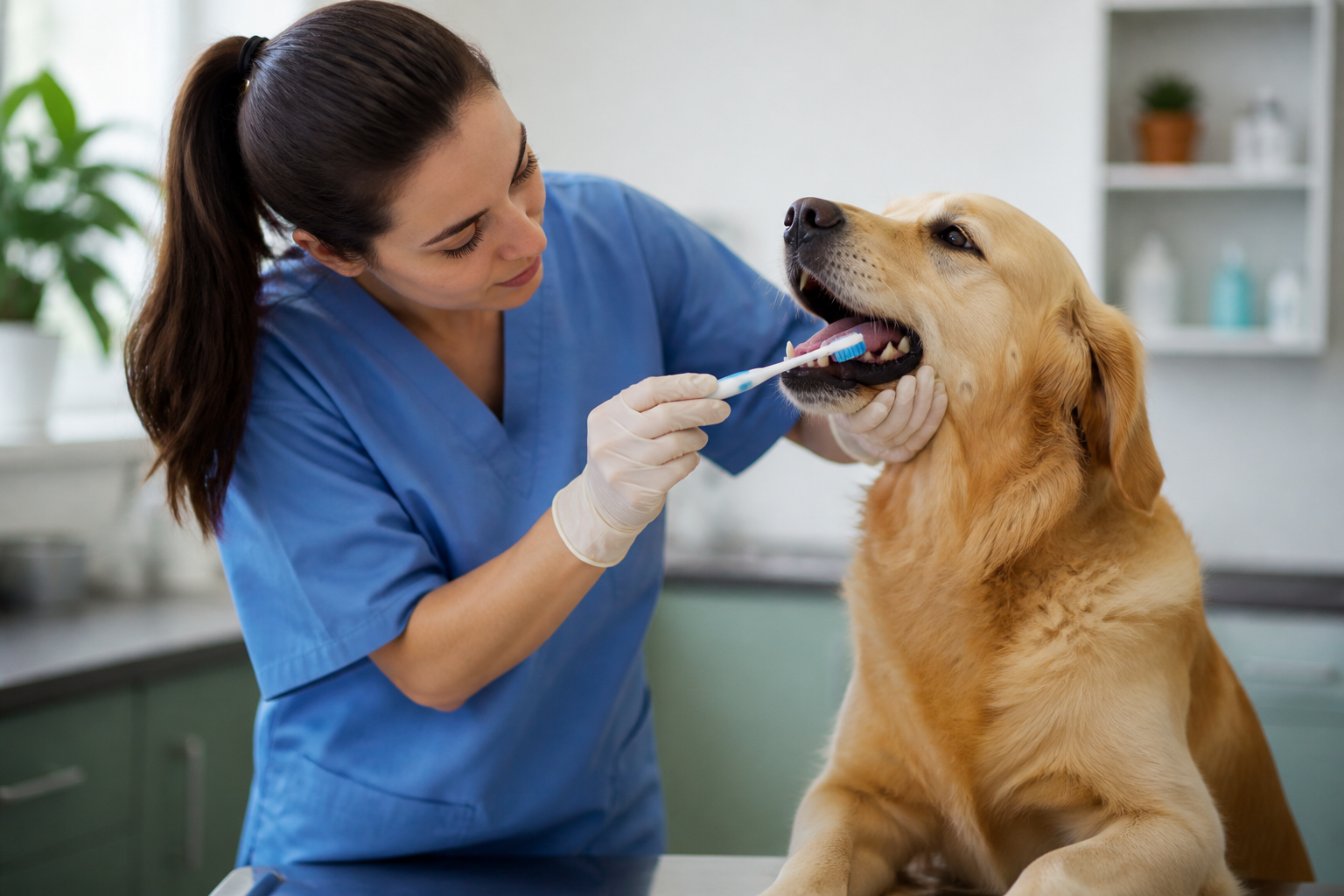
Introduction
You might notice a sharp, fishy odor when your dog leans in for a lick. Or perhaps you see a thick, brown layer of tartar building up near their gumline. These are the moments when most pet owners realize that home brushing might not be enough anymore. While dental chews and daily brushing are great for maintenance, they cannot reach the bacteria hiding deep under the gums.
At BaxterBoo, we know that scheduling a professional dental appointment can feel overwhelming for many owners. You might worry about the risks of anesthesia or wonder what actually happens once you drop your dog off at the clinic. This guide explains the entire medical process your veterinarian follows to restore your dog's oral health. We will cover everything from the initial bloodwork to the specialized tools used for scaling and polishing. Understanding these steps will help you feel more confident about this essential part of your dog's wellness routine.
Why Home Brushing Is Not Enough
Many owners wonder why a professional cleaning is necessary if they already brush their dog's teeth at home. Home care is excellent for removing soft plaque before it hardens. However, once plaque mineralizes into tartar, it becomes a cement-like substance. You cannot remove tartar with a toothbrush. If you try to scrape it off with a metal tool at home, you risk scratching the enamel or cutting the sensitive gum tissue.
The most dangerous part of dental disease is what you cannot see. Bacteria live in the "pockets" between the tooth and the gum. Professional cleanings are the only way to reach this subgingival area. Without this deep cleaning, your dog could develop periodontal disease. This condition leads to bone loss, tooth decay, and chronic pain. In some cases, the bacteria can even enter the bloodstream and affect the heart, liver, or kidneys.
For additional warning signs to watch for between appointments, read about bad teeth in dogs and what to do.
Step 1: Pre-Anesthetic Screening
A professional dental cleaning is a medical procedure, not just a cosmetic one. Because your dog must be under anesthesia, the process begins with a health screening. Your veterinarian will perform a full physical exam to check your dog's heart and lungs. This ensures they are strong enough for the procedure.
Most clinics require pre-anesthetic bloodwork. This testing checks liver and kidney function. These organs are responsible for processing and clearing the anesthetic drugs from your dog's system. If the bloodwork shows any concerns, your vet may adjust the anesthesia protocol or postpone the cleaning until the underlying issue is addressed.
Quick Answer: Veterinarians clean a dog's teeth by placing the animal under general anesthesia to perform a deep scaling and polishing. The process includes removing tartar from above and below the gumline and using X-rays to check for hidden disease.
Step 2: The Importance of General Anesthesia
One of the most common questions owners ask is why anesthesia is necessary. Some services offer "anesthesia-free" cleanings, but these are generally discouraged by veterinary dental specialists. Without anesthesia, it is impossible to clean the inner surfaces of the teeth or reach beneath the gumline.
Anesthesia serves several vital purposes:
- It keeps your dog completely still so sharp instruments do not cause injury.
- It allows for the placement of a breathing tube to protect the lungs from water and debris.
- It eliminates stress and pain for the dog during the procedure.
- It enables the vet to take accurate X-rays of the tooth roots.
Your veterinary team monitors your dog's vitals throughout the entire process. They track heart rate, oxygen levels, and blood pressure. This constant supervision makes the procedure very safe for most healthy dogs.
Step 3: Comprehensive Oral Examination and X-Rays
Once your dog is safely asleep, the veterinarian performs a tooth-by-tooth exam. They use a periodontal probe to measure the depth of the "pockets" around each tooth. Deep pockets indicate that the attachment between the tooth and the jaw is breaking down.
Dental X-rays are a critical part of this step. About sixty percent of a dog's tooth is hidden beneath the gumline. A tooth might look perfectly healthy on the outside while the root is rotting or abscessed underneath. X-rays allow the vet to see bone loss, root fractures, or hidden infections.
Vet Tip: If your veterinarian suggests dental X-rays, always say yes. Most painful dental conditions in dogs occur beneath the gumline where they are invisible to the naked eye.
For a broader overview of routine oral care, explore the top pet dental care tips.
Step 4: Scaling and Polishing the Teeth
The actual cleaning process involves two main phases: scaling and polishing. The technician or veterinarian uses an ultrasonic scaler to remove large chunks of tartar. This tool uses high-frequency vibrations and a cooling water mist to break apart the buildup.
Subgingival Scaling
After the visible surfaces are clean, the vet focuses on the area under the gums. They use hand scalers and curettes to gently remove plaque and bacteria from the root surfaces. This is the most important part of the cleaning because it stops the progression of periodontal disease.
Polishing the Enamel
Scaling leaves microscopic scratches on the surface of the tooth enamel. If these are not smoothed out, plaque will stick to the tooth even faster than before. The vet uses a low-speed polishing tool and a special fluoride paste. This smooths the surface and makes it harder for bacteria to gain a foothold.
Final Irrigation
The last step of the cleaning is a thorough rinse. The vet flushes the gum pockets with water or a chlorhexidine solution. This washes away any remaining paste, debris, or loose bacteria.
After the appointment, you can support your dog's daily routine with our dental and breath care supplies.
Key Takeaway: A professional cleaning is the only way to remove tartar from beneath the gumline. This prevents bacteria from entering the bloodstream and protects your dog's internal organs.
Step 5: Advanced Treatment and Extractions
Sometimes the veterinarian finds problems that a simple cleaning cannot fix. If a tooth is fractured, loose, or has a severe root infection, it may need to be extracted. Keeping a diseased tooth in the mouth causes chronic pain and serves as a constant source of infection.
If your dog needs an extraction, the vet will usually use a local nerve block. This numbs the specific area of the mouth. This is similar to the "novocaine" shot you receive at your own dentist. It allows the vet to keep the general anesthesia levels lower and ensures your dog wakes up without immediate pain.
Recovery and Post-Cleaning Care
Most dogs recover quickly from a dental procedure. They typically go home the same day. You might notice your dog is a bit groggy or tired for the first evening. If your dog had extractions, the vet might prescribe soft food for a week or two to allow the surgical sites to heal.
Managing Post-Op Medications
Your veterinarian may prescribe pain medication or antibiotics. Our pet pharmacy provides access to these medications through our partnership with Pet's Choice. It is essential to finish the entire course of antibiotics to ensure any lingering infection is fully resolved.
Monitoring for Complications
Keep an eye on your dog's behavior for the first few days. Contact your vet if you notice:
- Excessive bleeding from the mouth.
- Refusal to eat after the first 24 hours.
- A foul odor that persists after the cleaning.
- Significant swelling of the face or jaw.
Maintaining the Results at Home
A professional cleaning provides a "clean slate" for your dog's mouth. However, plaque begins to form again within hours. To keep the teeth healthy, you must establish a home care routine. Daily brushing is the gold standard of care. Always use a toothpaste specifically formulated for dogs, as human toothpaste contains ingredients that can be toxic to pets.
In addition to brushing, you can use dental chews and water additives. We carry many top brands like Greenies and Cosequin that help support oral health. If your dog has chronic dental issues, your vet might even recommend a prescription dental diet. These kibbles are designed to scrub the teeth as the dog chews.
For repeat-purchase dental essentials, consider our Autoship programme.
Bottom line: Professional cleanings and daily home care work together to prevent pain and extend your dog's life.
Investing in Long-Term Health
Dental health is one of the most overlooked aspects of pet care. By the age of three, most dogs already show signs of periodontal disease. Regular professional cleanings may seem like a large expense, but they save you money in the long run. Preventing a problem is much cheaper than treating a systemic infection or performing multiple emergency extractions.
If you are worried about the cost, many clinics offer dental health months with discounted rates. You can also look into pet insurance plans that cover routine dental care. Our partners at FIGO Pet Insurance offer various options that can help manage these wellness costs.
By prioritizing your dog's dental health, you are protecting more than just their smile. You are ensuring they can eat comfortably and stay active for years to come. Whether you visit our warehouse in Vernon Hills or order your supplies online, we are here to support you in every step of your pet's wellness journey.
FAQ
Why does my dog need anesthesia for a cleaning?
Anesthesia is necessary to keep your dog still and pain-free during the procedure. It allows the veterinarian to clean deep beneath the gumline and take accurate X-rays. It also protects your dog's airway from water and bacteria by using a specialized breathing tube.
How long does a professional dog dental cleaning take?
A routine cleaning usually takes between 45 and 90 minutes. However, the entire process includes pre-anesthetic prep and post-operative recovery, so your dog will typically spend the whole day at the clinic. If the veterinarian discovers that extractions are needed, the procedure time will increase.
Can I just use a scaler at home to remove tartar?
You should never use a metal scaler on your dog's teeth at home. These tools are very sharp and can easily slip, causing serious injury to the gums or tongue. Additionally, scaling at home leaves microscopic scratches on the enamel that actually encourage more plaque to grow.
How often should my dog get their teeth cleaned by a vet?
Most veterinarians recommend a professional cleaning once a year starting at age two or three. Smaller breeds and brachycephalic dogs, like Pugs or Bulldogs, may need more frequent cleanings. Their teeth are often crowded, which allows plaque and tartar to build up much faster.






