
 Save 15% on your 1st Autoship learn more

 Email us
 Live Chat
 FAQs
FAQs





Introduction
If you have ever tried to wrestle a toothbrush into the mouth of a dog who wants nothing to do with it, you are not alone. It is a common struggle for many pet owners who want to keep their companions healthy without the daily battle. You might look at your dog and wonder how their ancestors survived without flavored toothpaste and silicone finger brushes. It is a fair question. After all, wolves and wild dogs do not have access to veterinary cleanings, yet they must maintain their teeth to survive as hunters.
At BaxterBoo, we get these questions all the time from owners who are looking for a more natural approach to oral hygiene. This post will explore the specific behaviors wild dogs use to keep their teeth clean and how their diet plays a massive role in their dental health. We will also look at practical ways you can mimic these natural habits at home. Understanding the biological roots of canine dental care can help you build a more effective routine for your own pet.
The Mechanical Secret of the Wild
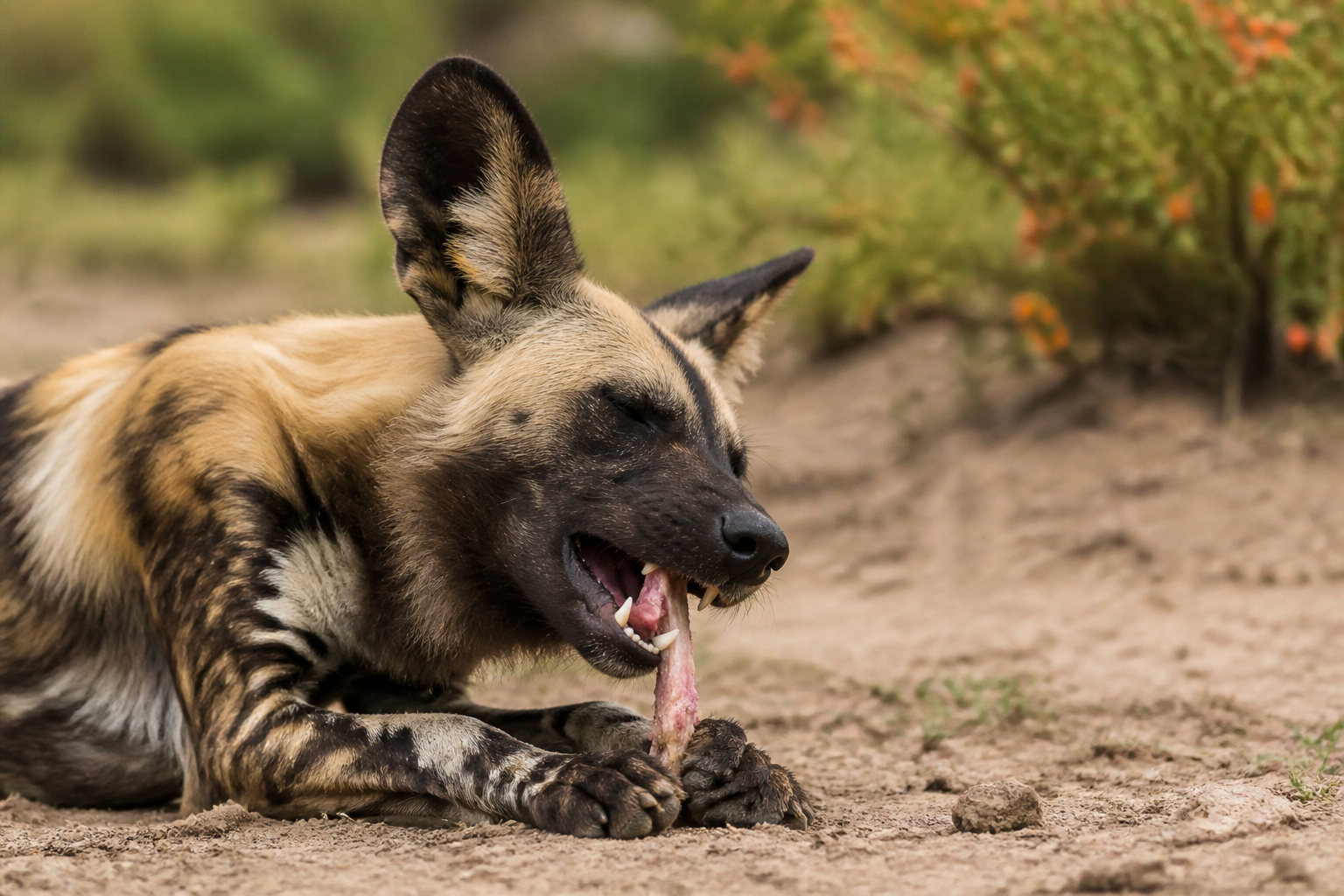
Wild dogs and wolves do not have a magical way of avoiding plaque. Instead, they rely on the physical act of eating to do the work of a toothbrush. When a wolf makes a kill, they are not just eating soft meat. They are ripping through tough hide, shearing through thick connective tissue, and gnawing on large bones. This process is highly mechanical. As the dog gnaws on a hard bone, the abrasive surface of the bone material scrapes against the enamel of the tooth.
This scraping action acts as a natural scaler. It physically rubs away the soft plaque before it has a chance to harden into tartar. The shearing of muscle and tendons also acts like dental floss. As the dog pulls and tears at these fibrous materials, the fibers slide between the teeth and rub against the gum line. This clears away debris that could otherwise sit and rot. For a wild canine, every meal is essentially a deep cleaning session.
Quick Answer: Wild dogs clean their teeth through the mechanical action of gnawing on raw bones and tearing through tough connective tissues. This abrasive process physically scrapes away plaque and massages the gums, preventing the buildup of tartar.
The Role of Diet and Bacterial Growth
The biggest difference between a wild dog and a domestic pet is not just the lack of a toothbrush. It is the amount of sugar and starch in the diet. Wild dogs are primarily carnivorous. Their diet consists of protein, fat, and bone, with very little in the way of carbohydrates. This is crucial because the bacteria that cause tooth decay and gum disease thrive on simple sugars and starches.
When a domestic dog eats a diet high in grains or starches, those carbohydrates break down into sugars in the mouth. These sugars stick to the teeth and provide an all-you-can-eat buffet for oral bacteria. These bacteria then produce acid, which eats away at the enamel and irritates the gums. Because wild dogs consume almost zero carbohydrates, the bacteria in their mouths do not have the fuel they need to cause rapid decay.
Furthermore, chewing on bones helps reduce mouth acidity. The increased saliva production during a long chewing session helps wash away food particles and neutralizes the acids produced by the few bacteria that are present. Saliva contains enzymes that are specifically designed to protect the mouth. By spending hours gnawing on a bone, a wild dog is constantly bathing their teeth in a protective, cleansing fluid.
How Modern Kibble Changes the Equation
Many pet owners believe that dry kibble cleans teeth because it is crunchy. However, this is largely a myth for most dogs. Most kibble is designed to shatter as soon as a tooth hits it. This means the tooth only penetrates the very top of the nugget before it breaks apart. There is very little friction against the rest of the tooth or the gum line. Additionally, the high starch content of many commercial kibbles can actually contribute to plaque formation if it is not brushed away.
Some specialty diets, such as those from brands like Farmina or Royal Canin, are formulated with larger, tougher kibble shapes. These are designed to force the dog to chew more thoroughly, providing a bit more mechanical cleaning than standard small bites. However, even the best dry food cannot fully replicate the intense, hours-long gnawing that a wild dog does.
Key Takeaway: The absence of starches and sugars in a wild diet prevents the bacterial growth that leads to decay. Domestic pets often require more intervention because their diets contain more carbohydrates.
Safe Ways to Mimic Wild Chewing at Home
You do not need to bring a fresh kill into your living room to give your dog the benefits of wild dental care. You can mimic these behaviors by using our dog dental care collection. BaxterBoo carries a wide variety of these items that are handpicked for their quality and safety. When choosing a chew to act as a "natural toothbrush," look for items that require your dog to work for a long time.
- Rawhide Alternatives: Look for high-quality, digestible options like beef trachea or bully sticks. These are fibrous and help scrub the teeth.
- Marrow Bones: Natural beef marrow bones are excellent for aggressive chewers. The hard surface provides the necessary abrasion to remove plaque.
- Yak Chews: These are made from hardened Himalayan cheese. They are very dense and require significant gnawing to break down.
- Antlers: These are very hard and long-lasting, though they should be used with caution for dogs with sensitive or brittle teeth.
Always supervise your dog when they are working on a hard chew. While wild dogs have very strong jaws, domestic dogs can sometimes be too enthusiastic. If a dog bites down too hard on a very solid object, they can fracture a tooth. This is why it is important to match the chew to your dog’s specific chewing style.
The Importance of Connective Tissue
We often focus on the bone, but the connective tissue is just as important. In the wild, dogs eat tendons, ligaments, and cartilage. These materials are incredibly tough and rubbery. When a dog chews on something like a beef tendon or a dried trachea, their teeth sink deep into the material. The fibers then wrap around the tooth and rub against the gums as the dog pulls.
This is a much safer way for many dogs to clean their teeth than using hard bones alone. It provides the "flossing" action that is often missing from a domestic dog's routine. If you have a dog that is a "gulper" or one that has already had some dental work, these softer but tough fibrous chews are often a better choice. They offer the mechanical benefits without the risk of a fracture.
Vet Tip: If you notice your dog is bleeding from the gums while chewing or seems to favor one side of their mouth, stop the chewing session and call your veterinarian. These can be signs of existing gum disease or a fractured tooth that requires professional attention.
Natural Fruits and Vegetables as Scrubbers
In addition to meat and bones, some wild dogs are known to forage for fiber. You can use this to your advantage by offering crunchy, low-sugar vegetables. Carrots and apple slices (without seeds) can act as mild abrasives. While they are not as effective as a bone or a fibrous tendon, they provide a healthy way to help clear debris after a meal.
Many dogs love the crunch of a cold carrot. The fiber in the vegetable helps scrub the surface of the teeth. Since carrots are low in sugar and high in moisture, they do not contribute to the bacterial film that causes plaque. This is a great "snack" to give between meals to keep the mouth fresh.
Step 1: Select a fresh, whole carrot. / Wash it thoroughly to remove any dirt or debris.
Step 2: Offer it to your dog whole. / This encourages them to use their back molars to crunch through the thickest part of the vegetable.
Step 3: Monitor the chewing. / Ensure your dog is actually chewing and not just snapping off large chunks to swallow.
Why Wild Dogs Still Face Dental Issues
It is a common misconception that wild dogs have perfect teeth. While they do not get the same type of cavities that humans get from sugar, they do suffer from other issues. Wildlife researchers often find that older wolves have significant wear on their teeth. Some have broken canines from fighting or from hitting a bone the wrong way. Others suffer from infections caused by splinters of bone getting stuck in the gums.
The main reason we do not see "old" wild dogs with rotten teeth is that they simply do not live as long as our pets. A wolf in the wild might only live six to eight years. Our domestic dogs are living twelve, fifteen, or even twenty years. Because our pets live so much longer, their teeth have more time to accumulate damage. This is why we cannot rely solely on "natural" methods. We are asking our dogs' teeth to last twice as long as nature intended.
Bottom line: Wild dental care is effective for a shorter lifespan, but domestic pets need a combination of natural chewing and professional care to keep their teeth healthy for a long life.
The Transition to Professional Care
While mimicking a wild diet and chewing habits will go a long way, most domestic dogs will still need professional help at some point. This is especially true for small breeds, which have crowded mouths where bacteria love to hide. If your dog has developed a thick layer of brown tartar (calculus), no amount of bone chewing will safely remove it. At that point, the tartar is like concrete, and trying to chew it off can actually pull the tooth out or damage the enamel.
This is where your veterinarian comes in. A professional dental cleaning under anesthesia allows the vet to clean under the gum line, where the most dangerous bacteria live. They can also take X-rays to see if there is any rot happening at the root, which is invisible to the naked eye. After a professional cleaning, you can use natural chews and bones to maintain those "pearly whites" and prevent the tartar from returning.
Our pet pharmacy provides access to prescription dental diets and medications. If your vet diagnoses your dog with periodontal disease, they may prescribe a specific therapeutic food or a medicated oral rinse. We can help you fulfill those prescriptions easily, ensuring your dog gets exactly what they need to manage their oral health.
Supplements and Water Additives
If your dog is not a big chewer, or if they have a sensitive stomach that cannot handle bones, there are other ways to support oral health. Probiotic supplements can help balance the bacteria in the mouth. By introducing "good" bacteria, you can crowd out the "bad" bacteria that cause plaque and stinky breath. Our selection of Zesty Paws products offers wellness supports that can be integrated into a daily routine.
Water additives are another modern solution. These are flavorless liquids that you add to your dog's water bowl. They contain enzymes that help break down the biofilm of plaque on the teeth. While they do not provide the mechanical scrubbing of a bone, they are a great "passive" way to fight dental disease. This is particularly helpful for senior dogs who may have lost some teeth and can no longer chew hard items.
Key Takeaway: Supplements and additives are excellent tools for dogs that cannot engage in heavy chewing, helping to manage bacteria and plaque through enzymatic action.
Recognizing the Signs of Dental Pain
Because dogs are experts at hiding pain, many owners do not realize their pet has a dental problem until it is quite advanced. In the wild, a dog that shows pain or weakness is a target, so they have evolved to suffer in silence. You have to be a detective to spot the signs of a toothache.
- Bad Breath: This is the most common sign. While "dog breath" is normal, a foul, rotting smell is not. It usually indicates a bacterial infection.
- Dropping Food: If your dog starts "fumbling" their kibble or dropping pieces out of their mouth, it may be because it hurts to chew.
- Pawing at the Face: A dog may rub their muzzle against the carpet or paw at their mouth if they have a loose tooth or an abscess.
- Change in Chewing Style: If your dog suddenly stops using one side of their mouth to chew a toy, they likely have a painful spot on that side.
If you see any of these signs, it is time for a vet visit. Ignoring dental pain can lead to more than just a lost tooth. The bacteria from a mouth infection can enter the bloodstream and travel to the heart, liver, and kidneys, causing life-threatening organ damage.
Conclusion
Wild dogs clean their teeth through a combination of a low-sugar diet and the intense mechanical action of gnawing on bones and connective tissue. While we can learn a lot from these ancestral habits, our domestic dogs face different challenges, including longer lifespans and carbohydrate-rich diets. By providing high-quality natural chews from brands like RedBarn or Kong and offering crunchy vegetables, you can significantly improve your dog's oral hygiene. However, remember that natural methods are best used as a preventative measure. Regular veterinary checkups are essential for catching problems early and ensuring your dog's mouth remains healthy.
Bottom line: Combine the wisdom of the wild with modern veterinary care to give your dog the best chance at a pain-free, healthy life.
To find the right tools for your dog's dental routine, explore our dog dental care category or browse our dental treats and natural chew selection. If your vet has prescribed a specific dental treatment, our pet pharmacy is here to help you get your pet back on the path to health.
FAQ
Do wild dogs get cavities?
Wild dogs rarely get the types of cavities caused by sugar because their natural diet contains almost no carbohydrates. However, they can experience tooth decay if they suffer an injury to the tooth or if food becomes trapped in the gum line for an extended period. Most of their dental issues are related to wear and tear rather than sugar-induced rot.
Are raw bones safe for my dog's teeth?
Raw bones are generally safer than cooked bones because they are more flexible and less likely to splinter. However, very hard bones like marrow bones can still cause fractures in aggressive chewers. It is always best to supervise your dog and choose a bone size that is appropriate for their breed and chewing style.
Can a dog's teeth be cleaned without brushing?
Yes, you can significantly reduce plaque through mechanical cleaning with bones, fibrous chews, and dental toys. While brushing is the gold standard, these natural methods mimic how dogs in the wild stay healthy. Combining these with water additives and professional veterinary cleanings is a great alternative for dogs that won't tolerate a toothbrush.
Why does my dog have bad breath if they chew on bones?
Bad breath is often a sign that bacteria have already moved under the gum line or that there is an existing infection. While chewing bones helps clean the surface of the teeth, it cannot always reach the bacteria hiding deep in the gums. If your dog's breath is consistently foul, it is important to have a veterinarian check for underlying periodontal disease.






