
 Save 15% on your 1st Autoship learn more

 Email us
 Live Chat
 FAQs
FAQs





Introduction
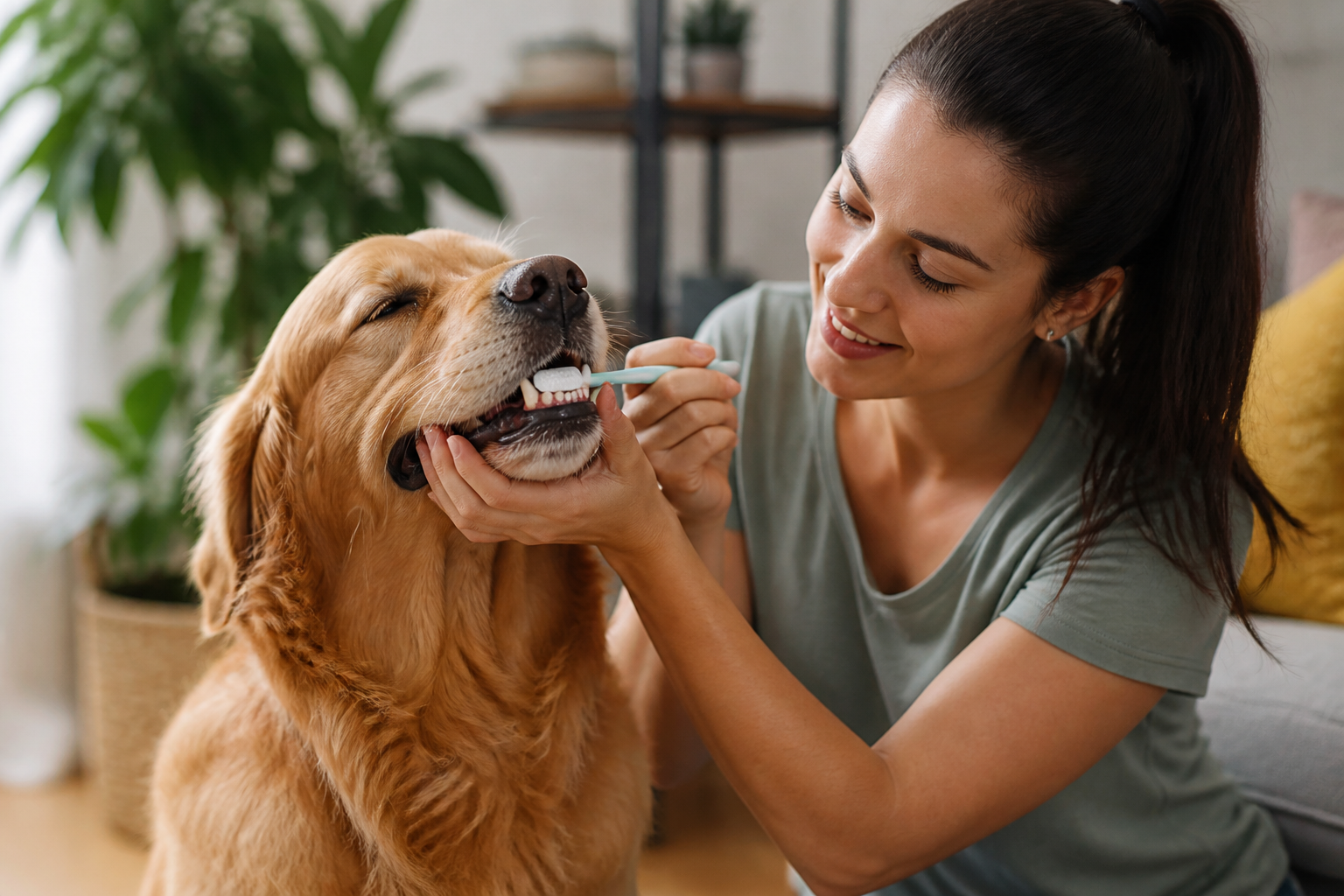
You lean in for a happy morning nuzzle and suddenly realize your dog's breath could peel paint. It is a common moment for many pet owners. We often focus on fluffy coats and wagging tails while forgetting about the pearly whites hidden behind those lips. Keeping your dog's mouth healthy is about more than just avoiding "dog breath." It is a vital part of their overall wellness that affects their heart, kidneys, and comfort. At BaxterBoo, we have helped thousands of pet parents navigate the world of canine dental care since 2006. This post covers everything from the basics of brushing to the best treats for scrubbing away tartar. You will learn practical ways to keep your dog's smile bright and their body healthy.
Quick Answer: The most effective way to clean your dog's teeth is through daily brushing with pet-safe enzymatic toothpaste. You can supplement this routine with dental chews, water additives, and professional veterinary cleanings to ensure total oral health.
Why Dental Hygiene Matters for Your Dog
Most dogs show signs of oral health issues by the time they are three years old. Unlike humans, dogs cannot tell us when a tooth aches or when their gums feel tender. They often continue to eat and play even when they are in significant pain. If we ignore dental care, bacteria from the mouth can enter the bloodstream. This can eventually lead to issues with the heart, liver, and kidneys.
Plaque is the soft, sticky film that forms on teeth after eating. If it is not removed, it hardens into tartar within 24 to 48 hours. Tartar is much harder to remove and usually requires professional tools. By staying ahead of this buildup, you save your dog from discomfort and save yourself from expensive veterinary bills later. For more warning signs, read our guide to identifying bad teeth in dogs.
Choosing the Right Dental Care Tools
You cannot simply grab your own toothbrush and toothpaste from the bathroom cabinet. Human toothpaste often contains Xylitol or fluoride. Both of these ingredients are toxic to dogs. Dogs do not know how to spit, so they swallow everything you put on their teeth.
Pet-Safe Toothpaste
Canine toothpastes are formulated to be swallowed safely. They also come in flavors dogs actually enjoy, such as poultry, beef, or peanut butter. Many of these are enzymatic. This means they contain proteins that help break down plaque chemically even after you stop scrubbing. A dog-specific option is Nutri-Vet Dog Toothpaste.
The Right Brush
You have a few options when it comes to the hardware.
- Finger Brushes: These are small rubber caps that fit over your pointer finger. They are excellent for puppies or dogs who are nervous about long objects in their mouths.
- Dual-Headed Brushes: These have a long handle with a large brush on one end and a tiny one on the other. This allows you to reach the tiny incisors in the front and the large molars in the back.
- 360-Degree Brushes: These wrap around the tooth to clean multiple surfaces at once, which can speed up the process for wiggly dogs.
Key Takeaway: Always use toothpaste specifically formulated for dogs. These products are safe to swallow and use enzymes to help keep teeth clean even after the brushing session ends.
Step-by-Step Guide to Brushing Your Dog's Teeth
Brushing is the gold standard for oral care. If your dog is not used to it, you need to move slowly. Do not expect to do a full cleaning on the first day.
Step 1: The Taste Test
Put a small dab of dog-safe toothpaste on your finger. Let your dog lick it off. You want them to associate the flavor with a positive experience. Do this for a few days without even touching their teeth.
Step 2: Touch the Mouth
Once they like the paste, start gently rubbing your finger along their gums and teeth. Lift their lips to get them used to the sensation. Keep these sessions very short, perhaps only 30 seconds.
Step 3: Introduce the Brush
Put some toothpaste on the brush and let them lick it. Then, gently brush just the front teeth using a circular motion. If they stay calm, give them plenty of praise.
Step 4: Reach the Back
The back molars are where the most tartar builds up. Carefully slide the brush toward the back of the mouth. Focus on the outside surfaces of the teeth, as this is where the most plaque accumulates. You do not usually need to worry about the inside surfaces, as the dog's tongue does a decent job of cleaning those.
Step 5: Consistency is Key
Aim for daily brushing. If that is not possible, try for at least three times a week. Plaque turns into tartar quickly, so frequency matters more than the duration of each session.
Vet Tip: If your dog resists brushing, do not force it. This can lead to dental anxiety or accidental bites. Instead, go back a step or try alternative cleaning methods like dental wipes or additives.
The Role of Dental Treats and Chews
Not every dog will sit still for a toothbrush. This is where dental treats become a valuable tool. Brands like Greenies are designed with a specific texture that helps scrub teeth as the dog chews. You can explore our dog dental and breath care collection.
How Dental Chews Work
When a dog bites into a dense dental chew, the mechanical action scrapes away plaque. Some treats also contain ingredients that help freshen breath or prevent tartar from hardening. However, not all treats are created equal. One option is Greenies Original Dental Dog Chews.
- Size Matters: Always choose a chew that matches your dog's weight. A treat that is too small can be a choking hazard. A treat that is too large may provide too many calories.
- The Fingernail Test: If a chew is as hard as a rock, it might be too hard. A good rule of thumb is that if you cannot dent it with your thumbnail, it could potentially crack your dog's tooth.
- VOHC Seal: Look for products that carry the Veterinary Oral Health Council seal. This means the product has been tested and proven to reduce plaque or tartar.
We carry a wide variety of these options at BaxterBoo, making it easy to find something that fits your dog's chewing style.
Alternative Ways to Keep Teeth Clean
If brushing is a struggle, you can layer other methods to improve your dog's hygiene. For additional ideas, see these pet dental care tips.
Dental Wipes
Wipes are a great middle ground. They are pre-moistened with cleaning solutions and allow you to physically rub the surface of the teeth. They are often easier for dogs to tolerate than a bulky brush. TrueBlue Fast & Fresh Dog Dental Wipes are one available option.
Water Additives
These are tasteless liquids you add to your dog's water bowl. They contain enzymes or ingredients that kill bacteria in the mouth. While they do not remove existing tartar, they are excellent at preventing new plaque from sticking.
Specialized Dental Diets
Some dogs benefit from prescription dental kibble. These pieces of food are often larger and have a fibrous structure that does not shatter immediately when bitten. This forces the dog to chew, creating a scrubbing effect. Our pharmacy offers these specialized prescription pet foods through our partnership with Pet's Choice. You will need a valid prescription from your vet to order these specific diets.
When to Visit the Vet for Professional Care
Home care is a preventative measure, but it is not a substitute for professional cleanings. Even with daily brushing, some tartar may still form under the gum line where you cannot reach.
The Professional Exam
During a routine checkup, your vet will look for redness, swelling, or heavy tartar. They may suggest a professional cleaning under anesthesia. Anesthesia is necessary because it allows the vet to clean deep under the gums and take X-rays to check for bone loss or infected roots.
Scaling and Polishing
A professional cleaning involves scaling to remove hard tartar and polishing to smooth out the tooth surface. Smooth teeth are harder for bacteria to cling to. If your dog has a broken or severely infected tooth, the vet may need to perform an extraction to stop the pain.
Vet Tip: Schedule a dental checkup at least once a year. Small changes in your dog's eating habits or a sudden reluctance to play with chew toys can be early signs of dental pain.
Signs of Dental Issues to Watch For
You should regularly lift your dog's lips to check for problems. If you notice any of the following, it is time for a veterinary visit:
- Extremely bad breath that does not go away.
- Yellow or brown crust near the gum line.
- Red, swollen, or bleeding gums.
- Difficulty eating or dropping food.
- Pawing at the mouth or face.
- Loose or missing teeth.
Bottom line: Early detection of dental disease can prevent pain and more serious systemic health issues.
Conclusion
Cleaning your dog's teeth is one of the most impactful things you can do for their long-term health. While it might feel like a chore at first, most dogs eventually accept it as part of their daily routine. Start with a high-quality pet toothpaste and a soft brush. If that does not work for your lifestyle, lean on dental chews, wipes, and water additives. We are here to support your pet's wellness journey with a curated selection of dental tools and treats. For dogs with advanced needs, our pharmacy carries prescription diets through our partnership with Pet's Choice to help manage oral health.
- Start slow with a finger brush and tasty paste.
- Use VOHC-approved dental treats to supplement brushing.
- Monitor for signs of gum redness or pain.
- Visit your vet annually for a professional oral exam.
Your dog's health starts in the mouth. Check out our dog dental and breath care collection to get started today.
FAQ
Can I use baking soda to clean my dog's teeth?
It is not recommended to use baking soda because it has a very high salt content. If your dog swallows too much, it can cause an upset stomach or an electrolyte imbalance. It is much safer to use a toothpaste specifically designed for dogs that features flavors they like.
How often should I realistically brush my dog's teeth?
Ideally, you should brush your dog's teeth every single day. Plaque can harden into tartar in as little as 24 hours, so daily cleaning is the best way to prevent buildup. If your schedule is busy, aiming for at least three times a week can still provide significant health benefits. If you regularly purchase dental supplies, our Autoship programme can help you schedule repeat deliveries.
Are dental chews enough to keep teeth clean without brushing?
While dental chews are helpful, they are not a total replacement for brushing. Chews mostly clean the chewing surfaces and the tips of the teeth but often miss the gum line where disease starts. Think of dental treats as a helpful supplement to a regular brushing routine rather than the only tool.
Why does my dog's breath still smell bad after brushing?
If your dog's breath remains foul after cleaning, there may be an underlying issue like a tooth infection or gum disease. It could also be a sign of a health problem elsewhere in the body, such as the digestive tract or kidneys. In these cases, you should consult your veterinarian for a professional oral examination.






