
 Save 15% on your 1st Autoship learn more

 Email us
 Live Chat
 FAQs
FAQs





Introduction
You lean in for a morning nuzzle only to be met by breath that smells less like puppy kisses and more like a swamp. When you lift your dog's lip, you notice a thick layer of yellow or brown buildup along the gumline. This is the moment most pet owners realize that a standard toothbrushing at home is not enough to fix the problem. At BaxterBoo, we know that scheduling a professional dental cleaning can feel intimidating, especially when you are not sure what happens behind the clinic doors.
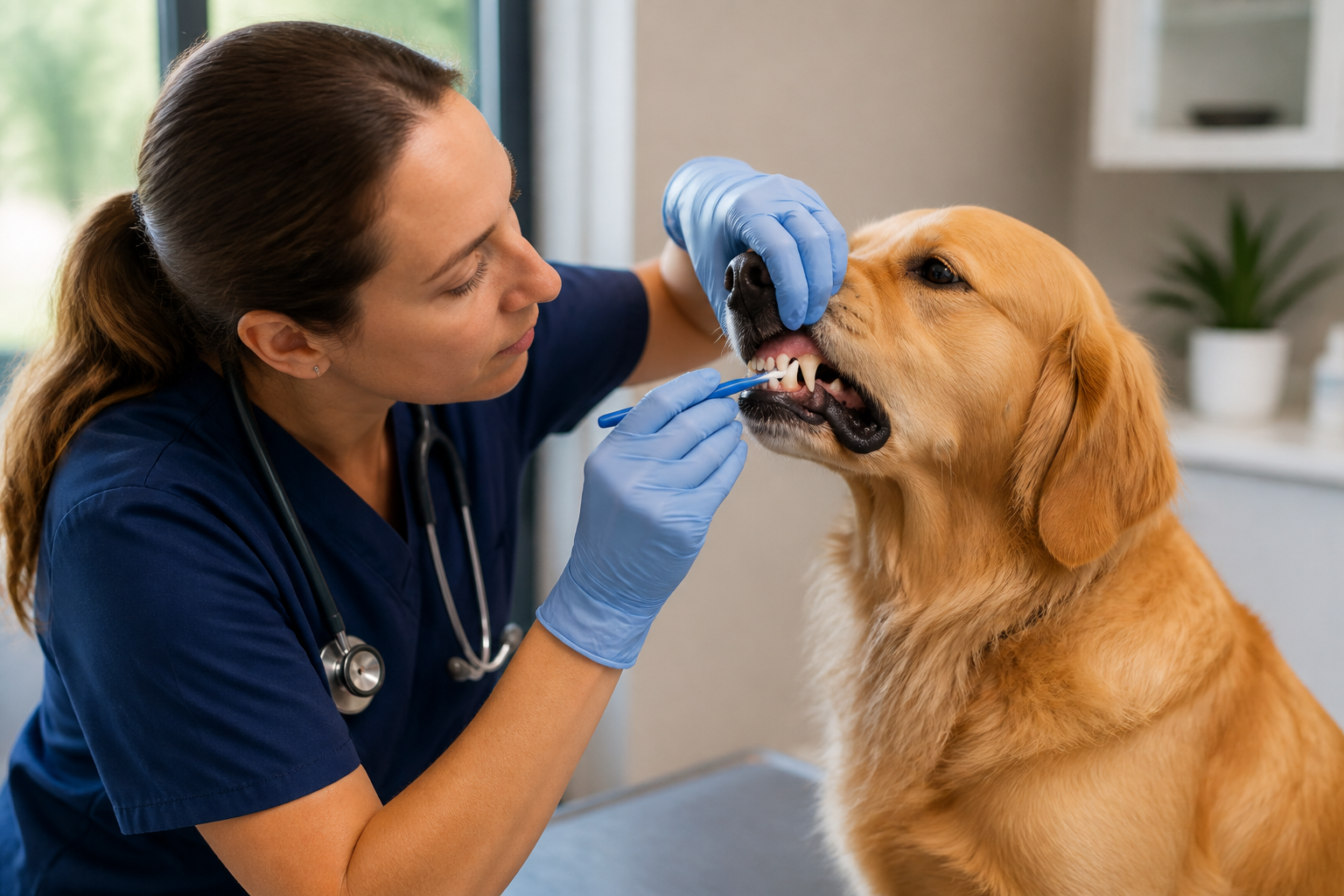
A professional cleaning is a clinical procedure that goes far beyond a simple scrub. It involves specialized equipment, anesthesia, and a thorough medical assessment of your pet's oral health. We want to help you understand the process so you can feel confident in your dog's care. This article explains the step by step journey of a veterinary dental cleaning and why it is a vital part of your dog's long term wellness.
The Importance of Professional Cleaning
Many owners wonder why they cannot just scrape the tartar off their dog's teeth at home. While daily brushing is excellent for prevention, it cannot remove hardened tartar or reach the bacteria living deep under the gums. If left alone, this bacteria can enter the bloodstream and potentially damage the heart, liver, or kidneys.
A professional cleaning at the vet is the only way to address periodontal disease safely. It allows the medical team to see what is happening beneath the surface where most dental issues hide. For at-home support between visits, explore our dog dental care collection.
Quick Answer: A veterinary dental cleaning involves scaling plaque and tartar from above and below the gumline while the dog is under general anesthesia. The process includes a full oral exam, X-rays, scaling with ultrasonic tools, and polishing to prevent future buildup.
Why Anesthesia Is Mandatory
The most significant difference between a home cleaning and a veterinary cleaning is the use of anesthesia. Some services offer "anesthesia-free" cleanings, but most veterinarians and the American Veterinary Dental College advise against them.
Anesthesia is necessary for several practical reasons. First, it allows the vet to use sharp instruments around sensitive gum tissue without the risk of the dog moving and getting hurt. Second, it allows for a "subgingival" cleaning. This means the vet can clean under the gumline where the most harmful bacteria live. You can learn more about ongoing home care in our dog dental care tips.
Finally, anesthesia allows the vet to place a tube in the dog's windpipe. This protects the lungs from inhaling water, bacteria, or debris during the scaling process.
Pre-Procedure Preparation
The process actually begins before the day of the cleaning. Your vet will usually require a physical exam and blood work a few days or weeks in advance.
Blood Work and Screening
This testing ensures that your dog’s liver and kidneys are functioning well enough to process the anesthesia. For senior dogs or those with known health issues, the vet might also recommend a chest X-ray or an EKG. If the blood work shows any concerns, your vet might prescribe a specific prescription diet or medication to stabilize your pet before the procedure. When medication is prescribed, our dog pharmacy can be a convenient resource.
The Night Before
In most cases, your dog will need to fast starting the night before the appointment. This usually means no food after midnight, though water is often allowed until the morning. Fasting prevents vomiting while under sedation, which is a major safety concern.
Vet Tip: If your dog is currently taking any medications for chronic conditions, ask your veterinarian exactly how to handle the morning dose on the day of the dental procedure. Some medications should be given as usual, while others might need to be paused.
The Step-By-Step Dental Cleaning Process
Once you drop your dog off in the morning, the veterinary team begins a structured process. This ensures every tooth is examined and cleaned thoroughly.
Step 1: Pre-Medication and Induction
The team gives your dog a sedative to help them relax. Once the sedative takes effect, they administer an induction agent to put the dog into a deeper sleep. A breathing tube is then placed to deliver oxygen and anesthetic gas throughout the procedure.
Step 2: Monitoring
A dedicated technician usually monitors your dog’s vital signs. They watch the heart rate, oxygen levels, blood pressure, and temperature. Keeping the dog warm with blankets or heated pads is also a standard part of the process.
Step 3: Radiographs (X-rays)
Up to 60 percent of a dog's tooth is hidden under the gumline. Without X-rays, a vet cannot see abscesses, bone loss, or broken roots. X-rays are the only way to know if a tooth that looks healthy on the outside is actually causing your dog pain on the inside.
Step 4: Scaling
The vet or a licensed technician uses an ultrasonic scaler to remove plaque and tartar. This tool uses high frequency vibrations and water to break up the hardened deposits. They clean the visible part of the tooth and the area just beneath the gumline.
Step 5: Polishing
Scaling leaves tiny, microscopic scratches on the tooth enamel. These scratches can actually give bacteria a better place to grip. Polishing smooths the enamel back down, making it harder for new plaque to stick to the teeth.
Step 6: Final Irrigation
The mouth is flushed with water or an antibacterial rinse. This removes any remaining debris or polishing paste before the dog is woken up. For additional at-home options, our dental supplements and water additives can complement a regular care routine.
Key Takeaway: A professional dental cleaning is as much about the exam and X-rays as it is about the cleaning. Without X-rays and subgingival scaling, the most painful and dangerous parts of dental disease remain untreated.
Dealing With Extractions and Advanced Issues
Sometimes, the vet discovers a tooth that is too damaged to save. This is common in older dogs or breeds prone to dental crowding.
If a tooth needs to come out, the vet will usually perform a nerve block. This is a local anesthetic that numbs the specific area of the mouth, similar to what a human dentist does. The vet then carefully removes the tooth and may use dissolvable sutures to close the gum tissue.
For dogs with severe infections, the vet might prescribe a course of antibiotics. Our pet pharmacy carries these medications and can coordinate with your vet to ensure you have everything needed for recovery. We also offer specialized prescription diets through our partnership with Pet's Choice if your dog requires a specific nutritional path for recovery.
Post-Cleaning Care and Recovery
Most dogs can go home the same afternoon. They might be a bit groggy for 12 to 24 hours as the anesthesia wears off.
Immediate Home Care
- Quiet Space: Provide a warm, quiet spot for your dog to rest away from other pets or noisy children.
- Soft Food: If your dog had extractions, the vet will likely recommend soft food for 7 to 10 days. You can soften their regular kibble with warm water or use a canned version.
- Monitoring: Watch for any excessive bleeding or a complete refusal to drink water.
Long-Term Prevention
The best way to extend the time between professional cleanings is a solid home care routine. We recommend starting a brushing habit once your dog’s mouth has fully healed. For more ideas, read these dog dental warning signs and care tips.
- Daily Brushing: Use a dog-specific toothpaste. Never use human toothpaste, as it contains ingredients like xylitol that are toxic to pets.
- Dental Chews: High quality chews like Greenies can help mechanically scrape away soft plaque before it hardens into tartar. Browse our dental chews for dogs.
- Regular Checks: Lift your dog's lips once a week to look for redness or new buildup.
When Should You Schedule a Cleaning?
The frequency of professional cleanings depends largely on your dog's size, age, and genetics. Smaller breeds like Chihuahuas or Pugs often need yearly cleanings because their teeth are crowded, which traps more food and bacteria. Larger dogs may be able to go two years between procedures if their owners are diligent with at-home care.
Watch for these signs:
- Persistent bad breath that does not go away after brushing.
- Visible yellow or brown crust near the gums.
- Red, swollen, or bleeding gums.
- Dropping food while eating or favoring one side of the mouth.
- Pawing at the face or mouth.
Bottom line: Regular professional cleanings prevent pain and keep your dog's internal organs safe from the systemic effects of dental bacteria.
How BaxterBoo Supports Your Dog's Dental Health
We believe that dental care is a lifetime commitment. Beyond the clinical cleaning, we provide the tools you need to keep those pearly whites shining at home. Our selection includes everything from specialized toothbrushes to dental water additives. Find brushing supplies in our grooming tools category.
When you shop with us, you can earn rewards through the MVP Rewards programme, helping you save on the supplies you need for daily maintenance. If your vet recommends a specific dental diet or a preventive medication, our Autoship programme can help make repeat orders more convenient. By combining professional veterinary care with consistent home habits, you can ensure your dog enjoys a healthy mouth and fresh breath for years to come.
FAQ
Is it safe for my senior dog to have a dental cleaning?
Yes, senior dogs can safely undergo dental cleanings as long as they have a thorough pre-anesthetic screening. Your vet will use the blood work and physical exam to tailor the anesthesia protocol to your older dog's specific needs. Managing dental disease is actually very important for seniors because it reduces the strain on their immune system and vital organs.
How much does a professional dog teeth cleaning cost?
The cost varies based on your location and the complexity of your dog's dental needs. A basic cleaning might cost between $350 and $500, but the price increases if X-rays, extractions, or oral surgery are required. It is always best to ask your vet for a detailed estimate after they perform an initial oral exam.
Can my vet clean my dog's teeth without anesthesia?
While some places offer "anesthesia-free" cleaning, it is not a substitute for a medical dental procedure. Without anesthesia, a vet cannot safely perform X-rays or clean deep under the gumline where the real damage occurs. It can also be very stressful for the dog to be restrained while sharp tools are used in their mouth.
How long does it take for a dog to recover from a dental cleaning?
Most dogs are back to their normal selves within 24 to 48 hours after anesthesia. If your dog had teeth extracted, the gums may take 7 to 14 days to heal completely. During this time, you should follow your vet's instructions regarding soft food and avoiding tug-of-war toys.






