
 Save 15% on your 1st Autoship learn more

 Email us
 Live Chat
 FAQs
FAQs





Introduction
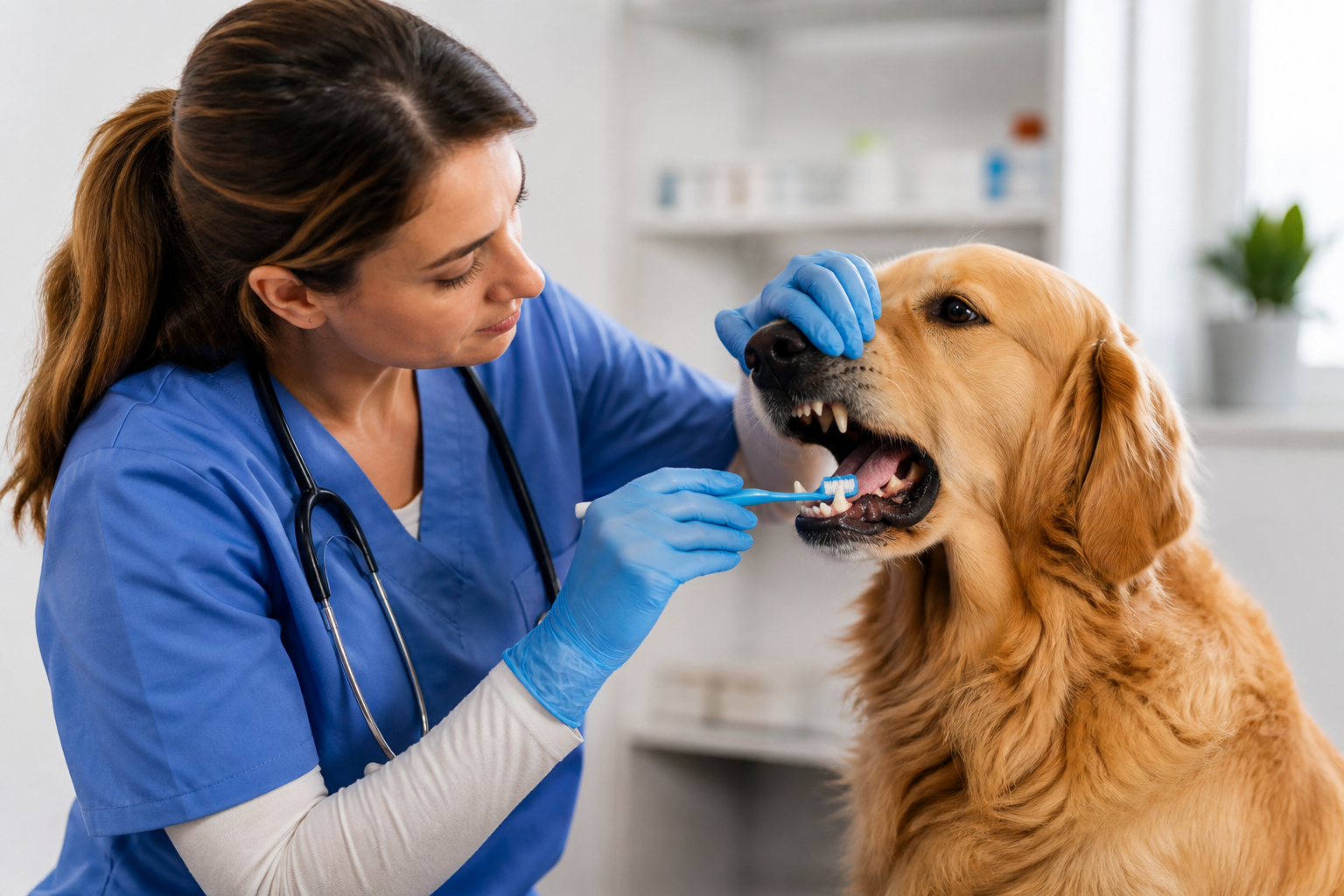
You might notice a sharp, fishy odor when your dog leans in for a lick. Or perhaps you see a thick layer of yellow-brown crust along their gumline. These are the moments when most pet owners realize their dog needs more than just a dental chew. Professional dental cleaning is a standard part of canine health care. It goes far beyond what you can achieve with a toothbrush at home. At BaxterBoo, we have helped thousands of pet owners navigate the transition from routine home care to professional veterinary visits. This article explains exactly what happens behind the clinic doors during a dental procedure. We will cover the importance of anesthesia, the tools used for scaling, and how to manage your dog's recovery. Understanding this process helps you make informed decisions for your pet's long-term wellness.
Quick Answer: A veterinary dental cleaning involves a thorough exam, X-rays, and scaling above and below the gumline while the dog is under general anesthesia. Vets use specialized ultrasonic tools to remove tartar and then polish the enamel to prevent future buildup.
The Pre-Appointment Phase
The process begins long before your dog enters the surgical suite. Most veterinarians require a pre-anesthetic exam and blood work a few days or weeks before the procedure. This is a vital safety step. The blood panel checks liver and kidney function to ensure your dog can safely metabolize the anesthesia. If your dog is older or has underlying health issues, the vet might also recommend a chest X-ray or an EKG.
On the night before the cleaning, you will usually need to fast your dog. Most clinics recommend no food after midnight. This prevents vomiting during the procedure, which can lead to serious complications like aspiration pneumonia. You can typically leave water out until the morning of the appointment. Always follow your specific clinic's instructions on fasting.
Preparation Checklist
- Confirm your appointment time and drop-off window.
- Complete all required pre-anesthetic blood work.
- Follow fasting instructions precisely to ensure a safe surgery.
- Prepare a quiet space at home for your dog to recover afterward.
The Role of General Anesthesia
One of the most common questions pet owners ask is why anesthesia is necessary. It is impossible to perform a thorough dental cleaning on a dog while they are awake. Anesthesia allows the vet to clean deep under the gumline where most dental disease hides. It also keeps the dog perfectly still. This prevents injury from sharp scaling instruments and the high-speed polisher.
During the procedure, a breathing tube is placed in the dog's trachea. This tube protects the lungs from water and debris. It also allows the veterinary team to deliver oxygen and anesthetic gas. A dedicated technician monitors your dog's vitals throughout the entire process. They track heart rate, blood pressure, oxygen levels, and temperature. This constant supervision ensures the highest level of safety for your pet.
Vet Tip: Never attempt "anesthesia-free" dental cleanings. These cosmetic procedures only remove tartar you can see. They do not address the bacteria under the gums that causes tooth loss and pain.
The Oral Examination and X-Rays
Once your dog is safely asleep, the veterinarian performs a tooth-by-tooth exam. They use a periodontal probe to check for "pockets" between the tooth and the gum. Deep pockets indicate bone loss or infection. The vet also looks for cracked teeth, oral tumors, and signs of gingivitis.
Dental X-rays are a critical part of this step. About 60 percent of a dog's tooth is located below the gumline. A tooth can look perfectly healthy on the outside while the root is rotting away. X-rays reveal abscesses, bone loss, and hidden fractures. Without these images, your vet might miss significant sources of chronic pain.
Key Takeaway: Visual exams only show a fraction of the problem. Dental X-rays are the only way to see what is happening beneath the gums and at the root level.
Scaling Above and Below the Gumline
The actual cleaning involves two main stages. First, the vet or technician uses an ultrasonic scaler. This tool uses high-frequency vibrations and a cooling water spray to shatter tartar. They move the scaler over every surface of every tooth. This removes the hard, calcified deposits that a toothbrush cannot budge.
The second stage is subgingival scaling. This is the most important part of the entire visit. The technician carefully cleans the space between the tooth and the gum. Removing bacteria from this area stops the progression of periodontal disease. This step prevents the bacteria from entering the bloodstream, where it could eventually damage the heart, liver, or kidneys. For ongoing at-home support, explore our dog dental care category.
Polishing the Enamel
After scaling, the surface of the teeth is actually quite rough. If left this way, the microscopic scratches would provide the perfect surface for new plaque to attach. To prevent this, the vet performs a thorough polishing. They use a slow-speed handpiece with a soft rubber cup and specialized dental paste.
The polishing smooths out the enamel. This makes it much harder for bacteria to stick to the teeth in the weeks following the cleaning. Once the polishing is finished, the mouth is rinsed with a chlorhexidine solution or water to remove any remaining debris and paste.
Bottom line: Scaling removes the buildup, but polishing protects the teeth from quick re-contamination.
Addressing Problem Teeth and Extractions
If the X-rays or exam reveal a tooth that is too damaged to save, the vet may recommend an extraction. This is common in dogs with advanced dental disease or fractured teeth. Keeping a dead or infected tooth in the mouth causes constant pain and inflammation.
For extractions, veterinarians use local nerve blocks. This is similar to the numbing injection you receive at your own dentist. It blocks pain signals and allows the vet to use less general anesthesia. If your dog needs extractions, they may be sent home with a prescription for antibiotics or pain medication.
Our pharmacy at BaxterBoo carries a variety of FDA-approved medications through our partnership with Pet's Choice. If your vet provides a prescription for post-surgical care, we can help you fulfill those needs. Proper pain management is essential for a smooth recovery after any oral surgery.
Post-Procedure Recovery and Home Care
After the cleaning is finished, the anesthetic gas is turned off. Your dog is moved to a warm recovery area and monitored until they are fully awake. Most dogs are ready to go home the same afternoon. They may be a bit groggy or tired for the first 24 hours.
When you get your dog home, offer a small meal and plenty of water. If they had extractions, your vet might recommend soft food for several days. Keep them in a quiet, indoor space where they can rest without being disturbed by other pets or children.
| Step | Action | Timing |
|---|---|---|
| Recovery | Keep the dog warm and quiet. | First 24 hours |
| Feeding | Offer soft food if extractions occurred. | First 3-7 days |
| Monitoring | Watch for redness or heavy drooling. | First week |
| Maintenance | Begin daily brushing once healed. | After 10-14 days |
For additional guidance about warning signs and home care, read our advice on recognizing bad teeth in dogs.
Maintaining Results Between Cleanings
A professional cleaning is a fresh start for your dog's mouth. However, plaque begins to form again within hours. To keep the teeth clean, you must implement a home care routine. Daily brushing is the gold standard. Use a toothbrush designed for dogs and a pet-safe toothpaste. Human toothpaste often contains xylitol, which is toxic to dogs.
In addition to brushing, you can use dental treats like Greenies. These are designed to mechanically scrub the teeth as your dog chews. Water additives and dental diets are also helpful tools. We carry a wide selection of these products at BaxterBoo to support your dog's oral hygiene between veterinary visits.
Vet Tip: Check the VOHC (Veterinary Oral Health Council) seal on treats and foods. This seal ensures the product has been tested and proven to reduce plaque or tartar.
For more ideas, explore our guide to pet dental care tips.
How Often Does a Dog Need a Cleaning?
The frequency of professional cleanings depends on the individual dog. Small breeds and flat-faced dogs, such as Pugs or Yorkies, often need cleanings every year. Their teeth are crowded, which traps more food and bacteria. Larger breeds may be able to go 18 to 24 months between cleanings.
Your veterinarian will assess your dog's mouth during their annual wellness exam. They look for signs like bad breath, redness along the gums, or visible tartar. Do not wait for your dog to stop eating before scheduling a dental checkup. Dogs are very stoic and will often continue to eat even when they have severe dental pain. Our dental care tips can help you support your dog's routine between veterinary visits.
Key Takeaway: Regular checkups allow you to catch dental disease in its early, reversible stages, saving your dog from pain and saving you from more expensive surgeries later.
Understanding the Costs Involved
The cost of a veterinary dental cleaning can vary significantly. Factors include your location, the size of your dog, and the severity of their dental disease. A routine cleaning for a young dog with healthy gums is much less expensive than a procedure for a senior dog requiring multiple extractions.
Items that typically affect the final bill include:
- Pre-anesthetic blood work and exams.
- The duration of anesthesia and monitoring.
- The number of dental X-rays taken.
- Local nerve blocks and surgical time for extractions.
- Post-operative medications and follow-up visits.
Many pet insurance providers, including our partners at FIGO Pet Insurance, offer plans that help cover the costs of dental procedures. It is worth checking your policy to see what is included. Investing in routine cleanings early in your dog's life can prevent much higher costs associated with advanced periodontal disease down the road.
Summary of Professional Dental Care
Professional dental care is about more than just white teeth. It is about preventing infection and systemic disease. By choosing a full veterinary cleaning under anesthesia, you are ensuring that every part of your dog's mouth is evaluated and treated. This process allows your vet to address issues that are invisible to the naked eye.
While the idea of anesthesia can be stressful, modern protocols make it a very safe experience for most pets. The benefits of a pain-free, healthy mouth far outweigh the risks for the vast majority of dogs. Combine these professional visits with a consistent at-home routine to keep your dog's tail wagging and their breath fresh. For recurring dental supplies, consider our Autoship programme.
Bottom line: A professional cleaning is the most effective way to treat existing dental disease and protect your dog's overall health.
FAQ
Why can't the vet just scrape the tartar off while my dog is awake?
Scraping tartar off an awake dog is purely cosmetic and does not address the bacteria under the gumline. It can also be painful and scary for the dog, potentially leading to accidental nicks on the gums. Without anesthesia, the vet cannot take X-rays or clean the inner surfaces of the teeth effectively.
Will my dog be in pain after the dental cleaning?
Most dogs feel much better after a cleaning because the source of chronic inflammation and bacteria is gone. If your dog requires extractions, they may have some soreness for a few days. Your veterinarian will prescribe appropriate pain management medications to ensure they remain comfortable during the healing process.
How long does the actual cleaning procedure take?
A routine cleaning typically takes between 45 and 90 minutes. This includes the time for the exam, X-rays, scaling, and polishing. If your dog needs extractions or has advanced periodontal disease, the procedure can take longer. You should plan for your dog to spend most of the day at the clinic for preparation and recovery.
Can I just use dental treats instead of professional cleanings?
Dental treats are a great supplement to oral care, but they are not a replacement for professional cleanings. Treats primarily clean the chewing surfaces of the teeth and do not reach the bacteria hidden under the gums. Think of treats like chewing gum for humans; they help, but you still need to see a dentist.






