
 Save 15% on your 1st Autoship learn more

 Email us
 Live Chat
 FAQs
FAQs





Introduction
You are relaxing on the sofa when your dog hops up to give you a friendly lick, but the smell of their breath makes you pull away. While "dog breath" is a common joke among pet owners, a truly foul odor often signals that bacteria and tartar are taking over. At BaxterBoo, we know that scheduling a professional dental appointment can feel overwhelming and even a little scary for many owners. You might wonder exactly what happens once you hand over the leash at the clinic or why the process is so involved compared to your own dental visits. This article explains how the vet cleans dogs teeth, why anesthesia is a necessary part of the process, and what the recovery period looks like. Understanding these steps will help you feel more confident in managing your dog's long term oral health.
The Initial Assessment and Pre-Cleaning Exams
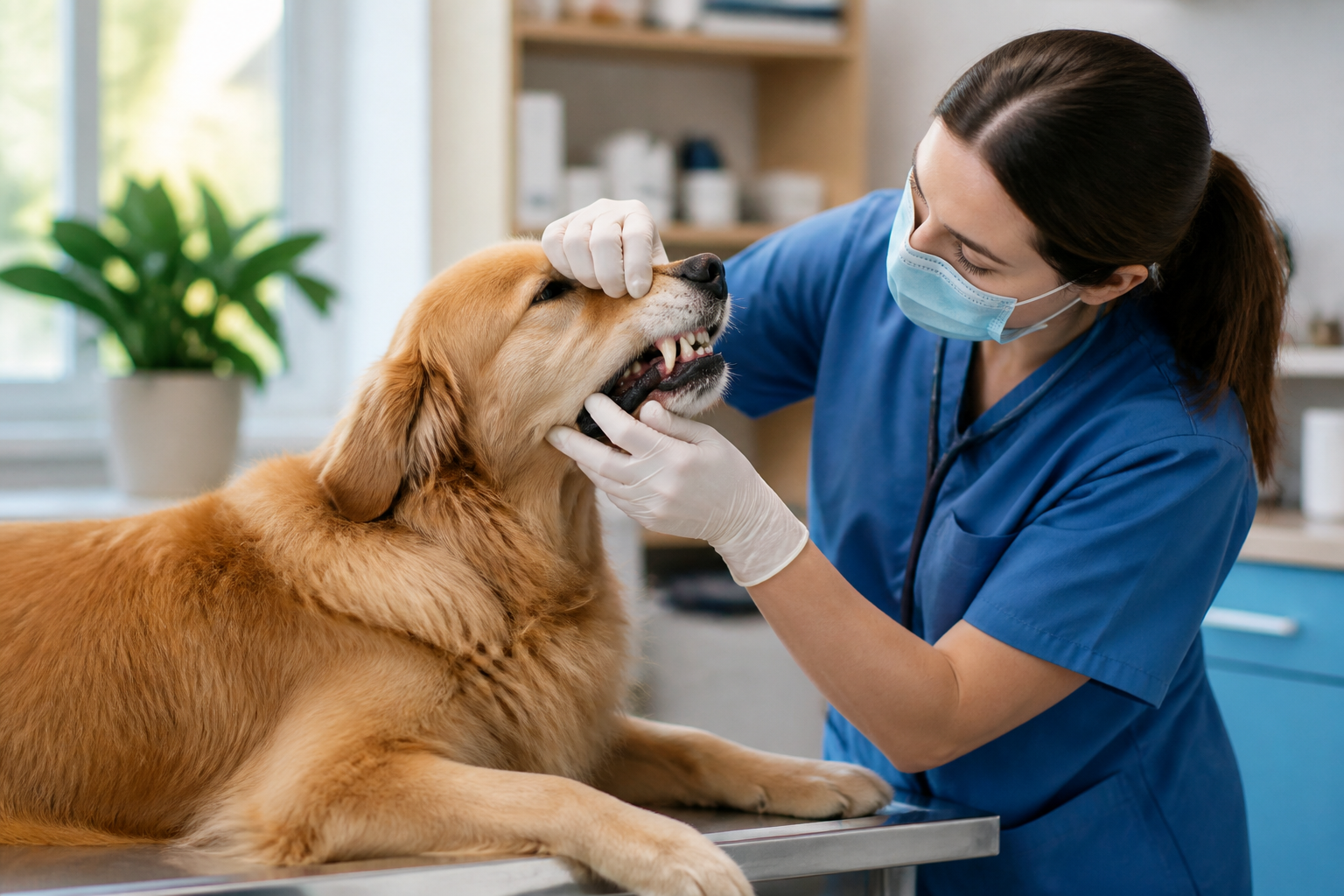
The process does not begin with a toothbrush. It starts with a thorough physical examination while your dog is still awake. Your veterinarian will look for obvious signs of trouble, such as heavy brown tartar buildup, bright red or bleeding gums, or cracked teeth. This initial look helps the vet provide a more accurate estimate of the work needed, though they cannot see everything until the dog is under anesthesia.
Most clinics require blood work before the actual cleaning day. This step is vital for safety. The vet needs to ensure that your dog's liver and kidneys are functioning well enough to process the anesthetic medications. If the blood work shows any concerns, the vet might adjust the types of medication used or postpone the procedure until the underlying issue is addressed.
Quick Answer: A professional dental cleaning involves several steps including an oral exam, dental X-rays, scaling above and below the gumline, and polishing. Because dogs will not sit still for these procedures, they are placed under general anesthesia to ensure a thorough and pain-free cleaning.
Why Anesthesia Is Non-Negotiable
One of the most common questions we hear is whether a dog can have their teeth cleaned while awake. While "anesthesia-free" dental cleanings are sometimes marketed to pet owners, they are not a substitute for a veterinary procedure. Anesthesia allows the vet to do a complete job that is simply impossible on a conscious animal.
First, anesthesia ensures your dog does not feel any pain or stress during the process. Dental tools can be sharp and noisy. A dog that flinches could end up with a cut on their gums or tongue. Second, it allows the vet to clean the "subgingival" area, which is the space just beneath the gumline. This is where the most dangerous bacteria live. Finally, anesthesia allows for the placement of a breathing tube. This tube protects your dog's airway from the water and debris that are sprayed into the mouth during the cleaning.
Vet Tip: If you are nervous about anesthesia, ask your vet about their specific monitoring protocols. Modern veterinary medicine uses advanced equipment to track heart rate, oxygen levels, and blood pressure throughout the entire procedure.
The Step-by-Step Professional Cleaning Process
Once your dog is safely under anesthesia, the real work begins. The veterinary team follows a specific sequence to ensure every tooth is addressed.
Step 1: Dental X-rays
More than half of a dog's tooth is hidden below the gumline. Without X-rays, a vet is essentially flying blind. These images reveal hidden infections, bone loss, and rotted roots that look perfectly normal from the surface. Finding these issues early can prevent your dog from living with chronic, silent pain.
Step 2: Scaling
The vet or a trained technician uses an ultrasonic scaler to remove plaque and tartar. This tool uses high-frequency vibrations and a cooling water mist to break up the "calculus" that has hardened on the teeth. They clean the visible surfaces and, most importantly, the pockets under the gums where periodontal disease starts.
Step 3: Probing and Evaluation
After the teeth are clear of tartar, the vet uses a dental probe to measure the depth of the pockets around each tooth. Deep pockets indicate that the gum is separating from the tooth, which is a sign of advanced disease. They check for "pockets" of infection and any signs of oral tumors or lesions.
Step 4: Polishing
Scaling leaves microscopic scratches on the tooth enamel. If left unpolished, these scratches provide a perfect place for new bacteria to latch on. The vet uses a specialized dental paste and a spinning rubber cup to smooth the enamel back down, making it harder for plaque to return.
Addressing Extractions and Advanced Dental Issues
Sometimes, a cleaning turns into a surgical procedure. If the X-rays or the physical probe reveal a tooth that is dead, broken, or severely infected, the vet will likely recommend an extraction. Keeping a diseased tooth in the mouth is often worse than removing it, as the infection can spread to the jawbone or even enter the bloodstream.
If an extraction is needed, the vet will use local numbing agents, similar to what a human dentist uses, so the dog does not feel the surgery. They may also use sutures that dissolve on their own. In some cases, your vet might refer you to a board-certified veterinary dentist for advanced work like root canals or specialized gum surgery.
If your dog needs medications following their procedure, such as antibiotics or pain relief, our pet pharmacy at BaxterBoo can help. Through our partnership with Pet's Choice, we offer a wide range of FDA-approved prescription medications and even prescription-strength dental diets. Having these items delivered to your door makes the post-cleaning recovery much easier for you and your pet.
Key Takeaway: A professional cleaning is more than just making teeth white. It is a medical procedure designed to identify and treat pain and infection that are hidden beneath the surface of the gums.
Understanding the Costs of Professional Care
It is helpful to know that dental costs vary significantly based on your dog's size, age, and the condition of their mouth. A routine cleaning for a young dog with healthy gums will be much less expensive than a procedure for a senior dog requiring multiple extractions.
Standard costs usually include:
- Pre-anesthetic blood work and physical exam.
- The anesthesia itself and the monitoring equipment.
- Hospitalization for the day.
- X-rays and the scaling/polishing procedure.
- Post-operative pain medications or antibiotics.
Many owners find that investing in a cleaning every one to two years actually saves money in the long run. By catching dental disease early, you can avoid the much higher costs associated with major oral surgery or treating secondary health issues like heart or kidney disease caused by chronic oral infection.
Recovery and Aftercare at Home
When you pick your dog up in the afternoon, they might be a little groggy or wobbly. This is a normal side effect of the anesthesia. Your vet will provide specific instructions, but generally, you should keep your dog in a quiet, warm place away from other pets or active children for the first 24 hours.
If your dog had extractions, they will likely need soft food for several days. Their mouth may be a bit tender, so it is best to avoid hard kibble or crunchy treats during this time. Watch for any excessive redness or swelling, though a tiny amount of blood-tinged saliva is common on the first night.
- Offer small amounts of water frequently once they are fully awake.
- Follow the exact schedule for any prescribed pain medications.
- Limit stairs and high jumps while they are still regaining their balance.
- Wait at least 10 to 14 days before resuming any toothbrushing if extractions were performed.
Bottom line: Most dogs bounce back quickly from a dental procedure and often show increased energy once the source of their oral pain has been removed.
Maintaining Results and Preventive Care
A professional cleaning is a fresh start, but plaque begins to reform within hours of the procedure. To keep your dog's mouth healthy, you need a plan for at-home care. The gold standard is daily brushing using a dog-specific toothpaste. Never use human toothpaste, as it contains ingredients like xylitol that are toxic to dogs.
We carry a variety of tools at BaxterBoo to help you succeed with at-home care. From specialized toothbrushes to dental wipes and water additives, there are many ways to support your dog's oral health even if they aren't a fan of the brush. For additional at-home guidance, read our pet dental care tips.
We also stock a wide selection of dental chews, such as Greenies, which are specifically designed to help scrub teeth as your dog chews. Explore our dog dental care category for brushes, wipes, water additives, and other oral-care products.
Using the Autoship programme for your dental supplies is a great way to stay consistent. You can have dental treats and toothpaste delivered on a schedule so you never run out. Plus, the MVP Rewards programme helps you earn points on these regular purchases, which adds up to significant savings over time.
Signs Your Dog Needs a Dental Appointment
You should not wait until your dog stops eating to schedule a dental checkup. Most dogs will continue to eat even if they have significant dental pain. They are very good at hiding their discomfort. Instead, look for these subtle signs:
- Persistent bad breath: If the smell doesn't go away after a meal, it is likely bacteria.
- Difficulty picking up food: If they drop kibble or chew only on one side of the mouth.
- Excessive drooling: Especially if the saliva is thick or tinged with blood.
- Pawing at the mouth: This is a clear sign of irritation or pain.
- Changes in personality: Some dogs become irritable or lethargic when they have a chronic toothache.
Regularly lifting your dog's lips to look at their teeth can help you catch these issues early. If you see yellow-brown buildup near the gumline or gums that look angry and red, it is time to call the vet. For more warning signs, read how to spot bad teeth in dogs.
The Link Between Oral Health and Overall Wellness
It is easy to think of the mouth as a separate system, but it is deeply connected to the rest of the body. The gums are very vascular, meaning they have a rich blood supply. When bacteria thrive under the gumline, they can easily enter the bloodstream.
Studies have shown that chronic dental disease is linked to damage in the heart, liver, and kidneys. The body's immune system is constantly working to fight off the oral infection, which can leave your dog more vulnerable to other illnesses. By keeping your dog's teeth clean, you aren't just improving their breath; you are potentially adding years to their life.
Key Takeaway: Professional dental care is a cornerstone of preventative medicine that protects your dog's internal organs from the harmful effects of chronic bacteria.
Common Questions About Veterinary Dental Cleanings
Many owners worry about the frequency of cleanings. While the general recommendation is once a year, every dog is different. Small breeds and flat-faced breeds like Pugs or Bulldogs often need more frequent care because their teeth are crowded together, creating more places for food and bacteria to hide. Large dogs might go 18 months or two years between cleanings if they have a good at-home routine.
Another common concern is the use of local nerve blocks. If your vet needs to remove a tooth, they will use these injections to block the pain signal before it ever reaches the brain. This allows for a smoother recovery and often means the dog needs less general anesthesia during the procedure. It is a sign of high-quality care when a clinic uses a multi-modal approach to pain management.
If your vet has recommended a specific prescription diet to help manage tartar or support recovery, remember that our pharmacy can fulfill those orders. We aim to be your partner in every stage of pet care, from the toys that keep them happy to the medications that keep them healthy.
Preparing for the Appointment
To make the day go smoothly, follow your vet's fasting instructions exactly. Usually, this means no food after midnight the night before. This is critical for preventing complications during anesthesia. Ensure your vet has your most current contact information so they can reach you immediately if they find something unexpected during the oral exam.
When you drop your dog off, feel free to bring a familiar blanket or a small toy that smells like home. This can help them feel more comfortable in the recovery ward. Ask for a written summary of the procedure and a "report card" for their teeth so you can track their progress over the years.
Conclusion
A professional dental cleaning is one of the most beneficial things you can do for your dog's long term health. While the process of anesthesia and scaling may seem complex, it is the only way to truly clean beneath the gumline where it matters most. By combining these veterinary visits with consistent at-home care, you can ensure your dog stays comfortable and happy. Whether you need a new set of dental chews or a specialized prescription diet from our pharmacy, we are here to support you in every step of your pet's wellness journey.
- Follow all pre-operative fasting instructions.
- Review the dental X-rays with your vet to see what is happening under the gums.
- Keep your dog quiet and comfortable during the first 24 hours of recovery.
- Start a daily brushing routine once the vet gives the all-clear.
Bottom line: Regular veterinary dental cleanings prevent silent pain and protect your dog's heart and kidneys from the dangers of oral bacteria.
FAQ
Why can't I just brush my dog's teeth instead of a professional cleaning?
Brushing is excellent for preventing new plaque from hardening, but it cannot remove tartar that has already turned into "calculus," which is hard like stone. Brushing also cannot reach the deep pockets under the gumline where the most serious infections occur. Think of brushing as daily maintenance and the vet visit as the necessary deep cleaning that reaches areas your brush cannot.
Is my dog too old for a dental cleaning?
Age itself is not a disease, and many senior dogs safely undergo dental cleanings. In fact, senior dogs often need dental care the most because they are more likely to have painful infections or rotted teeth. Your vet will use blood work and perhaps a heart exam to ensure your senior pet is a good candidate for anesthesia and will tailor the protocol to their specific needs.
How long does the actual cleaning procedure take?
A routine cleaning usually takes between 45 and 90 minutes from the time the anesthesia starts to the time the dog begins waking up. However, if the vet finds that extractions are necessary or if the tartar buildup is very heavy, the procedure can take longer. You should expect your dog to stay at the clinic for the majority of the day so the staff can monitor their recovery from the anesthesia.
Why does my dog need X-rays if their teeth look white?
Many dental problems are invisible to the naked eye because they happen inside the tooth or under the bone. A tooth can look perfectly white and healthy on the outside while the root is actually abscessed and causing significant pain. X-rays are the only way for a veterinarian to confirm that the entire mouth, including the structures you cannot see, is truly healthy.






