
 Save 15% on your 1st Autoship learn more

 Email us
 Live Chat
 FAQs
FAQs





Introduction
You are likely familiar with that specific morning moment when your dog wakes you up with an enthusiastic lick to the face. If that greeting comes with a scent that makes you pull away, you are probably thinking about their dental health. At BaxterBoo, we hear from owners every day who are surprised by how quickly plaque can turn into a serious health concern. While bad breath is the most obvious sign, the health of a dog's mouth affects their entire body. This guide explains exactly what happens during a professional cleaning and how much of your day it will require. We will cover the timeline for vet visits, the difference between professional and home care, and how to maintain that fresh feeling between appointments. Understanding this process helps you provide the best care for your companion.
Quick Answer: A professional dog dental cleaning procedure usually takes between 45 and 60 minutes. However, the entire vet visit typically lasts four to eight hours to allow for pre-operative exams, anesthesia setup, and supervised recovery.
The Professional Dental Cleaning Timeline
When you ask how long the process takes, the answer depends on whether you mean the actual scrubbing or the entire vet visit. For most owners, a professional cleaning is a full-day event. You will typically drop your dog off in the early morning and pick them up in the late afternoon. This ensures the veterinary team has enough time to prepare your pet and monitor them as they wake up.
The actual procedure where the technician scales and polishes the teeth is relatively fast. If your dog has a healthy mouth with minimal buildup, the cleaning might only take 30 minutes. If there is significant tartar or if the vet finds a broken tooth that needs extraction, the procedure can extend to 90 minutes or more.
Drop-Off and Preparation
Most clinics ask for a morning drop-off between 7:30 am and 8:30 am. This gives the staff time to perform a final physical exam before any medication is administered. They will check your dog's weight, heart rate, and temperature.
If you have not done so already, the vet will perform blood work during this window. This is a critical safety step to ensure the liver and kidneys are functioning well enough to process the anesthesia. This preparation phase usually takes about one to two hours of the total time your pet is at the clinic.
The Procedure Itself
Once your dog is safely under anesthesia, the real work begins. The veterinary team follows a specific set of steps to ensure every part of the mouth is addressed. This is much more involved than a simple surface cleaning.
Step 1: Full Oral Examination / The vet evaluates every tooth for fractures, mobility, and gum recession while recording the findings on a dental chart.
Step 2: Radiographs (X-rays) / Since most dental disease happens below the gum line, x-rays are used to see the roots and the bone structure.
Step 3: Scaling / Technicians use ultrasonic and hand scalers to remove plaque and tartar from the visible surface and, most importantly, from under the gums.
Step 4: Polishing / Scaling can leave tiny scratches on the enamel, so polishing smooths the surface to make it harder for new bacteria to stick.
Step 5: Final Rinse / A fluoride treatment or a chlorhexidine rinse is applied to strengthen the enamel and kill remaining bacteria.
Vet Tip: Always ask your veterinarian if they take full-mouth x-rays during a dental cleaning. Many painful conditions, like root abscesses or bone loss, are completely invisible to the naked eye and can only be caught with imaging.
Why Anesthesia Is Necessary for Cleaning
It is a common question whether dogs can have their teeth cleaned while they are awake. While "anesthesia-free" dental cleanings are sometimes marketed to owners, they are generally not recommended by veterinary dentists. A dog will not sit still with their mouth open for an hour while a professional uses sharp metal tools near their gums.
Anesthesia allows the vet to do a thorough job without causing your pet stress or pain. It also protects their airway. When the vet uses water-cooled ultrasonic scalers, a breathing tube ensures that the dog does not accidentally inhale water or debris. Without anesthesia, it is impossible to clean deeply under the gum line, which is where the most dangerous bacteria live.
We see many owners at BaxterBoo who worry about the risks of anesthesia. While any medical procedure carries some risk, modern veterinary medicine is very safe. The team monitors heart rate, blood oxygen, and blood pressure the entire time.
Key Takeaway: Anesthesia-free cleaning is largely cosmetic. It removes the yellow tartar you can see but leaves behind the harmful bacteria under the gums that cause heart and kidney issues.
For additional guidance about warning signs, read our article on recognizing bad teeth in dogs.
Recovery and Post-Procedure Care
After the cleaning is finished, the vet stops the anesthesia and moves your dog to a recovery area. A technician will stay with them until they are awake and can hold their head up on their own. This recovery period usually takes two to three hours. This is why you cannot pick up your pet immediately after the procedure.
When you get home, your dog might be a little groggy or tired for the rest of the evening. Some dogs may have a mild cough from the breathing tube, but this should resolve quickly. If your dog had any extractions, the vet might prescribe soft food and medication for a few days.
Our pharmacy at BaxterBoo carries FDA-approved medications through our partnership with Pet's Choice. If your vet prescribes antibiotics or pain relief after a dental procedure, we can help fulfill those needs. We also carry prescription pet foods designed specifically for dental health or recovery. Visit our pet pharmacy to explore available options.
Bottom line: Expect your dog to be back to their normal self within 24 to 48 hours after a professional cleaning.
Daily Maintenance: How Long Home Brushing Takes
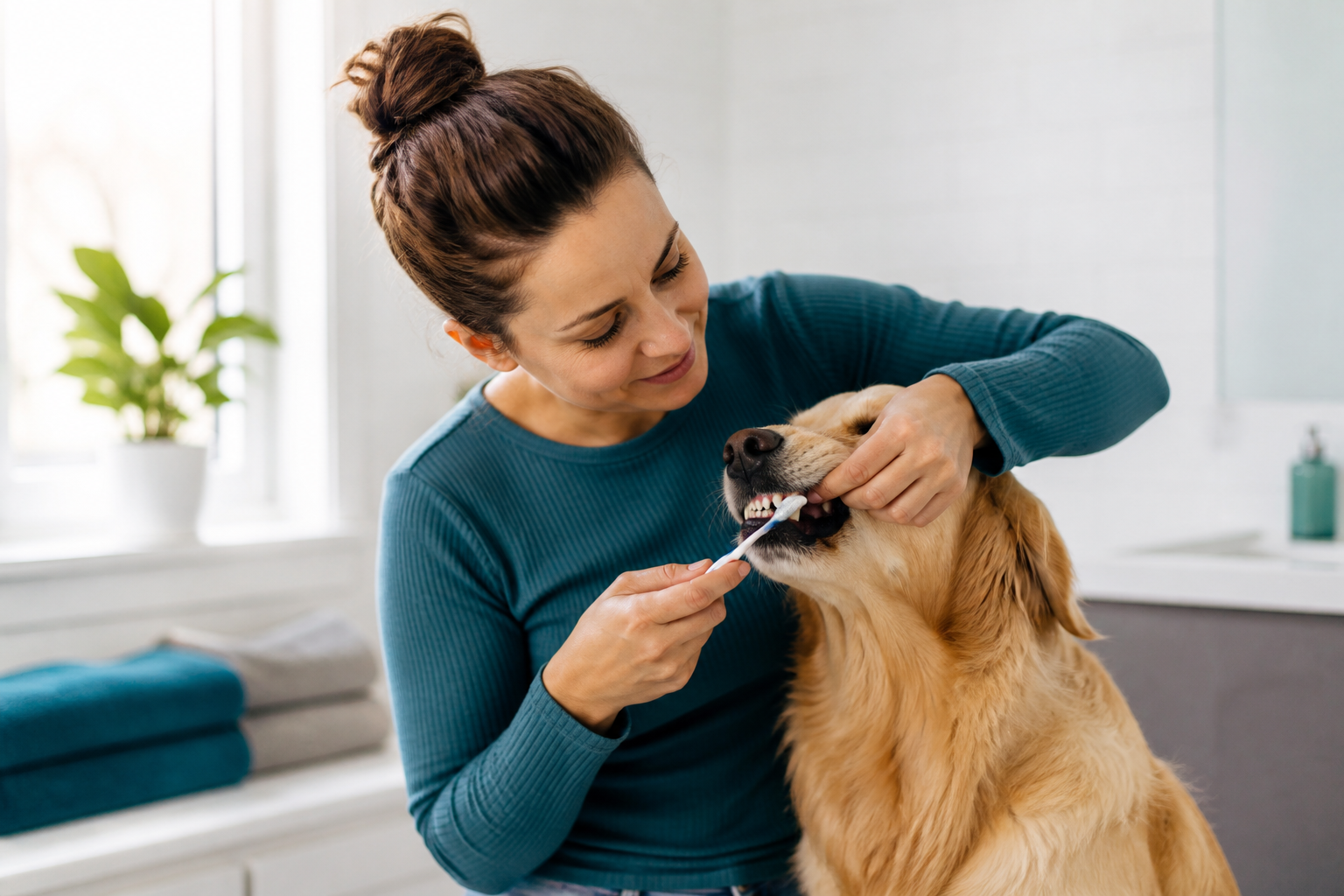
While professional cleanings happen once a year, home care should happen every day. This is the best way to extend the time between professional visits. Many owners are intimidated by the idea of brushing a dog's teeth, but it is a quick process once you establish a routine.
Brushing your dog's teeth should only take about two minutes. You do not need to brush the inside of the teeth, as the tongue does a decent job of keeping those surfaces clean. Focus on the outside of the teeth where they touch the cheeks. This is where the most tartar builds up.
Building a Habit
Step 1: Introduction / Let your dog lick some pet-safe toothpaste off your finger so they associate the flavor with a treat.
Step 2: Gentle Touch / Rub your finger along their gums for 10 seconds to get them used to the sensation.
Step 3: Add the Brush / Use a soft-bristled brush or a finger brush to gently scrub in a circular motion.
Step 4: Reward / Give them plenty of praise or a dental-friendly toy when you are finished.
We carry a wide variety of brushes and flavored pastes from trusted brands like Virbac and Nylabone. You can browse our dog dental and breath care collection for supplies to support your routine.
Remember to never use human toothpaste, as it often contains xylitol, which is toxic to dogs.
For more step-by-step ideas, read our guide to pet dental care tips.
Dental Treats and Water Additives
If your dog absolutely will not tolerate a toothbrush, you have other options. These methods do not replace brushing entirely, but they are better than doing nothing. Most of these take no extra time out of your day and fit easily into your existing routine.
Dental chews like Greenies or Kong dental toys are designed to scrape the teeth as the dog chews. The mechanical action helps rub away plaque before it hardens into tartar. We suggest looking for products that have the Veterinary Oral Health Council (VOHC) seal of approval. This seal means the product has been tested and proven to reduce plaque and tartar.
Water additives are another "zero-effort" option. You simply add a capful of the solution to your dog's water bowl. These additives use enzymes or safe chemicals to break down bacteria in the mouth. While they won't remove existing tartar, they are excellent at slowing down new buildup.
Key Takeaway: Consistency is more important than duration. Two minutes of brushing or a daily dental chew is much more effective than a long cleaning once a month.
Recognizing the Signs of Dental Disease
Knowing when to schedule a cleaning is just as important as knowing how long it takes. You should inspect your dog's mouth at least once a month. Healthy gums should be a soft pink color, and the teeth should be white.
If you notice any of the following signs, it is time to call your vet for a professional evaluation:
- Persistent bad breath that smells like rotting food or ammonia.
- A thick layer of yellow or brown tartar near the gum line.
- Red, swollen, or bleeding gums.
- Difficulty eating or dropping food while chewing.
- Excessive drooling.
- Pawing at the mouth or face.
Dental issues can progress quickly in dogs. By the time a dog reaches age three, roughly 80 percent of them show some signs of periodontal disease. This inflammation does not stay in the mouth. Bacteria from infected gums can enter the bloodstream and cause damage to the heart valves, liver, and kidneys.
Vet Tip: Small breed dogs, like Chihuahuas and Yorkies, often need dental cleanings more frequently than large breeds. Their teeth are crowded into a smaller space, which traps more food and bacteria.
Managing the Cost and Frequency
The frequency of professional cleanings varies by dog. Some dogs with excellent genetics and great home care might only need a vet cleaning every two to three years. Others, especially senior dogs or small breeds, might need one every six to twelve months.
Regular professional cleanings are an investment in your dog's longevity. While the initial cost of a cleaning can seem high, it is much less expensive than treating a systemic infection or performing multiple emergency extractions later in life.
At BaxterBoo, we recommend checking if your vet offers "Dental Month" specials, which many clinics run in February. You can also use the MVP Rewards programme to earn points on dental chews, toys, and water additives, helping you save money on the daily maintenance items that keep your dog's mouth healthy. If you use certain brands of dental food or treats, our Autoship programme can save you even more while ensuring you never run out.
The Connection Between Diet and Dental Health
What your dog eats plays a role in how fast plaque builds up. Dry kibble is often cited as being better for teeth than wet food because the crunching action provides some scraping. However, most kibble is small enough that dogs swallow it whole or it shatters too easily to provide a real benefit.
There are specific dental diets formulated with a larger, fibrous kibble structure. These are designed to stay in contact with the tooth longer, acting like a squeegee as the dog bites down. We carry several premium brands like Royal Canin and Farmina that offer specialized formulas for oral health. If your vet recommends a prescription dental diet, you can easily find those through our pharmacy partnership.
Bottom line: Diet is a supportive tool, but it cannot replace the mechanical action of brushing or the deep cleaning provided by a veterinarian.
Training Your Dog to Accept Dental Care
If you have a puppy, start handling their mouth immediately. The more comfortable they are with you touching their lips and gums, the easier their future vet visits and home cleanings will be. For older dogs, you may need more patience.
Use high-value rewards to create a positive association. If your dog loves a specific treat, only give that treat after a successful (even if short) brushing session. This turns a potentially stressful event into something they look forward to.
Our team at BaxterBoo often suggests using enrichment toys to help with dental health. For example, stuffing a Kong with a bit of pet-safe peanut butter encourages long licking and chewing sessions. This stimulates saliva production, which is a natural defense against mouth bacteria.
Final Thoughts on Dog Dental Cleaning
Keeping your dog's teeth clean is one of the most impactful things you can do for their overall health. While a professional cleaning takes a full day at the clinic, the actual time under anesthesia is relatively short. The benefits, however, last a lifetime. By combining annual vet visits with a quick two-minute daily brushing routine and the right dental chews, you can prevent pain and serious illness.
BaxterBoo is here to help you every step of the way, from providing the best brushes and pastes to offering professional-grade dental diets and medications. We want to make it easy for you to keep that "dog breath" at bay and keep your pet's smile bright.
- Schedule a vet exam if you notice red gums or brown tartar.
- Commit to a two-minute brushing routine at least three times a week.
- Use VOHC-approved treats to help manage plaque daily.
- Consider a dental-specific diet if your dog is prone to buildup.
Key Takeaway: A healthy mouth is a gateway to a healthy body. Investing a little time each day in dental care can add years to your dog's life.
To get started on a better routine, explore our dog dental care category for everything from finger brushes to water additives. If your pet needs a specific prescription diet or medication, visit our pet pharmacy section to see how we can assist with your veterinarian's recommendations.
FAQ
How often should my dog have their teeth professionally cleaned?
Most veterinarians recommend a professional cleaning once a year for the average adult dog. However, smaller breeds and senior dogs may require cleanings every six months because they are more prone to rapid tartar buildup and gum disease. Your vet can give you a specific recommendation based on your dog's oral health and breed.
Is it safe for an older dog to have a dental cleaning?
Yes, age is not a disease, and many senior dogs safely undergo dental cleanings. Vets take extra precautions with older pets, including more comprehensive pre-anesthetic blood work and tailored anesthesia protocols. Keeping a senior dog's mouth healthy is actually vital, as it prevents bacteria from stressing their already aging organs.
Can I just use a dental chew instead of brushing?
While dental chews are helpful, they are not a complete substitute for brushing. Chews are great at cleaning the chewing surfaces of the teeth, but they often miss the area right along the gum line where periodontal disease starts. Think of dental chews like chewing gum for humans; it helps, but you still need to brush your teeth.
Why is my dog's breath still bad after a cleaning?
If your dog's breath remains foul after a professional cleaning, there may be an underlying health issue. Persistent bad breath can sometimes indicate problems with the kidneys, liver, or digestive system. It could also mean there is an infection deep in a tooth root that was missed, so a follow-up visit with your vet is the best next step.






