
 Save 15% on your 1st Autoship learn more

 Email us
 Live Chat
 FAQs





Introduction
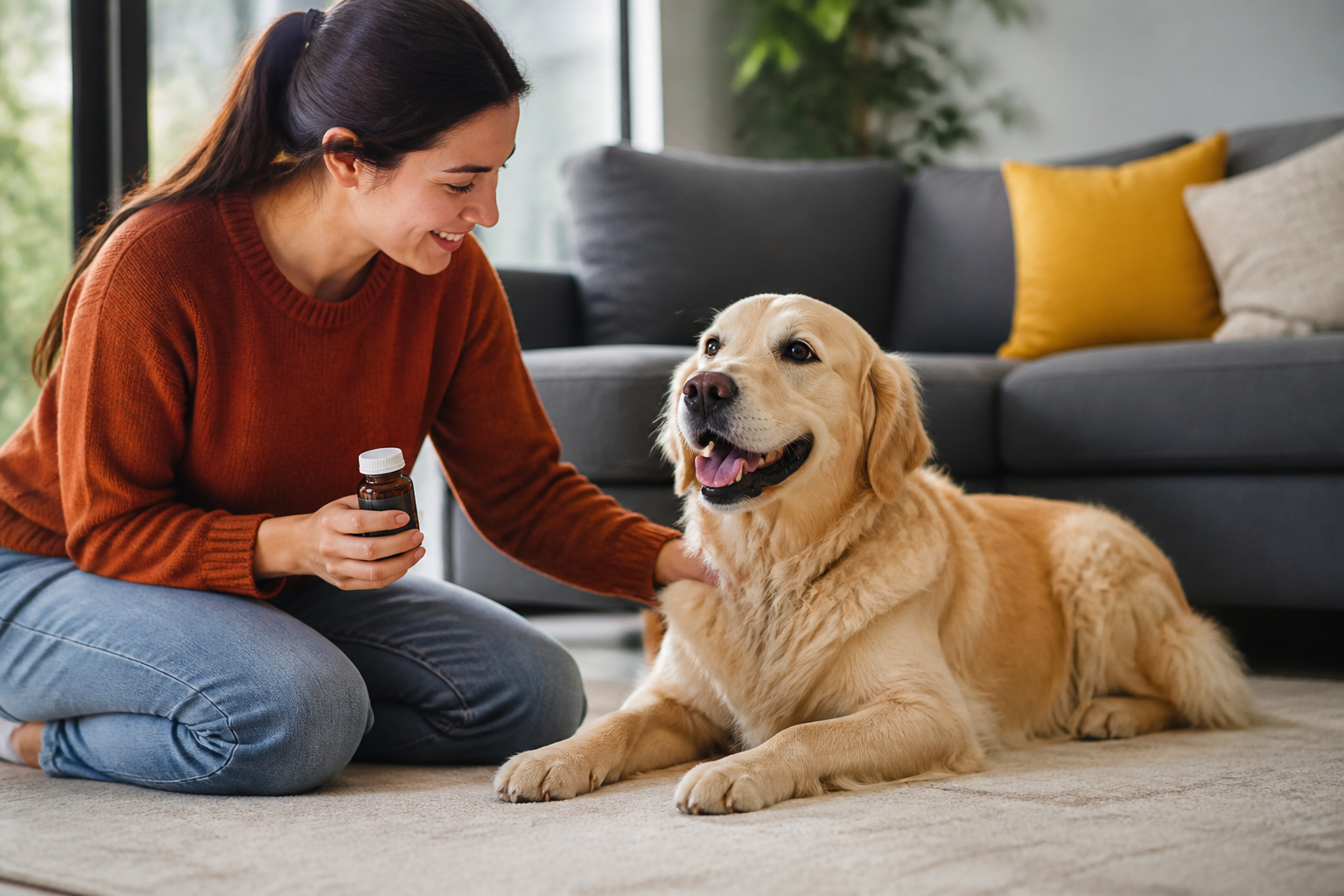
You might be standing in your kitchen, looking at a new container of probiotic chews and wondering if this is a temporary fix or a permanent lifestyle change. Perhaps your dog just finished a round of antibiotics that left them with a sensitive stomach. Maybe you are dealing with a senior dog whose digestion has become unpredictable over the last few months. At BaxterBoo, we hear these questions daily from pet owners who want to get their dogs back to feeling their best. Understanding the timeline for gut health is not just about counting days. It is about recognizing how your dog's unique microbiome responds to support. This guide covers how long a dog should stay on probiotics based on their specific health goals. We will look at short term recovery, long term wellness, and when it is time to talk to your vet about a prescription approach.
Quick Answer: For acute issues like a sudden change in diet or mild stress, most dogs should stay on probiotics for two to four weeks. If your dog is managing a chronic condition like allergies or inflammatory bowel disease, long term or lifelong daily use is often recommended to maintain gut balance.
The Basic Timeline for Gut Health
Probiotics are live, beneficial bacteria. When you give them to your dog, they do not just "fix" the gut overnight. They have to survive the journey through the stomach and colonize the intestines. This process is more like planting a garden than flipping a light switch. You have to prepare the soil, plant the seeds, and then wait for them to take root.
Most owners will start to see some changes in stool quality or gas within three to seven days. However, the internal work is still happening long after the symptoms improve. Even if your dog seems better after three days, their internal "neighborhood" of bacteria is still very fragile.
If you stop the supplement too early, the bad bacteria can quickly move back in and take over. This is why consistency is the most important factor. Missing a few days in the middle of a probiotic trial can reset your progress back to zero.
Initial Acclimatization
During the first week, your dog's system is getting used to the new influx of bacteria. You might notice a slight increase in gas or even softer stools for a day or two. This is usually just the body adjusting. By the end of the second week, you should see a more consistent pattern in their bathroom habits.
Full Colonization
Research suggests it can take up to 30 days for a dog's gut to fully stabilize with new probiotic colonies. If you are using these supplements for skin issues or anxiety, the timeline is even longer. You might not see the full benefit for 60 to 90 days.
Key Takeaway: Short term benefits like firmer stools happen quickly, but long term shifts in immunity and skin health require at least two to three months of consistent use.
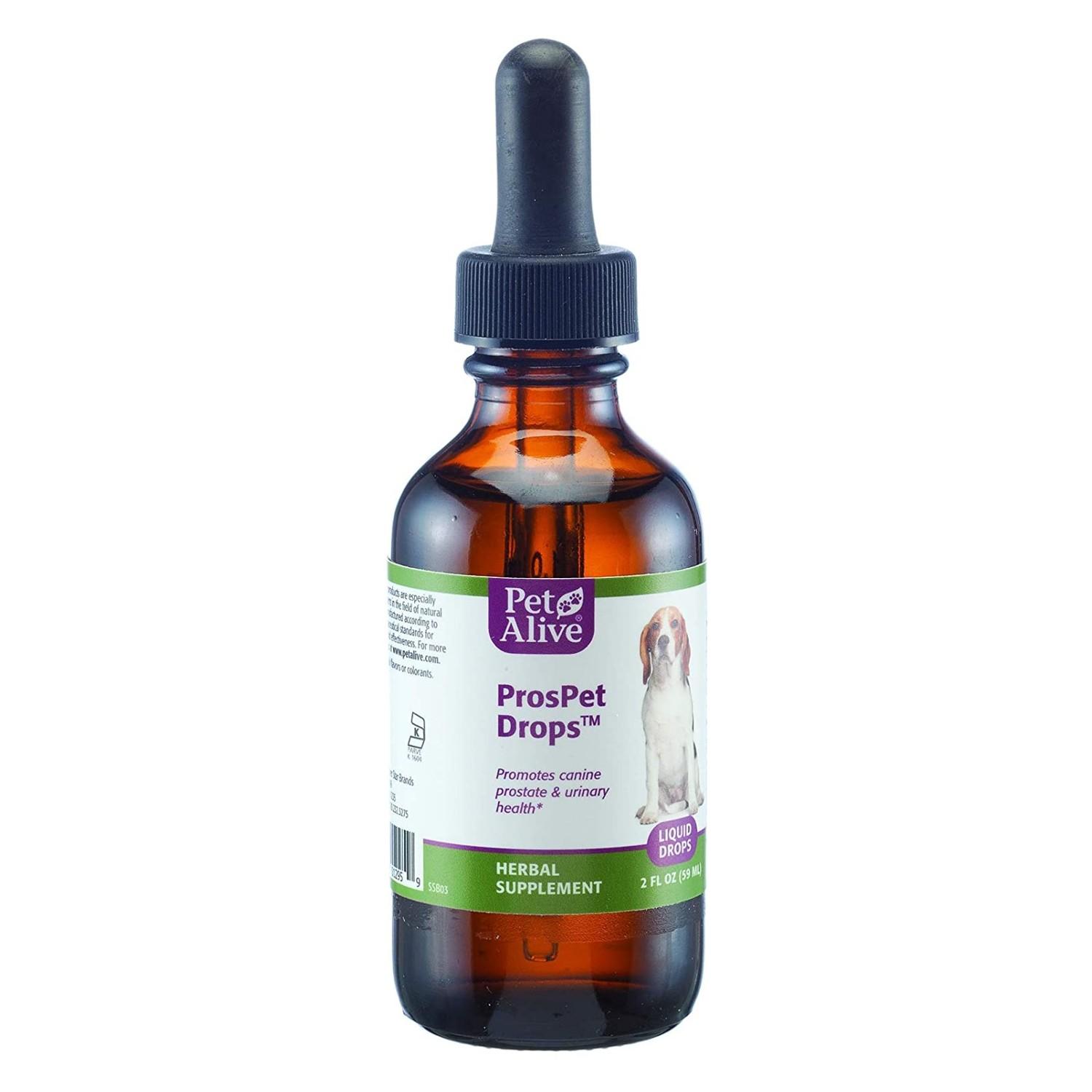
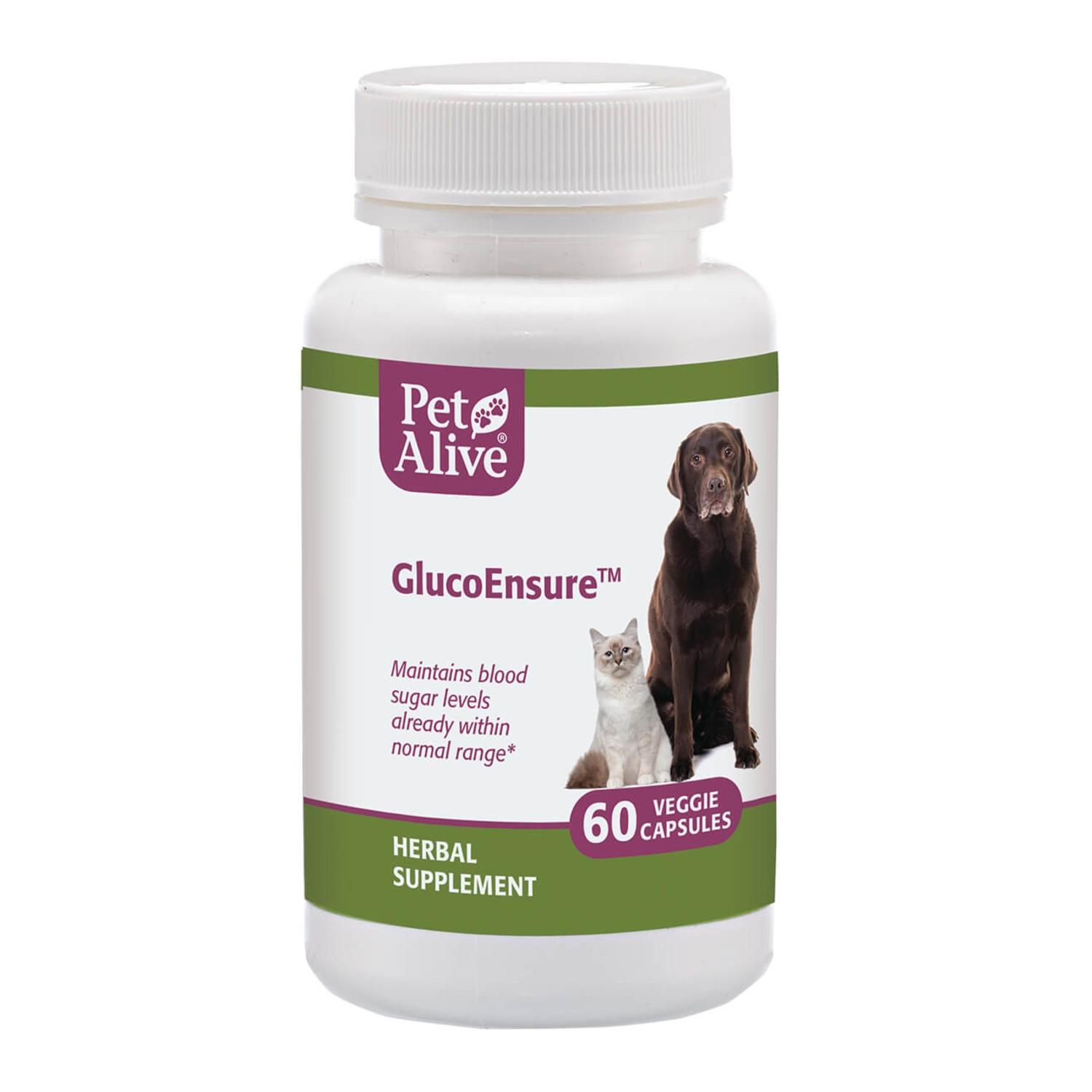
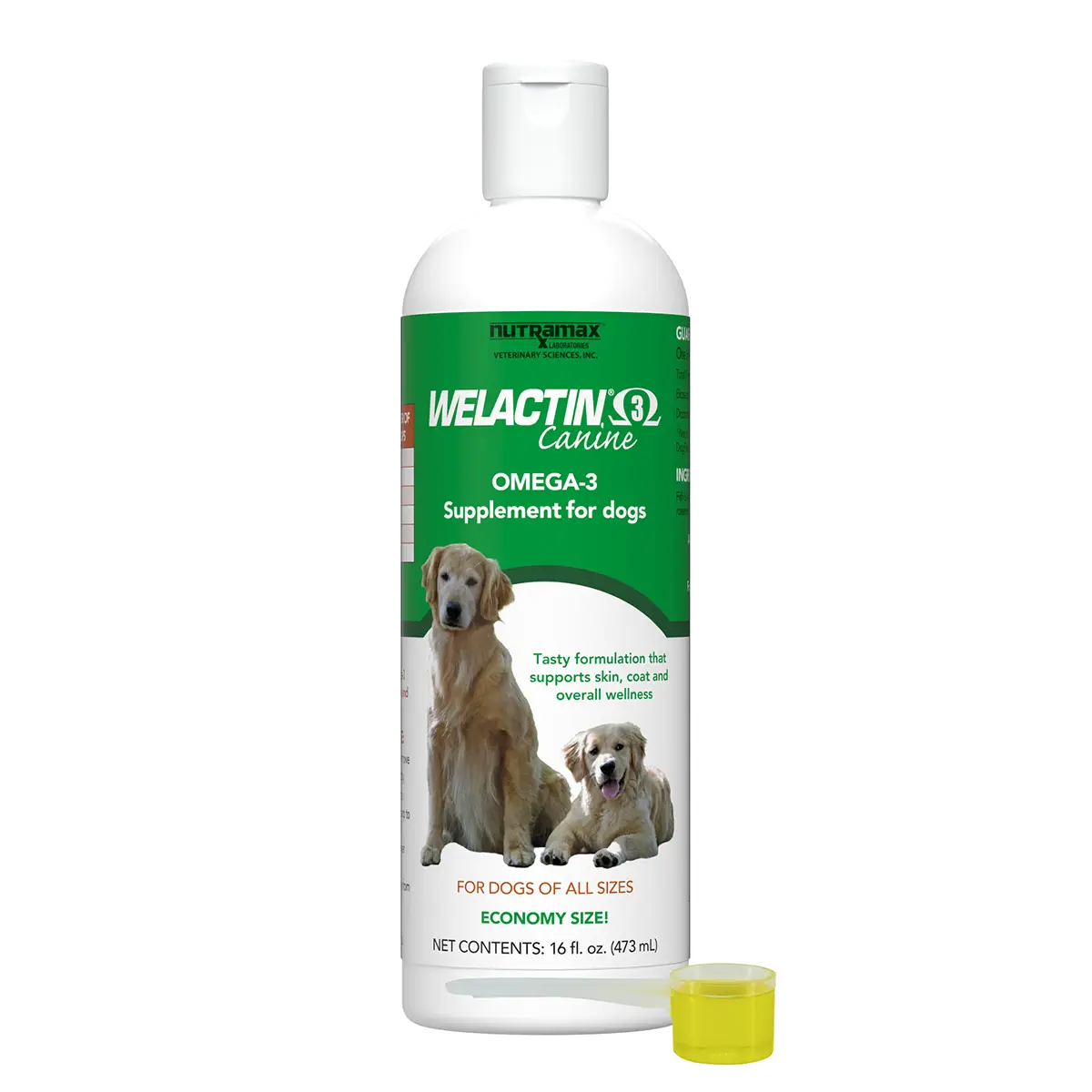
Dog Digestive & Urinary Aids









Short Term Use: Two to Four Weeks
There are several situations where your dog only needs a temporary boost. In these cases, you are using probiotics as a tool to get over a specific hurdle. Once the hurdle is cleared, the dog's natural microbiome can usually take it from there.
Dietary Transitions
If you are switching your dog from one brand of food to another, their gut enzymes and bacteria have to shift. A 14 day course of probiotics can make this transition much smoother. Start the probiotics two days before you begin the food transition and continue for a week after the transition is complete.
Mild Stress Events
Events like boarding your dog, moving to a new house, or having a loud holiday gathering can cause "stress diarrhea." Stress releases cortisol, which can disrupt the balance of the gut. Giving probiotics for a week before the event and a week after can help prevent a messy cleanup.
Scavenging Incidents
We all know the dog that finds something "extra" in the backyard or on a walk. If your dog ate something they shouldn't have and has a minor stomach upset, a three week course of probiotics can help recalibrate their system. This crowds out any harmful bacteria they might have picked up from that mystery snack.
- Start as soon as the event is identified.
- Give the supplement at the same time every day.
- Monitor stool consistency morning and evening.
- Continue for at least seven days after stools return to normal.
For dogs with recurring digestive concerns, explore our dog probiotic collection for different supplement formats.
Post Antibiotic Recovery
Antibiotics are life saving medications, but they are not selective. They kill the bad bacteria causing an infection, but they also wipe out the beneficial bacteria in the gut. This often leads to yeast infections, loose stools, and a weakened immune system.
If your dog is on a course of antibiotics, the probiotic strategy is specific. You should not wait until the antibiotics are finished to start the probiotics. Instead, start them on day one. The key is to separate the doses.
Give the antibiotic and then wait at least two hours before giving the probiotic. If you give them at the same time, the antibiotic may simply kill the "good guys" you just put in. Once the antibiotic course is finished, continue the probiotics for at least two to four weeks. This ensures the gut repopulates with the right kind of bacteria before the "bad guys" have a chance to grow back.
Vet Tip: Always consult your veterinarian before starting supplements if your dog is on prescription medication. Our pet pharmacy offers FDA approved medications and prescription diets through our partnership with Pet's Choice, and our team can help you coordinate your orders for both medicine and wellness support.
Long Term Use for Chronic Conditions
For some dogs, the gut struggle is not a one time event. It is a daily reality. In these cases, staying on a probiotic indefinitely is often the best course of action. This is common for senior dogs, dogs with chronic allergies, and those with ongoing digestive sensitivities.
Skin and Allergy Support
About 70 percent of a dog's immune system is located in their gut. When the gut is out of balance, the immune system can become overactive. This often manifests as itchy skin, paw licking, and hot spots. Dogs with seasonal or food allergies often stay on probiotics year round to help regulate this immune response.
Anxiety and the Gut-Brain Axis
There is a fascinating link between the gut and the brain. Certain bacterial strains, such as Bifidobacterium longum, have been shown to help dogs stay calmer during stressful situations. If you are using probiotics for behavioral support, this is a long term commitment. It takes time to influence the nervous system through the gut.
For a broader overview of supplement types and selection considerations, read our guide to pet supplements.
Senior Dog Vitality
As dogs age, their digestive efficiency tends to drop. They may not absorb nutrients as well as they used to. A daily probiotic can help senior dogs get more "mileage" out of their food. It also supports their immune system, which naturally weakens with age.
Key Takeaway: If a probiotic is managing a chronic symptom like itching or recurring gas, it is usually meant to be a permanent part of the daily routine.
For more nutrition guidance tailored to aging pets, see how to choose the right dog food for senior pets.
Factors That Influence How Long They Stay on the Supplement
Not every probiotic is created equal. The quality of the product you choose will directly impact how long it takes to work and how long your dog needs to stay on it.
CFU Count and Strain Diversity
CFU stands for Colony Forming Units. This is the number of live bacteria in each dose. For general wellness, a few billion CFUs might be enough. For a dog recovering from a severe illness, you might need a much higher count. Diversity also matters. A product with five or six different strains of bacteria often works better than one with just a single strain.
Prebiotics and Postbiotics
Bacteria need food to survive. These are called prebiotics. Many high quality supplements include prebiotics like inulin or chicory root. If the supplement does not have these, the "good" bacteria might starve before they can do any work. Using a "synbiotic" (a mix of pre and probiotics) can sometimes shorten the amount of time your dog needs to be on the supplement because the bacteria establish themselves faster.
Storage and Handling
Probiotics are living organisms. If they are exposed to high heat or moisture, they can die in the container. If you are giving your dog "dead" probiotics, you will never see results, no matter how long you give them. Always follow the storage instructions on the label. Some need to stay in the fridge, while others are shelf stable.
Bottom line: The better the quality and the more consistent the administration, the more likely you are to see results within the expected timeline.
When to Stop and Call the Vet
While probiotics are generally very safe, they are not a cure for every stomach issue. There are times when you should stop the trial and seek professional help.
If your dog has bloody diarrhea, is vomiting frequently, or seems very lethargic, do not try to fix it with over the counter supplements. These are signs of a more serious issue that requires a diagnosis. Additionally, if you have been giving a high quality probiotic for six to eight weeks and have seen zero improvement in your dog's symptoms, it is time for a checkup.
Your vet might recommend a prescription strength probiotic or a specific prescription diet. We carry several of these options, such as Farmina Vet Life and Royal Canin prescription formulas, through our pharmacy partnership. These products are formulated for specific medical needs like kidney support or severe food sensitivities and often require a vet's authorization.
- Stop use if diarrhea worsens after the first 48 hours.
- Call the vet if your dog stops eating or drinking.
- Seek help if you notice any signs of an allergic reaction to the supplement, such as swelling or hives.
- Review your dog's progress with your vet during every annual or semi-annual exam.
How to Start a Probiotic Routine
If you have decided to start your dog on a probiotic, do it systematically. This helps you track what is actually working.
Step 1: Choose the right format. / Some dogs love soft chews, while others do better with a powder mixed into wet food. Pick the one your dog is most likely to finish every single day.
Step 2: Start with a half dose. / Even though probiotics are safe, a sudden influx of bacteria can cause mild gas. Start with half the recommended amount for the first three days, then move to the full dose.
Step 3: Keep a simple log. / Note the date you started and the quality of your dog's stool. This makes it much easier to tell your vet exactly how the dog responded if you need to call them later.
Step 4: Use it for at least 30 days. / Unless your dog has a negative reaction, give the product a full month to work. Evaluating it after only three or four days is usually not enough time to see the true results.
If you are comparing powders, chews, and other formats, our digestive health collection offers additional options for dogs.
Summary of Probiotic Durations
| Reason for Use | Recommended Duration | Visible Results Expected |
|---|---|---|
| Food Transition | 2-3 weeks | 3-5 days |
| Stress (Boarding/Moving) | 2-4 weeks | 1 week |
| Antibiotic Recovery | Length of meds + 2-4 weeks | 1 week post-meds |
| Seasonal Allergies | Ongoing/Lifelong | 4-8 weeks |
| Anxiety Support | Ongoing/Lifelong | 6-12 weeks |
| Senior Health | Ongoing/Lifelong | 2-4 weeks |
Conclusion
Whether your dog needs a quick boost after a stomach bug or long term support for their golden years, probiotics are a foundational part of modern pet care. At BaxterBoo, we have seen how a healthy gut can transform a dog's energy, skin, and overall happiness. Most dogs will benefit from at least a month of consistent use, while many will find a permanent place for these supplements in their daily bowl.
Always remember to watch your dog's cues and stay consistent with your routine. If you are managing a more complex health condition, consider our pet pharmacy for your prescription needs. Our partnership with Pet's Choice ensures you get the same expert care for medications that you expect from our gear and food selections.
Bottom line: Use probiotics for at least 14 days for acute issues and 90 days for chronic wellness to give the beneficial bacteria the best chance to succeed.
FAQ
Can I give my dog probiotics every single day forever?
Yes, it is generally safe and often beneficial to give probiotics daily for the life of the dog. Many pet owners use them as a preventative measure to maintain a strong immune system and consistent digestion. As long as your dog is doing well on the specific strain, there is no medical reason to stop unless directed by your vet.
How do I know if the probiotics are actually working?
The most obvious signs are firmer, more regular stools and a decrease in excessive gas or stomach gurgling. Over time, you may also see a shinier coat, less itching, and more consistent energy levels. If you are using them for anxiety, you might notice your dog recovers more quickly from a stressful event like a thunderstorm.
Is it possible to give a dog too many probiotics?
While it is hard to "overdose" on probiotics, giving too high a dose too quickly can cause temporary digestive upset, gas, or bloating. Always follow the weight based instructions on the packaging. If your dog accidentally eats a whole container of probiotic chews, contact your vet, as the high levels of vitamins or flavorings in the chews are often a bigger concern than the bacteria itself.
Can I just give my dog human probiotics or yogurt?
Human probiotics are formulated for the human gut, which has different acidity levels and different bacterial needs than a dog. While plain, unsweetened yogurt has some live cultures, it usually does not have enough CFUs to make a clinical difference for a dog. It is always better to use a product specifically designed for the canine digestive system to ensure the bacteria actually reach the intestines alive.






- Site & Contents BaxterBoo.com. BaxterBoo is located in the United States.
- Privacy & Security
- Terms of Use
- Accessibility Statement
