
 Save 15% on your 1st Autoship learn more

 Email us
 Live Chat
 FAQs
FAQs





Introduction
You are likely familiar with the routine of a dental checkup for yourself. You sit in the chair for about an hour while a hygienist scales and polishes your teeth. When it comes to your dog, the process is quite different. You might be staring at a toothbrush while your dog backs away. Or perhaps you are wondering how long a professional appointment will actually take. At BaxterBoo, we know that dental care can feel like a chore. However, it is one of the most important ways to keep your pet healthy for years. This post covers exactly how much time you should spend on daily brushing. We also explain the timeline for a professional veterinary dental cleaning. Understanding these timelines helps you plan for your pet's care and avoid common dental diseases.
The Daily Brushing Timeline
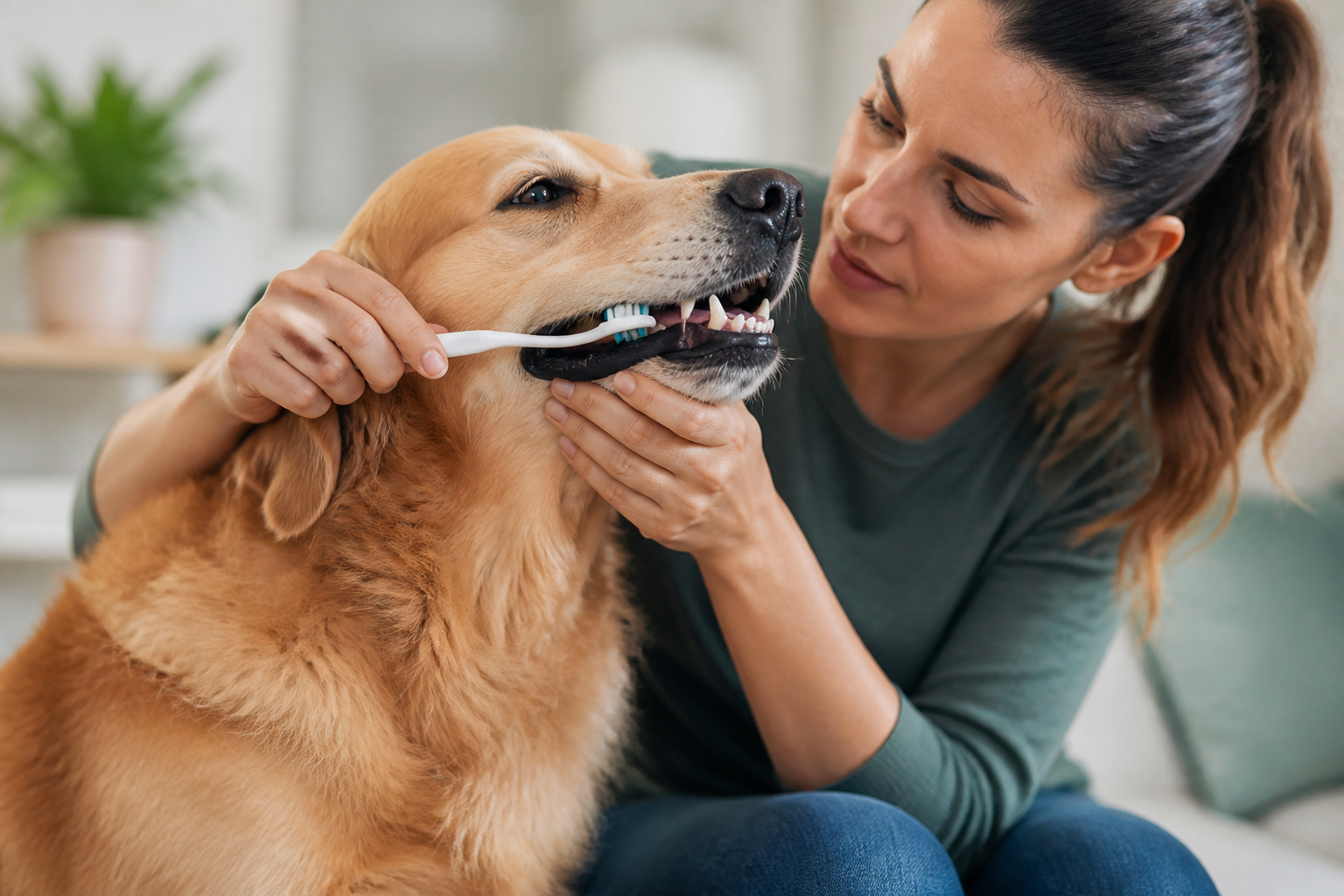
Many owners ask how many minutes they should spend on a daily brush. The goal for a full cleaning at home is about two minutes. This allows for roughly 60 seconds on each side of the mouth. You do not need to worry about the inside surfaces of the teeth as much. A dog's tongue does a decent job of keeping those areas clear. You should focus your time on the outside surfaces where the cheek meets the gumline.
Most dogs will not let you start with a two-minute session. You should plan to build up to this time over several weeks. Start with just five or ten seconds of touching the muzzle. Gradually move to rubbing the gums with your finger. Once your dog is comfortable, you can introduce a brush and veterinary toothpaste. For additional guidance, read our tips for starting a pet dental care routine.
Quick Answer: A daily home brushing session should last about two minutes. For a professional veterinary cleaning, the actual procedure takes 30 to 45 minutes, but the total hospital stay usually lasts four to eight hours.
Professional Cleaning Appointment Length
A professional dental cleaning is much more involved than a home session. When you drop your dog off at the clinic, you are often leaving them for the entire day. This is because the process involves several stages beyond the cleaning itself.
Pre-Procedure Preparation
The first hour or two of the appointment involves check-in and preparation. A technician will take your dog's vital signs. They often perform blood work to ensure it is safe to use anesthesia. This is a critical step for senior dogs or those with underlying health issues. The team needs time to review these results before they begin the procedure.
The Actual Cleaning Time
The actual time spent scaling and polishing the teeth is usually 30 to 45 minutes. This assumes the mouth is relatively healthy. During this window, the veterinarian or a licensed technician performs several tasks:
- Removing large pieces of tartar with hand tools.
- Using an ultrasonic scaler to clean above and below the gumline.
- Probing the gums for deep pockets or signs of infection.
- Polishing the enamel to smooth out scratches.
Why Some Appointments Last Longer
If your dog has advanced periodontal disease, the cleaning phase can take much longer. If the veterinarian finds a broken tooth or a root abscess, they may need to perform extractions. Surgical extractions can add an hour or more to the procedure. This is why the clinic asks for a reliable phone number. They need to call you if they find issues that were not visible during a standard exam.
Vet Tip: If your dog has not had a cleaning in several years, expect the procedure to take longer. Advanced tartar buildup and potential extractions require more time under anesthesia. Always consult your veterinarian if you notice your dog eating on only one side of the mouth.
The Plaque to Tartar Timeline
Time is a major factor in how plaque behaves in a dog's mouth. Plaque is a soft film of bacteria that starts forming within hours after eating. If you do not remove this film, it reacts with the minerals in your dog's saliva. This causes it to harden into tartar, also known as calculus. You can find more guidance in our article about warning signs of dental disease in dogs.
Tartar can begin to form in as little as 48 to 72 hours. Once plaque hardens into tartar, you cannot brush it away at home. Only professional tools can remove tartar. This is why skipping even a few days of brushing can lead to permanent buildup.
Why Consistency Matters
If you only brush your dog's teeth once a week, you are mostly brushing over hardened tartar. This does very little to prevent gum disease. Daily brushing is the gold standard because it interrupts the hardening process every single day. If you can only manage three times a week, that is still better than nothing. However, you should aim for a daily routine to keep the professional cleaning time as short as possible.
Breed Variations and Dental Timing
Not all dogs have the same dental needs. The amount of time you spend on oral care often depends on the size and breed of your dog. We see many small-breed owners at BaxterBoo who struggle with dental issues much earlier than large-breed owners.
Small and Toy Breeds
Small dogs like Chihuahuas, Yorkies, and Pugs have very crowded mouths. They have the same number of teeth as a Great Dane but much less space. This crowding creates tiny gaps where food and bacteria get trapped easily. Small breeds often need professional cleanings every six months. You may also need to spend more time on their daily brushing to reach into those tight spaces.
Brachycephalic Breeds
Dogs with flat faces often have misaligned teeth. When teeth do not line up correctly, the natural cleaning action of chewing does not work. These dogs are at a higher risk for early tooth loss. If you own a flat-faced breed, you should start a dental routine as early as possible.
Key Takeaway: Small breeds often require professional dental cleanings twice as frequently as large breeds due to tooth crowding. Daily brushing is essential to prevent early tooth loss in these dogs.
The Role of Anesthesia in Cleaning
A common question is whether you can skip the anesthesia to save time or reduce risk. Some services offer "anesthesia-free" dental cleanings. These usually take about 45 minutes. However, these are often considered cosmetic.
Limits of Awake Cleaning
When a dog is awake, a technician cannot clean under the gumline safely. This is where the most dangerous bacteria live. They also cannot take X-rays or probe for painful pockets. While an awake cleaning might make the teeth look whiter, it leaves the actual disease behind. For more information about professional dental care, explore our dog dental care collection.
Anesthesia Safety
Professional cleanings require anesthesia to keep the dog still and pain-free. It also allows the veterinarian to place a tube in the airway. This prevents the dog from inhaling water or bacteria during the scaling process. While anesthesia adds time to the hospital stay, it is the only way to perform a thorough cleaning.
Step-by-Step Guide to a Home Session
If you want to keep your sessions to that two-minute goal, efficiency is key. Follow these steps to make the most of your time.
Step 1: Choose a quiet time. / Pick a moment when your dog is relaxed, such as after a long walk or before bed.
Step 2: Apply a small amount of toothpaste. / Use only veterinary-approved paste. Human toothpaste contains ingredients like xylitol that are toxic to dogs.
Step 3: Lift the lip. / Use one hand to gently lift the upper lip. Start at the front and move toward the back molars.
Step 4: Use circular motions. / Angle the brush at 45 degrees toward the gumline. Spend about 30 seconds on each quadrant of the mouth.
Step 5: Reward and finish. / Give your dog a healthy treat or extra praise immediately after. This builds a positive association with the toothbrush.
Signs You Need a Professional Cleaning Now
Sometimes you cannot wait for an annual visit. If you notice specific red flags, the "how long" question becomes urgent. You should schedule an exam immediately if you see these symptoms.
- Persistent bad breath: A dog's breath should not be foul. If it smells like rotting food, there is likely an infection.
- Bleeding gums: You might see blood on a chew toy or on the toothbrush. This is a sign of gingivitis.
- Discolored teeth: Yellow or brown buildup near the gums is hardened tartar.
- Loose or broken teeth: These are extremely painful and require veterinary intervention.
- Loss of appetite: If your dog is hungry but walks away from the bowl, their mouth may hurt.
Vet Tip: Bacteria from dental disease can enter the bloodstream and affect the heart, liver, and kidneys. If your dog shows signs of oral pain, consult your veterinarian for a dental assessment. They may recommend a prescription diet or medication from a pharmacy.
Post-Cleaning Recovery Time
Once the procedure is finished, your dog will need time to wake up. This usually takes one to two hours. Most dogs go home the same day. However, they may be groggy for the next 24 to 48 hours.
If your dog had extractions, the recovery involves more care. You may need to feed soft food for a week. Your veterinarian might also prescribe pain medication or antibiotics. Our pet pharmacy provides prescription medications and prescription pet foods through our pharmacy partnership. These products can help manage pain and support healing after a major dental surgery.
Helping Your Dog Between Cleanings
You can reduce the time spent in the vet's office by using dental aids at home. While brushing is the best method, other products help slow down plaque formation. You can also review our guide to the best dental chews for dogs.
Dental Chews and Treats
High-quality dental chews are designed to scrub the teeth as the dog bites down. Look for products with the VOHC seal. This seal means the product has been tested for its ability to reduce plaque or tartar. Give these treats when you are short on time and cannot do a full brushing. Browse our dental treats for dogs for options that fit into your routine.
Water Additives
Some additives can be mixed into your dog's water bowl. These contain enzymes that help break down bacteria. While they do not replace brushing, they are a good supplementary tool for dogs that are very difficult to handle.
Prescription Dental Diets
For dogs prone to heavy tartar, a prescription diet can make a huge difference. These kibbles are larger and have a specific texture. They do not crumble immediately when bitten. Instead, they scrub the tooth surface. You can often find these specialized diets through our pharmacy with a valid prescription from your vet.
Bottom line: While daily brushing takes only two minutes, it is the most effective way to prevent the need for long, expensive dental surgeries.
Summary of Dental Care Timelines
| Activity | Frequency | Duration |
|---|---|---|
| Home Brushing | Daily | 2 Minutes |
| Professional Exam | Once or Twice Yearly | 15–30 Minutes |
| Professional Cleaning | Every 6–12 Months | 4–8 Hours (Total Stay) |
| Tartar Formation | Constant | 48–72 Hours |
Final Thoughts on Dog Dental Health
Maintaining your dog's teeth is a lifelong commitment. Daily brushing might seem like a lot of work at first. However, spending two minutes a day can save your dog from significant pain. It also saves you from the high costs of complex oral surgeries. Remember that professional cleanings are a necessary part of health care. Even with perfect brushing, most dogs will need a vet's help at some point.
- Aim for two minutes of brushing every day.
- Schedule a professional exam at least once a year.
- Watch for red flags like bleeding gums or bad breath.
- Use dental treats and prescription diets to support oral health.
Key Takeaway: Consistent dental care increases your dog's lifespan and prevents systemic health issues. Start a routine today to keep their smile healthy.
If you need supplies to get started, explore our dog dental care category. We carry everything from finger brushes to enzymatic toothpastes. For those managing advanced dental conditions, our pharmacy partnership is here to help with prescription diets and medications. If you regularly purchase dental products, you can also learn about our Autoship programme.
FAQ
How often should I professionaly clean my dogs teeth?
Most veterinarians recommend a professional cleaning once a year for most adult dogs. However, small breeds or dogs with a history of dental disease may need a visit every six months. Regular exams will help your vet determine the best schedule for your specific pet.
Can I clean my dogs teeth with human toothpaste?
No, you should never use human toothpaste for your dog. It often contains fluoride and xylitol, which are toxic if swallowed. Dogs cannot spit out the paste, so they will ingest the entire amount. Always use a toothpaste specifically formulated for pets.
Does dry food really clean a dogs teeth?
Standard dry kibble provides very little dental benefit because it usually shatters when the dog bites it. However, specific prescription dental diets are engineered to have a scrubbing effect on the teeth. These diets are available through veterinary pharmacies for dogs with high dental needs.
How long does it take for a dog to recover from a dental cleaning?
Most dogs recover from the effects of anesthesia within 24 to 48 hours. If the procedure included tooth extractions, your dog might be on a soft food diet for up to two weeks. Your veterinarian will provide specific aftercare instructions based on what was done during the appointment.






