
 Save 15% on your 1st Autoship learn more

 Email us
 Live Chat
 FAQs
FAQs





Introduction
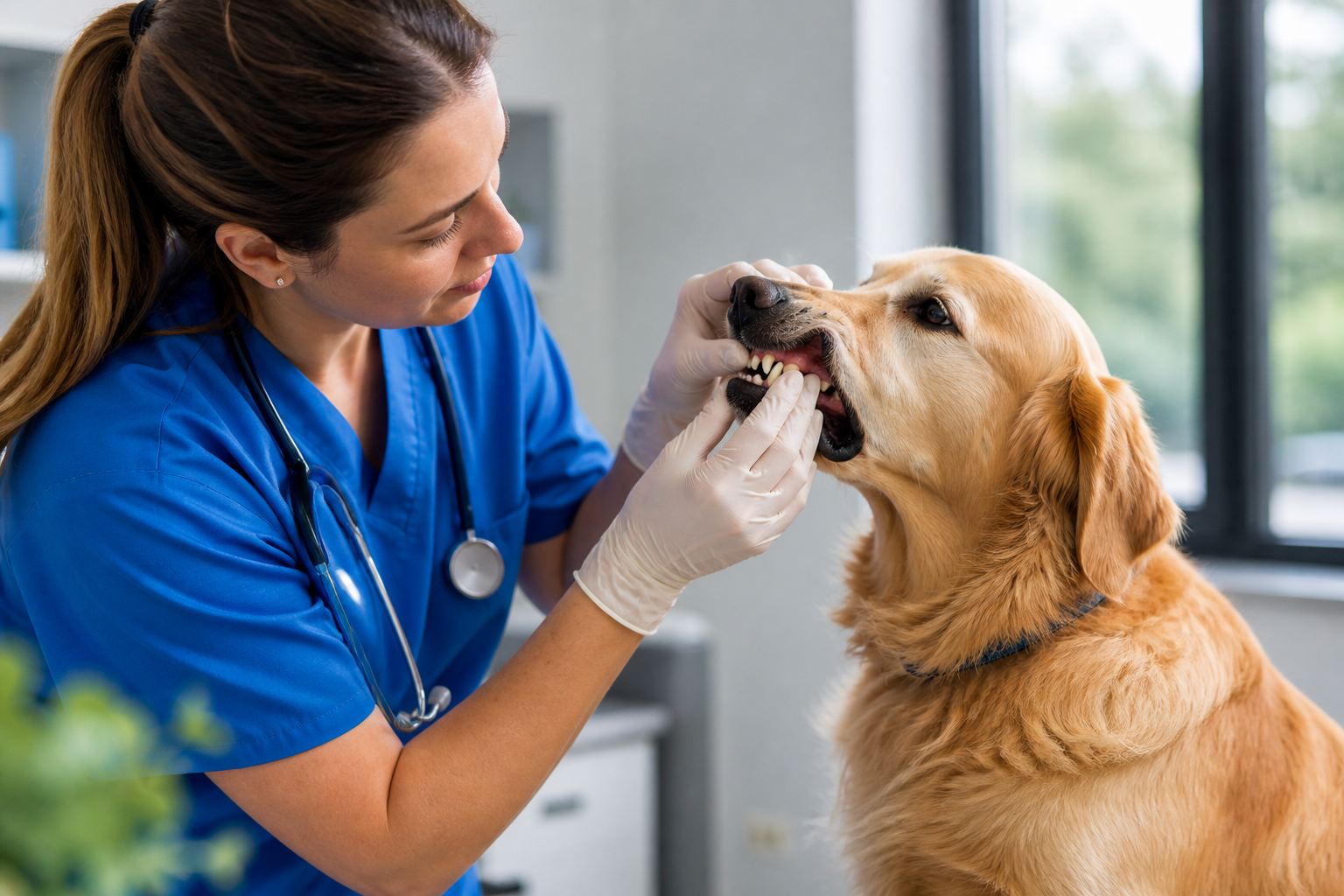
You lean in for a wet pup kiss and get hit with a wall of "dog breath." It is more than just a smelly nuisance. You might notice yellow tartar on their canines or bright red gums. This is usually the moment owners start wondering about the expense of a professional fix. At BaxterBoo, we know that dental health is a major part of your dog's overall physical wellness. This guide explains what you can expect regarding how much cost to clean dogs teeth. We will cover the factors that change the price and why professional care is a vital investment. You will also learn how to keep those costs down through smart at-home maintenance.
Quick Answer: A routine professional dog teeth cleaning typically costs between $300 and $700. If your dog requires extractions or advanced care from a specialist, the total price can exceed $1,500.
Why Professional Dental Cleaning is Necessary
Dogs are just as prone to plaque and gum disease as humans. Unlike us, they do not have the benefit of daily brushing unless we provide it. Plaque is a sticky film of bacteria that forms on the teeth after eating. If it is not removed, it hardens into tartar or calculus within days. Tartar cannot be brushed away at home. It requires professional tools to remove.
If tartar builds up, it moves under the gumline. This leads to periodontal disease. This condition is painful and causes inflammation. It can eventually lead to tooth loss. Even worse, bacteria from the mouth can enter the bloodstream. This can cause damage to the heart, liver, and kidneys over time. Regular professional cleanings help prevent these secondary health issues. They also help your dog keep their teeth into their senior years. For more information about warning signs, read what to do when your dog has bad teeth.
The Average Range for Dog Dental Costs
The price for a cleaning is rarely a single flat fee. It is a medical procedure that involves several components. Most general veterinary practices charge a base rate for the cleaning and anesthesia. However, the final bill often depends on the health of your dog's mouth. You can also browse our dental and breath care collection for at-home maintenance supplies.
Routine Cleaning Costs
For a young dog with healthy gums, a routine cleaning is straightforward. This usually includes the exam, anesthesia, scaling, and polishing. You can expect to pay anywhere from $300 to $700 depending on your location and the size of your dog.
Advanced Dental Work Costs
If your dog has advanced periodontal disease, the price increases significantly. Extractions are a common additional cost. Removing a single tooth can range from $50 to $200 for simple teeth. Larger, multi-rooted teeth can cost $500 or more to extract. If your dog needs a root canal or oral surgery, you may be referred to a board-certified veterinary dentist. These specialists often have a starting price of $1,500 for complex procedures.
Estimated Cost Breakdown Table
| Service Type | Estimated Cost Range |
|---|---|
| Physical Exam | $50 – $100 |
| Pre-Anesthetic Blood Work | $75 – $200 |
| Anesthesia and Monitoring | $150 – $300 |
| Dental X-Rays | $100 – $250 |
| Scaling and Polishing | $150 – $300 |
| Tooth Extractions | $50 – $500 per tooth |
| Post-Op Pain Medication | $30 – $80 |
Key Takeaway: The base price of a cleaning often covers the cleaning itself, but additional fees for blood work and X-rays are standard for safety.
Factors That Influence the Final Bill
Several variables will change how much you pay at the front desk. Understanding these can help you better estimate your specific needs.
Your Geographic Location
Just like human healthcare, veterinary costs vary by region. Clinics in large urban areas like New York or San Francisco usually have higher overhead costs. This leads to higher service fees. Rural clinics often have lower prices.
The Size and Age of Your Dog
Size matters when it comes to anesthesia. Larger dogs require more medication to stay safely under during the procedure. They also require more time for the technician to scale every tooth. Older dogs may need more extensive pre-anesthetic testing. This ensures their organs can handle the drugs used during the cleaning.
The Severity of Dental Disease
If you wait until your dog has visible decay or loose teeth, the cost will be higher. A mouth full of tartar takes longer to clean. It also increases the likelihood of needing extractions or antibiotics. Early intervention is always the more affordable path.
What Happens During a Professional Cleaning?
A professional cleaning is much more involved than a simple "teeth scraping." It is a surgical procedure that requires a full team. We recommend understanding each step so you know what you are paying for. You can review our dog healthcare options while planning your dog's ongoing care.
Step 1: The Pre-Dental Exam
Your vet will perform a physical exam first. They look for signs of heart murmurs or other issues that might make anesthesia risky. They will also check the mouth for obvious tumors or severe infections.
Step 2: Blood Work
This is a safety step. It checks the liver and kidney function. Since these organs process the anesthesia, the vet needs to know they are working correctly. This is especially important for senior dogs.
Step 3: Anesthesia and Monitoring
Dogs will not sit still for a dental scaler. Anesthesia is required to keep them still and pain-free. It also allows the vet to insert a tube to protect their airway from water and bacteria. A dedicated technician usually monitors heart rate, oxygen levels, and blood pressure throughout.
Step 4: Dental X-Rays
Many dental issues happen below the gumline. X-rays show the health of the tooth roots and the jawbone. This is the only way to find abscesses or hidden decay that might be causing your dog pain.
Step 5: Scaling and Polishing
The vet uses an ultrasonic scaler to remove tartar from the visible tooth. They also scale the area under the gums. This is where the most damaging bacteria live. Finally, they polish the teeth to smooth the enamel. Smooth teeth make it harder for new plaque to stick.
Step 6: Extractions or Treatments
If the X-rays show a dead or infected tooth, the vet will remove it. They may also apply local antibiotics to deep gum pockets to encourage healing.
Step 7: Recovery and Discharge
Your dog will wake up in a quiet, monitored area. You will receive instructions for soft food or medications if any teeth were pulled.
Vet Tip: Never allow a "non-anesthetic" dental cleaning for your dog. While they are cheaper, they cannot clean under the gumline or take X-rays. This leaves the most dangerous bacteria behind and can give a false sense of security.
How to Manage and Lower Dental Costs
While the cost can seem high, there are several ways to make it more manageable. Planning ahead is the best strategy for your wallet and your dog's health.
Use Pet Insurance or Wellness Plans
Standard pet insurance usually covers dental work only if it results from an injury. However, many companies offer "wellness riders." These add-ons specifically help pay for routine cleanings and vaccinations. Check your policy to see if you have this coverage.
National Pet Dental Health Month
February is National Pet Dental Health Month. Many veterinary clinics offer discounts of 10% to 20% during this time. This is a great window to schedule a routine cleaning if your dog's needs are not urgent. For year-round ideas, explore these pet dental care tips.
Use the BaxterBoo Pharmacy for Aftercare
If your vet prescribes antibiotics or pain relief after a dental procedure, you have options. We offer a full pharmacy for eligible pet medications and prescription diets designed to help manage oral health.
Routine Maintenance Checklist
- Daily Brushing: Use dog-specific toothpaste and a soft brush.
- Dental Chews: High-quality chews like Greenies can reduce plaque.
- Water Additives: These help kill oral bacteria in the water bowl.
- Regular Exams: Ask your vet to check the teeth at every visit.
Keeping Teeth Clean Between Vet Visits
The best way to avoid a $1,000 dental bill is to prevent the need for extractions. You can significantly slow down tartar buildup with a few minutes of care each week. For repeat-purchase dental supplies, our Autoship programme can help simplify your routine.
Daily brushing is the gold standard. Even brushing three times a week makes a massive difference. Always use toothpaste made for dogs. Human toothpaste contains xylitol or fluoride, which are toxic to pets. Dog toothpaste comes in flavors like poultry or beef to make the experience better for them.
Dental treats and toys also help. Some toys are designed with ridges that scrape teeth while the dog chews. Greenies Dental Dog Chews and other VOHC-approved treats use a specific texture to scrub the teeth as the dog bites down. These should be a supplement to brushing, not a replacement.
Key Takeaway: Consistent at-home care can extend the time between professional cleanings from one year to two or three years.
Recognizing Signs of Dental Trouble
You should not wait for an annual exam if you see warning signs. Oral pain can cause significant stress for your dog. Keep an eye out for these symptoms:
- Excessive drooling or dropping food.
- Bleeding from the mouth or red tinged saliva.
- A preference for one side of the mouth while chewing.
- Swelling under the eye (this often indicates a root abscess).
- Visible brown or grey tartar buildup.
- Loose or missing teeth.
If you notice these, consult your veterinarian immediately. They can help diagnose the issue and provide a specific treatment plan.
Vet Tip: Small breeds like Yorkies or Pugs are much more prone to dental disease than large breeds. Their teeth are often crowded, which traps more food and bacteria. These dogs may need professional cleanings more frequently.
Final Thoughts on Dental Expenses
Professional dental care is a major part of responsible pet ownership. While the price can be a hurdle, the cost of ignoring dental health is much higher. Managing chronic kidney or heart disease caused by oral bacteria is far more expensive than a yearly cleaning.
We are committed to helping you provide the best care for your dog. From the right toothbrushes to dental treats and toys, our dog dental care supplies can support your at-home routine. If your dog requires ongoing support, our pharmacy provides prescription solutions for eligible medications and diets.
Focusing on prevention today will save you money and ensure your dog stays comfortable and happy for years to come. You can also explore the MVP Rewards programme for ways to make eligible pet purchases more rewarding.
Bottom line: Regular cleanings are a medical necessity that prevent painful infections and costly surgeries down the road.
FAQ
Is it worth the cost to get my dog's teeth professionally cleaned?
Yes, it is one of the most effective ways to extend your dog's lifespan. Professional cleaning removes bacteria that cause systemic health issues in the heart and kidneys. It also prevents chronic oral pain that dogs often hide from their owners.
Can a vet clean a dog's teeth without using anesthesia?
While some services offer anesthesia-free cleaning, it is not recommended by most veterinarians. Without anesthesia, a vet cannot safely clean under the gumline or take X-rays. This means they are only cleaning the visible surface and leaving the actual disease-causing bacteria behind.
Does pet insurance pay for dental cleanings?
Most basic pet insurance plans only cover dental work if there is an accidental injury, such as a broken tooth from a fall. To get coverage for routine cleanings, you usually need to purchase a specific wellness or preventive care add-on.
How often should my dog have a professional dental cleaning?
Most veterinarians recommend a professional cleaning once a year starting around age two or three. However, small breeds or dogs with a history of dental issues may need a cleaning every six months. Your vet will provide a specific recommendation during your annual checkup.






