
 Save 15% on your 1st Autoship learn more

 Email us
 Live Chat
 FAQs
FAQs





Introduction
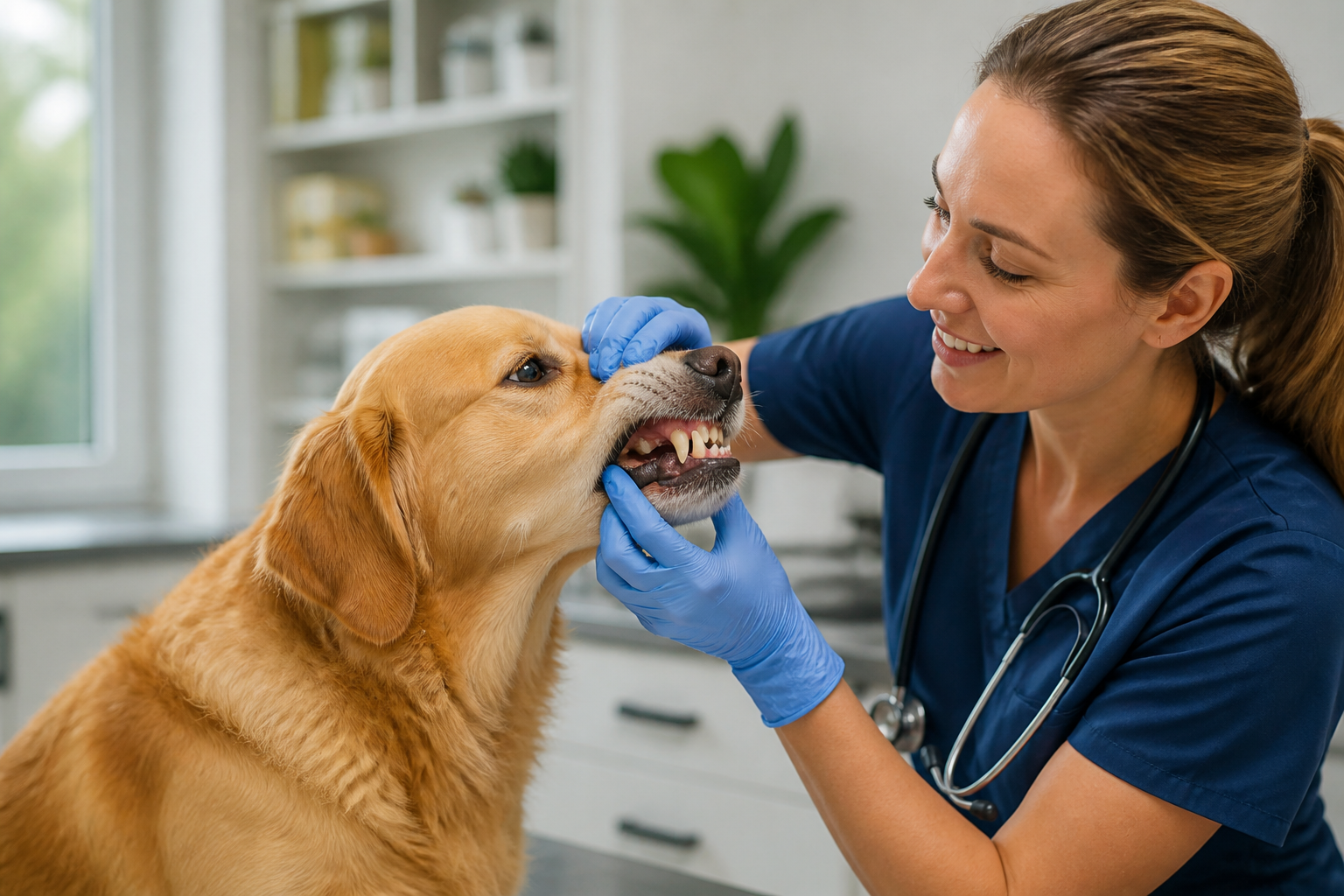
You are sitting in the exam room when your veterinarian lifts your dog’s lip to reveal brown tartar and red gums. They suggest a professional dental cleaning, but the estimate they hand you contains a range that might seem surprisingly high. At BaxterBoo, we know that dental health is one of the most significant yet misunderstood parts of pet care. Understanding where your money goes during a veterinary dental procedure helps you make the best decisions for your dog’s long-term health. This guide will break down the typical costs of a professional cleaning and explain why these procedures are vital. We will also cover how you can reduce future bills through smart at-home care and preventive gear. Professional dental care is a medical investment that prevents systemic health issues and keeps your dog comfortable into their senior years.
Quick Answer: Most dog owners spend between $300 and $700 for a routine dental cleaning at a general practice. If your dog requires extractions or needs to see a specialist, the total cost can range from $1,500 to $3,000 or more.
The Average Cost of Dog Dental Cleaning in the US
The price you pay for a professional cleaning depends heavily on where you live and the type of clinic you visit. In major urban centers like New York or San Francisco, prices are naturally higher due to overhead costs. Rural areas often offer more affordable rates for the same procedures. On average, a basic prophylaxis, which is a routine cleaning for a healthy mouth, starts around $300. This base price typically includes the physical exam, anesthesia, and the scaling and polishing of the teeth.
However, the base price rarely tells the whole story. Most veterinarians provide an estimate with a low end and a high end. The low end covers the best-case scenario where no hidden issues are found. The high end accounts for potential extractions or additional time under anesthesia. It is common for a final bill to land somewhere in the middle.
Factors That Influence the Final Bill
Several variables change the cost of the procedure before the vet even begins the cleaning. Your dog’s size is a primary factor. Larger dogs require more anesthesia and longer monitoring times, which increases the price of medications and labor. A Great Dane will always cost more to clean than a Chihuahua simply because of the volume of supplies used.
The current state of your dog’s oral health also dictates the price. If your dog has significant tartar buildup or stage three periodontal disease, the vet must spend more time cleaning each tooth. Advanced disease often means the gums are sensitive and prone to bleeding, requiring more delicate work and potentially more specialized tools.
- Geography: Urban vs. rural clinic locations.
- Dog Size: Weight-based dosing for anesthesia and fluids.
- Dental Condition: Severity of tartar and gum inflammation.
- Clinic Type: General practitioner vs. board-certified veterinary dentist.
Why Professional Cleaning Costs More Than Human Dentistry
It is natural to compare the cost of your dog’s dental visit to your own. However, the procedures are vastly different. When you go to the dentist, you sit still and follow instructions. A dog cannot do this. For a veterinarian to perform a safe and thorough cleaning, the dog must be under general anesthesia. This is the single biggest contributor to the cost.
Anesthesia requires a dedicated staff member to monitor your dog’s heart rate, oxygen levels, and blood pressure the entire time. It also involves specialized equipment like a pulse oximeter and an ECG machine. These safety measures ensure your dog remains stable while the vet works. Without anesthesia, it is impossible to clean beneath the gumline, which is where the most dangerous bacteria live.
Key Takeaway: Anesthesia is not just for the vet's convenience: it is a safety requirement that allows for a deep, pain-free cleaning below the gumline where periodontal disease begins.
Breaking Down the Line Items on Your Estimate
When you receive a dental estimate, it often looks like a long list of technical terms. Understanding these line items helps you see the value of the service. Most professional cleanings follow a specific protocol to ensure safety and effectiveness.
Pre-Anesthetic Bloodwork
Most clinics require bloodwork before the procedure, especially for senior dogs. This test checks kidney and liver function to ensure your dog can safely process the anesthesia. It can cost anywhere from $75 to $200. While it might seem like an optional add-on, it is a critical safety net that identifies underlying issues that could make the procedure risky.
Dental X-Rays
Dental radiographs are the only way to see what is happening beneath the surface. Over 50 percent of a dog’s tooth structure is hidden under the gums. X-rays reveal bone loss, root infections, and abscesses that are invisible to the naked eye. Skipping X-rays means the vet might leave a painful, infected tooth in your dog’s mouth. This diagnostic step usually adds $100 to $250 to the total.
Scaling and Polishing
Scaling is the process of removing plaque and tartar from the surface of the teeth and under the gums. Vets use ultrasonic scalers that vibrate at high speeds to break up hard deposits. After scaling, the enamel is left with microscopic scratches. Polishing smooths these out so that new plaque has a harder time sticking to the teeth.
Vet Tip: If a clinic offers anesthesia-free cleaning, be cautious. These procedures are purely cosmetic and do not address the bacteria under the gumline that causes tooth loss and heart disease.
The Cost of Extractions and Oral Surgery
If the vet finds a tooth that is loose, fractured, or has a significant root infection, they will likely recommend an extraction. This is where the cost of a dental visit can climb quickly. Extracting a tooth is not a simple pull. It is a surgical procedure that involves local numbing agents, specialized tools, and often sutures to close the gum tissue.
A simple extraction for a small, single-rooted tooth might cost $50 to $150. However, a multi-rooted tooth like a carnassial or a canine requires a surgical extraction. This involves sectioning the tooth into pieces and carefully removing each root. These can cost between $300 and $800 per tooth depending on the complexity.
Medications and Post-Op Care
After an extraction, your dog will need pain relief and possibly antibiotics. Our pet pharmacy provides prescription medications for post-surgical care through our partnership with Pet's Choice. You can have these prescriptions filled easily and delivered to your door. Managing pain is essential for a smooth recovery, as it ensures your dog returns to eating normally as soon as possible.
- Pain Relief: Targeted medications to manage inflammation after surgery.
- Antibiotics: Used if a deep infection or abscess was present.
- Soft Food: A temporary switch to wet food like Farmina or Royal Canin may be necessary.
Bottom line: Extractions are surgical procedures that require time, skill, and post-operative medication, which significantly increases the final bill.
Managing the Costs of Senior Dog Dental Care
As dogs age, their dental needs become more complex. Senior dogs are more likely to have advanced periodontal disease and other health conditions that make anesthesia more complicated. While the cost may be higher for a senior pet, the benefits are even greater. Chronic dental infection puts a constant strain on the immune system and can lead to damage in the heart, liver, and kidneys.
For senior dogs with specific health needs, your vet might recommend a prescription diet. Brands like Farmina Vet Life offer specialized formulas that support overall health during recovery. Our pharmacy carries these prescription diets to help you manage your dog's ongoing wellness needs. Always consult your veterinarian before switching to a medical grade food.
How to Save Money on Dog Dental Cleaning
The best way to lower your veterinary bills is to prevent the need for major surgery in the first place. While you cannot avoid the need for professional cleanings entirely, you can extend the time between visits and reduce the number of extractions needed.
Daily Brushing
Brushing your dog’s teeth is the gold standard of home care. It only takes a minute and can save you thousands of dollars over your dog's life. Use a dog-specific toothpaste and a soft brush. Start slow and make it a positive experience with plenty of praise. Even brushing three times a week makes a massive difference in plaque accumulation. For additional guidance, read these pet dental care tips.
Dental Treats and Chews
Many dogs do not tolerate brushing well. In these cases, dental treats like Greenies can help. These treats are designed with a specific texture that mechanically scrapes plaque off the teeth as the dog chews. Products with the VOHC (Veterinary Oral Health Council) seal have been tested for their effectiveness in reducing plaque and tartar. You can browse our dental treats for options to supplement your dog’s routine.
Dental Toys and Enrichment
The act of chewing is natural and beneficial for dogs. Rubber toys from brands like Kong can help massage the gums and scrape the surface of the teeth. At BaxterBoo, we curate a selection of durable toys that provide both mental stimulation and dental benefits. Hard nylon chews or rubber dental toys are excellent additions to your dog's daily routine. You can also review our dog treats for additional chewable options.
Step 1: Inspect your dog's mouth weekly for redness or bad breath.
Step 2: Introduce daily brushing or dental wipes for plaque control.
Step 3: Provide VOHC-approved dental treats to help with tartar.
Step 4: Schedule an annual dental exam with your veterinarian.
The Long-Term Risks of Skipping Dental Cleanings
Some owners hesitate to schedule a cleaning because of the cost or the fear of anesthesia. However, the cost of neglect is always higher than the cost of prevention. Untreated dental disease is painful. Because dogs are stoic, they often do not show pain until it is severe. They may continue to eat even with a rotted tooth or a jawbone infection.
Beyond pain, the bacteria in an infected mouth can enter the bloodstream. This bacteria can travel to the heart valves, causing endocarditis, or to the kidneys, leading to chronic organ failure. A $500 cleaning today is much more affordable than managing heart disease or kidney failure in three years. Learn more about warning signs of bad teeth in dogs.
Key Takeaway: Dental health is not just about white teeth: it is about preventing systemic bacteria from damaging your dog’s vital organs.
Pet Insurance and Wellness Plans
If the upfront cost of a dental procedure is a concern, Figo Pet Insurance can be a valuable tool. Our partnership with FIGO Pet Insurance offers flexible plans that can help cover the costs of accidents and illnesses, including dental injuries or infections. Some providers also offer wellness add-ons that pay for a portion of your routine annual cleaning.
It is important to read your policy carefully. Most standard insurance plans do not cover routine preventive cleanings but will cover the cost of extractions if they are caused by an accident or a specific dental illness. Signing up for insurance while your dog is young and before they have "pre-existing" dental disease is the best way to ensure coverage.
Conclusion
Professional dog dental cleaning is a necessary part of responsible pet ownership. While the average cost of $300 to $700 can feel like a significant expense, it covers vital medical care including anesthesia, professional scaling, and diagnostic X-rays. By investing in these cleanings and maintaining a solid home care routine with products from us, you can protect your dog from the pain and systemic risks of periodontal disease. Remember that your veterinarian is your best resource for a specific estimate tailored to your dog's needs. To get started on a better home care routine, explore our dental and breath care products. If your vet has already prescribed a dental diet or medication, visit our dog pharmacy to fill your prescription through our Pet's Choice partnership.
FAQ
Is it worth getting my dog's teeth professionally cleaned?
Yes, professional cleanings are the only way to remove hardened tartar and bacteria from beneath the gumline where disease starts. Regular cleanings prevent painful infections, tooth loss, and potential damage to the heart and kidneys. Over time, preventive cleanings are much cheaper than treating advanced periodontal disease or systemic organ issues.
Why is anesthesia necessary for a dog's dental cleaning?
Anesthesia allows the veterinarian to perform a thorough and pain-free exam and cleaning while keeping the dog's airway protected. Without it, a dog would not sit still for scaling under the gums or for dental X-rays, which are essential for a complete diagnosis. Modern veterinary anesthesia is very safe and includes constant monitoring of the dog's vitals by trained staff.
How often should my dog have their teeth cleaned by a vet?
Most veterinarians recommend a professional dental cleaning once a year starting around age two or three. Small breeds and flat-faced dogs like Pugs or French Bulldogs may need cleanings every six months because their crowded teeth trap more bacteria. Your vet will evaluate your dog's mouth during their annual wellness exam to determine the best schedule.
Does pet insurance cover the cost of dog teeth cleaning?
Most standard pet insurance policies do not cover routine preventive cleanings, but many offer wellness riders that provide a yearly allowance for dental care. If your dog has a dental emergency, such as a fractured tooth or an abscess, many accident and illness plans will cover the cost of the extraction or repair. Always check your specific policy for dental coverage details and exclusions.






